Protective Covenants for Office Park
What this document covers
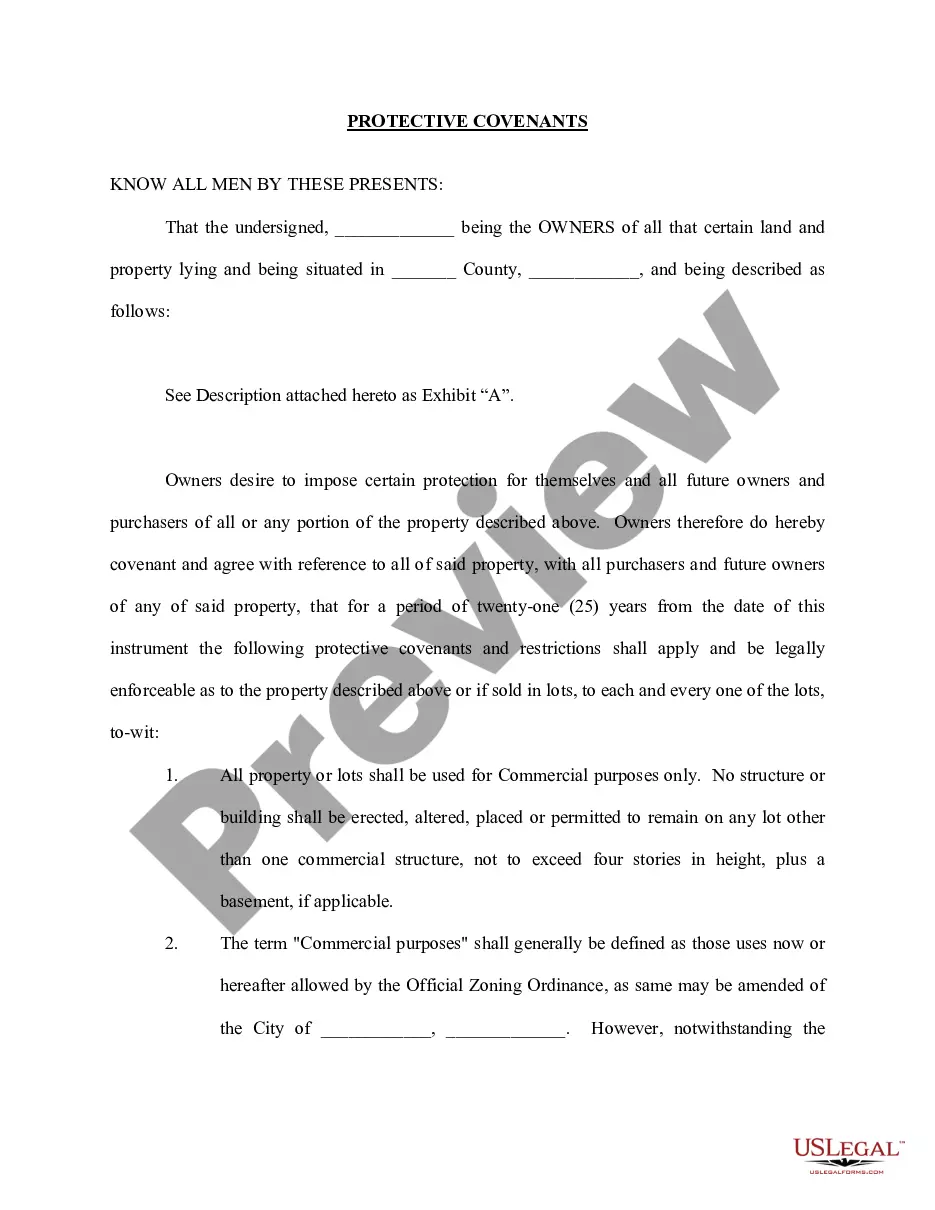
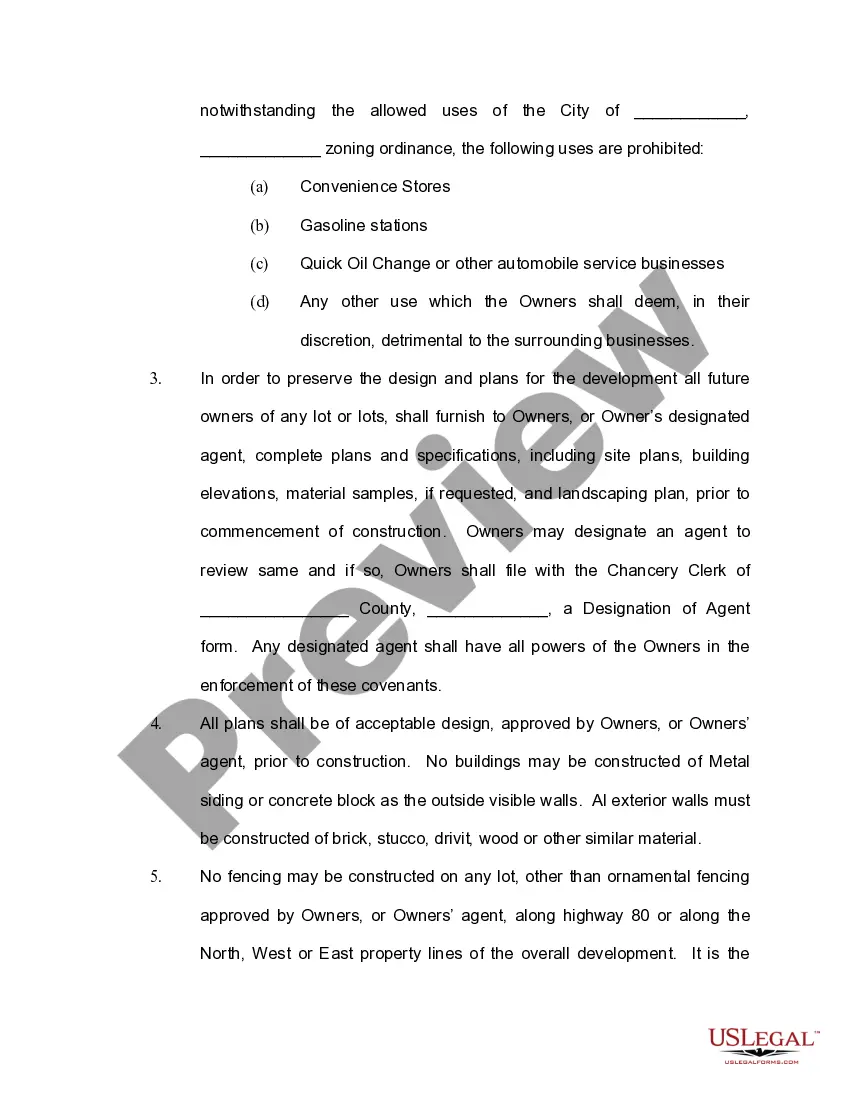
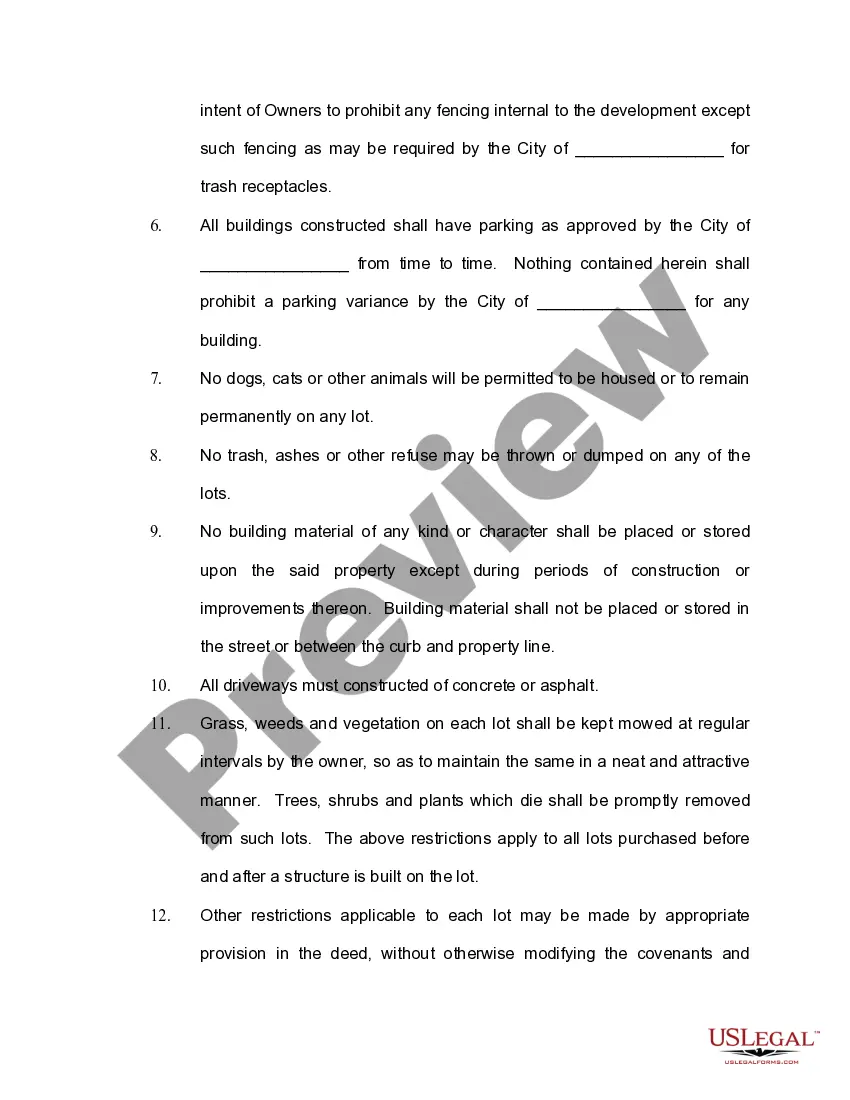
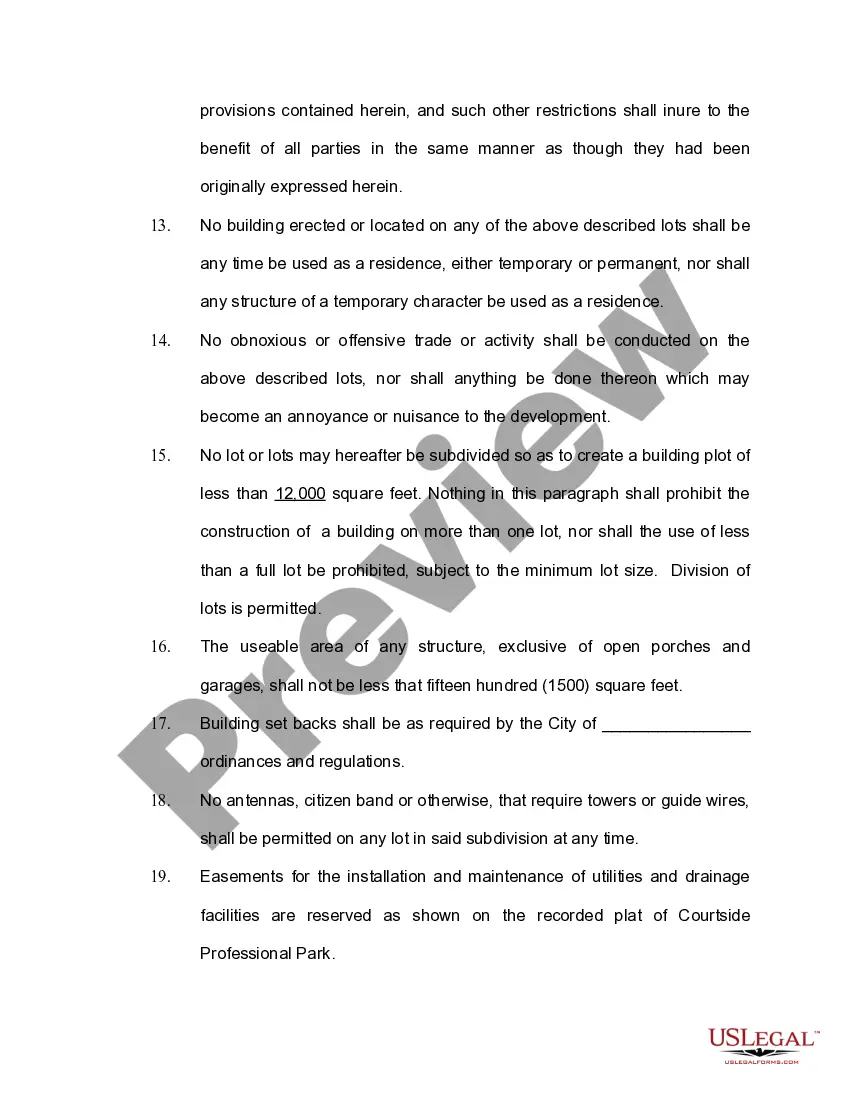
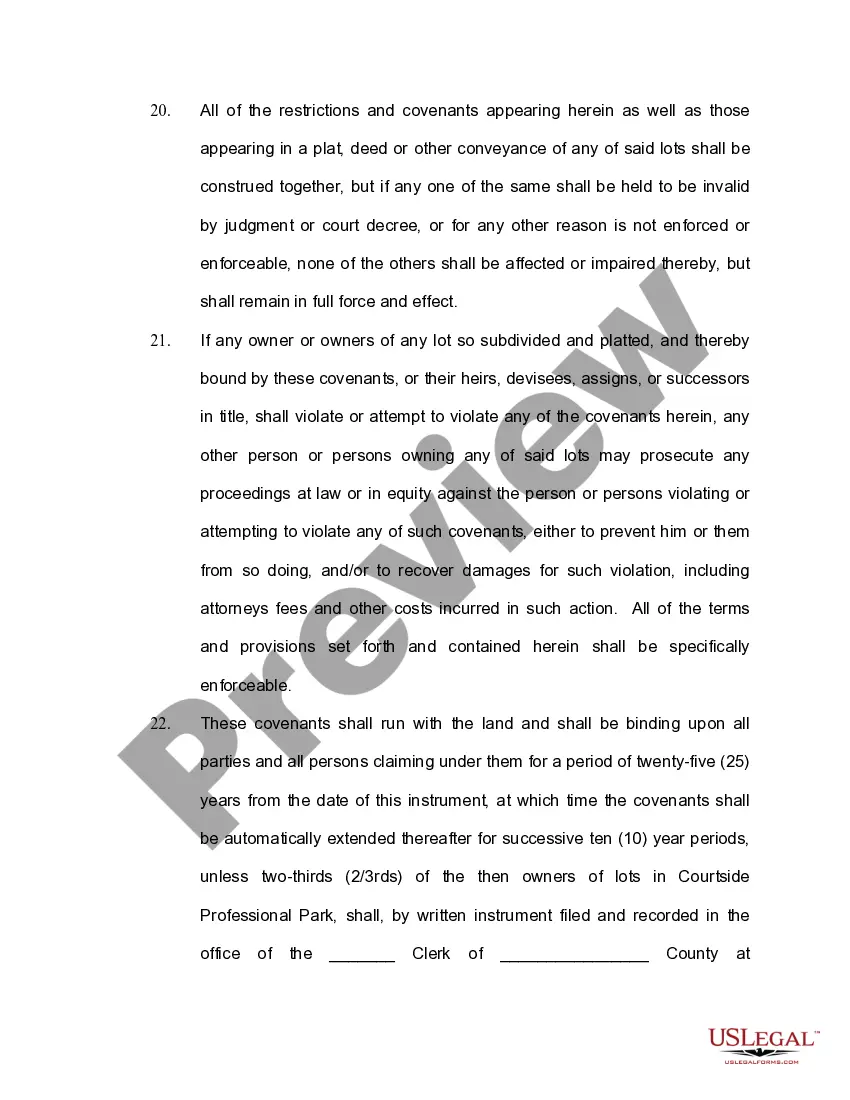
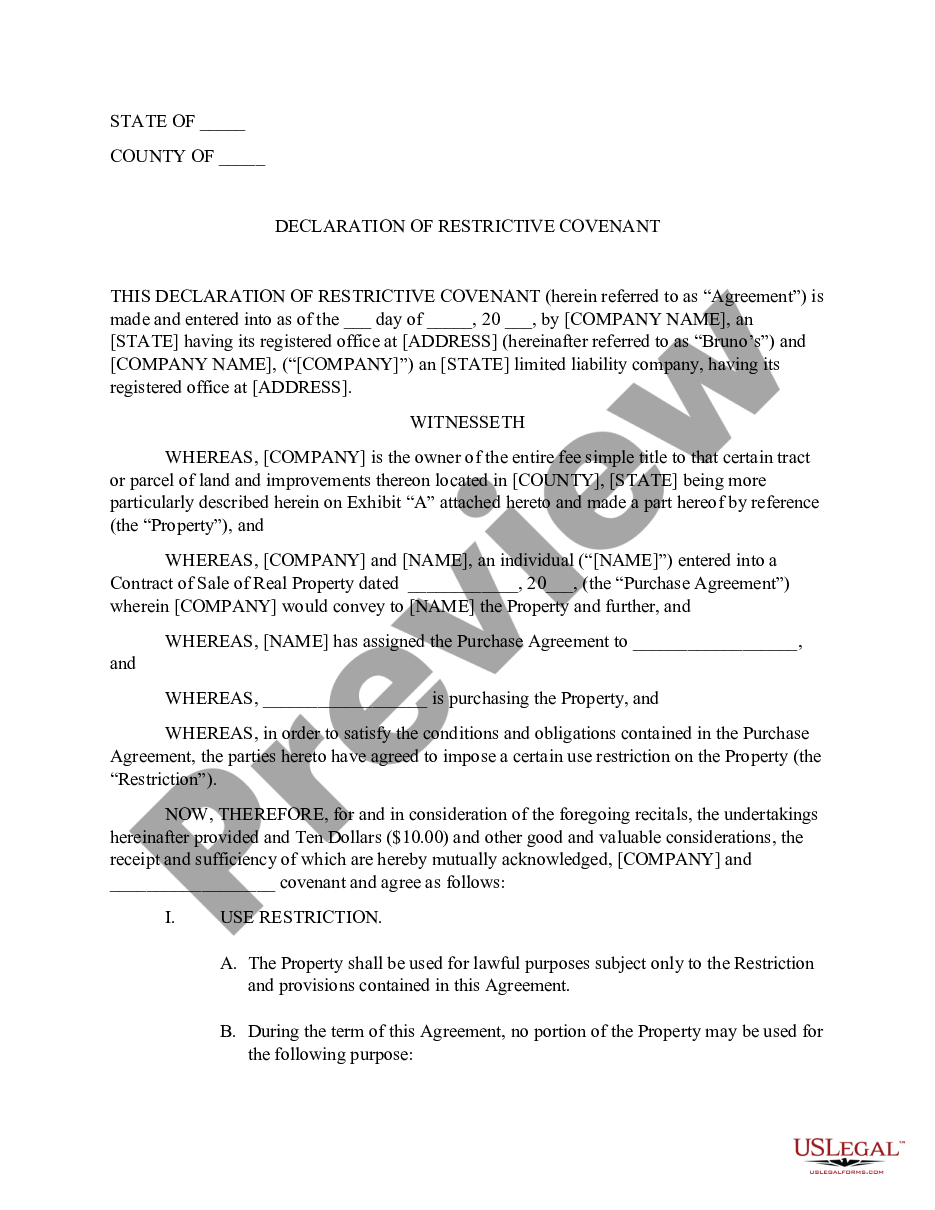
The Protective Covenants for Office Park form is a legally binding document designed to impose specific restrictions on the usage and development of properties within a designated office park. These covenants help maintain property values by prohibiting undesirable activities and ensuring compliance with the agreed design and planning standards. This form differs from other legal agreements in that it aims to protect the aesthetic and functional character of the entire development, making it crucial for maintaining a cohesive commercial environment.
Key components of this form
- Identification of property and owners.
- Specified allowed and prohibited uses for the property.
- Design requirements for new constructions and alterations.
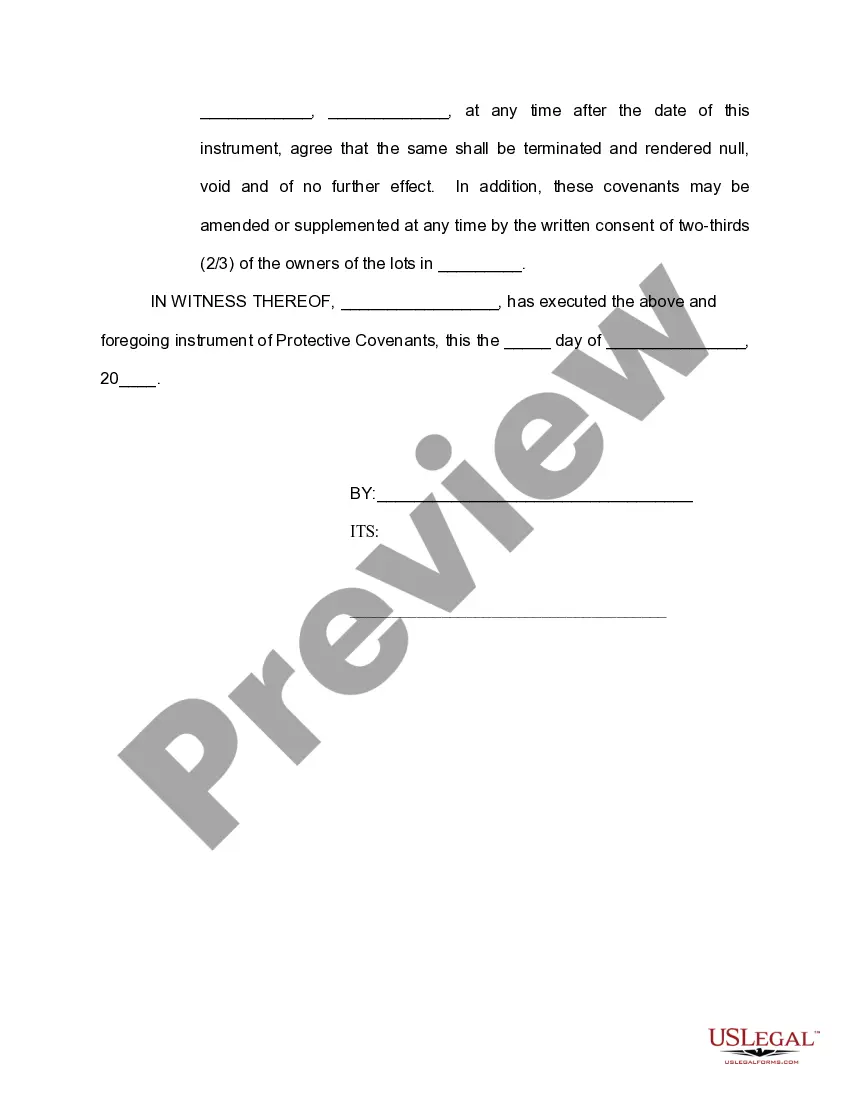
- Enforcement mechanisms for violations of the covenants.
- Duration of the covenants and conditions for amendments.
When to use this form
This form is essential when establishing a new office park or development area where property owners seek to maintain a uniform standard in terms of property usage and appearance. It is particularly useful when multiple owners are involved, ensuring that all parties agree to the same restrictions to minimize potential conflicts. Utilize this form when drafting legal agreements for developments that require long-term stability in community standards and property values.
Who needs this form
- Developers establishing an office park.
- Property owners looking to enforce specific usage restrictions.
- Purchasers of commercial lots in a planned development.
- Real estate professionals assisting clients in property transactions.
Steps to complete this form
- Identify the owners and specify the property being developed.
- Outline the intended commercial uses and list prohibited activities.
- Detail the design standards for construction, including materials and dimensions.
- Define the duration of the covenants and the process for amendments.
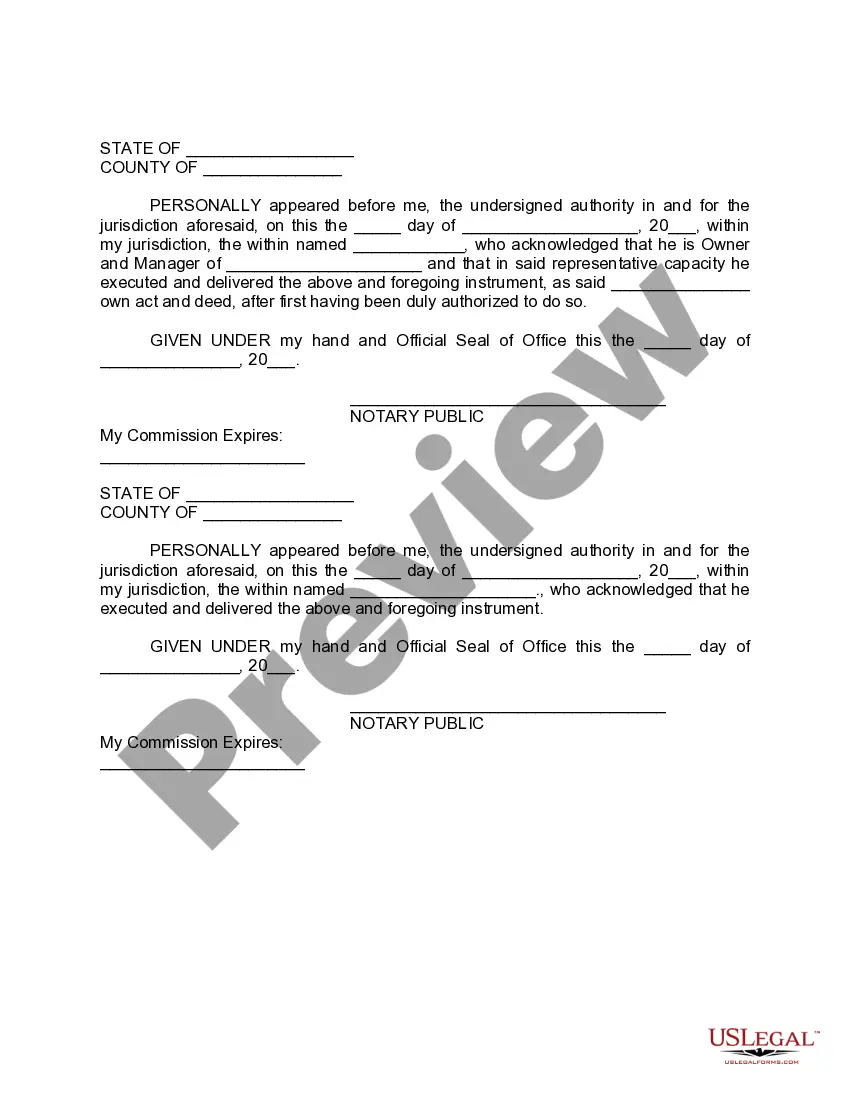
- Gather all relevant signatures from property owners and notarize the document as needed.
Does this document require notarization?
Yes, this form must be notarized to be legally valid. This ensures that all signatures are verified, providing additional legal protection. US Legal Forms offers integrated online notarization, available 24/7, via secure video calls, which is legally equivalent to traditional methods without the need to travel.
Get your form ready online
Our built-in tools help you complete, sign, share, and store your documents in one place.
Make edits, fill in missing information, and update formatting in US Legal Forms—just like you would in MS Word.
Download a copy, print it, send it by email, or mail it via USPS—whatever works best for your next step.
Sign and collect signatures with our SignNow integration. Send to multiple recipients, set reminders, and more. Go Premium to unlock E-Sign.
If this form requires notarization, complete it online through a secure video call—no need to meet a notary in person or wait for an appointment.
We protect your documents and personal data by following strict security and privacy standards.

Make edits, fill in missing information, and update formatting in US Legal Forms—just like you would in MS Word.

Download a copy, print it, send it by email, or mail it via USPS—whatever works best for your next step.

Sign and collect signatures with our SignNow integration. Send to multiple recipients, set reminders, and more. Go Premium to unlock E-Sign.

If this form requires notarization, complete it online through a secure video call—no need to meet a notary in person or wait for an appointment.

We protect your documents and personal data by following strict security and privacy standards.
Mistakes to watch out for
- Failing to specify prohibited uses clearly, leading to disputes.
- Neglecting to include all property owners in the agreement.
- Not adhering to local zoning laws that conflict with the covenants.
- Overlooking the need for notarization if required by state law.
Why complete this form online
- Convenient access to the form from anywhere, anytime.
- Editable templates that allow customization for specific circumstances.
- Reliability of using attorney-drafted documents that can stand up in court.
- Quick download options to expedite the agreement process.
Legal use & context
- The covenants run with the land and are binding on all future owners.
- Any violations can lead to legal action from other property owners, including injunctions or damage claims.
- Understanding the enforcement mechanisms is crucial for effective compliance.
What to keep in mind
- The Protective Covenants for Office Park establishes essential property use restrictions.
- Maintaining property values is a primary goal of these covenants.
- This form is suitable for developers and property owners who want to ensure consistent use within their communities.
- Proper completion and adherence to this form are crucial for its enforceability.
Looking for another form?
Form popularity
FAQ
In respect of covenants, for them to be enforceable, both the benefit and burden must run in common law or both must run in equity. So if the benefit runs in common law but the burden only runs in equity (or vice versa) the covenant will not be enforceable.
What happens if I breach a restrictive covenant? If you own a property and unknowingly (or otherwise) breach a restrictive covenant then you could be forced to undo any offending work (such as having to pull down an extension), pay a fee (often running into thousands of pounds) or even face legal action.
Covenants, Conditions & Restrictions (CC&Rs), sometimes referred to as bylaws, are rules and property limitations of a planned community neighborhood.
Protective covenant. A part of an indenture or loan agreement that limits certain actions a company may take during the term of the loan to protect the lender's interests.
While bylaws are generally mutually agreed upon governing rules for an organization or business, covenants are usually long-term promises to do something or refrain from action that may last for several generations.
Ignoring a restrictive covenant If you choose to ignore a restrictive covenant, you could potentially face a claim in damages for the breach in addition to any injunctions granted.
The restrictions and affirmative obligations included in a set of restrictive covenants may be enforced by (i) any individual owner or (ii) in a condominium or planned community, the owners association.However, most enforcement of restrictive covenants is now carried out by the appropriate owners association.
A developer designing a new estate will commonly require buyers to enter into restrictive covenants; however, in practice such covenants are not generally enforced against any one other than an original covenantor.
The Declaration of CC&Rs is the legal document that lays out the guidelines for the planned community. The CC&Rs are usually recorded in the land records in the county where the property is located and are legally binding.