Sample Letter With Contact Information In Los Angeles
Description

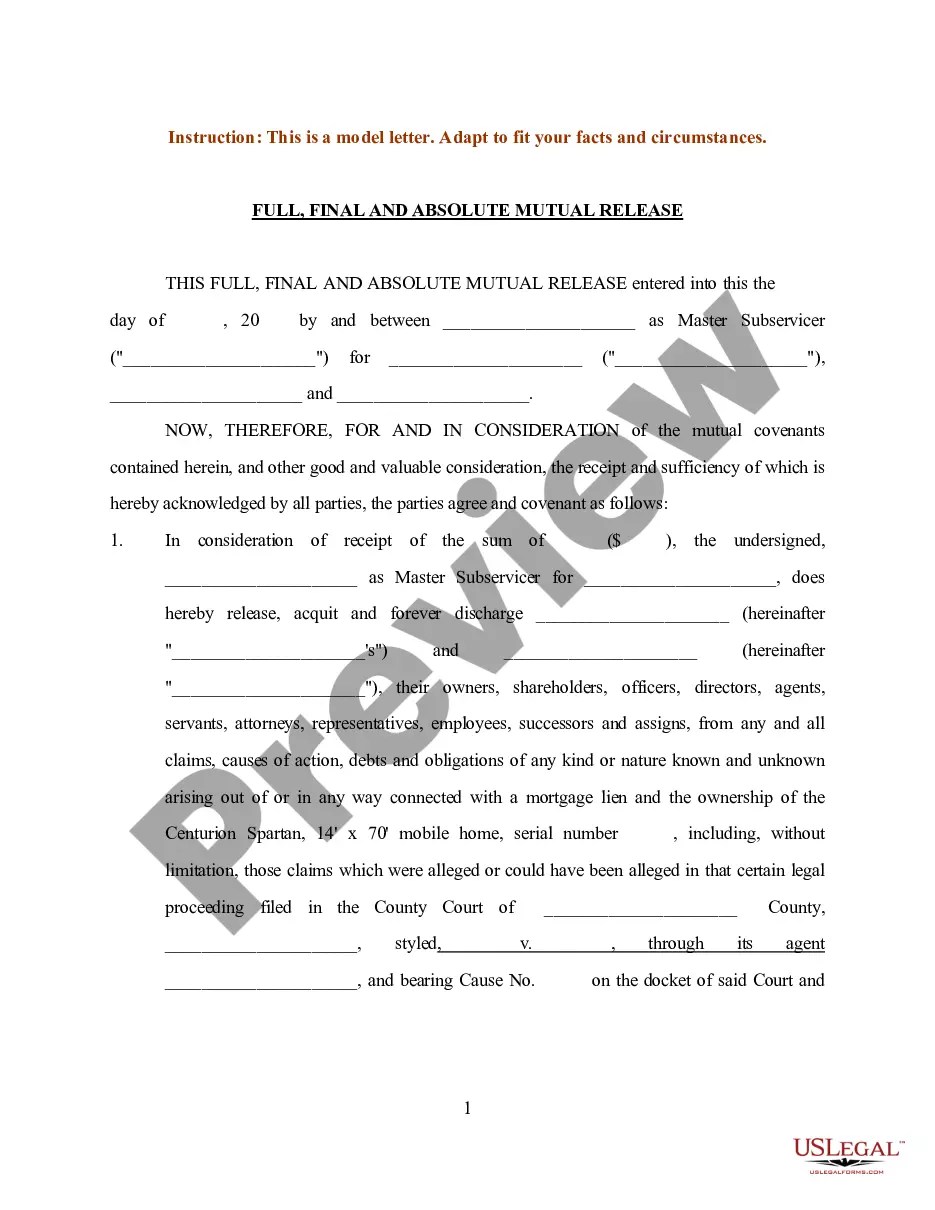
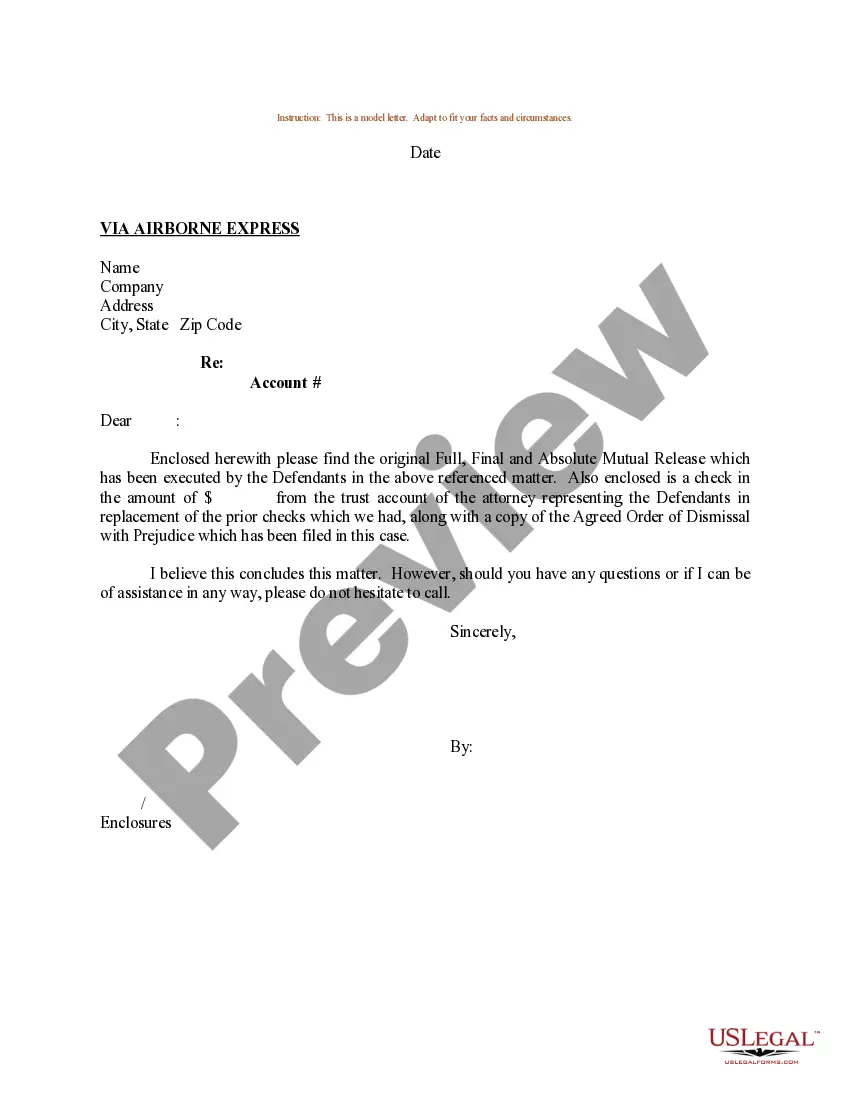
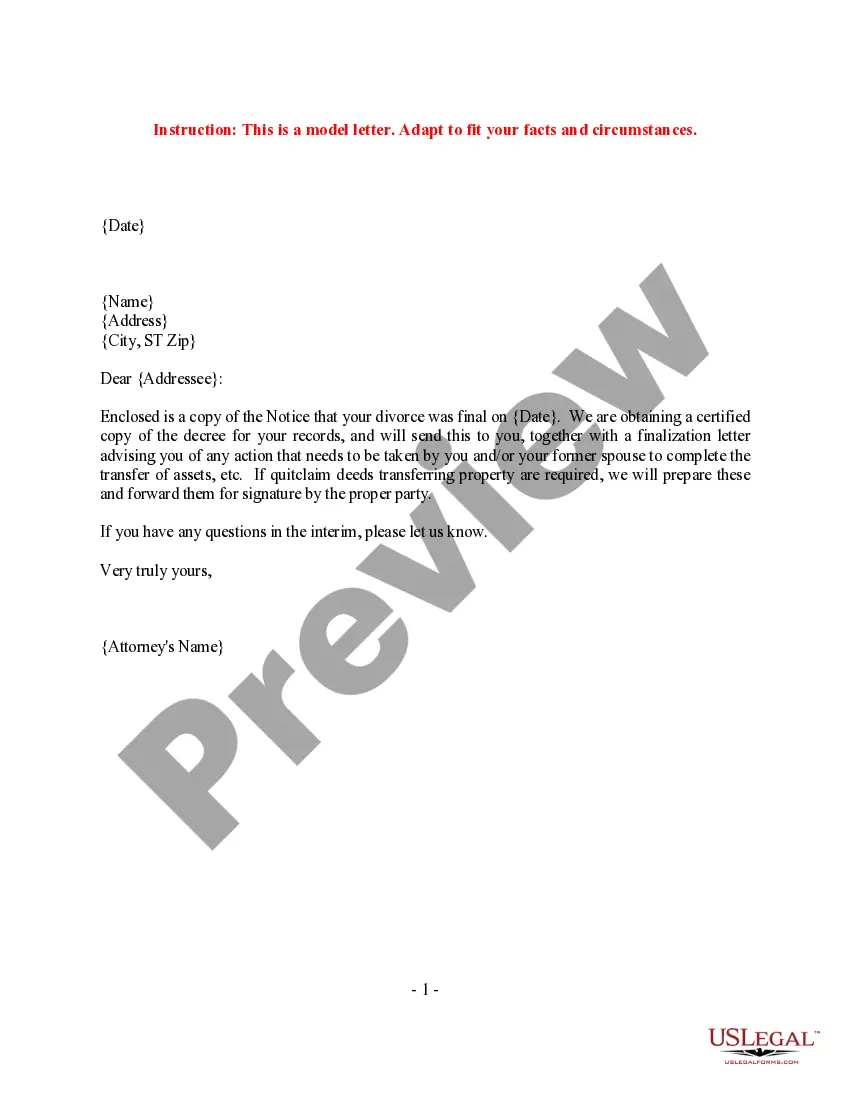
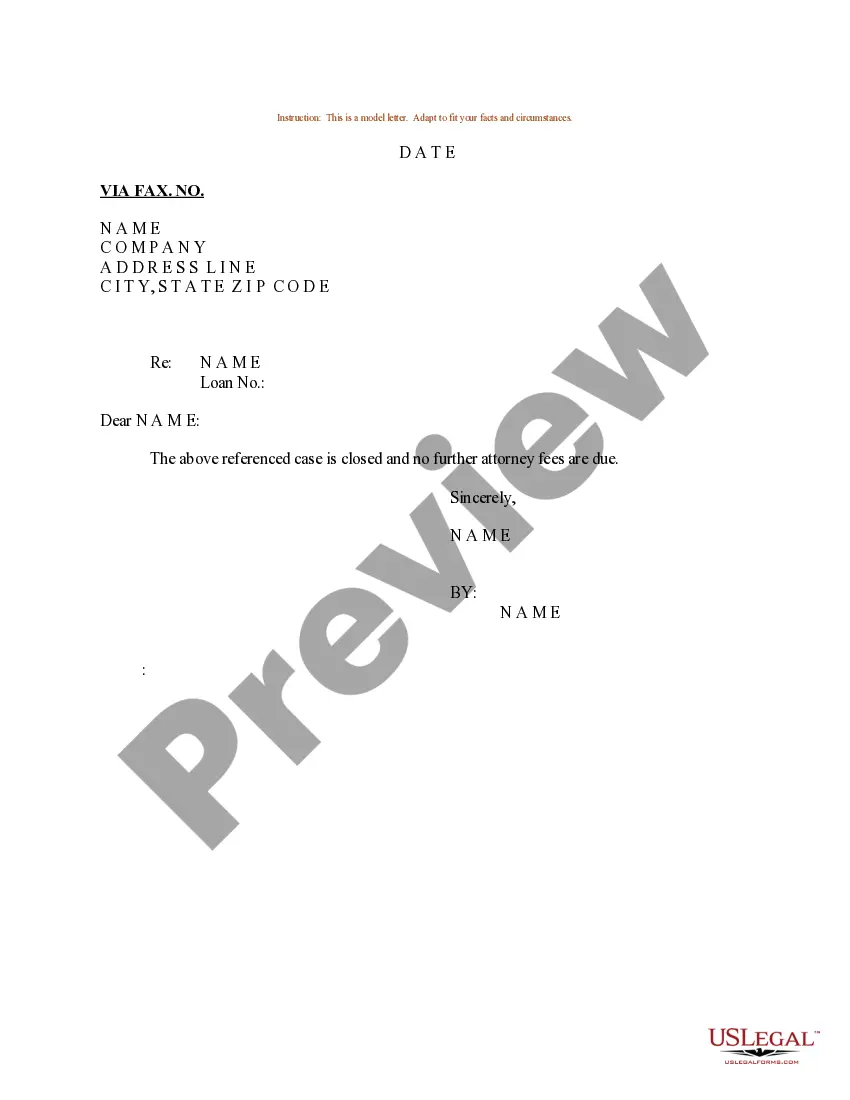
Get your form ready online
Our built-in tools help you complete, sign, share, and store your documents in one place.
Make edits, fill in missing information, and update formatting in US Legal Forms—just like you would in MS Word.
Download a copy, print it, send it by email, or mail it via USPS—whatever works best for your next step.
Sign and collect signatures with our SignNow integration. Send to multiple recipients, set reminders, and more. Go Premium to unlock E-Sign.
If this form requires notarization, complete it online through a secure video call—no need to meet a notary in person or wait for an appointment.
We protect your documents and personal data by following strict security and privacy standards.

Make edits, fill in missing information, and update formatting in US Legal Forms—just like you would in MS Word.

Download a copy, print it, send it by email, or mail it via USPS—whatever works best for your next step.

Sign and collect signatures with our SignNow integration. Send to multiple recipients, set reminders, and more. Go Premium to unlock E-Sign.

If this form requires notarization, complete it online through a secure video call—no need to meet a notary in person or wait for an appointment.

We protect your documents and personal data by following strict security and privacy standards.
Looking for another form?









Form popularity
FAQ
Here are seven steps you can take to write an informative letter: Research your topic. Write your letter heading. Add the recipient information. Draft the body of the letter. Write a conclusion. Proofread your letter. Send your letter. Explain why the information matters.
First include your name, address, phone number, and the date. This information should be located at the top of the page, either in the center, or indented on the right side of the paper. You then include the name and address of the person to whom you are sending the letter.
How to write an informative letter Research your topic. Write your letter heading. Add the recipient information. Draft the body of the letter. Write a conclusion. Proofread your letter. Send your letter. Explain why the information matters.
Dear Recipient's Name, Hope you are well. My name is Your Name and I am currently working with Team Name for the past Tenure Duration. I am writing this email to request your contact details for Explain the Project or Reason, specifically I would need your email address and your phone number.
RFIs don't need to be complicated and shouldn't be long, but they should usually contain at least these seven key components. Contact information. Project details. Scope. Requirements and deliverables. Evaluation criteria. Project timeline. Give specific requirements. Use clear formatting.
How to write an explanation letter in 3 steps Choose letter format. Clients, team members or students may use print or email for their letters. Explain the situation. To begin writing this type of letter, you might explain the situation or circumstance and any contributing factors. Take responsibility and accountability.
You should always include your signature and contact information after closing a letter. If you're mailing your letter, include your address at the top of the letter so that the recipient can respond by mail if necessary.
Asking for information (Intermediate) Can you tell me...? Could you tell me...? I'd like to know... D'you know... (Got / Have you) any idea...? Could anyone tell me...? (Do / Would) you happen to know...? I don't suppose you (would) know...?
First include your name, address, phone number, and the date. This information should be located at the top of the page, either in the center, or indented on the right side of the paper. You then include the name and address of the person to whom you are sending the letter.

