Sample Membership Form For Non Profit Organization In Pennsylvania
Description

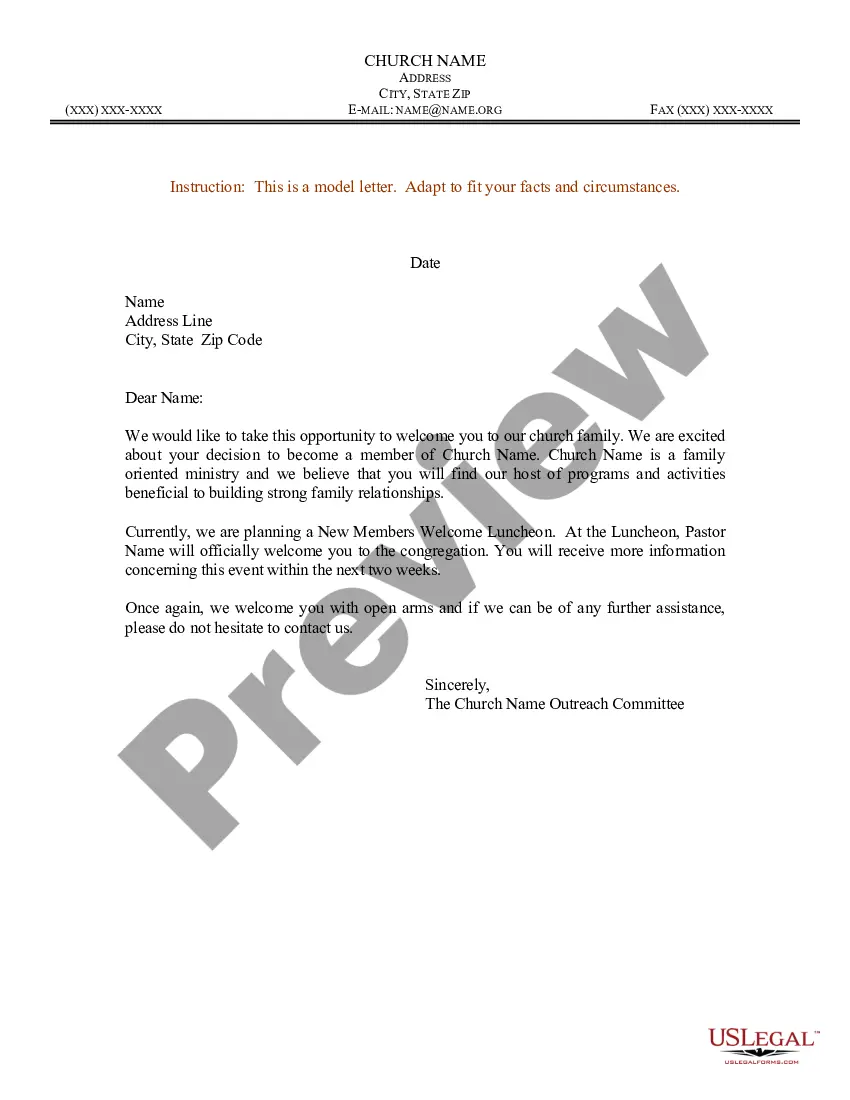
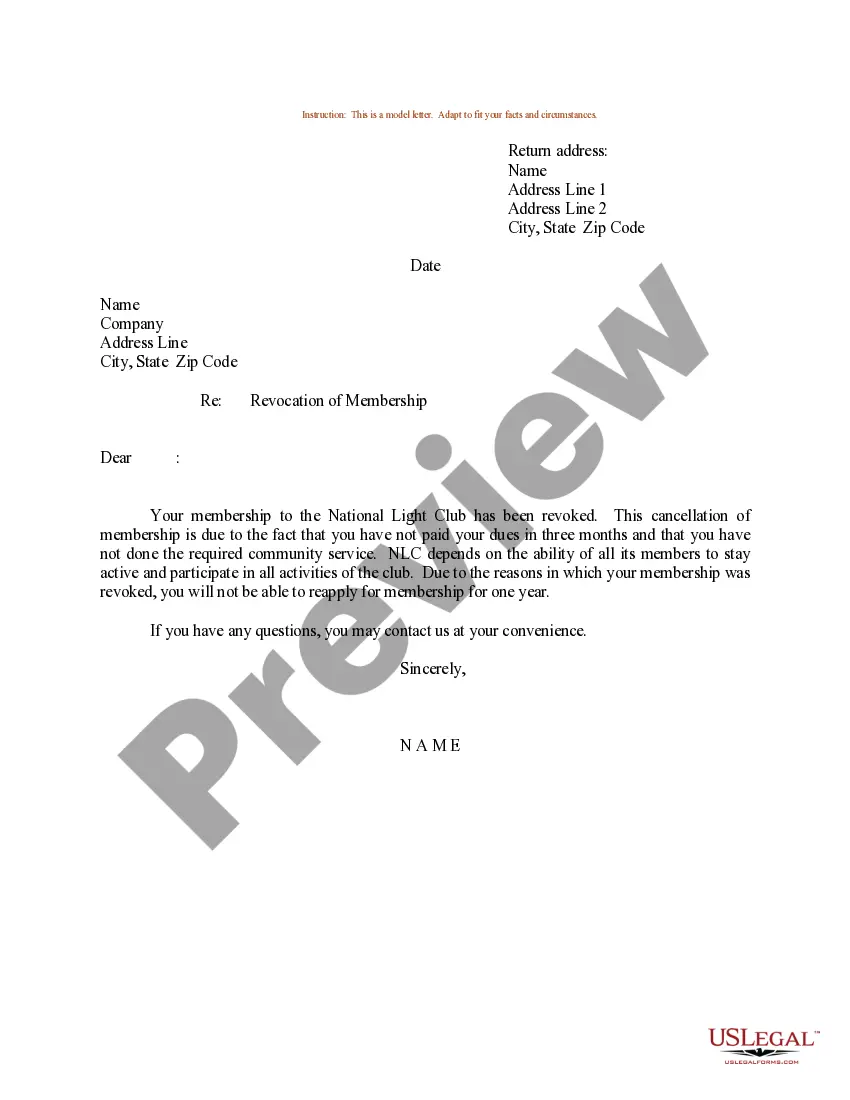
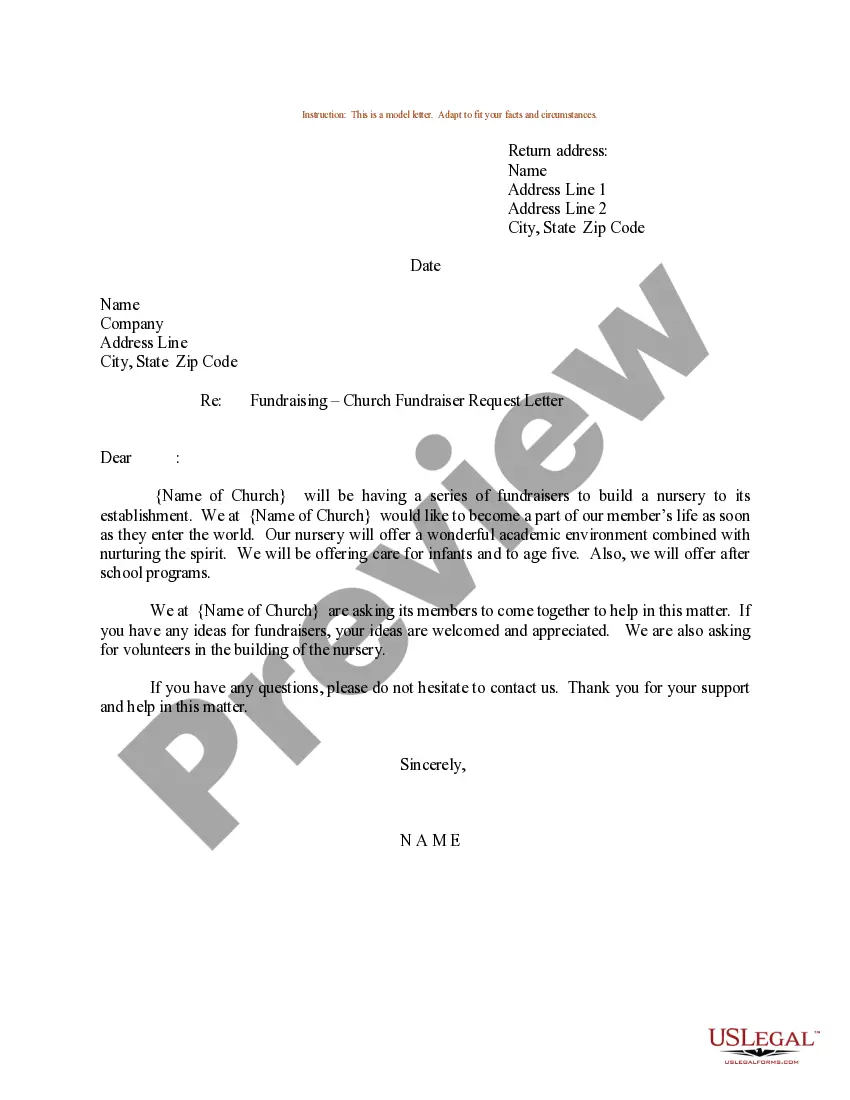
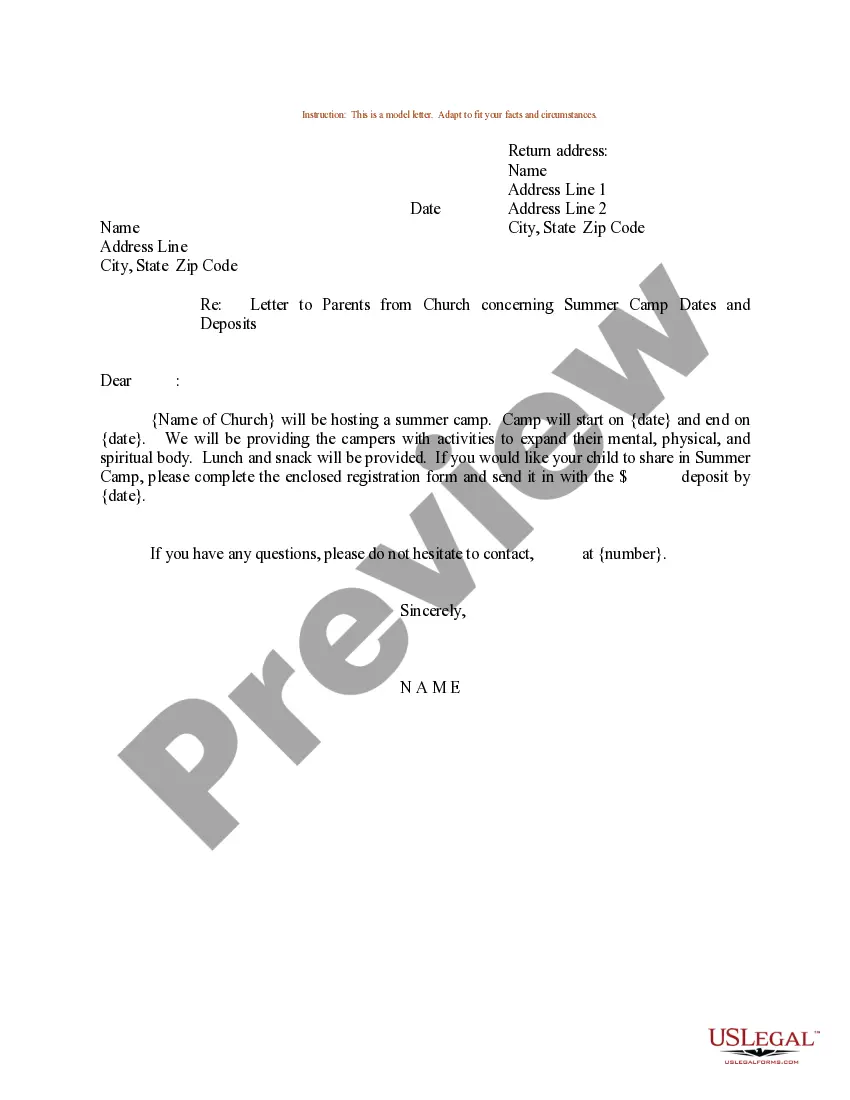
Get your form ready online
Our built-in tools help you complete, sign, share, and store your documents in one place.
Make edits, fill in missing information, and update formatting in US Legal Forms—just like you would in MS Word.
Download a copy, print it, send it by email, or mail it via USPS—whatever works best for your next step.
Sign and collect signatures with our SignNow integration. Send to multiple recipients, set reminders, and more. Go Premium to unlock E-Sign.
If this form requires notarization, complete it online through a secure video call—no need to meet a notary in person or wait for an appointment.
We protect your documents and personal data by following strict security and privacy standards.

Make edits, fill in missing information, and update formatting in US Legal Forms—just like you would in MS Word.

Download a copy, print it, send it by email, or mail it via USPS—whatever works best for your next step.

Sign and collect signatures with our SignNow integration. Send to multiple recipients, set reminders, and more. Go Premium to unlock E-Sign.

If this form requires notarization, complete it online through a secure video call—no need to meet a notary in person or wait for an appointment.

We protect your documents and personal data by following strict security and privacy standards.
Looking for another form?






Form popularity
FAQ
All nonprofits receive a 501(c)3 status upon approval, but not-for-profit organizations fall under a variety of other 501(c) tax codes. In addition, all donations made to a registered 501(c)3 organization are considered tax-deductible.
Organizations organized and operated exclusively for religious, charitable, scientific, testing for public safety, literary, educational, or other specified purposes and that meet certain other requirements are tax exempt under Internal Revenue Code Section 501(c)(3).
Actually, no! These terms are often used interchangeably, but they all mean different things. Nonprofit means the entity, usually a corporation, is organized for a nonprofit purpose. 501(c)(3) means a nonprofit organization that has been recognized by the IRS as being tax-exempt by virtue of its charitable programs.
How to Confirm 501(c)(3) Status Enter the organization's name or EIN on the IRS Tax Exempt Organization Search site to check the status of a nonprofit. Ask the organization for an IRS letter of determination, or check the Secretary of State's website for the state in which the nonprofit is registered.
Once again, with a resounding 'Yes' - a 501(c)(3) organization can certainly have members. And choosing a membership model is a very common approach for both governance and funding when it comes to setting up a nonprofit organization.
The Directors are the individuals who serve on your organization's Board of Directors. The state of Pennsylvania requires a minimum of one director but encourages at least three. If you plan to apply for tax-exempt status with the Internal Revenue Service (IRS), you will need at least three directors.
Steps in becoming a board member Identify an organization you're interested in serving. If you are already a volunteer in an organization, you might investigate the possibility of joining its board. Contact the organization. Exchange information. Understand the expectations. Moving forward.
All nonprofits need a board of directors for a variety of reasons. The first is that it is required by the IRS for all nonprofits to have a minimum of three board members who meet at least once per year.
Nonprofit charities are under the jurisdiction of state and national laws, so they must comply with both legal systems. With that in mind, the federal government requires a minimum of three board members to acquire coveted 501c3 tax-exempt status.
Through their program, a nonprofit grants members certain privileges or perks in exchange for charitable contributions through membership fees or dues.

