Carta Cliente Withdrawn In Alameda
Description

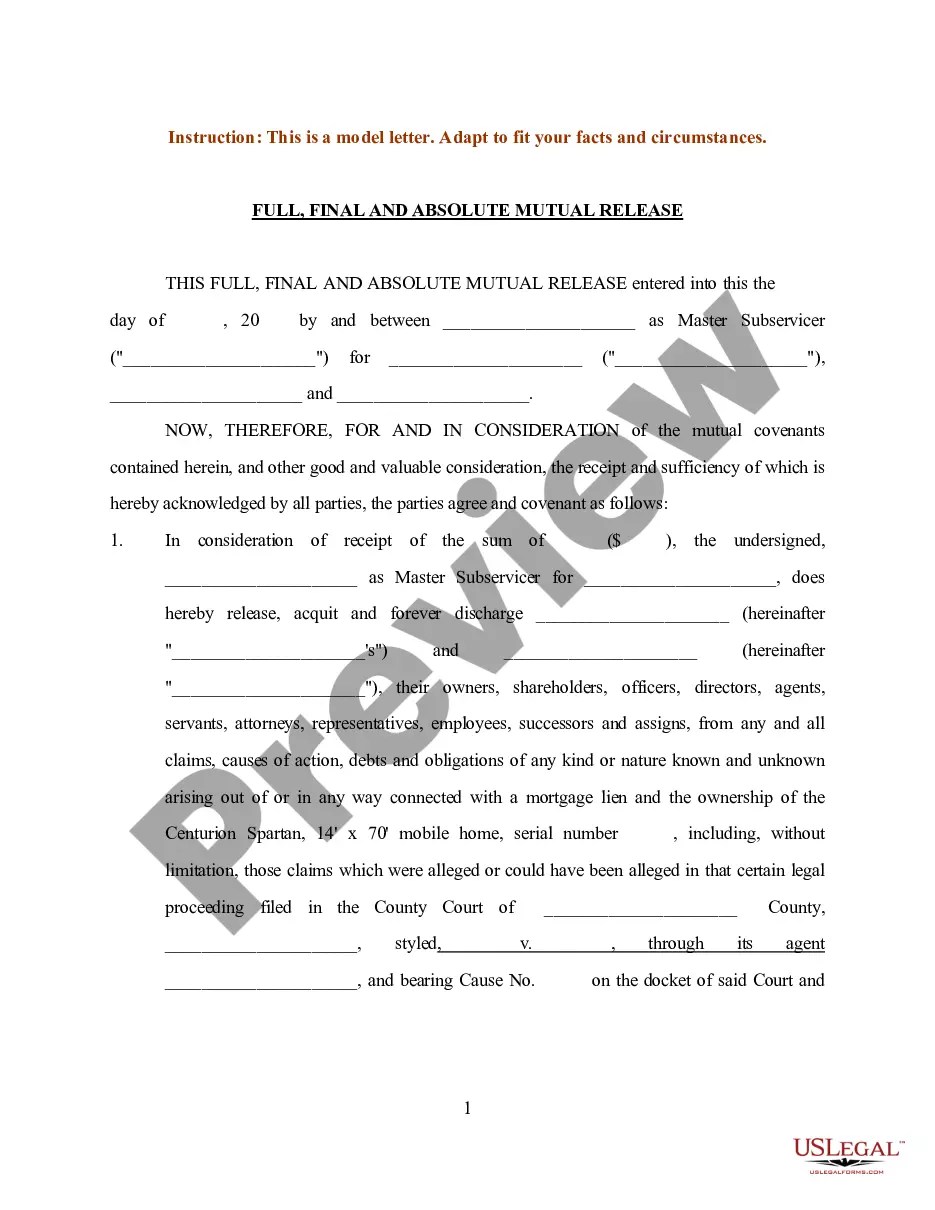
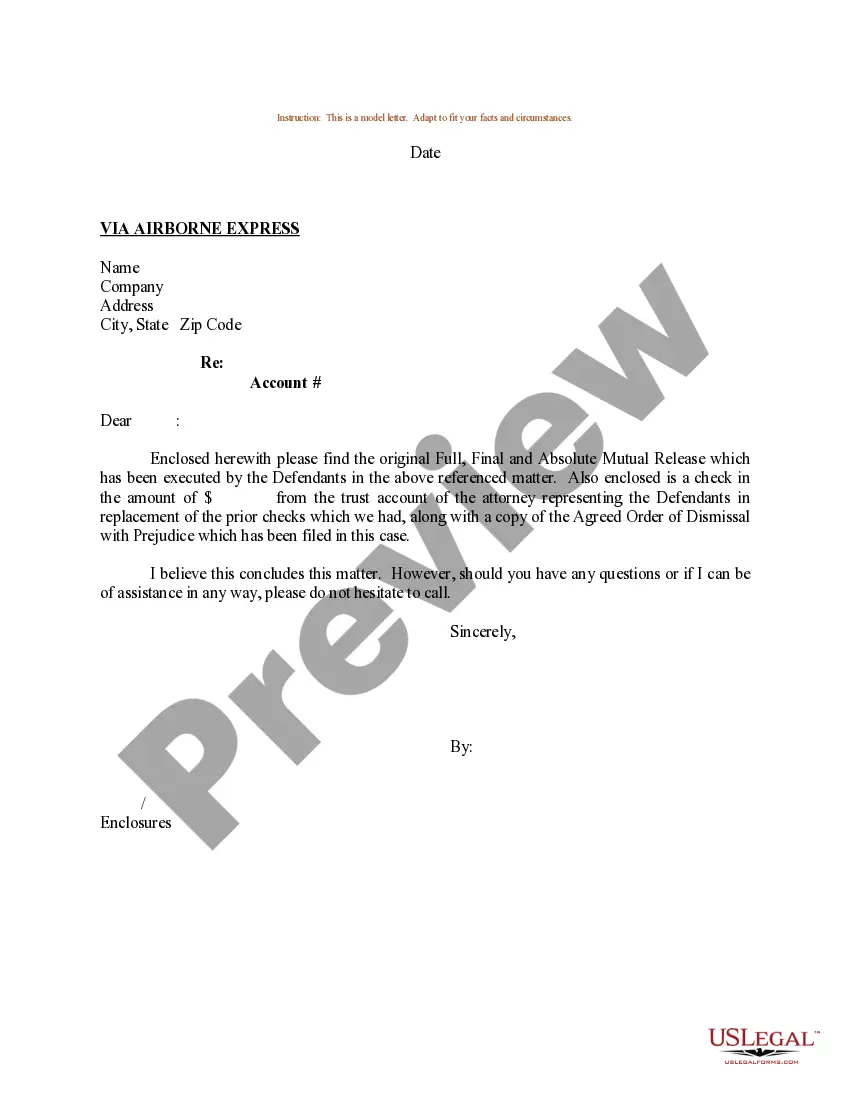
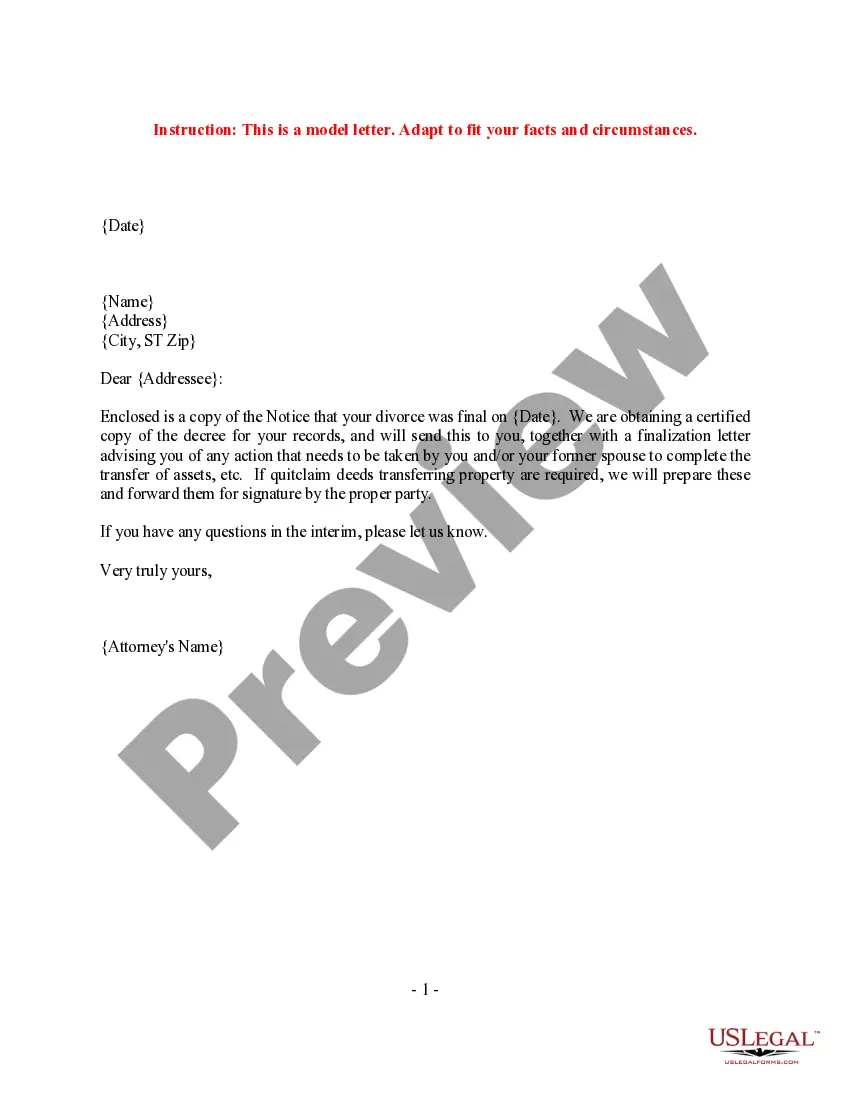
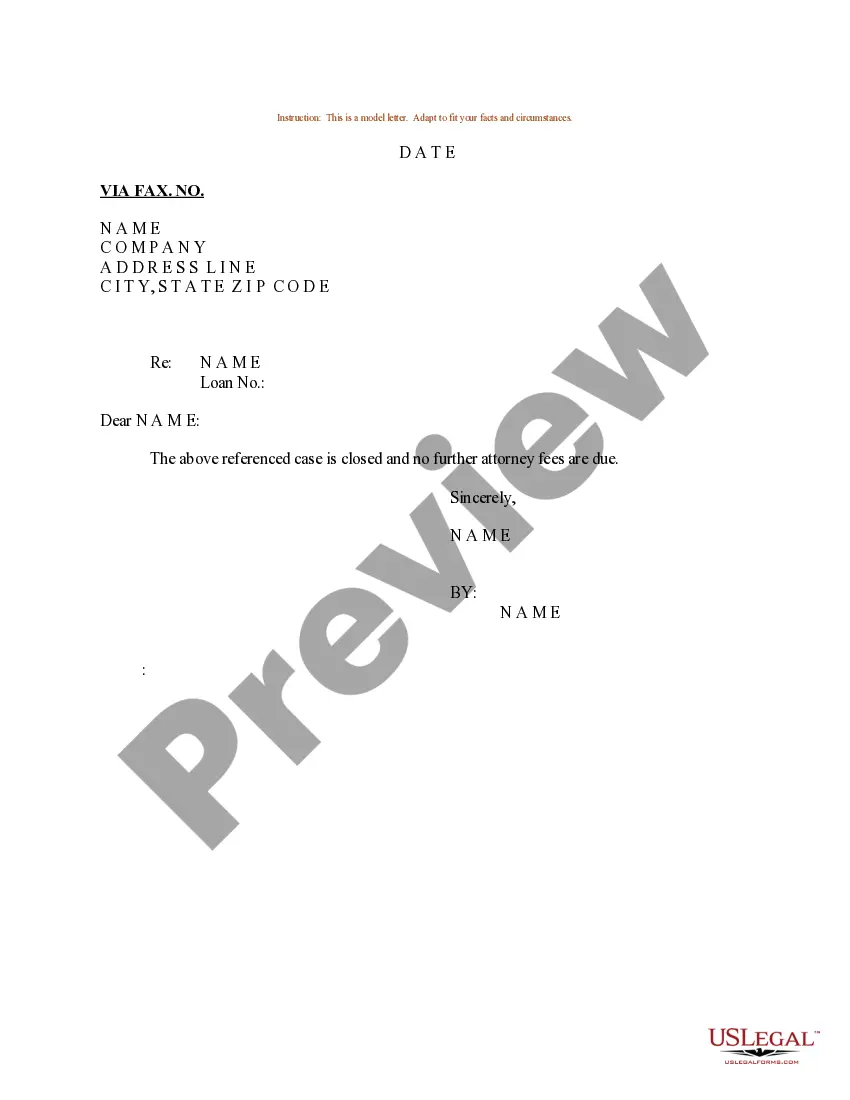
Get your form ready online
Our built-in tools help you complete, sign, share, and store your documents in one place.
Make edits, fill in missing information, and update formatting in US Legal Forms—just like you would in MS Word.
Download a copy, print it, send it by email, or mail it via USPS—whatever works best for your next step.
Sign and collect signatures with our SignNow integration. Send to multiple recipients, set reminders, and more. Go Premium to unlock E-Sign.
If this form requires notarization, complete it online through a secure video call—no need to meet a notary in person or wait for an appointment.
We protect your documents and personal data by following strict security and privacy standards.

Make edits, fill in missing information, and update formatting in US Legal Forms—just like you would in MS Word.

Download a copy, print it, send it by email, or mail it via USPS—whatever works best for your next step.

Sign and collect signatures with our SignNow integration. Send to multiple recipients, set reminders, and more. Go Premium to unlock E-Sign.

If this form requires notarization, complete it online through a secure video call—no need to meet a notary in person or wait for an appointment.

We protect your documents and personal data by following strict security and privacy standards.
Looking for another form?







Form popularity
FAQ
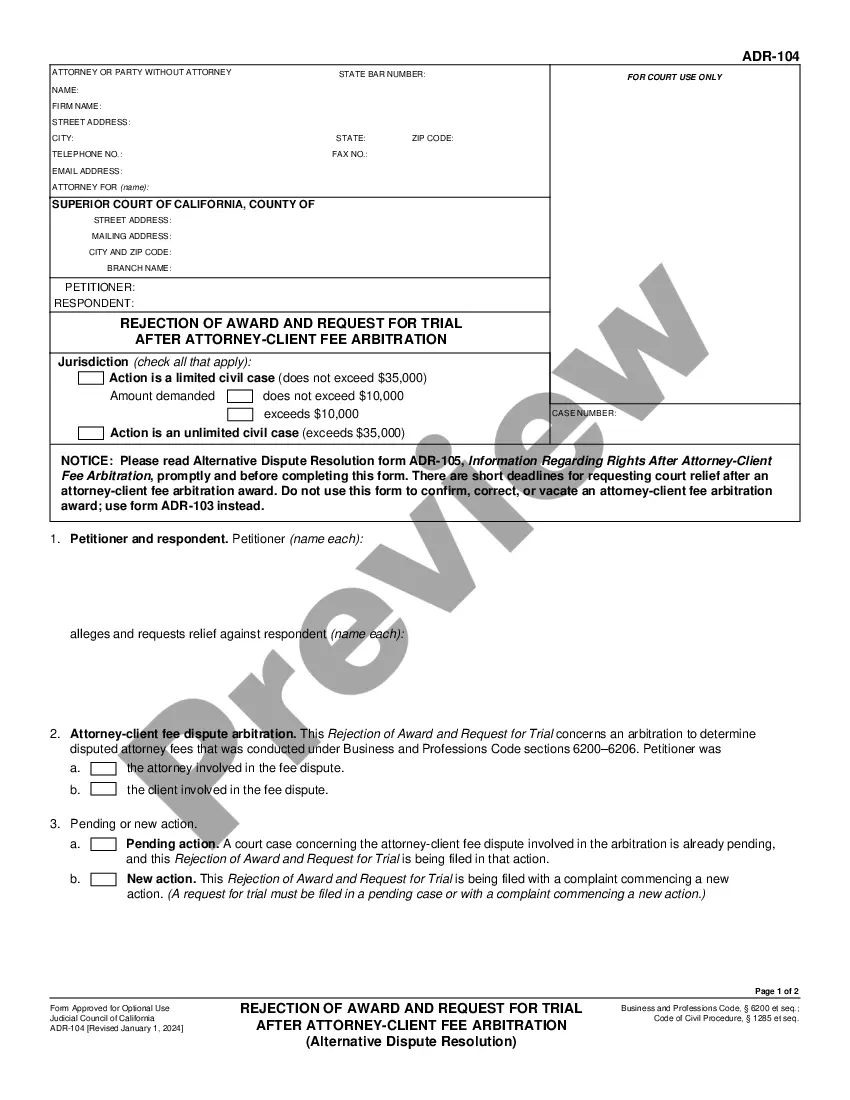
In the course of representation of a client, an attorney may be required or permitted to withdraw from representation of the client in situations such as where a client demands that the lawyer engage in conduct that is illegal or violates applicable rules of professional conduct, the client discharges the lawyer, or ...
In such circumstances, the attorney(s) seeking to withdraw should complete and file this "Request for Approval of Substitution or Withdrawal of Counsel" (Form G-01), and submit a proposed "Order on Request for Approval of Substitution or Withdrawal of Counsel" (Form G-01 Order).
Even if the matter is not pending before a tribunal, the ethics rules of most states provide that a lawyer cannot withdraw until he or she has taken reasonable steps to avoid foreseeable prejudice to the rights of his client, such as giving notice to the client, allowing time for employment of other counsel, delivering ...
Withdrawal is mandatory, or representation must be declined if: The representation will result in violation of the rules of professional responsibility or other law; The lawyer's physical or mental condition materially impairs the lawyer's ability to represent the client; or, The lawyer is discharged by the client.
Even if the matter is not pending before a tribunal, the ethics rules of most states provide that a lawyer cannot withdraw until he or she has taken reasonable steps to avoid foreseeable prejudice to the rights of his client, such as giving notice to the client, allowing time for employment of other counsel, delivering ...
A sample script for firing a client Mention the positives. It's been a privilege to work with you and your team. Let them know you won't be working with them. Offer an apology and a referral. Mention any project items you'll complete. Thank them for their business.
The proposed order relieving counsel must be prepared on the Order Granting Attorney's Motion to Be Relieved as Counsel-Civil (form MC-053) and must be lodged with the court with the moving papers. The order must specify all hearing dates scheduled in the action or proceeding, including the date of trial, if known.
If a lawyer and client cannot work together effectively, it can be difficult to achieve a positive outcome. In this case, the lawyer must notify the client of their intention to withdraw and provide reasonable notice to allow the client to find a new lawyer.
For example, lawyers are required to withdraw when their client demands that they assert a frivolous claim or when the representation will otherwise violate the Rules of Professional Conduct. See Cal. Rules of Prof'l Conduct R. 1.16(a)(1) and 3.1.

