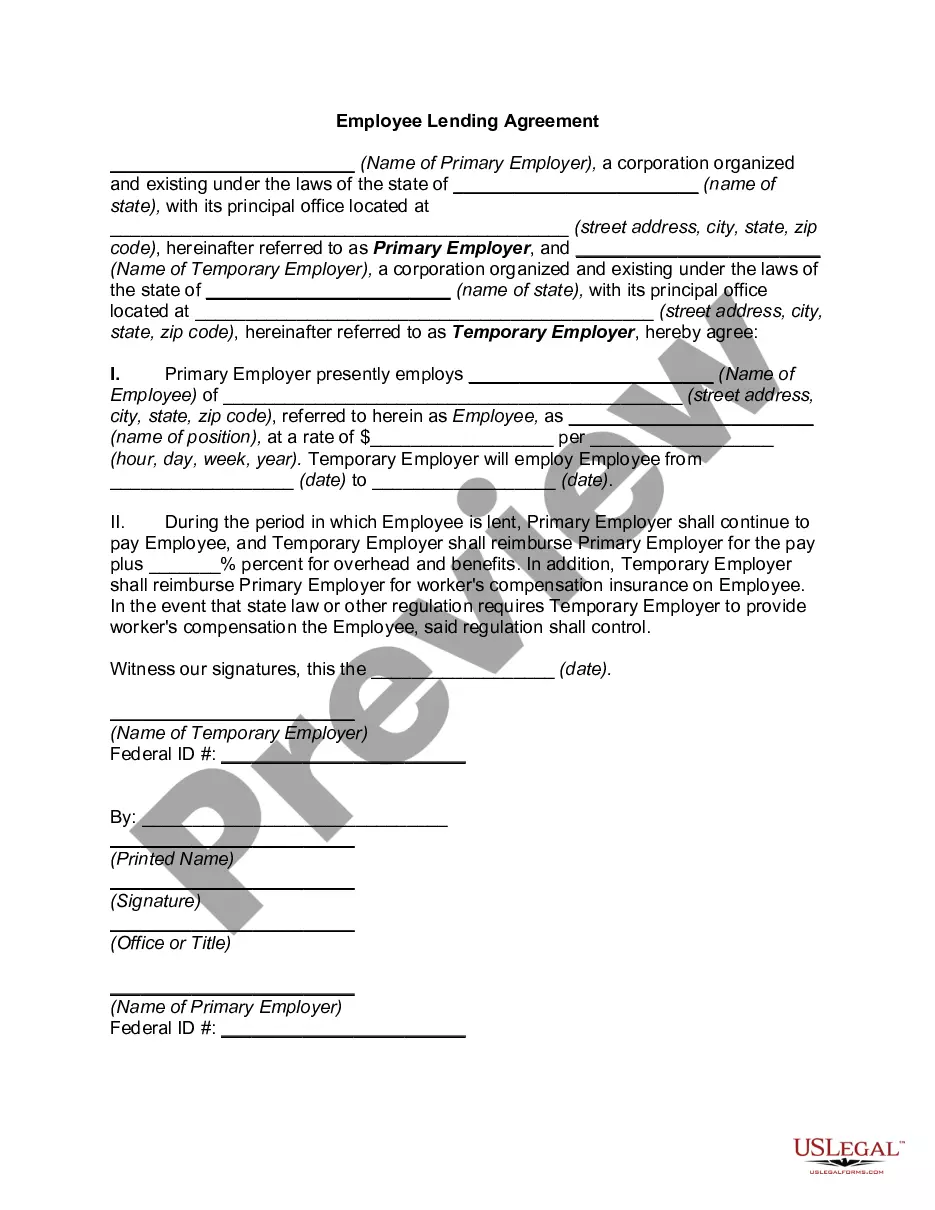
Lease Employee Agreement With Trust In Nevada
Description

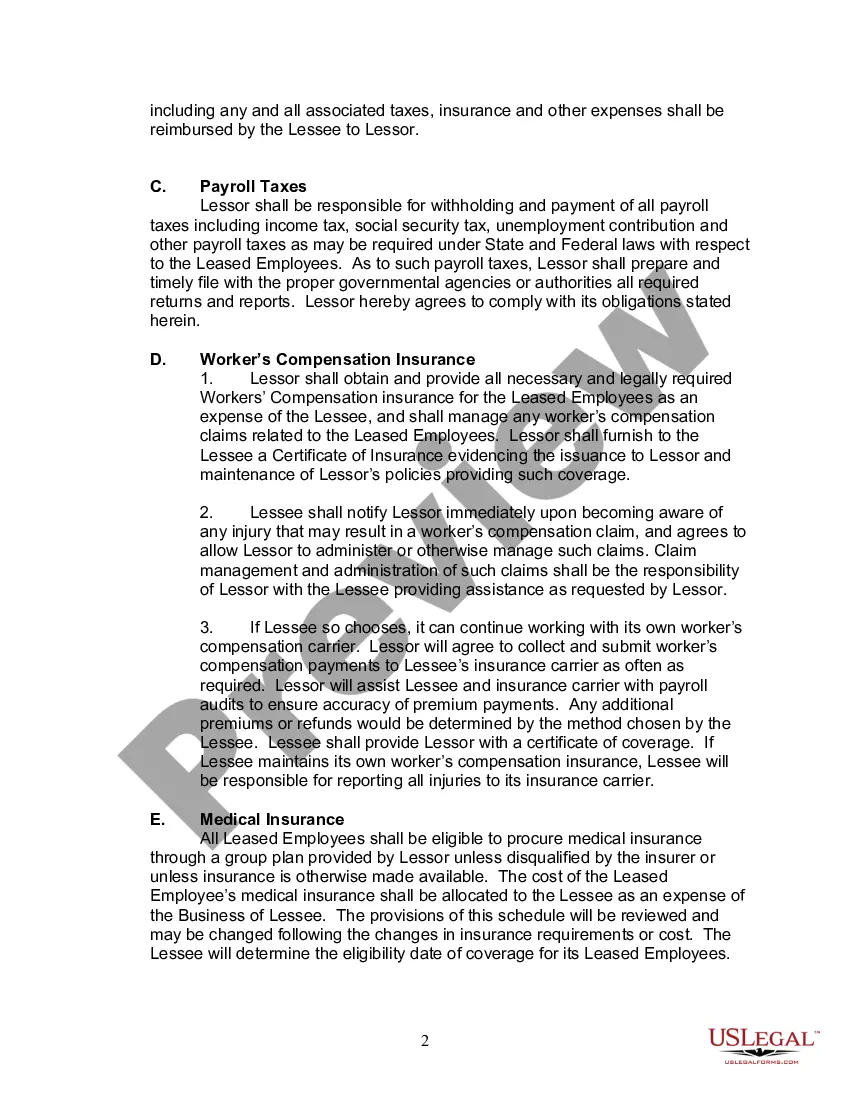
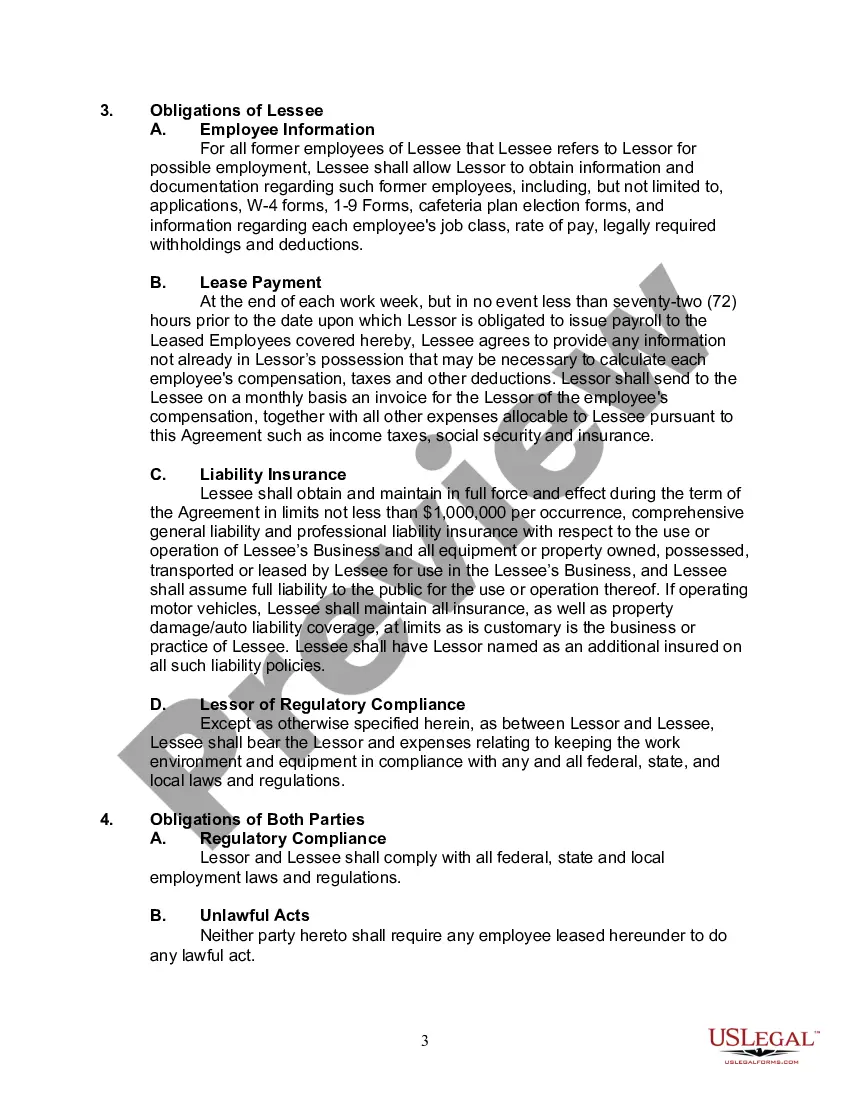
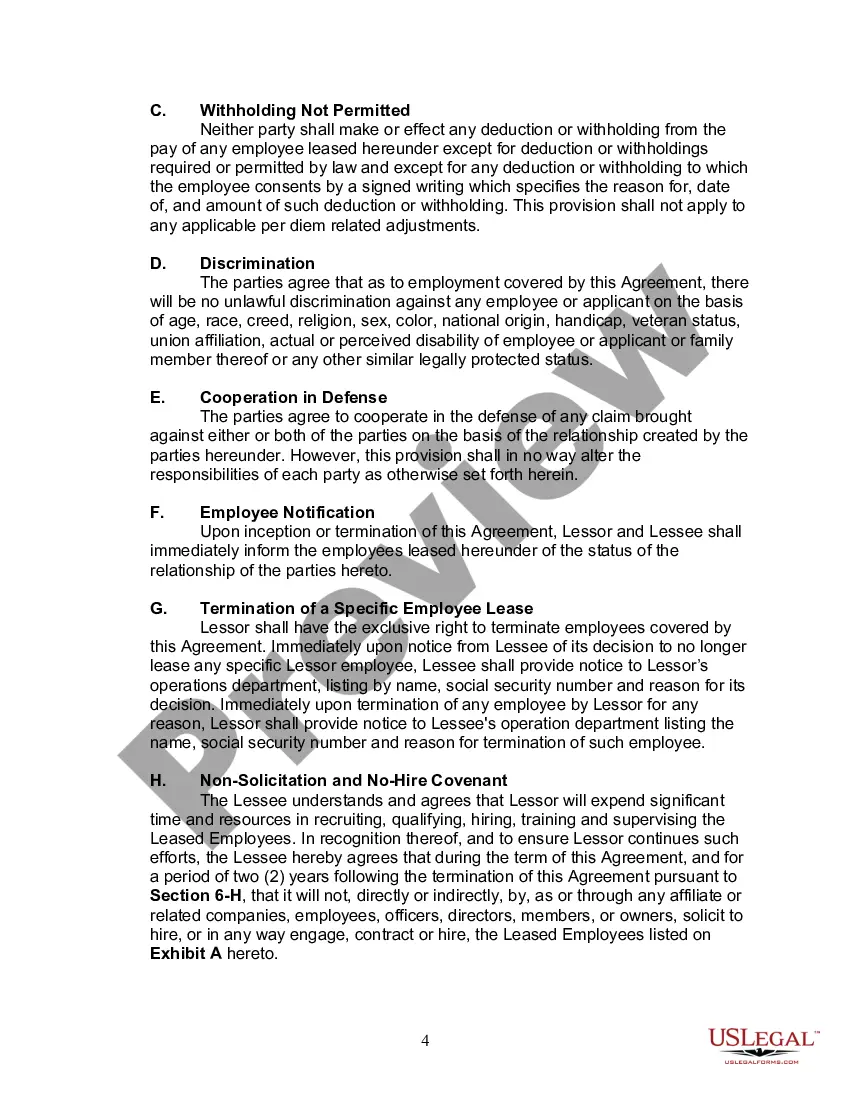
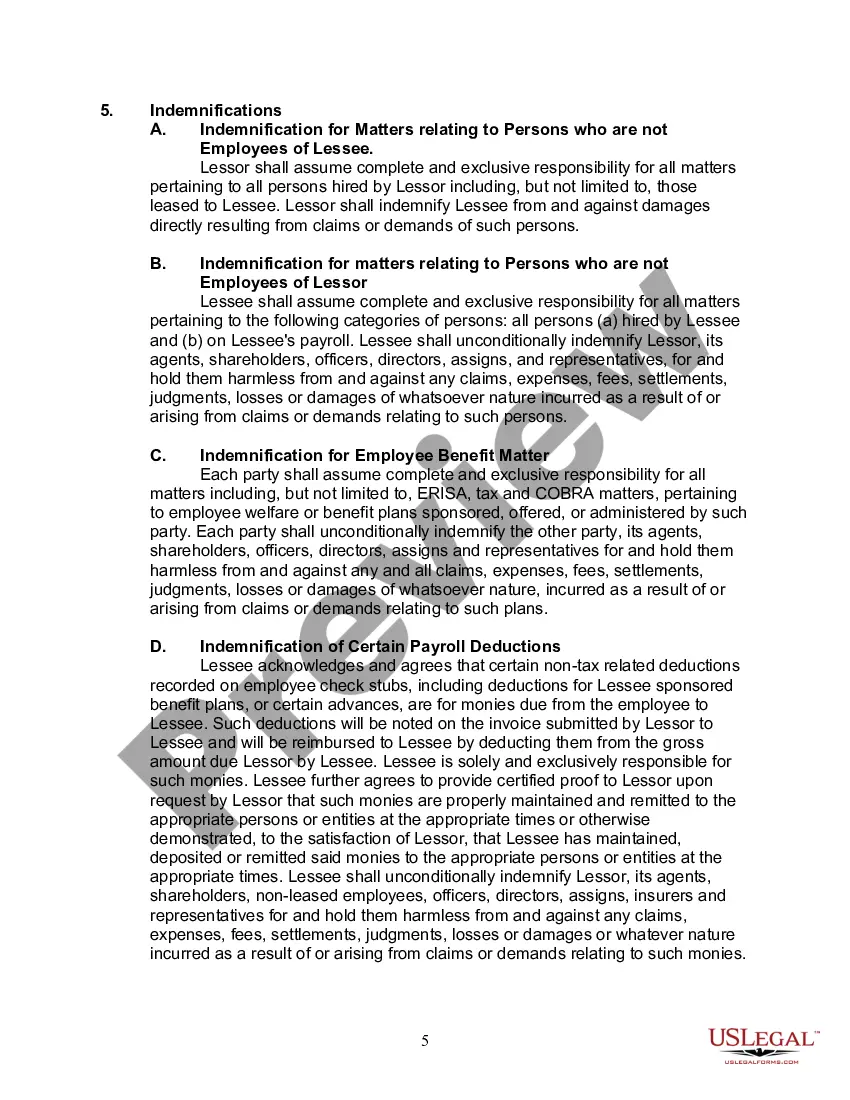
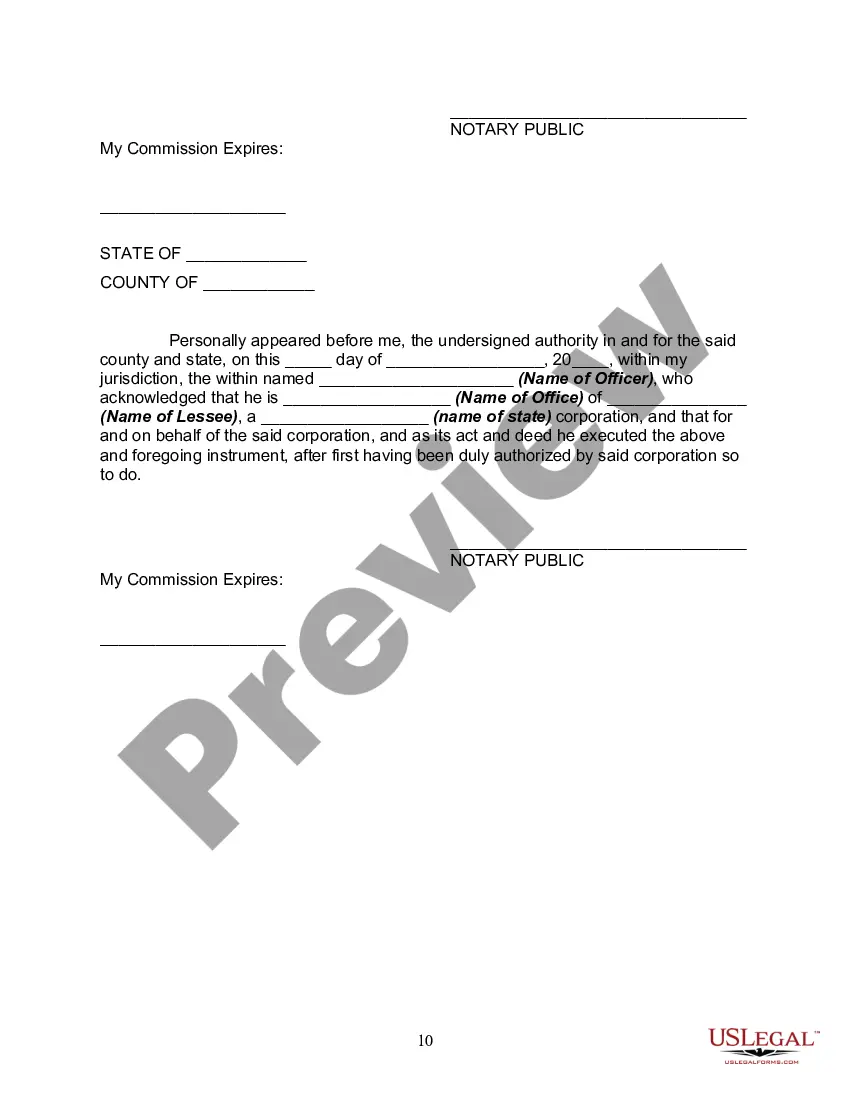
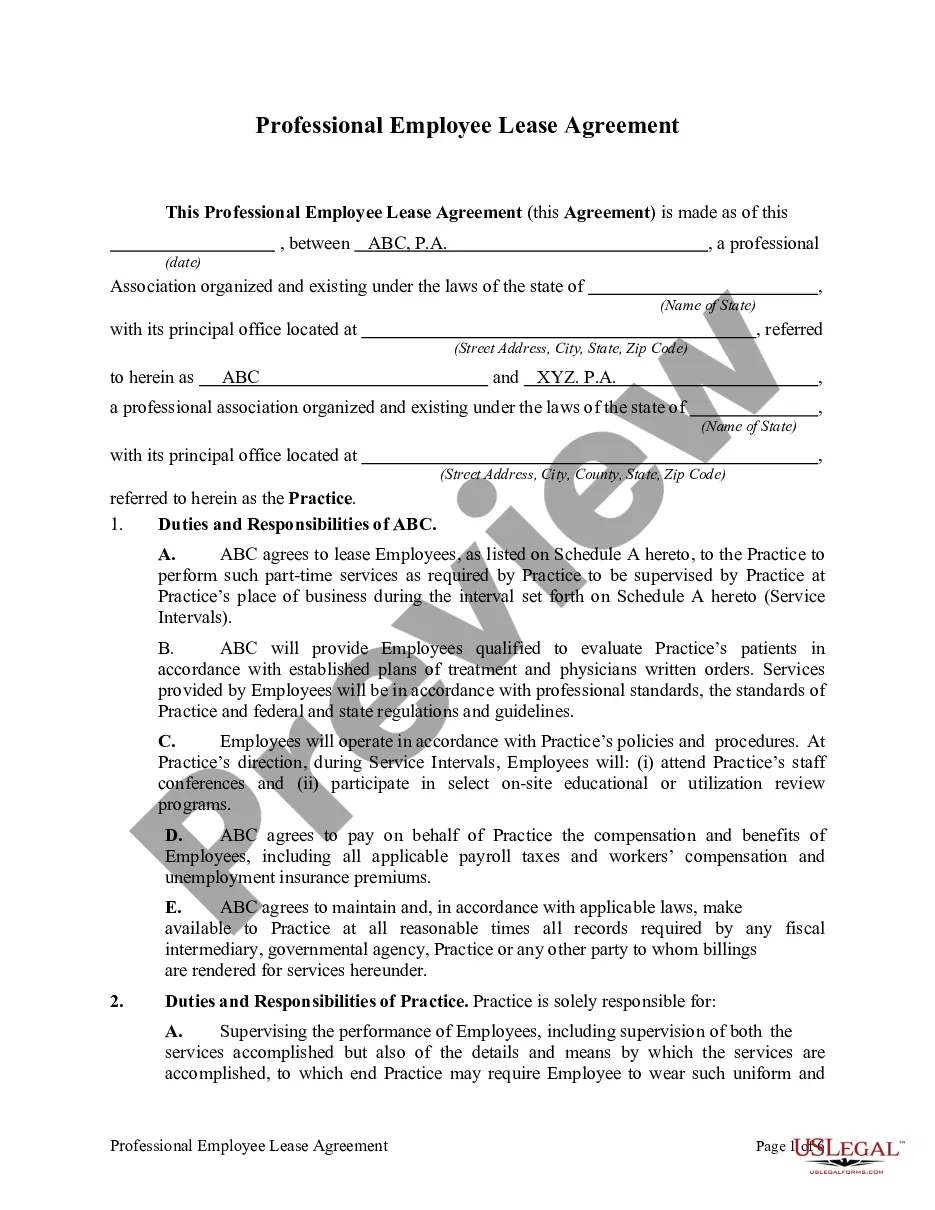
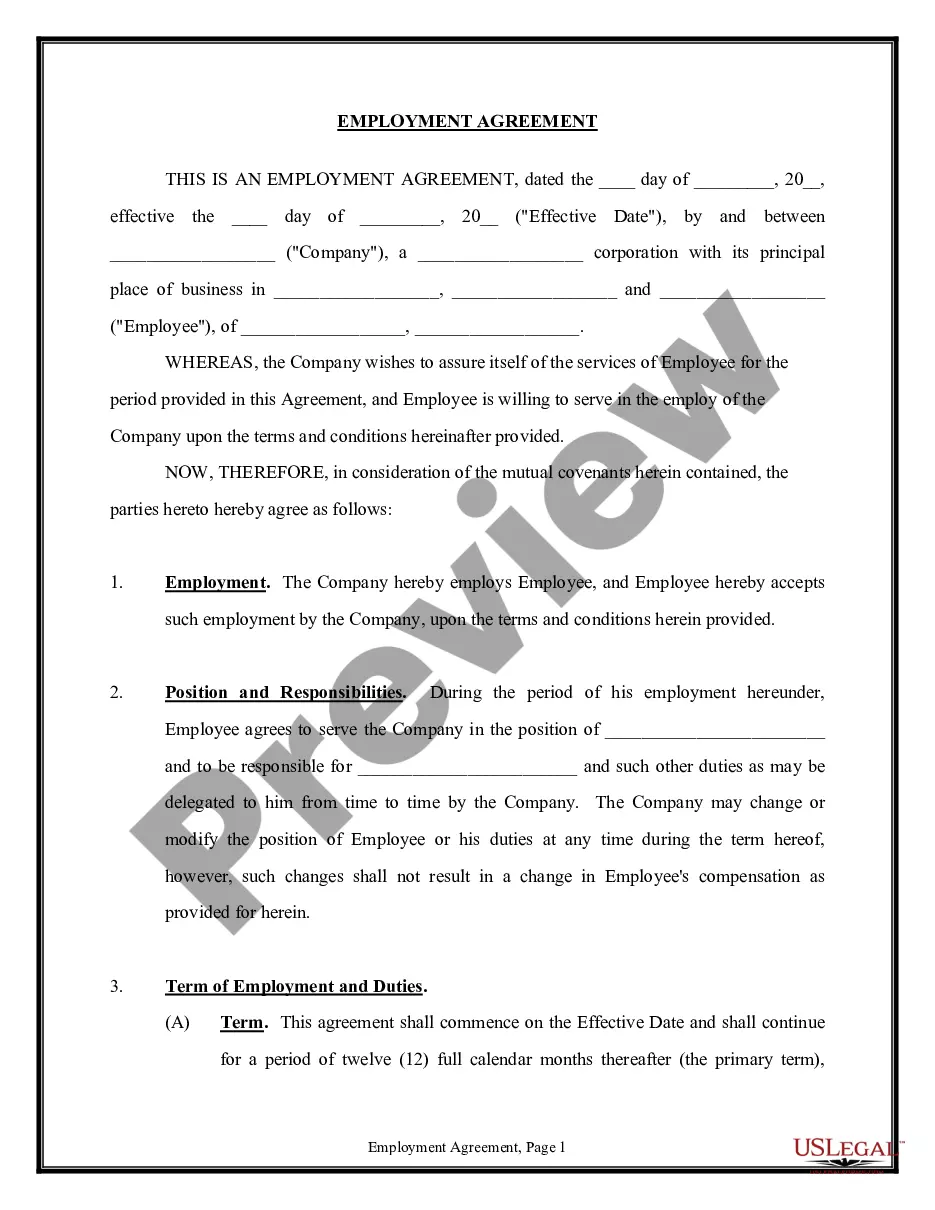
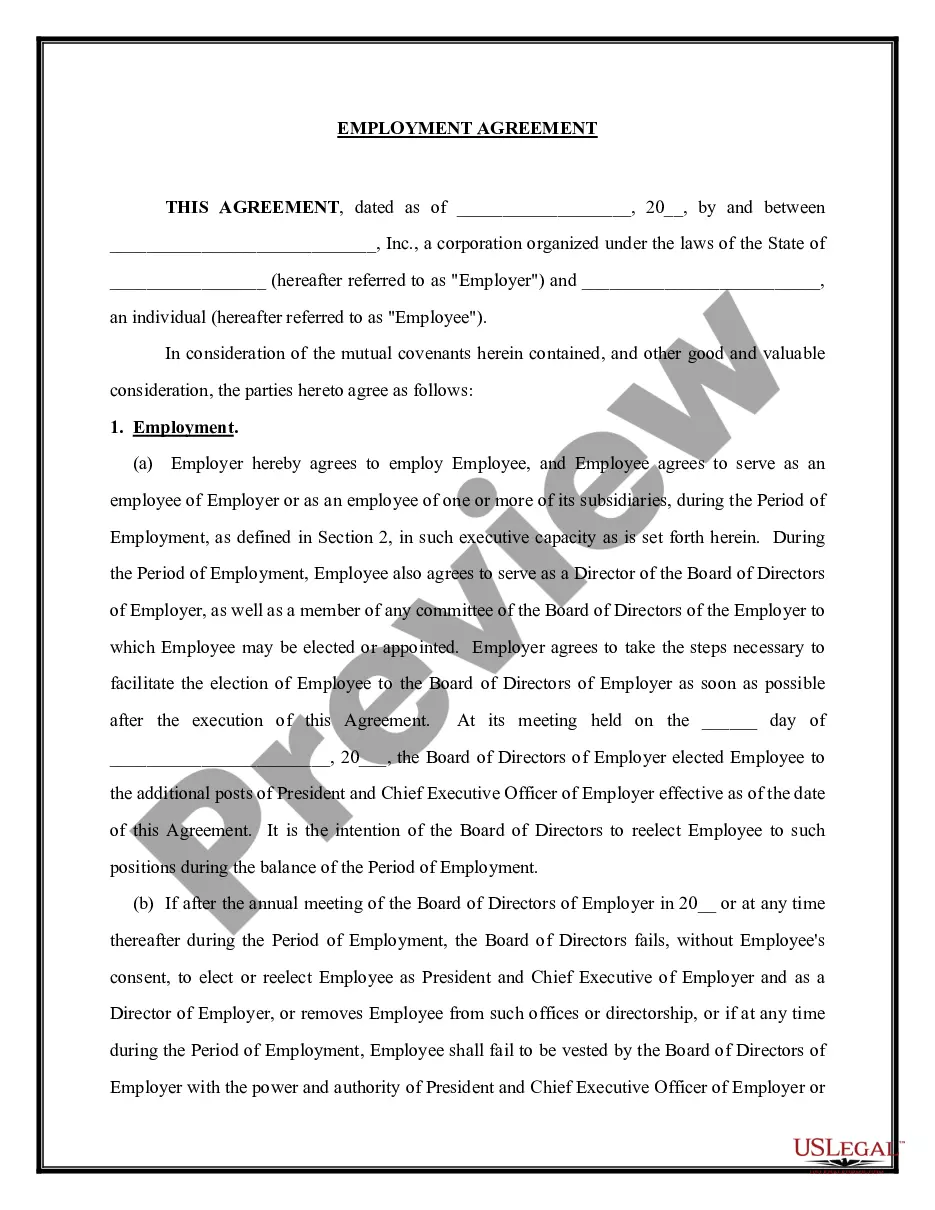
Get your form ready online
Our built-in tools help you complete, sign, share, and store your documents in one place.
Make edits, fill in missing information, and update formatting in US Legal Forms—just like you would in MS Word.
Download a copy, print it, send it by email, or mail it via USPS—whatever works best for your next step.
Sign and collect signatures with our SignNow integration. Send to multiple recipients, set reminders, and more. Go Premium to unlock E-Sign.
If this form requires notarization, complete it online through a secure video call—no need to meet a notary in person or wait for an appointment.
We protect your documents and personal data by following strict security and privacy standards.

Make edits, fill in missing information, and update formatting in US Legal Forms—just like you would in MS Word.

Download a copy, print it, send it by email, or mail it via USPS—whatever works best for your next step.

Sign and collect signatures with our SignNow integration. Send to multiple recipients, set reminders, and more. Go Premium to unlock E-Sign.

If this form requires notarization, complete it online through a secure video call—no need to meet a notary in person or wait for an appointment.

We protect your documents and personal data by following strict security and privacy standards.
Looking for another form?




Form popularity
FAQ
A corporation is a “distinct legal entity,” with “legal rights, obligations, powers, and privileges” independent of the “natural individuals who created it.” A trust isn't an entity at all; it is a “fiduciary relationship between multiple people.” A trust lacks many characteristics of corporate personhood.
A party to a contract is a business or individual who gets into a binding agreement with a different contracting party. The party accepts the benefits, obligations, and responsibilities specified in the agreement.
Ideally, when you contract with a trust, the agreement should be in the name of the trustee or trustees acting on behalf of the named trust. But where the trust is named as a party to the contract that does not render the contract invalid.
Only the trustees of the trust can hold title. As such, the landlord under a lease or other rental agreement needs to be the trustee(s) of the trust, not the trust itself.
The mortgagee is not a party to a deed of trust transaction. The key parties involved in a deed of trust are the beneficiary, trustor, and trustee.
California Law Independent of Trust Authorization: Under Probate Code §16247, the trustee has the power to hire persons, including accountants and auditors, even if they are associated or affiliated with the trustee, to advise or assist the trustee in the performance of administrative duties.
The court explained that the reason the trust itself cannot be a party is because it is not a legal “person” under California law. Only trustees of the trust are “persons.” A family living trust is primarily a probate avoidance device, though it may also have important tax benefits for the heirs.
Also, to create a valid Trust, the Grantor (or creator) of the Trust should have his or her signature witnessed by a Notary. However, Nevada law now allows a Will and Trust to be signed, witnessed, and notarized electronically, or virtually, and still be legally valid.
To make a living trust in Nevada, you: Choose whether to make an individual or shared trust. Decide what property to include in the trust. Choose a successor trustee. Decide who will be the trust's beneficiaries—that is, who will get the trust property. Create the trust document.
No state income taxes. No distributions from trust or consumption of principal or income.
