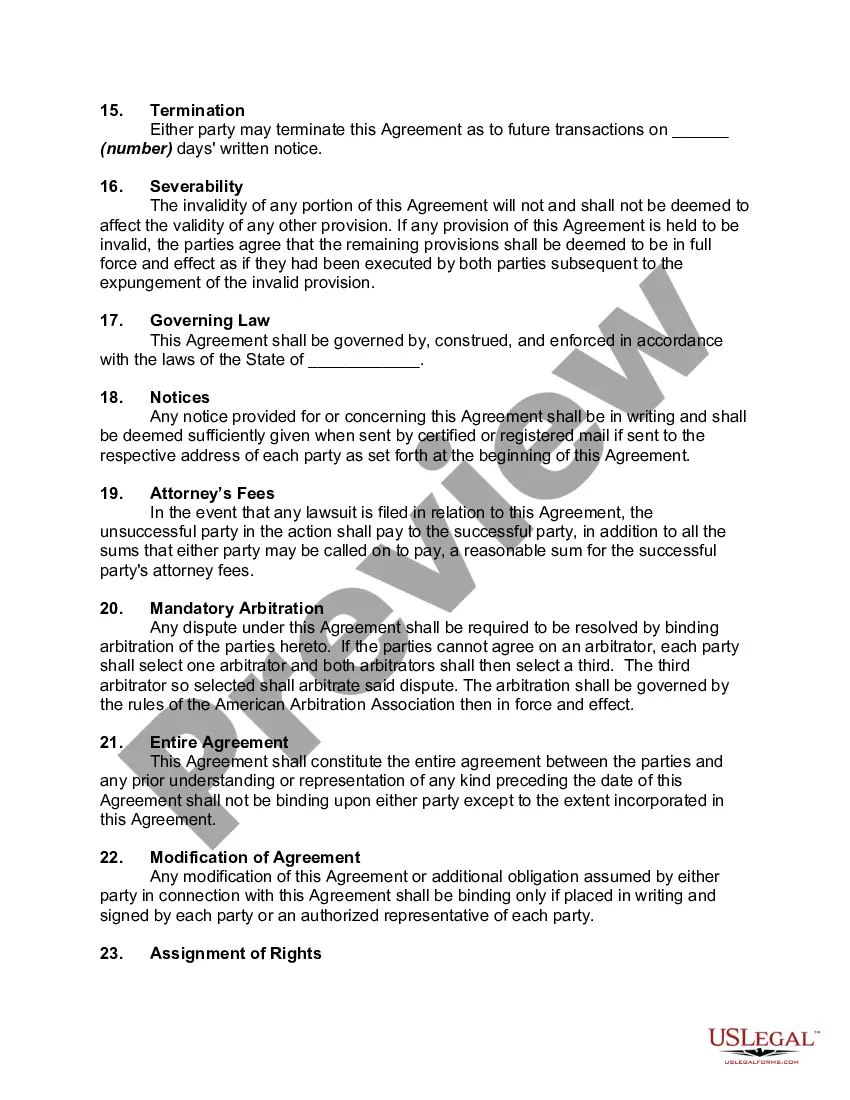
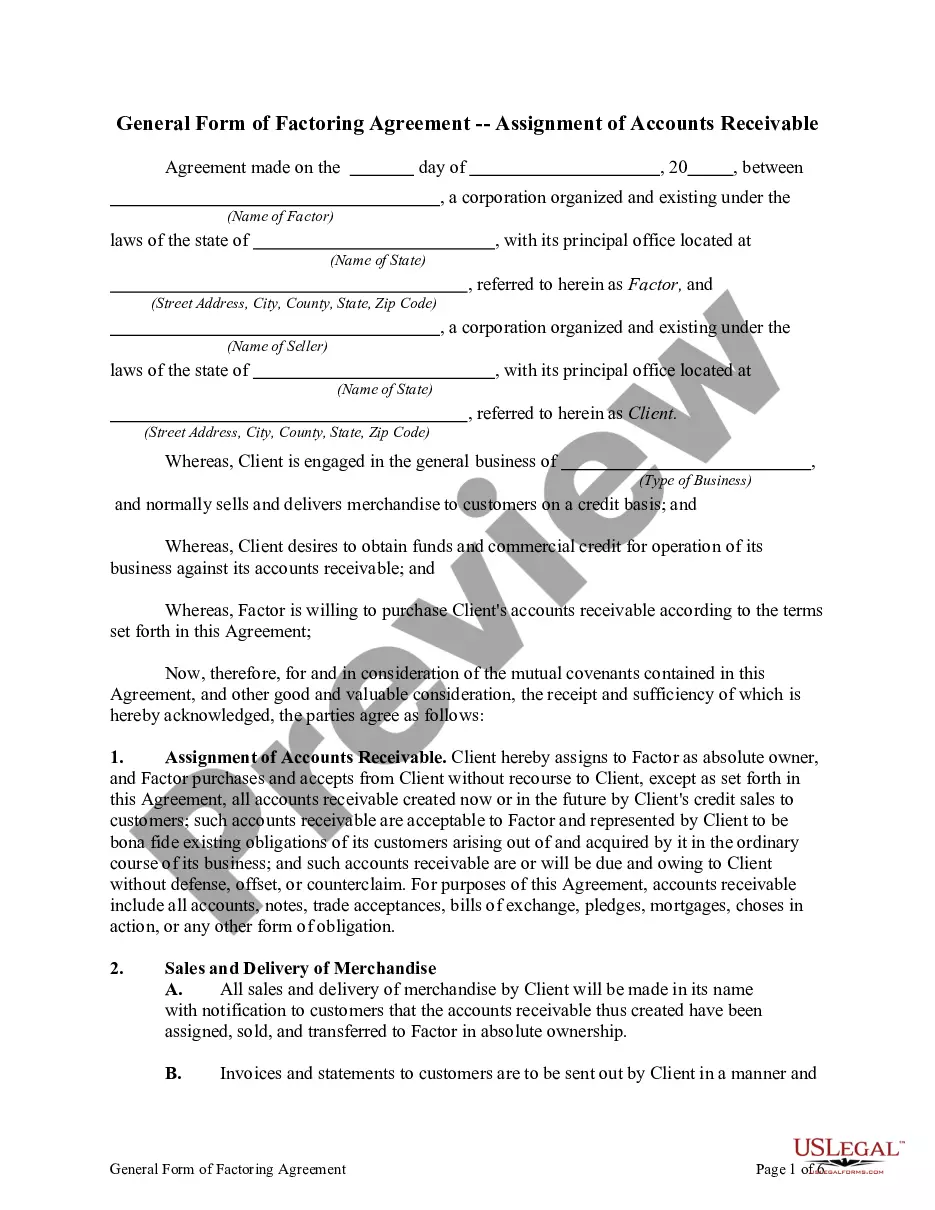
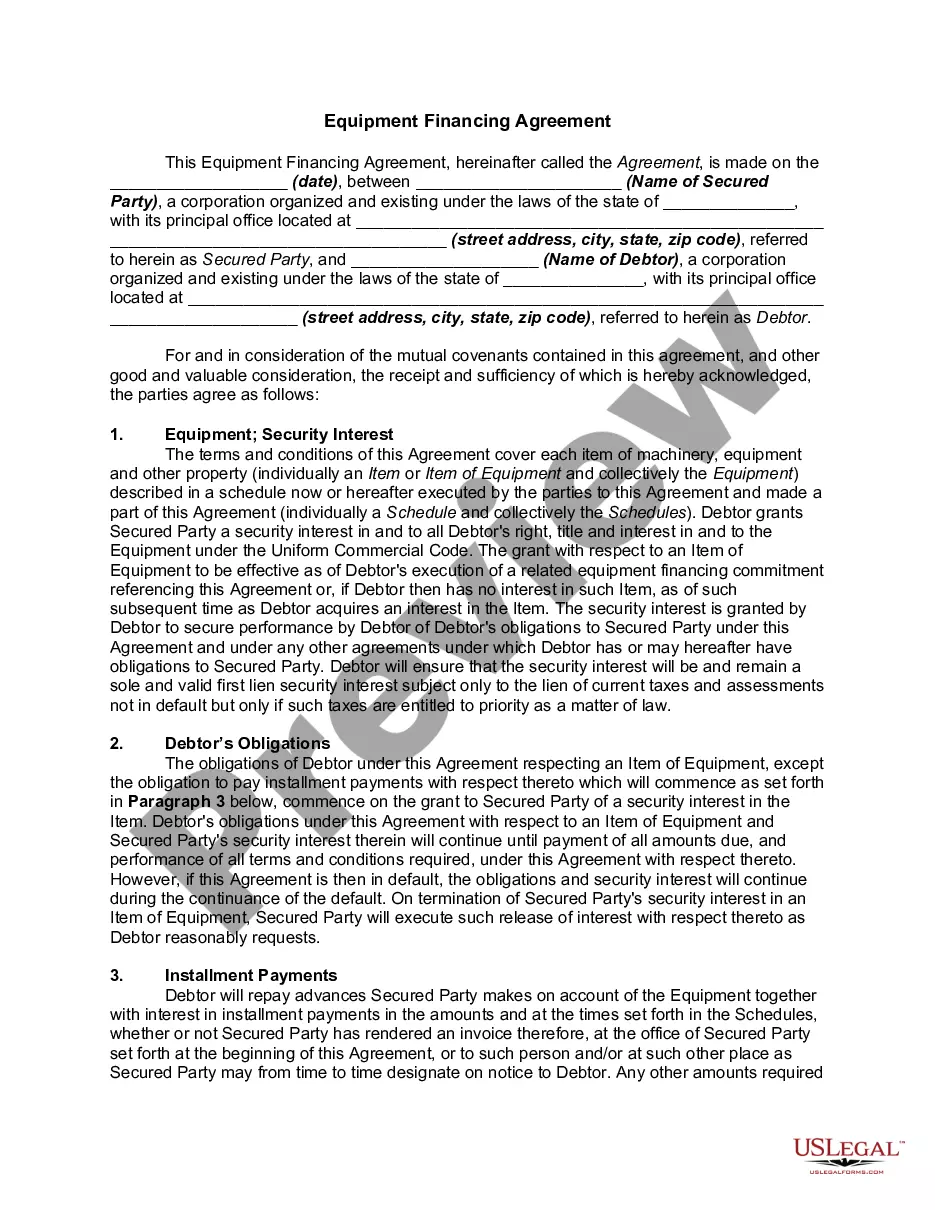
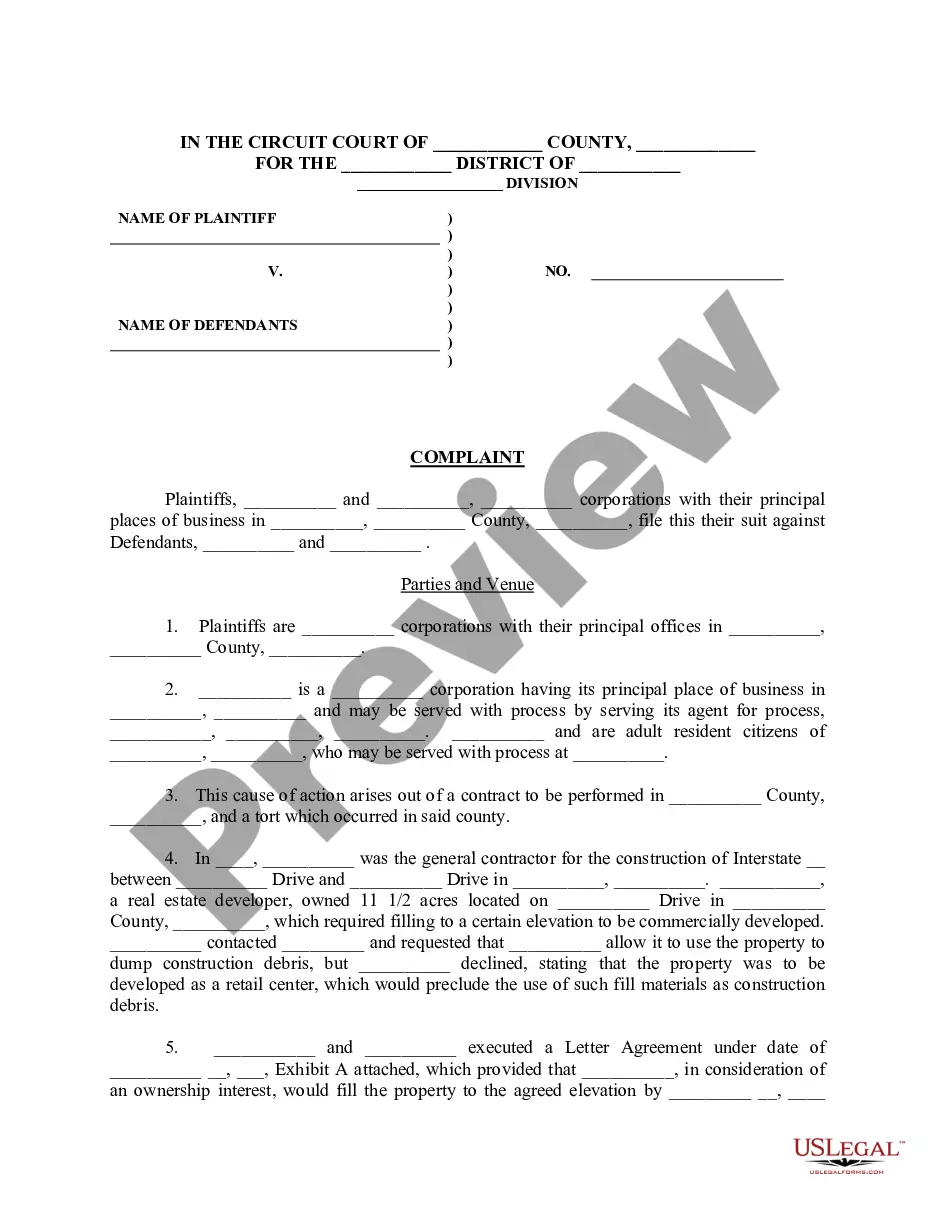
Factoring Agreement General Without Consent In Tarrant
Description


Get your form ready online
Our built-in tools help you complete, sign, share, and store your documents in one place.
Make edits, fill in missing information, and update formatting in US Legal Forms—just like you would in MS Word.
Download a copy, print it, send it by email, or mail it via USPS—whatever works best for your next step.
Sign and collect signatures with our SignNow integration. Send to multiple recipients, set reminders, and more. Go Premium to unlock E-Sign.
If this form requires notarization, complete it online through a secure video call—no need to meet a notary in person or wait for an appointment.
We protect your documents and personal data by following strict security and privacy standards.

Make edits, fill in missing information, and update formatting in US Legal Forms—just like you would in MS Word.

Download a copy, print it, send it by email, or mail it via USPS—whatever works best for your next step.

Sign and collect signatures with our SignNow integration. Send to multiple recipients, set reminders, and more. Go Premium to unlock E-Sign.

If this form requires notarization, complete it online through a secure video call—no need to meet a notary in person or wait for an appointment.

We protect your documents and personal data by following strict security and privacy standards.
Looking for another form?







Form popularity
FAQ
The factoring agreement will also include representations that each factored account is bona fide and represents indebtedness incurred by the customer for goods actually sold and delivered to the customer; that there are no setoffs, offsets, or counterclaims against the account; that the account does not represent a ...
The Benefits of Factoring vs the Bad Debt Collection Process. Comparing invoice factoring to debt collections is not a real situation. A factoring company buys good invoices from credit-worthy customers while a debt collection agency typically attempts to collect from your financially struggling customers.
Once you have decided to switch freight factoring companies, you'll need to provide written notice to your current freight factoring company about your intention to terminate the agreement. The required notice period is most commonly 60 days, but some companies require more.
Leaving Your Current Factor You need to consider the fees associated with switching before committing to the change. Once you've decided to leave your current factor, you will need to give notice. All factoring companies require written notice to terminate the contract.
Without recourse is a phrase meaning that one party has no legal claim against another party. It is often used in two contexts: In litigation, someone without recourse against another party cannot file a lawsuit (sue) that party, or at least cannot obtain adequate relief even if a lawsuit moves forward.
Get a Release Letter: Once all obligations are fulfilled, ask for a release letter from the factoring company. This document should state that you have fulfilled all contractual obligations and that the factoring company has no further claim on your invoices or receivables.
There are two types of debts: recourse and nonrecourse. A recourse debt holds the borrower personally liable. All other debt is considered nonrecourse. In general, recourse debt (loans) allows lenders to collect what is owed for the debt even after they've taken collateral (home, credit cards).
Factoring is derived from a Latin term “facere” which means 'to make or do'. Factoring is an arrangement wherein the trade debts of a company are sold to a financial institution at a discount.
