Agreement General Form For Payment In Dallas
Description









Get your form ready online
Our built-in tools help you complete, sign, share, and store your documents in one place.
Make edits, fill in missing information, and update formatting in US Legal Forms—just like you would in MS Word.
Download a copy, print it, send it by email, or mail it via USPS—whatever works best for your next step.
Sign and collect signatures with our SignNow integration. Send to multiple recipients, set reminders, and more. Go Premium to unlock E-Sign.
If this form requires notarization, complete it online through a secure video call—no need to meet a notary in person or wait for an appointment.
We protect your documents and personal data by following strict security and privacy standards.

Make edits, fill in missing information, and update formatting in US Legal Forms—just like you would in MS Word.

Download a copy, print it, send it by email, or mail it via USPS—whatever works best for your next step.

Sign and collect signatures with our SignNow integration. Send to multiple recipients, set reminders, and more. Go Premium to unlock E-Sign.

If this form requires notarization, complete it online through a secure video call—no need to meet a notary in person or wait for an appointment.

We protect your documents and personal data by following strict security and privacy standards.
Looking for another form?

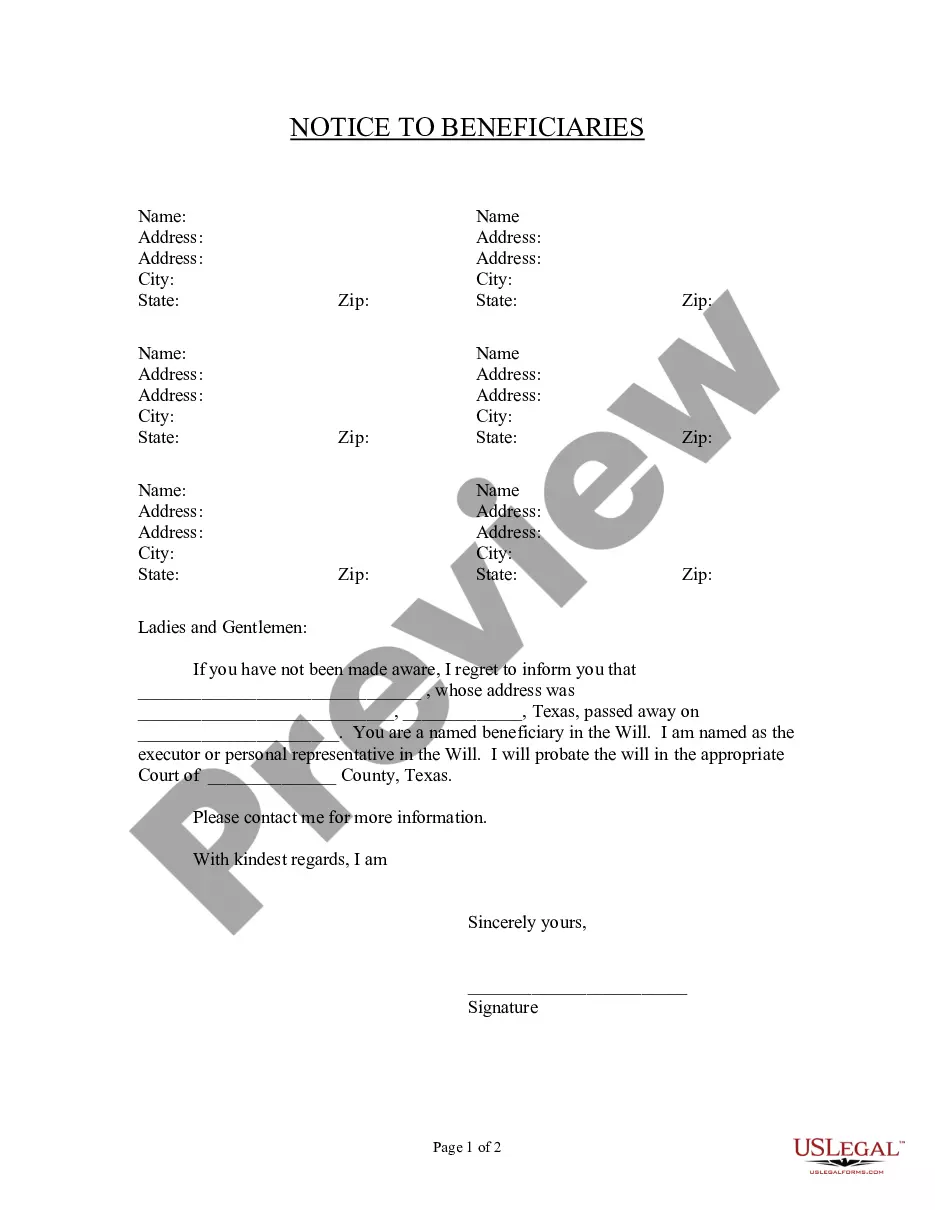
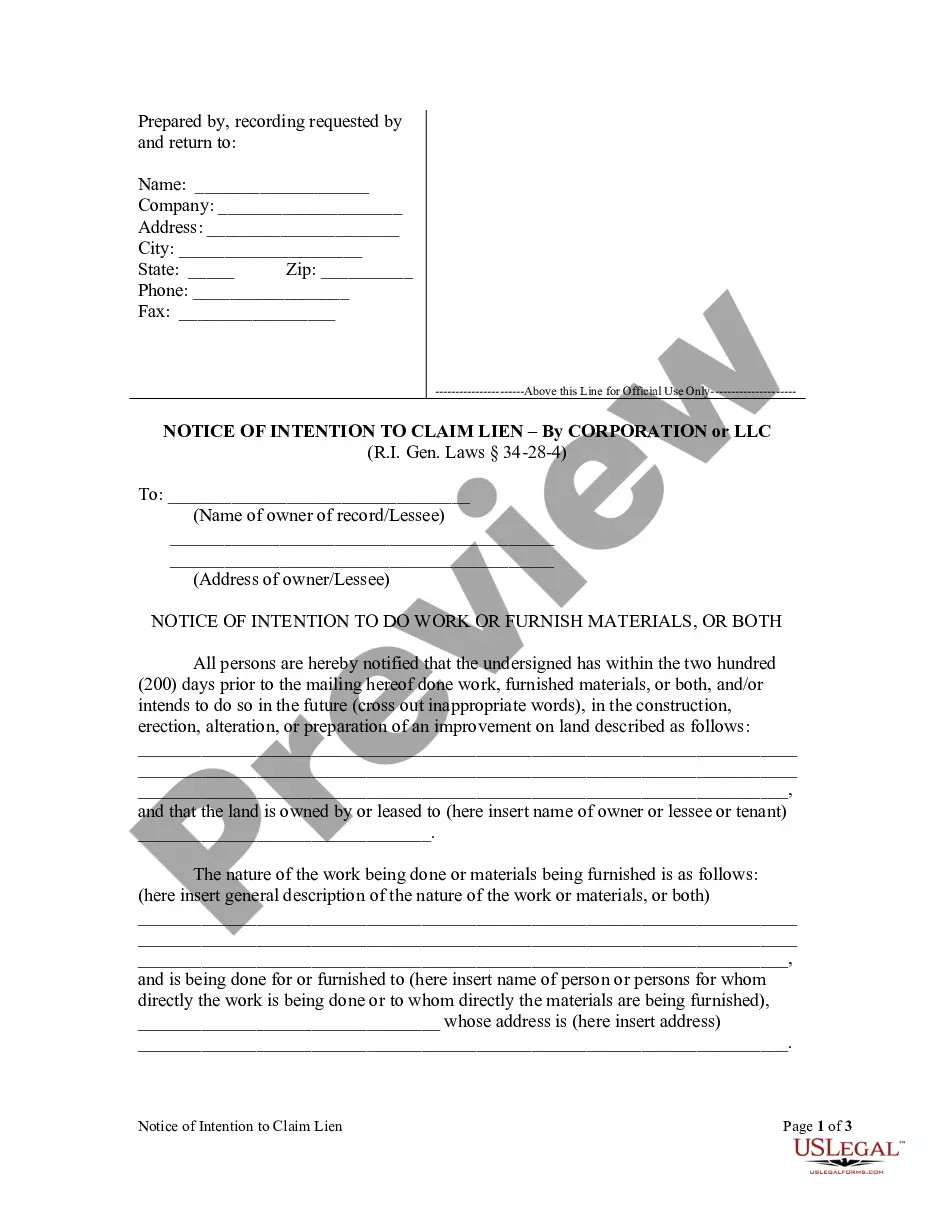


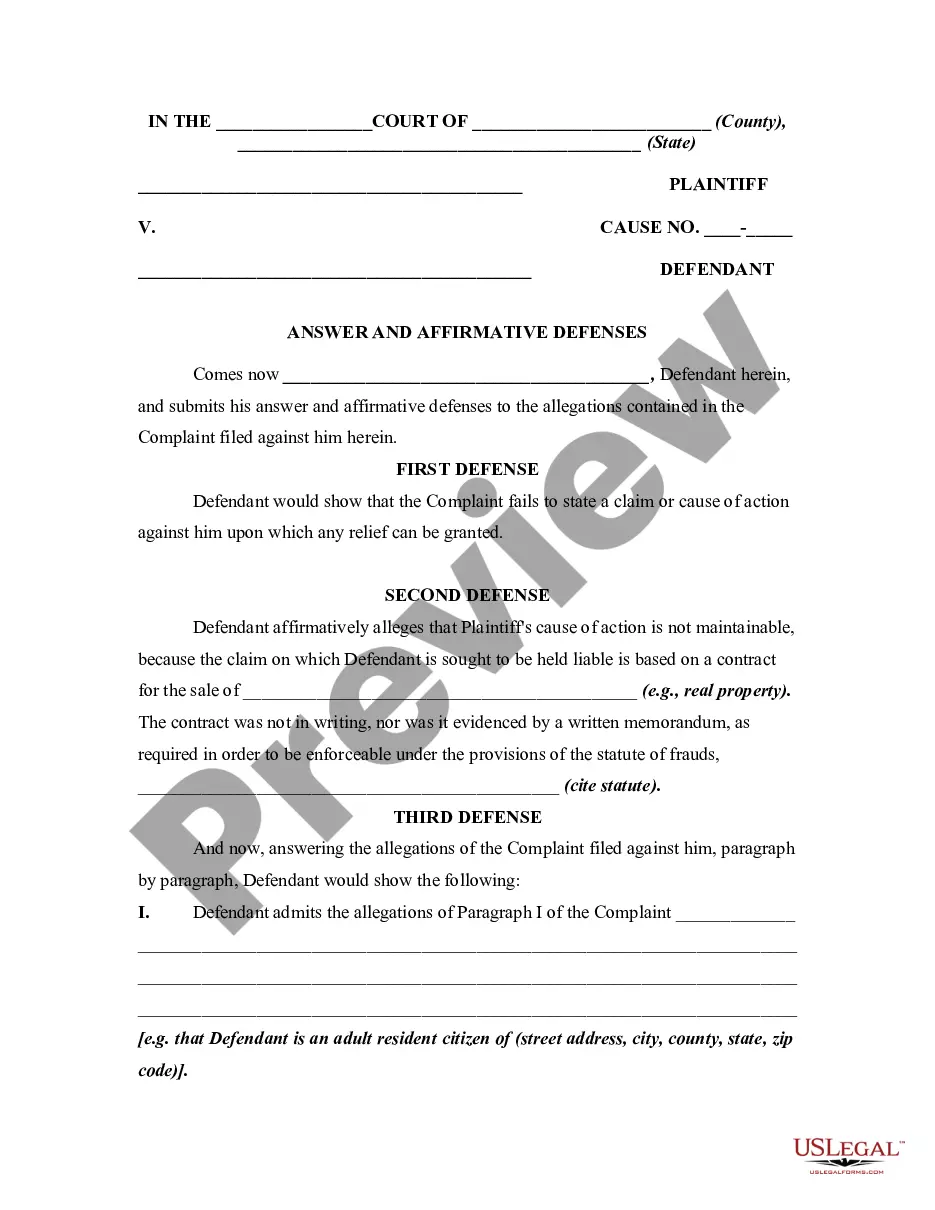
Form popularity
FAQ
A Texas affidavit serves as a written statement confirmed by oath or affirmation, commonly utilized in legal contexts to establish the truth of particular facts. Affidavits are pivotal in various legal processes, such as court disproving, real estate transactions, and family law matters.
Nonprosecution (countable and uncountable, plural nonprosecutions) A failure to prosecute.
Your mortgage company should send you a release of lien, and it must be filed with the County Clerk 214-653-7275.
An affidavit of non-prosecution serves as a formal declaration by the alleged victim that they do not wish to participate in the prosecution process. This document can be submitted to the prosecutor's office or the court as evidence of the victim's intentions not to cooperate. It must be notarized.
An affidavit of non-prosecution in Texas is a sworn statement made by an alleged crime victim expressing their desire for the accused not be prosecuted and for charges to be dismissed.
It is an affidavit (written, sworn statement) that outlines the decedent's family history and identifies the heirs. This is not filed in probate court. This is instead filed in the county records of where the decedent either lived or owned property when they passed away.
Write the contract in six steps Start with a contract template. Open with the basic information. Describe in detail what you have agreed to. Include a description of how the contract will be ended. Write into the contract which laws apply and how disputes will be resolved. Include space for signatures.
The lien affidavit must be signed, notarized, and filed in person at the county property records office where the project is located. A copy of the lien must be mailed to the property owner and general contractor by the 5th business day after filing a lien with the county.
With Texas Easy Lien, you can prepare your own construction lien and bond claim documents online. No expensive attorney, finding a notary or waiting. Within minutes, you can do it yourself and save thousands of dollars.
