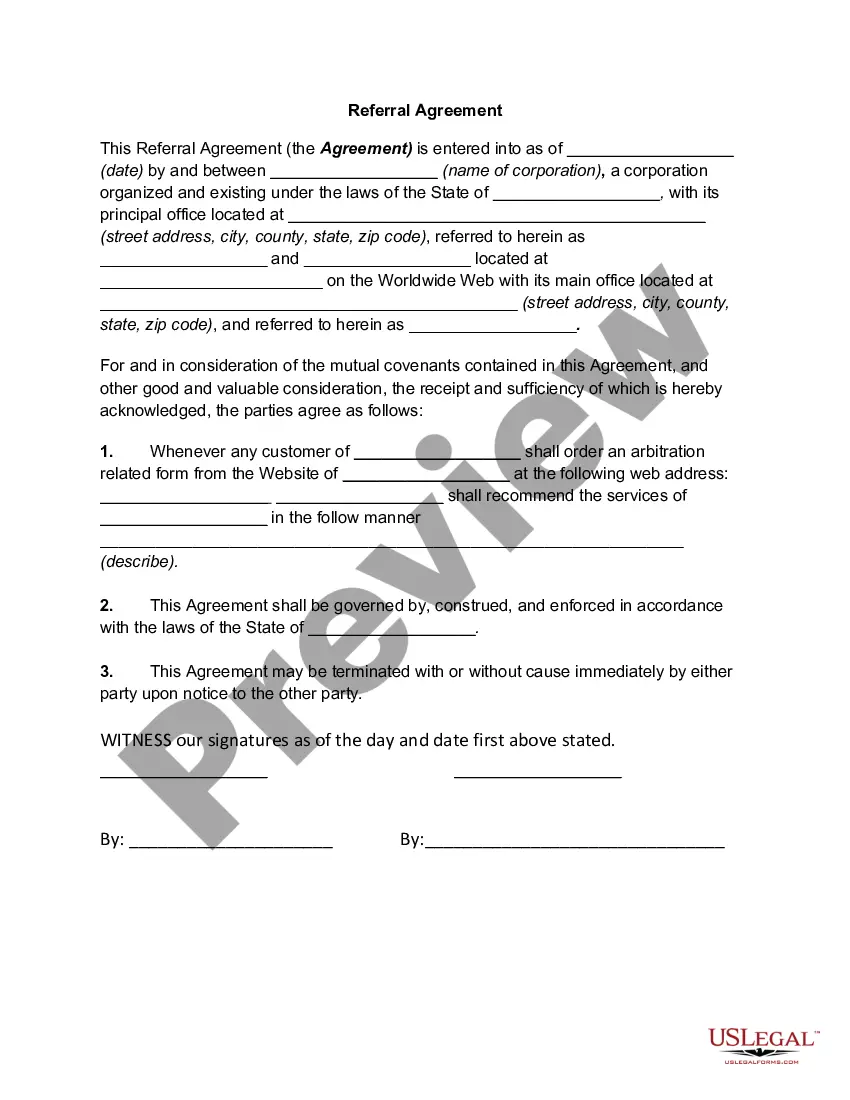
Equity Agreement Form Template With Pictures In Oakland
Description






Get your form ready online
Our built-in tools help you complete, sign, share, and store your documents in one place.
Make edits, fill in missing information, and update formatting in US Legal Forms—just like you would in MS Word.
Download a copy, print it, send it by email, or mail it via USPS—whatever works best for your next step.
Sign and collect signatures with our SignNow integration. Send to multiple recipients, set reminders, and more. Go Premium to unlock E-Sign.
If this form requires notarization, complete it online through a secure video call—no need to meet a notary in person or wait for an appointment.
We protect your documents and personal data by following strict security and privacy standards.

Make edits, fill in missing information, and update formatting in US Legal Forms—just like you would in MS Word.

Download a copy, print it, send it by email, or mail it via USPS—whatever works best for your next step.

Sign and collect signatures with our SignNow integration. Send to multiple recipients, set reminders, and more. Go Premium to unlock E-Sign.

If this form requires notarization, complete it online through a secure video call—no need to meet a notary in person or wait for an appointment.

We protect your documents and personal data by following strict security and privacy standards.
Looking for another form?







Form popularity
FAQ
Community agreements are statements that guide how members of a classroom community (students, instructors, teaching assistants) aspire to work and interact with each other.
Community Agreements Be Curious, Open, and Respectful - call in not out/throw sunshine not shade. No one knows everything - together we know a lot. We can't be articulate all the time - give the benefit of the doubt and ask questions. We take care of ourselves - stretch, eat, drink, use restroom, rest, etc.
Small Group Method Break students into groups of three or four. Go around the room and ask each group for their agreements. After all of the groups have given their proposed agreements, ask the entire class if there are any other ones that they would like to add to the board. Open the list up for discussion.
Some common working agreements that often surface in meeting/training groups: All ideas are valid. Differences of opinion are natural and useful. Speak from own personal experience. All are responsible for the process. Everyone gets to participate; be aware of 'air time' Respect confidentiality when appropriate.
COMMUNITY SERVICE AGREEMENT. (Faith-Based Organizations) This agreement is made this day of by and between the. (Program) and (Organization). This agreement is intended to delineate the responsibilities of each party.
We Agree To: Practice active and empathetic listening. Our attention is valuable. Challenge the idea, not the person. Take space and make space. Stories stay, lessons leave. Use “I” statements. One microphone. Be here now.
Creating a group agreement Explain the purpose of the group agreement. Make space for people to reflect on what they need. Give everyone the chance to feedback. Use the suggestions to create potential groundrules. Edit the suggestions until everyone is happy. Test for agreement. Implement the group agreement!
Agreements that work toward that end might include: Assess your participation “style”: move back/listen more or move in/share more. Ensure everyone in the room gets to speak without debate, reaction or response. Ensure everyone has had the chance to speak at least once, before anyone speaks twice.
Equity agreements allow entrepreneurs to secure funding for their start-up by giving up a portion of ownership of their company to investors. In short, these arrangements typically involve investors providing capital in exchange for shares of stock which they will hold and potentially sell in the future for a profit.
Draft the equity agreement, detailing the company's capital structure, the number of shares to be offered, the rights of the shareholders, and other details. Consult legal and financial advisors to ensure that the equity agreement is in line with all applicable laws and regulations.