Equity Agreement Contract With Consultant In Maricopa
Description






Get your form ready online
Our built-in tools help you complete, sign, share, and store your documents in one place.
Make edits, fill in missing information, and update formatting in US Legal Forms—just like you would in MS Word.
Download a copy, print it, send it by email, or mail it via USPS—whatever works best for your next step.
Sign and collect signatures with our SignNow integration. Send to multiple recipients, set reminders, and more. Go Premium to unlock E-Sign.
If this form requires notarization, complete it online through a secure video call—no need to meet a notary in person or wait for an appointment.
We protect your documents and personal data by following strict security and privacy standards.

Make edits, fill in missing information, and update formatting in US Legal Forms—just like you would in MS Word.

Download a copy, print it, send it by email, or mail it via USPS—whatever works best for your next step.

Sign and collect signatures with our SignNow integration. Send to multiple recipients, set reminders, and more. Go Premium to unlock E-Sign.

If this form requires notarization, complete it online through a secure video call—no need to meet a notary in person or wait for an appointment.

We protect your documents and personal data by following strict security and privacy standards.
Looking for another form?






Form popularity
FAQ
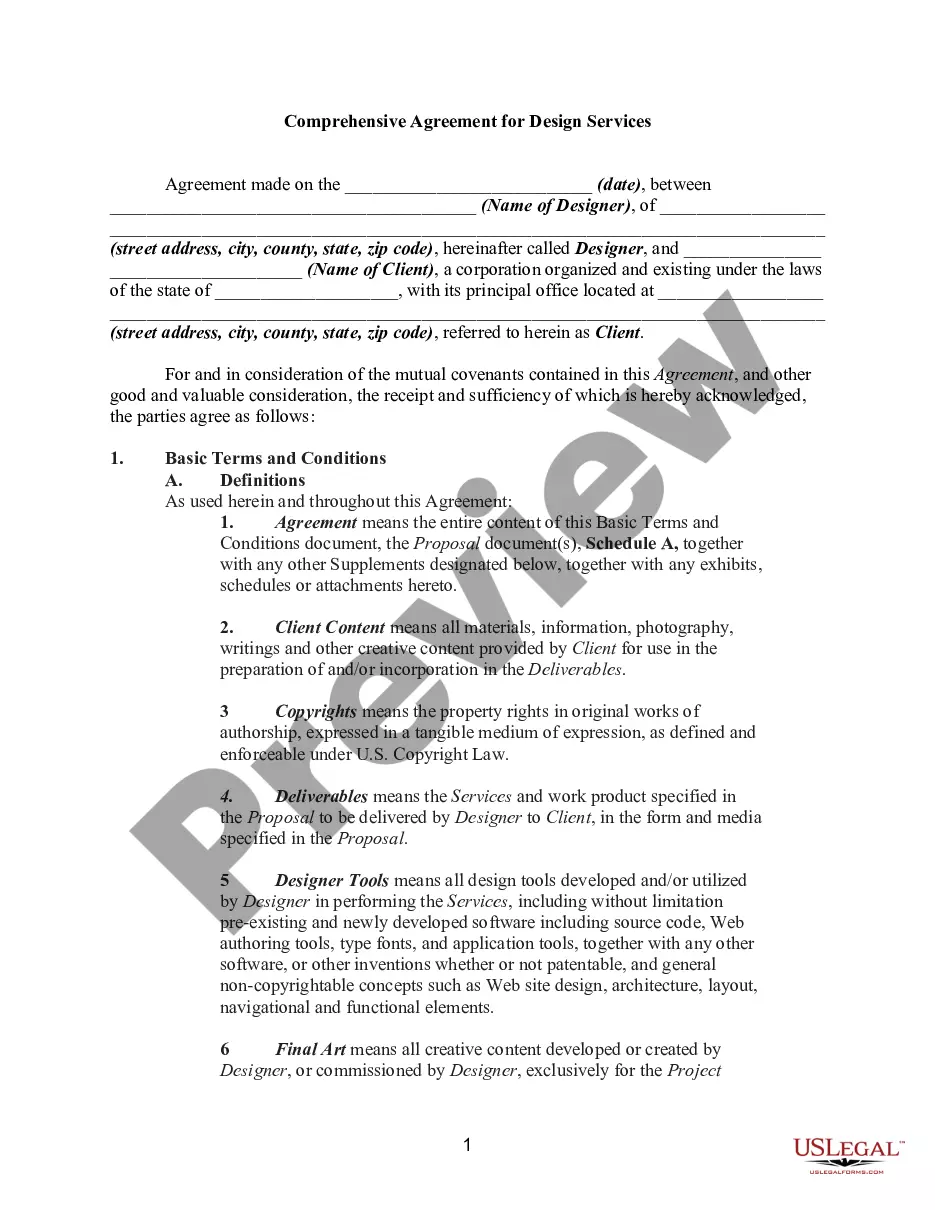
Provisions of the Agreement and Duties and Obligations Created Scope of Work, Compensation. Independent Contractor. Term and Termination. Rights and Data. Conflict of Interest, Non-Solicitation. Miscellaneous Provisions.
Consultants usually come in with a hierarchy—at the top is the partner, followed by the project manager, and then the junior consultants or analysts who do the heavy lifting. The partner is the face of the firm, but let's be real: they're not doing the day-to-day work.
The consultant doesn't implement the strategies they suggest. The client puts the suggestions into action. On the other hand, a contractor performs the work for their clients. A typical contract stipulates that they're responsible for completing a defined set of tasks in the way the client wants.
The most common is when a commercial organisation needs to draw on technical expertise or facilities they don't have in-house. It can include solving problems, evaluating technology, testing materials or samples, providing training and workshops to staff, thought leadership, or sitting on an advisory board.
A consultancy agreement allows two parties to engage in a business relationship where one side works as an external consultant. A consultant can be either an individual or a company.
Follow these five steps to take to do to set yourself up for future contract opportunities. Consider Your Options and Plan Ahead. While it's natural to worry, it's better to plan out your options. Keep Potential Clients Informed. Use Your Network. Build Your Own Opportunities. Always Be Proactive.
A consulting agreement is by nature a short-term arrangement, and while it could be as much as 1-3 years, your consultant is going to want to move to a new opportunity once the project is complete.