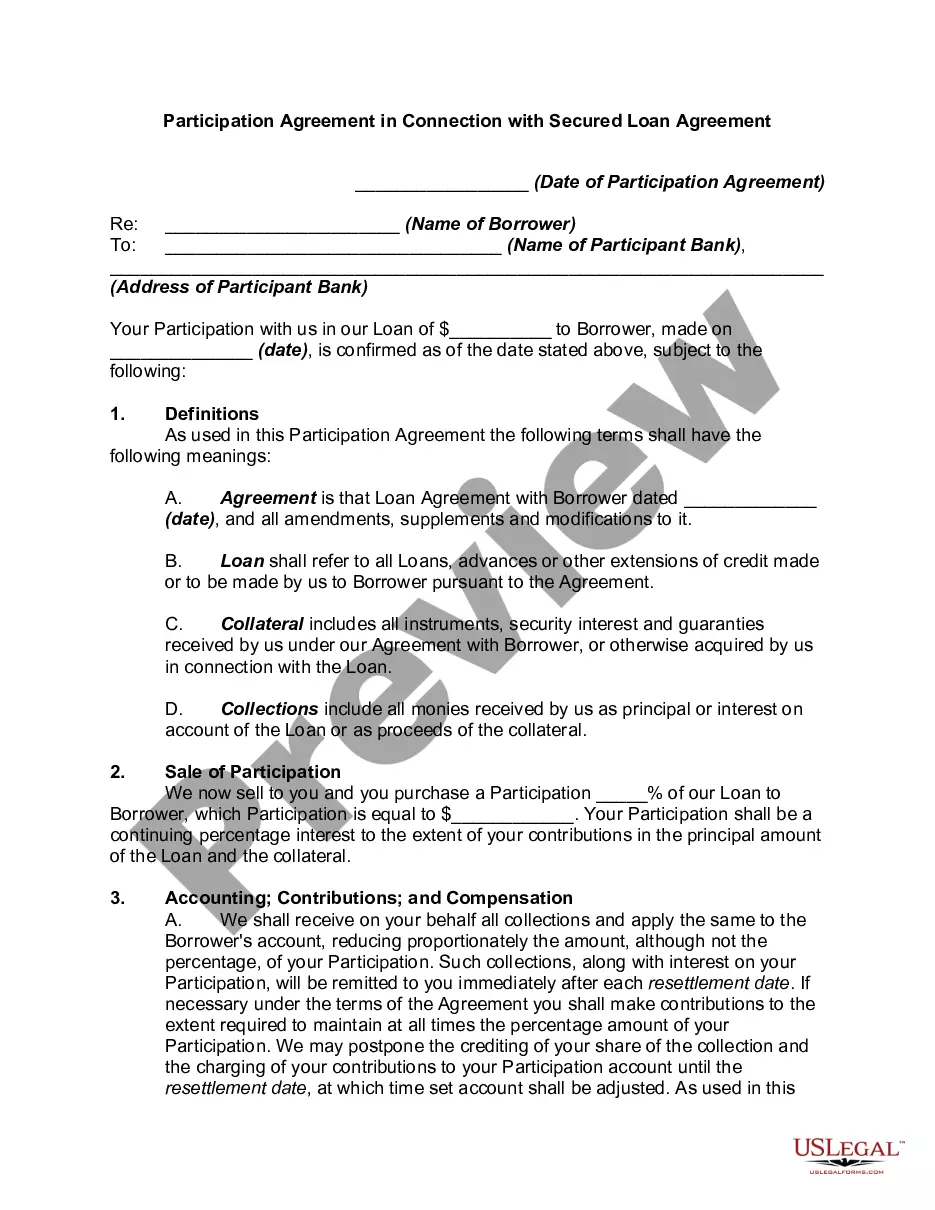
Simple Cost Sharing Agreement With 529 In Fulton
Description






Get your form ready online
Our built-in tools help you complete, sign, share, and store your documents in one place.
Make edits, fill in missing information, and update formatting in US Legal Forms—just like you would in MS Word.
Download a copy, print it, send it by email, or mail it via USPS—whatever works best for your next step.
Sign and collect signatures with our SignNow integration. Send to multiple recipients, set reminders, and more. Go Premium to unlock E-Sign.
If this form requires notarization, complete it online through a secure video call—no need to meet a notary in person or wait for an appointment.
We protect your documents and personal data by following strict security and privacy standards.

Make edits, fill in missing information, and update formatting in US Legal Forms—just like you would in MS Word.

Download a copy, print it, send it by email, or mail it via USPS—whatever works best for your next step.

Sign and collect signatures with our SignNow integration. Send to multiple recipients, set reminders, and more. Go Premium to unlock E-Sign.

If this form requires notarization, complete it online through a secure video call—no need to meet a notary in person or wait for an appointment.

We protect your documents and personal data by following strict security and privacy standards.
Looking for another form?








Form popularity
FAQ
Historical performance CategoryActive Growth PortfolioBenchmark 3 years 5.42% 5.49% 5 years 9.35% 9.01% 10 years 8.37% 7.96% Since inception 9.44% 8.79%2 more rows
Closing the Savings Gap For instance, if you opened a 529 account for a newborn this year and contributed $250 a month, Vanguard's college savings calculator estimates you'd have more than $113,000 when your child heads off to college in 18 years. That's more than double your $54,000 investment.
It's also important to document your spending for at least three years, in case the IRS asks for proof of your qualified withdrawals.
Ideally, you should save at least $250 per month if you anticipate your child attending an in-state college (four years, public), $450 per month for an out-of-state public four-year college, and $550 per month for a private non-profit four-year college, from birth to college enrollment.
If an investor opened a tax-deferred 529 account with an initial investment of $2,500 and contributed $100 every month for 18 years, the account could be worth over $6,300 more than with similar contributions into a taxable account.
Opening a 529 can be completed in (as little as) these four steps: Select a plan. You'll have to choose between a savings plan or a prepaid plan. Choose a beneficiary. This will likely be your child — but remember, you can change the beneficiary at any time without penalty. Open the account. Build your portfolio.
By superfunding your 529 plan with a lump-sum contribution of $50,000, in 18 years when your child is ready to enter college, your account balance will have increased to $120,331. By dividing $50,000 into monthly contributions of $231 instead, your account balance will have only increased to $81,509.
Georgia taxpayers may be eligible for a Georgia income tax deduction on contributions made to a Path2College 529 Plan up to $8,000 per year, per beneficiary for joint filers or $4,000 for individual filers per year.
The account owner of a 529 plan holds all of the legal power. They can change the beneficiary or liquidate the account (with penalty) at any time. This could be a disadvantage if the owner of your or your child's 529 plan has a change of heart about where to direct their investment.