Sample Contract Agreement For Architectural Services Philippines In Miami-Dade
Description

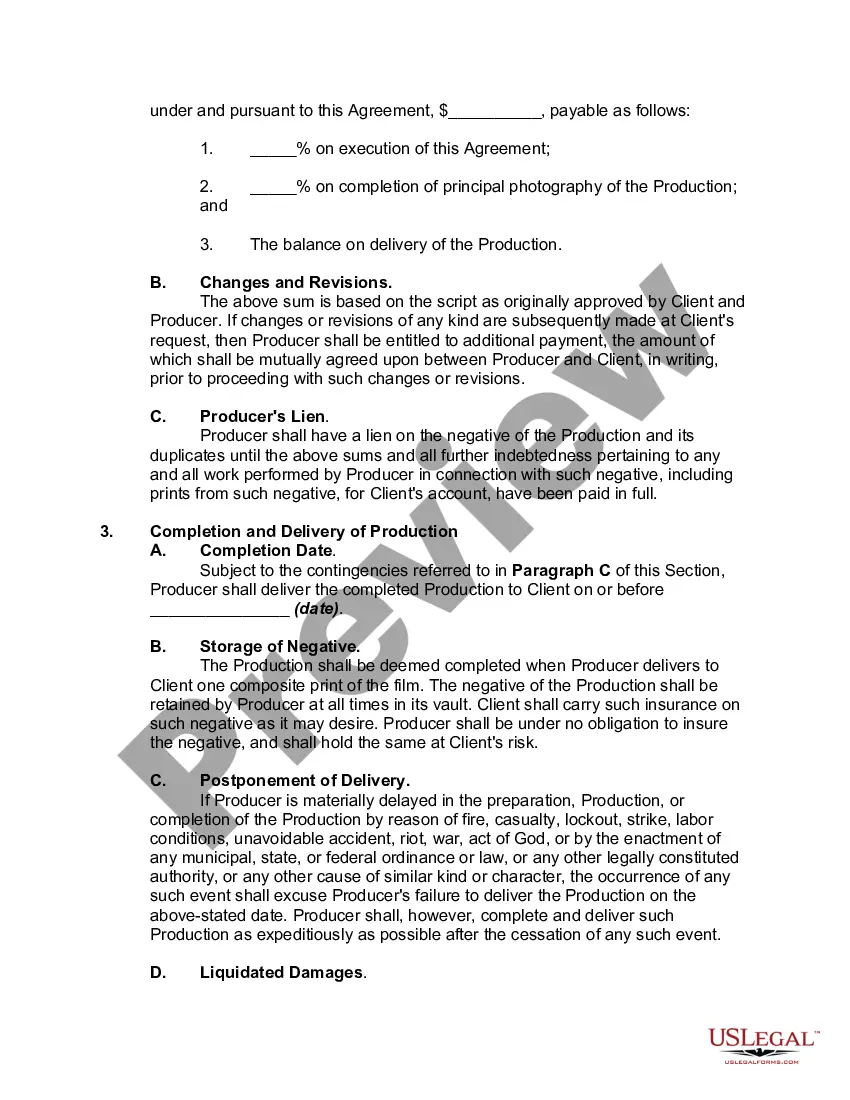
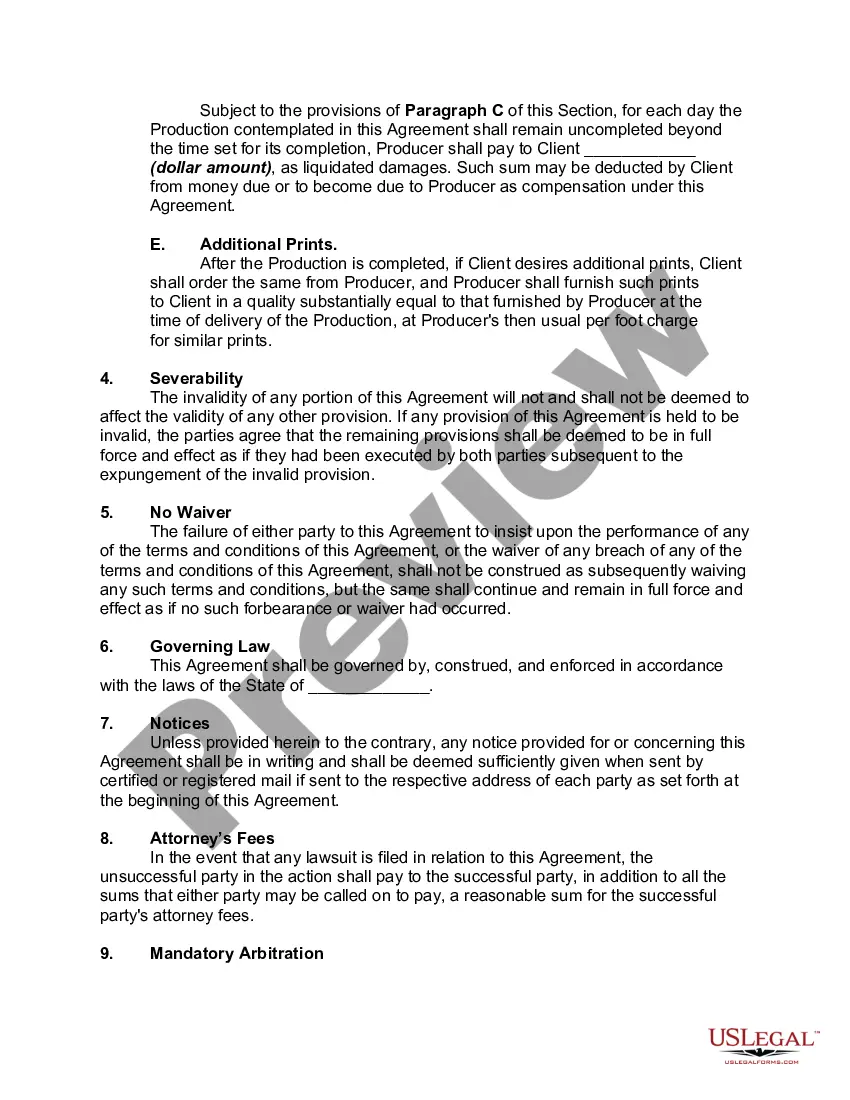
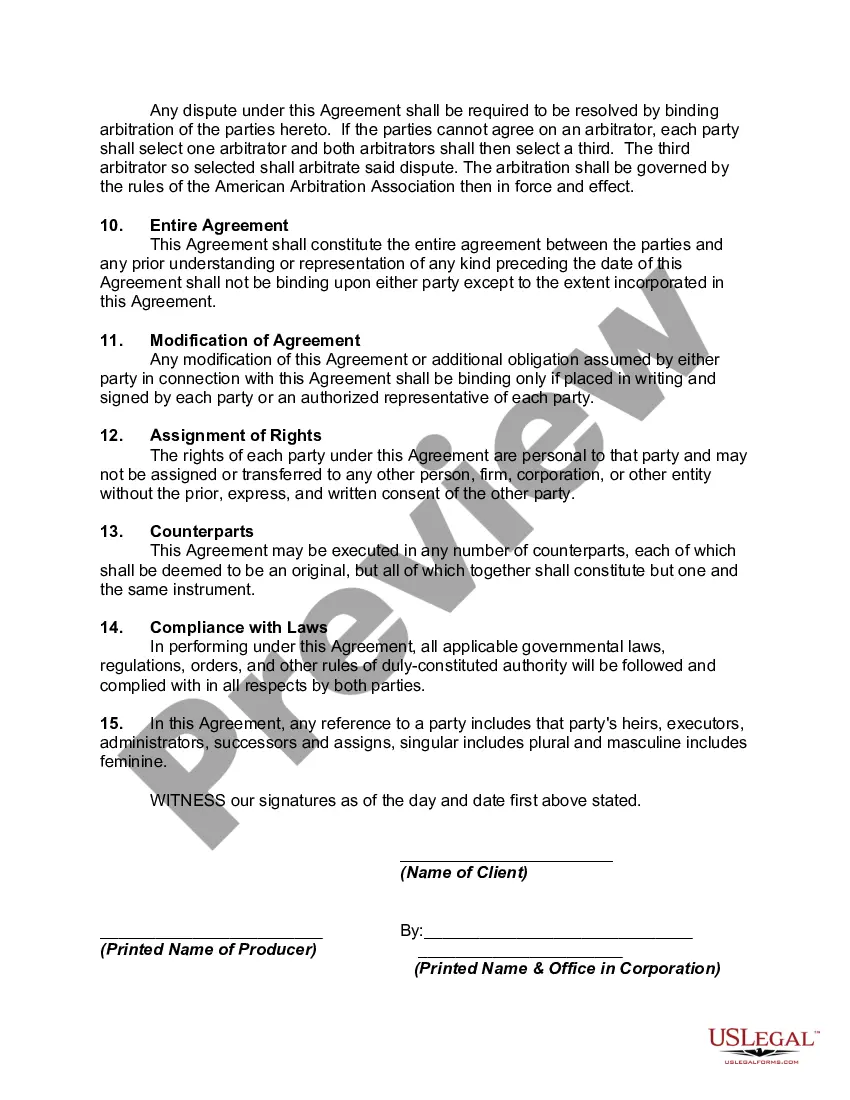
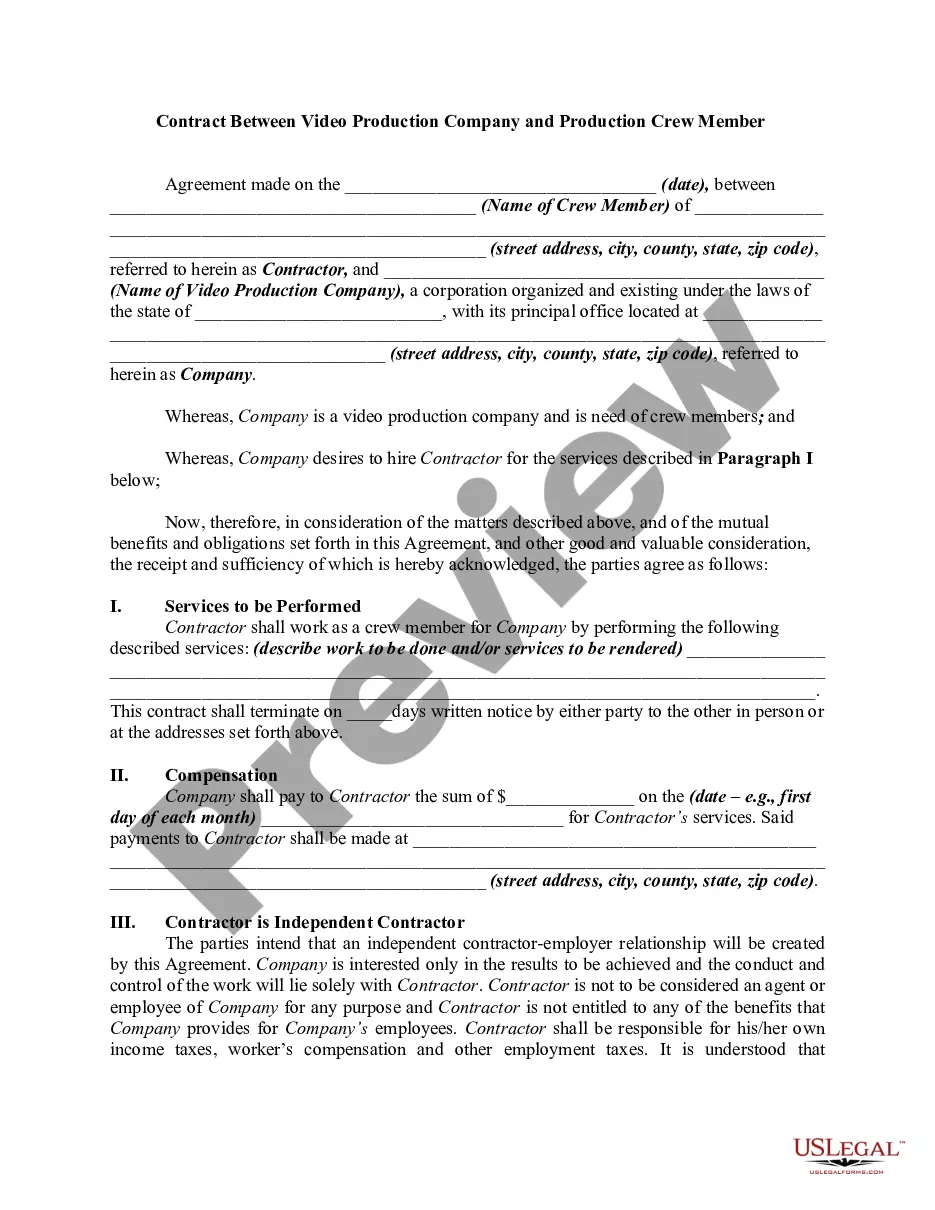
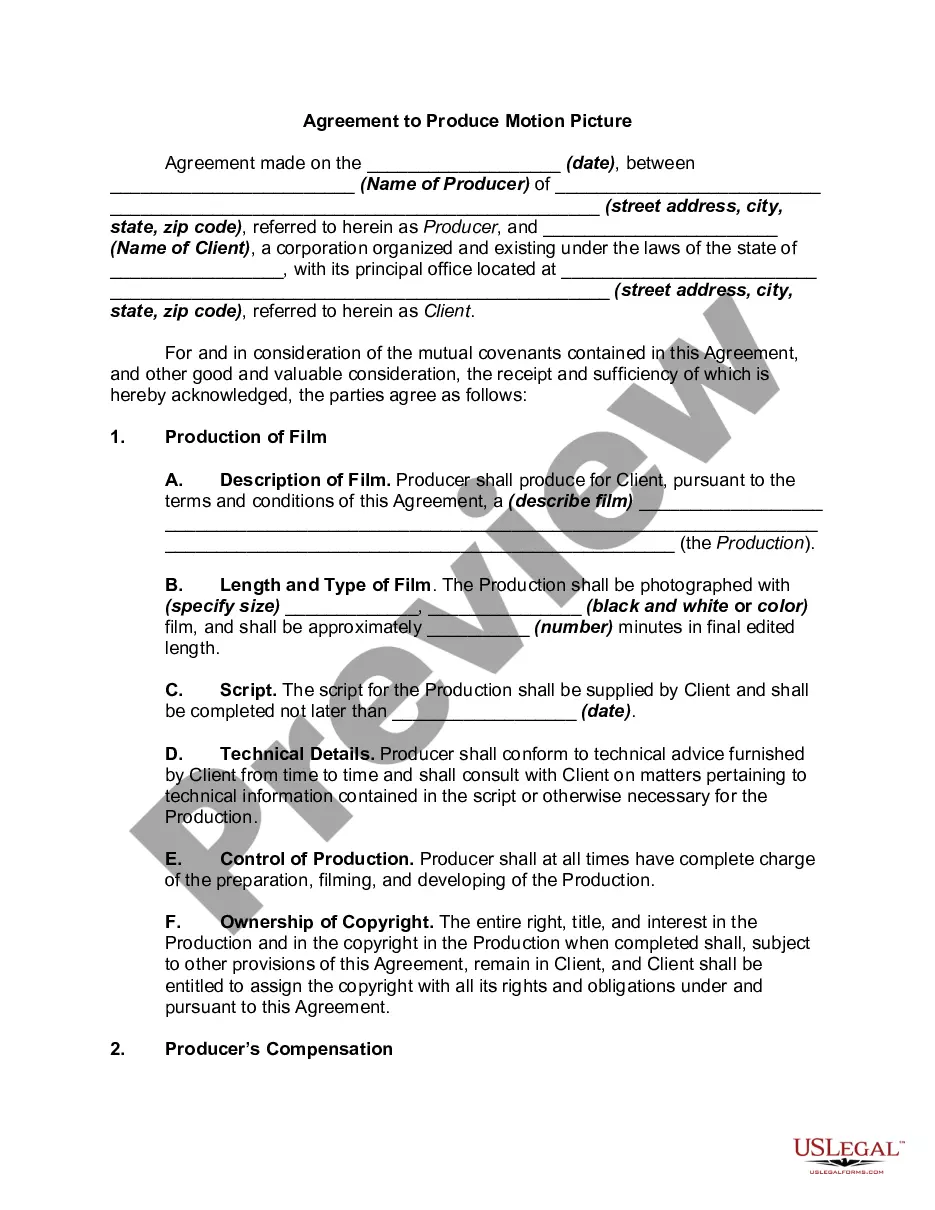
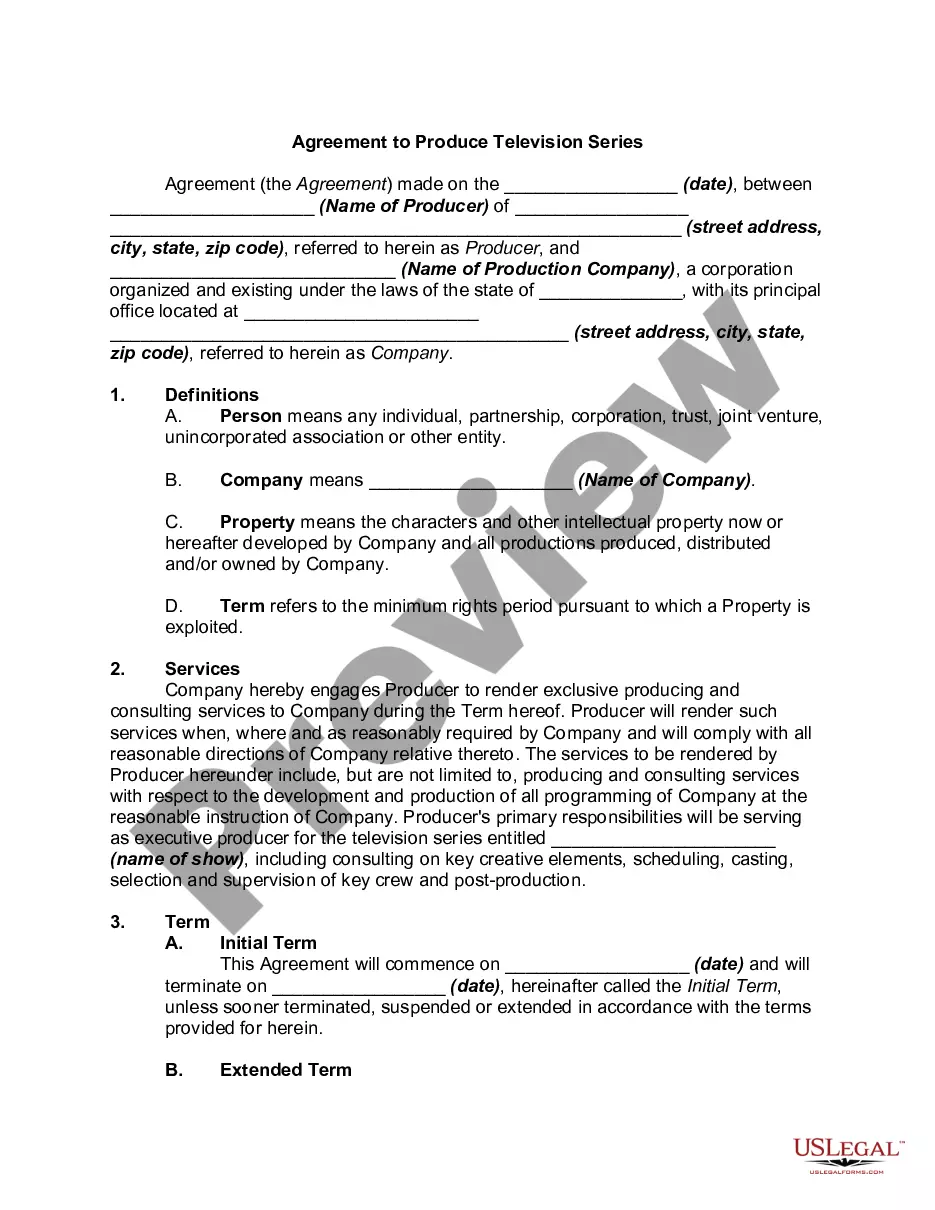
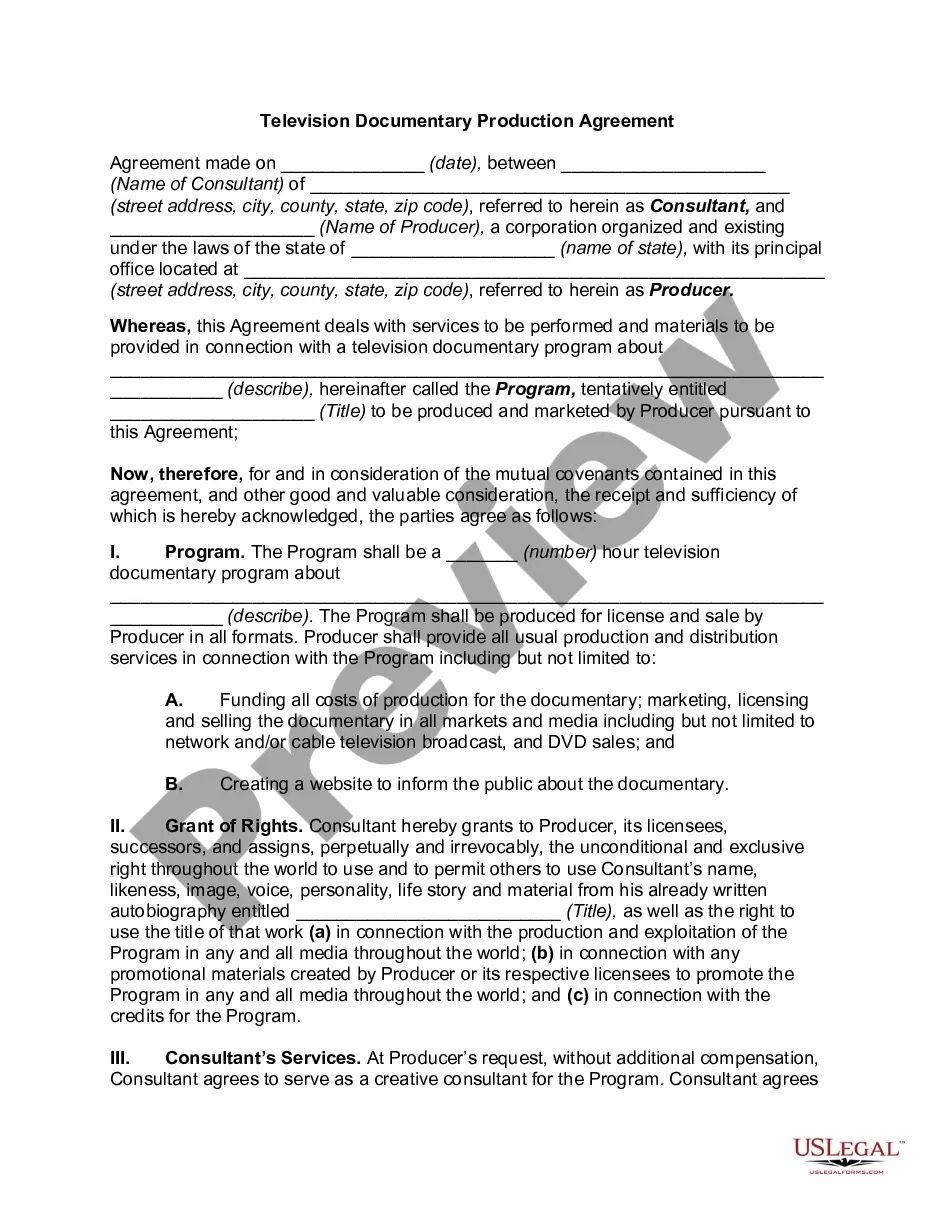
Get your form ready online
Our built-in tools help you complete, sign, share, and store your documents in one place.
Make edits, fill in missing information, and update formatting in US Legal Forms—just like you would in MS Word.
Download a copy, print it, send it by email, or mail it via USPS—whatever works best for your next step.
Sign and collect signatures with our SignNow integration. Send to multiple recipients, set reminders, and more. Go Premium to unlock E-Sign.
If this form requires notarization, complete it online through a secure video call—no need to meet a notary in person or wait for an appointment.
We protect your documents and personal data by following strict security and privacy standards.

Make edits, fill in missing information, and update formatting in US Legal Forms—just like you would in MS Word.

Download a copy, print it, send it by email, or mail it via USPS—whatever works best for your next step.

Sign and collect signatures with our SignNow integration. Send to multiple recipients, set reminders, and more. Go Premium to unlock E-Sign.

If this form requires notarization, complete it online through a secure video call—no need to meet a notary in person or wait for an appointment.

We protect your documents and personal data by following strict security and privacy standards.
Looking for another form?







Form popularity
FAQ
Contract Documents are essential tools that help streamline construction projects by establishing clear roles and expectations. These legal forms are designed to: Define the relationships between architects, contractors, owners, and other stakeholders.
The architecture documentation serves as the design that is used for all subsequent non-architectural design, implementation and deployment activities. The architecture document describes the target state and how to get there.
And even though contracts are infinitely varied in length, terms, and complexity, all contracts must contain these six essential elements. Offer. Acceptance. Awareness. Consideration. Capacity. Legality.
Contract documents are used by contractors, consultants, and tradespeople when executing the construction of a project. The construction drawings are mostly prepared for the purposes of obtaining a building permit as required by law in the project's jurisdiction.
Contract Documents are essential tools that help streamline construction projects by establishing clear roles and expectations. These legal forms are designed to: Define the relationships between architects, contractors, owners, and other stakeholders.
Write the contract in six steps Start with a contract template. Open with the basic information. Describe in detail what you have agreed to. Include a description of how the contract will be ended. Write into the contract which laws apply and how disputes will be resolved. Include space for signatures.
Steps to Create the Contract Identifiers for each party. the project location. a brief description of the project. a basic scope of services to be performed by you. a proposed compensation structure. actions for the client to take if they elect to move forward with you.
An Architectural Design Proposal should include a comprehensive overview of the project, including the client's requirements and objectives. It should outline the scope of work, including the design process, deliverables, and timeline.
Write the contract in six steps Start with a contract template. Open with the basic information. Describe in detail what you have agreed to. Include a description of how the contract will be ended. Write into the contract which laws apply and how disputes will be resolved. Include space for signatures.