Wrongful Possession Of A Controlled Substance
Description


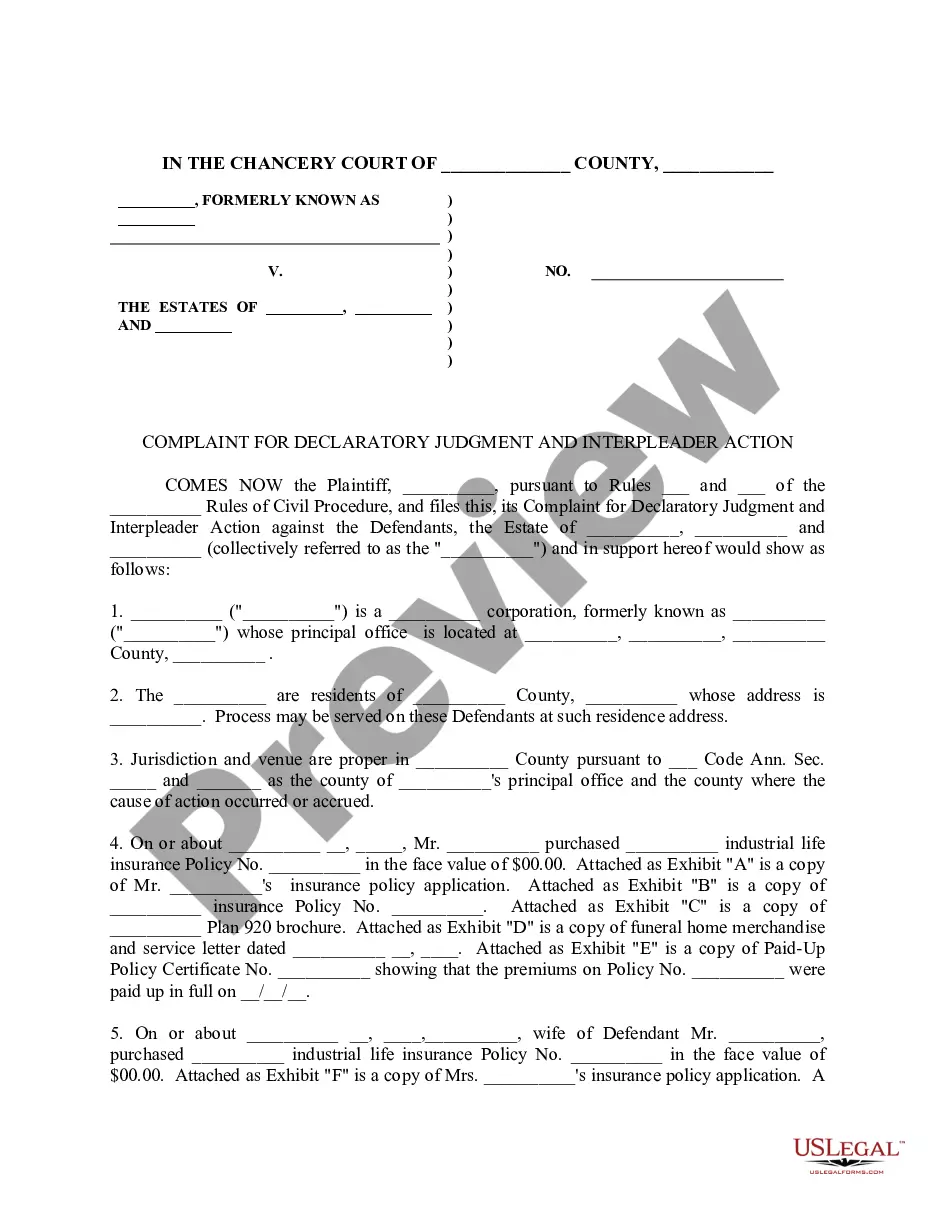
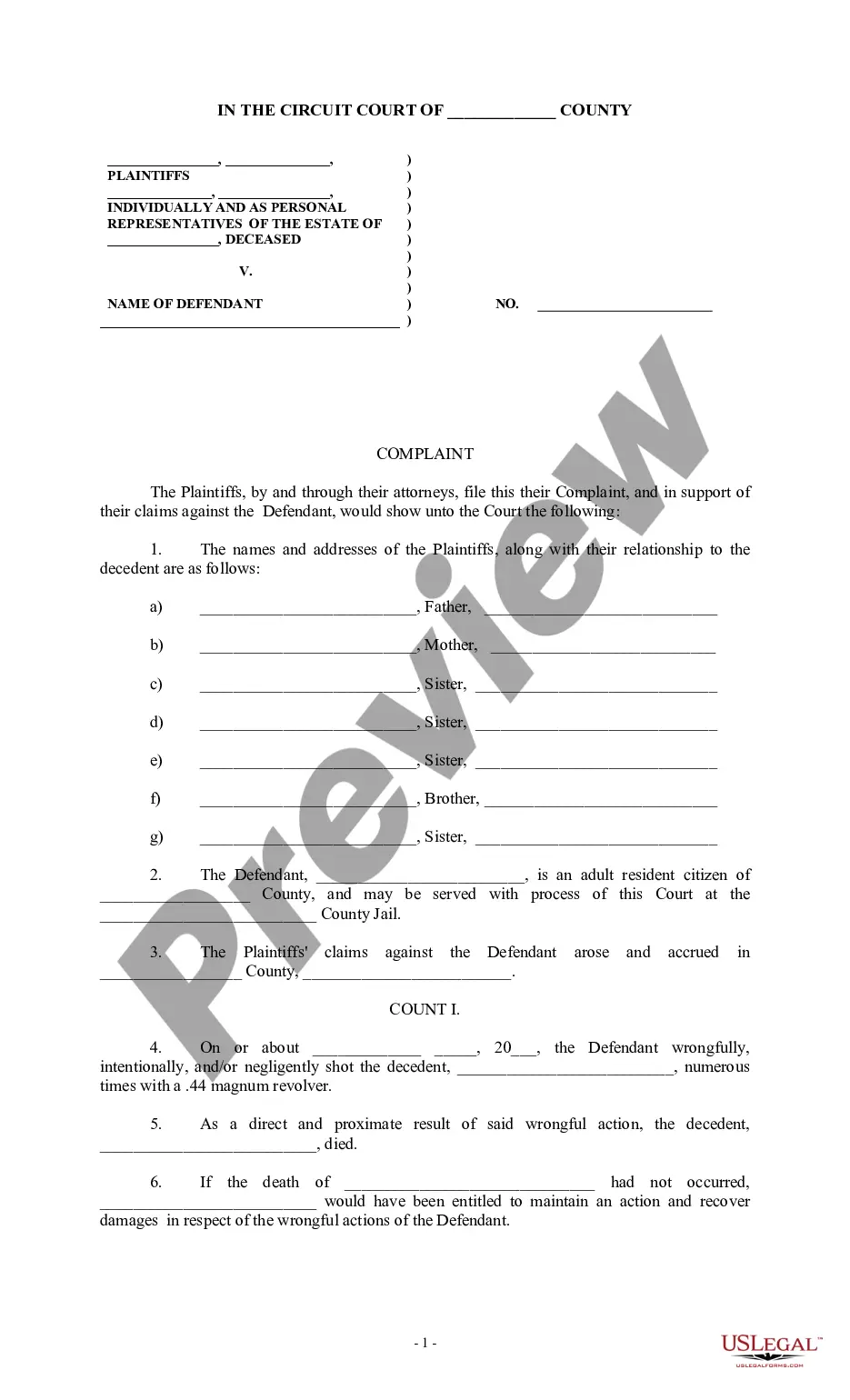
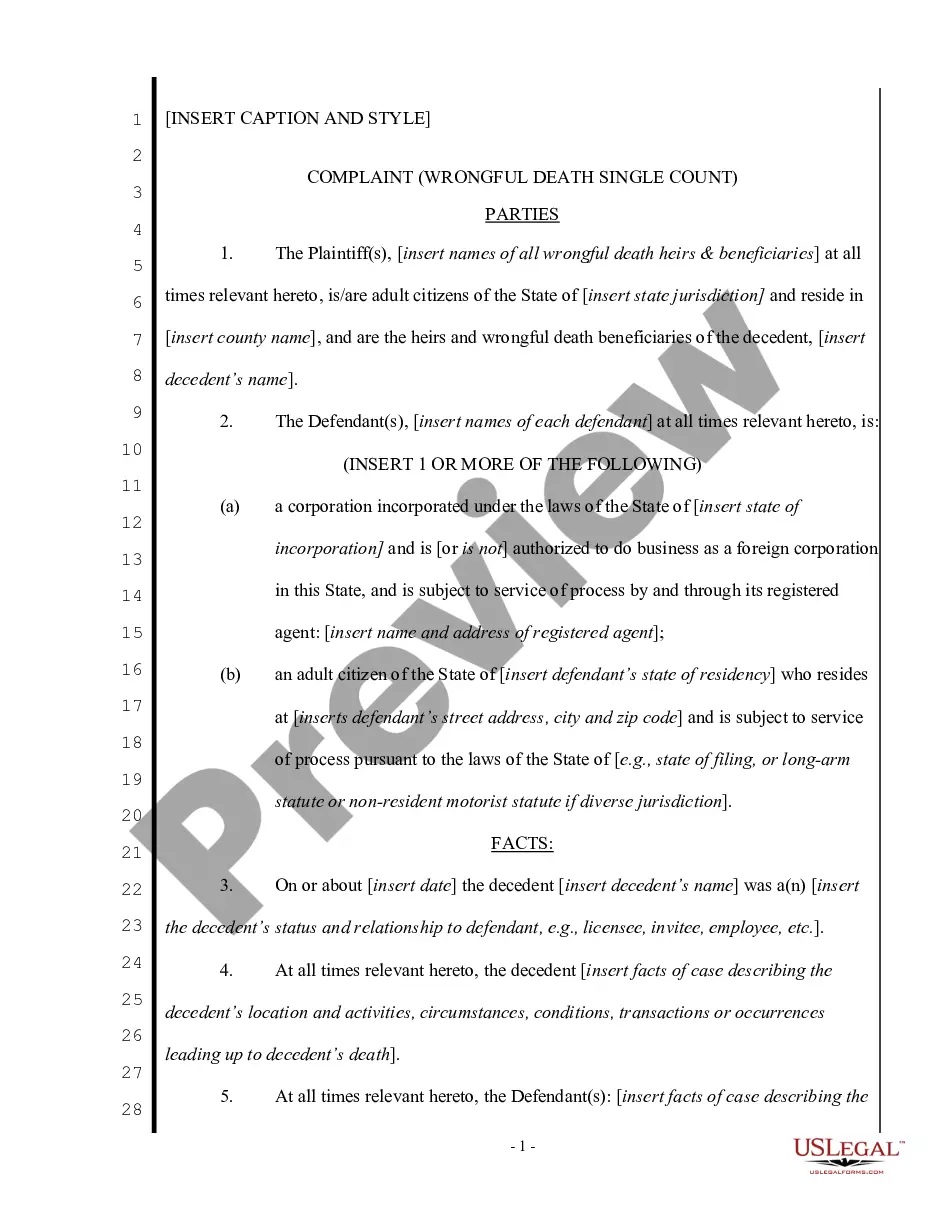
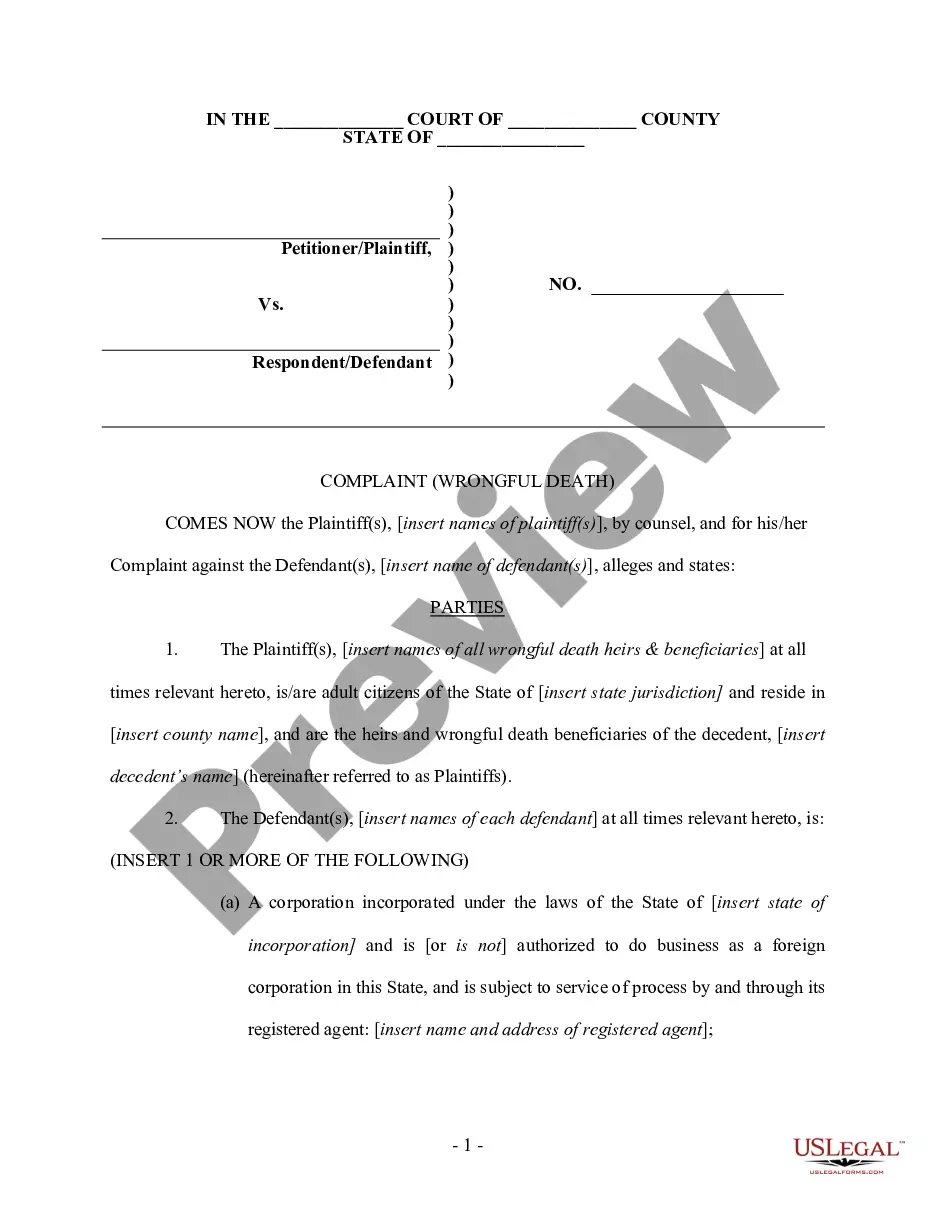
Get your form ready online
Our built-in tools help you complete, sign, share, and store your documents in one place.
Make edits, fill in missing information, and update formatting in US Legal Forms—just like you would in MS Word.
Download a copy, print it, send it by email, or mail it via USPS—whatever works best for your next step.
Sign and collect signatures with our SignNow integration. Send to multiple recipients, set reminders, and more. Go Premium to unlock E-Sign.
If this form requires notarization, complete it online through a secure video call—no need to meet a notary in person or wait for an appointment.
We protect your documents and personal data by following strict security and privacy standards.

Make edits, fill in missing information, and update formatting in US Legal Forms—just like you would in MS Word.

Download a copy, print it, send it by email, or mail it via USPS—whatever works best for your next step.

Sign and collect signatures with our SignNow integration. Send to multiple recipients, set reminders, and more. Go Premium to unlock E-Sign.

If this form requires notarization, complete it online through a secure video call—no need to meet a notary in person or wait for an appointment.

We protect your documents and personal data by following strict security and privacy standards.
Looking for another form?








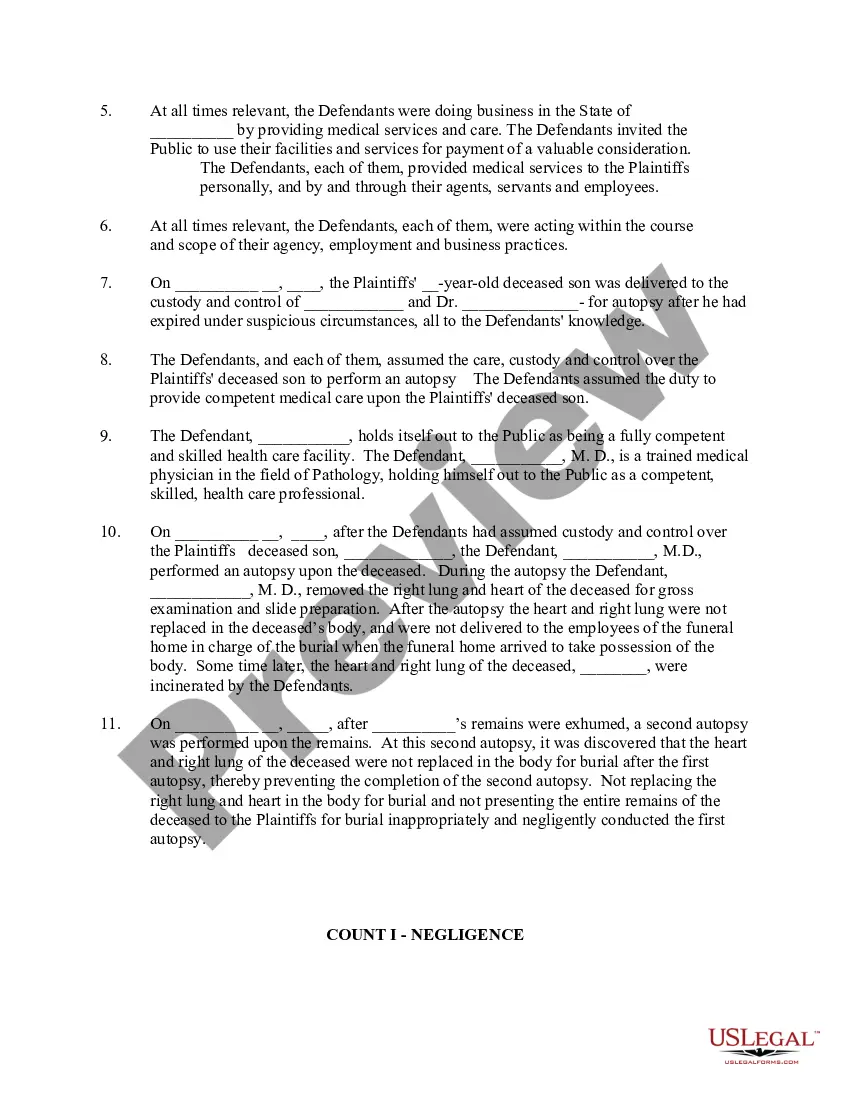
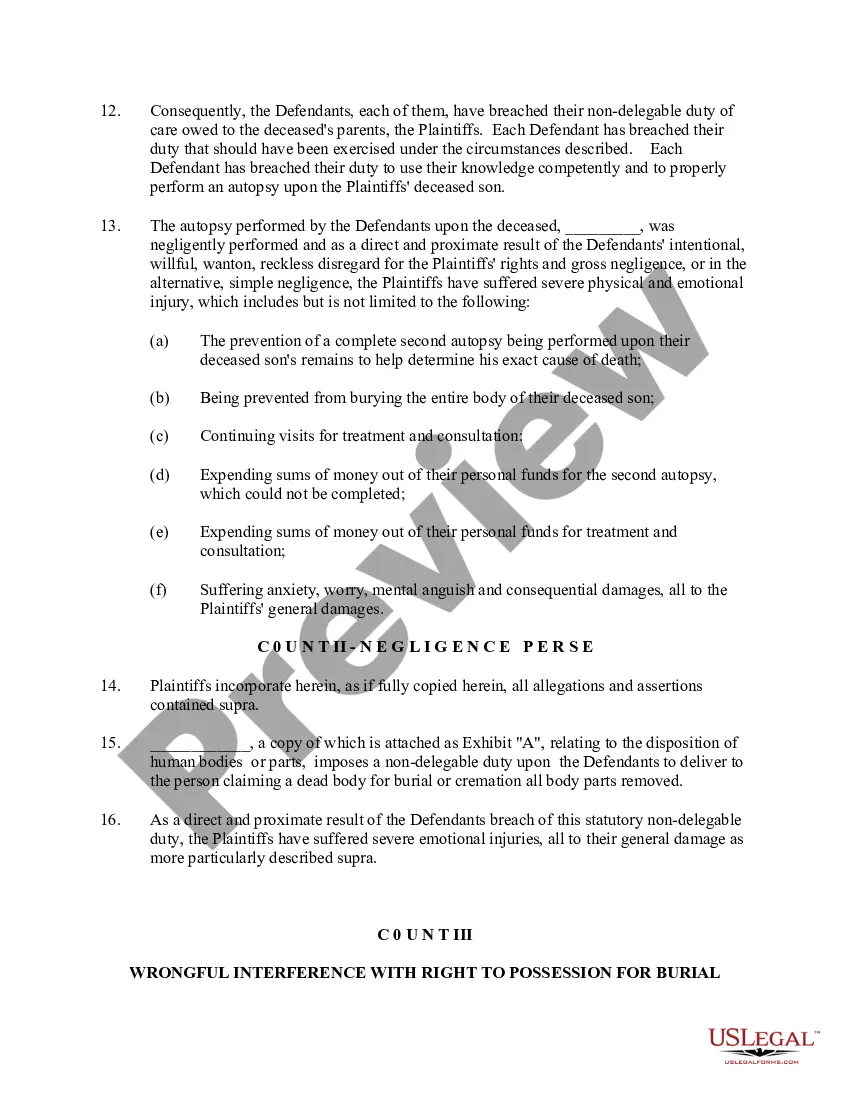
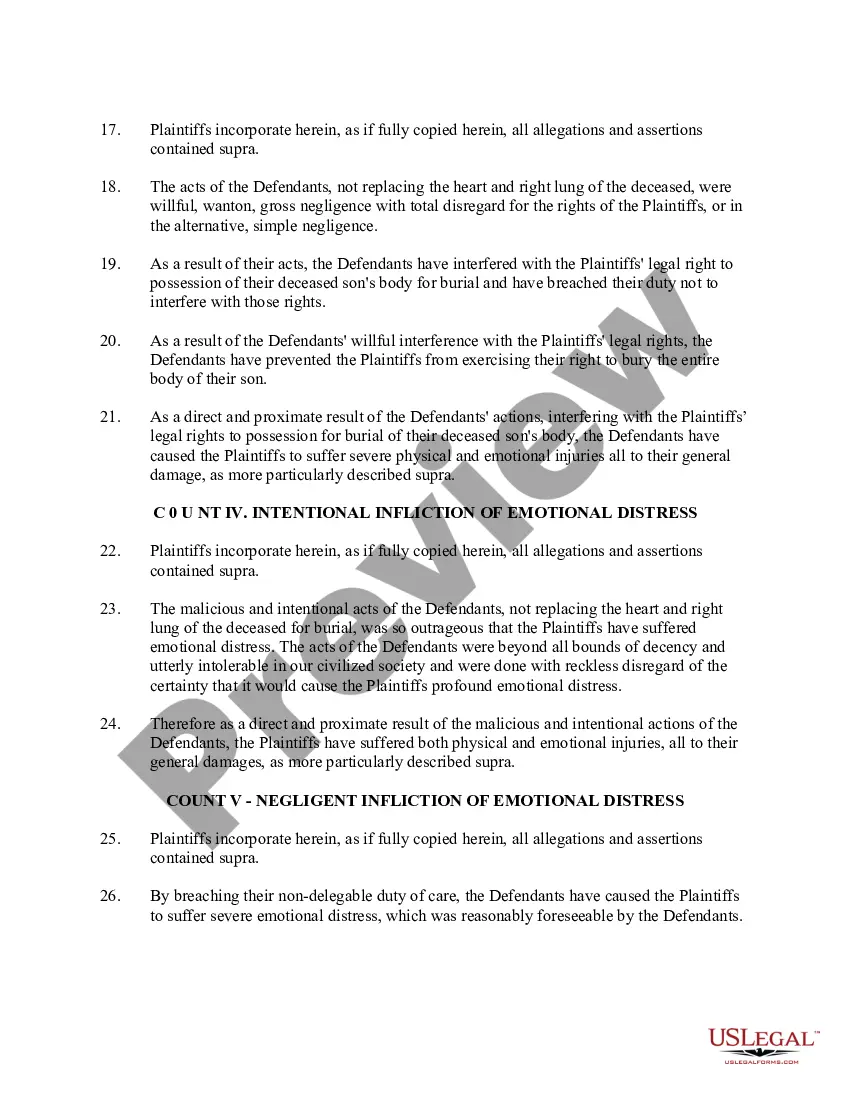
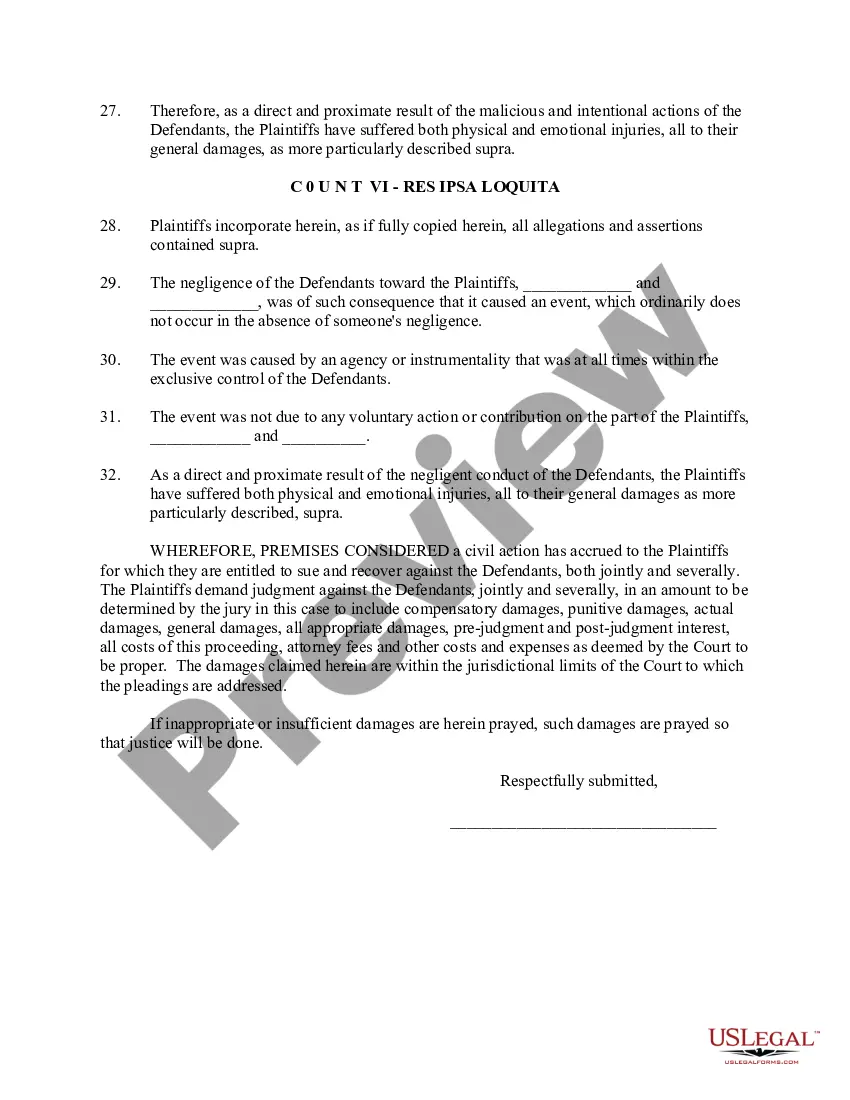
How to fill out Complaint For Wrongful Interference With Right To Possession For Burial?
Getting a go-to place to access the most current and relevant legal templates is half the struggle of handling bureaucracy. Discovering the right legal papers requirements precision and attention to detail, which is why it is crucial to take samples of Wrongful Possession Of A Controlled Substance only from trustworthy sources, like US Legal Forms. An improper template will waste your time and hold off the situation you are in. With US Legal Forms, you have little to be concerned about. You can access and check all the information concerning the document’s use and relevance for your circumstances and in your state or county.
Consider the following steps to complete your Wrongful Possession Of A Controlled Substance:
- Make use of the catalog navigation or search field to find your template.
- Open the form’s information to check if it fits the requirements of your state and region.
- Open the form preview, if available, to make sure the form is definitely the one you are looking for.
- Resume the search and look for the appropriate template if the Wrongful Possession Of A Controlled Substance does not suit your needs.
- When you are positive regarding the form’s relevance, download it.
- If you are an authorized customer, click Log in to authenticate and gain access to your picked forms in My Forms.
- If you do not have a profile yet, click Buy now to obtain the form.
- Pick the pricing plan that fits your requirements.
- Go on to the registration to finalize your purchase.
- Finalize your purchase by picking a payment method (bank card or PayPal).
- Pick the document format for downloading Wrongful Possession Of A Controlled Substance.
- Once you have the form on your gadget, you may change it using the editor or print it and finish it manually.
Get rid of the hassle that accompanies your legal documentation. Check out the comprehensive US Legal Forms catalog where you can find legal templates, check their relevance to your circumstances, and download them on the spot.
Form popularity
FAQ
The new law adopted by state lawmakers makes drug possession a gross misdemeanor punishable by up to 180 days in jail on the first two offenses and up to a year on the third arrest.
Thomas, 65 M.J. 132 (Article 112a, UCMJ, provides that any person subject to the UCMJ who wrongfully uses, possesses, or introduces into an installation used by or under the control of the armed forces a controlled substance shall be punished as a court-martial may direct; the statute does not define the term wrongful; ...
The Controlled Substances Act (CSA) ? Title II of the Comprehensive Drug Abuse Prevention and Control Act of 1970 ? is the federal U.S. drug policy under which the manufacture, importation, possession, use and distribution of certain narcotics, stimulants, depressants, hallucinogens, anabolic steroids, and other ...
Maximum Punishment: For Amphetamine, heroin, cocaine, lysergic acid diethylamide, marijuana, opium, methamphetamine, secobarbital, phencyclidine, and controlled substances under Schedule I, II, and III, the accused faces dishonorable discharge, forfeiture of all pay and allowances and 5 years confinement.
(1) Its actual or relative potential for abuse. (2) Scientific evidence of its pharmacological effect, if known. (3) The state of current scientific knowledge regarding the drug or other substance.