Injunctive Relief Agreement With Mexico In Washington
Description

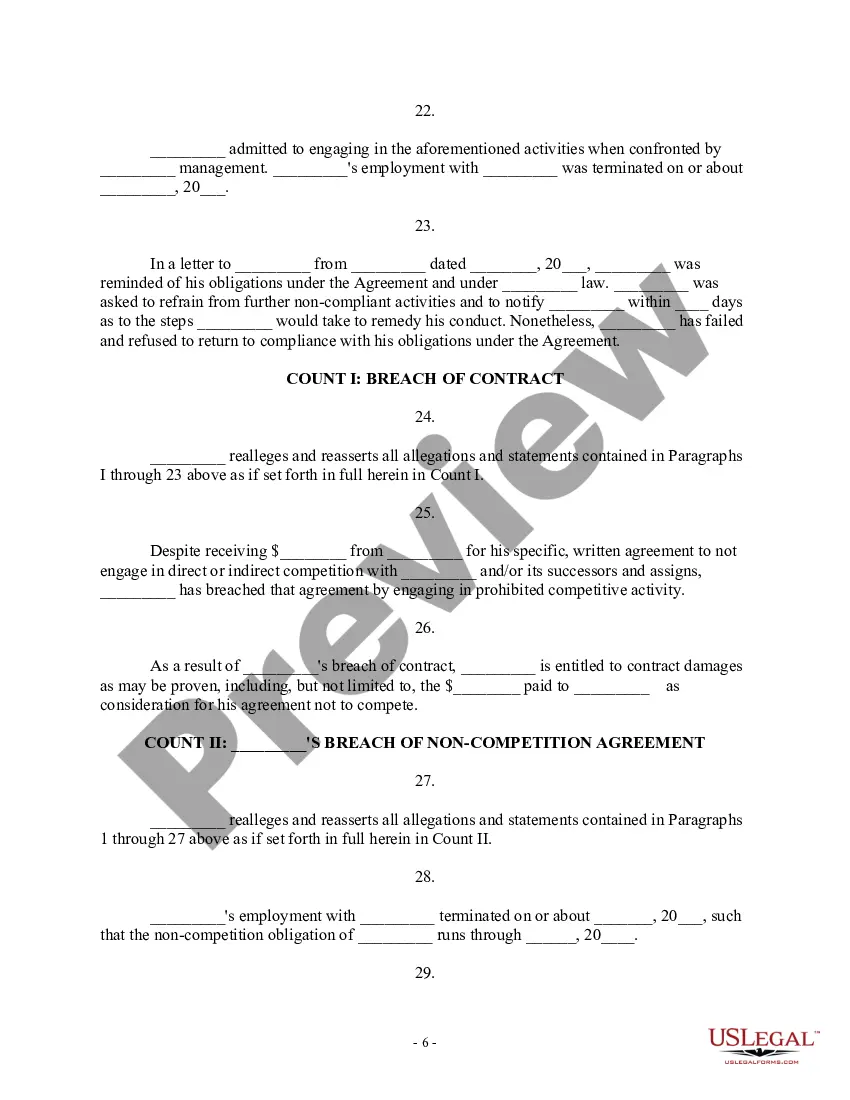
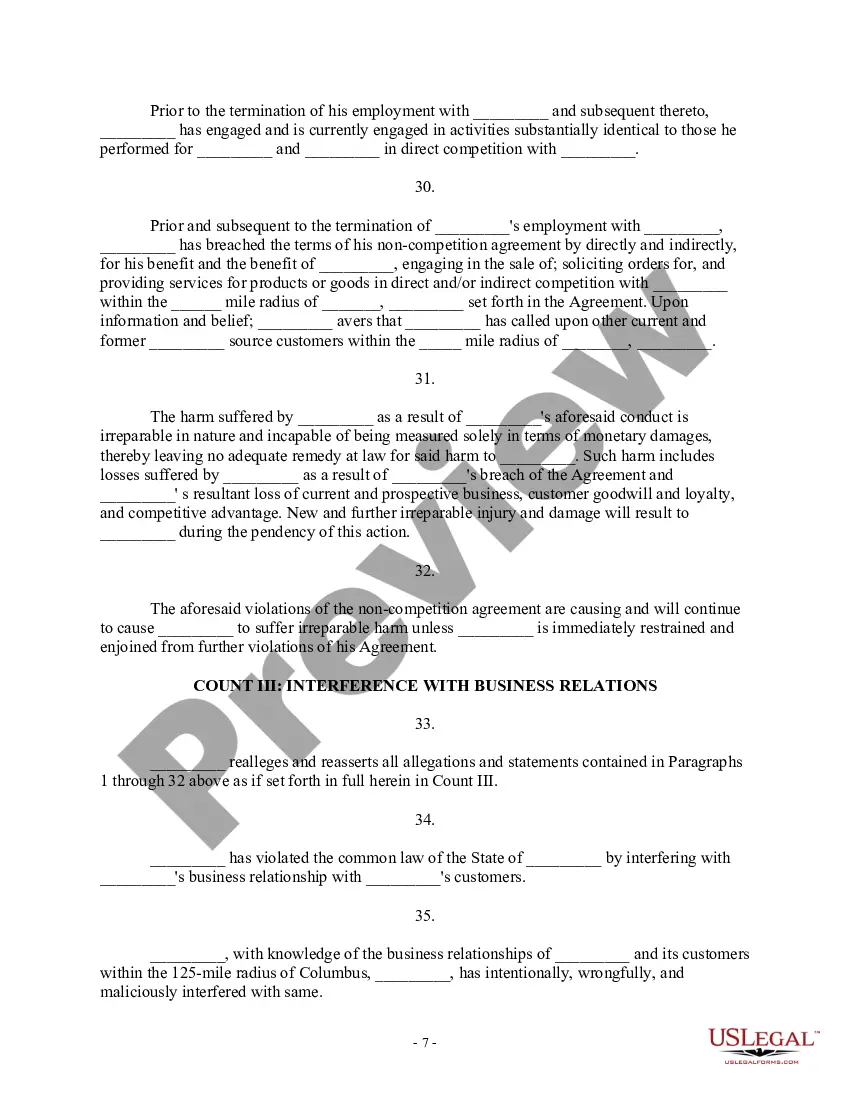
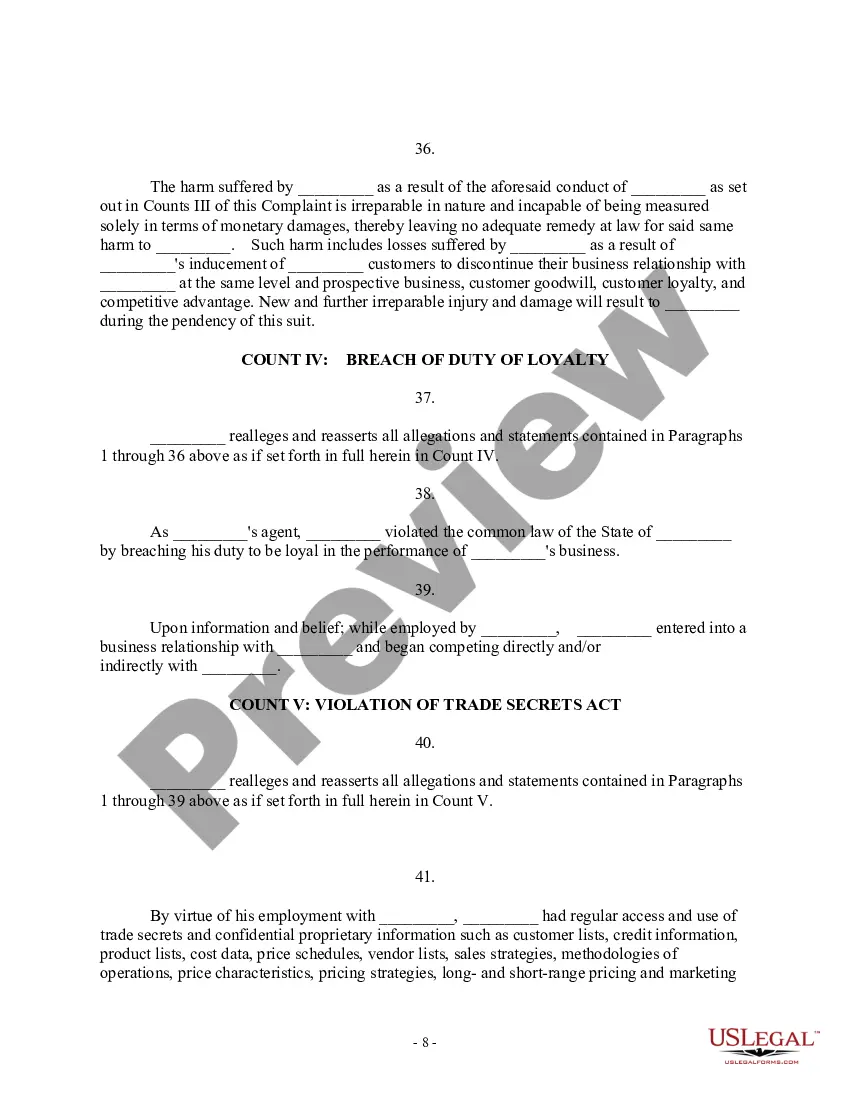
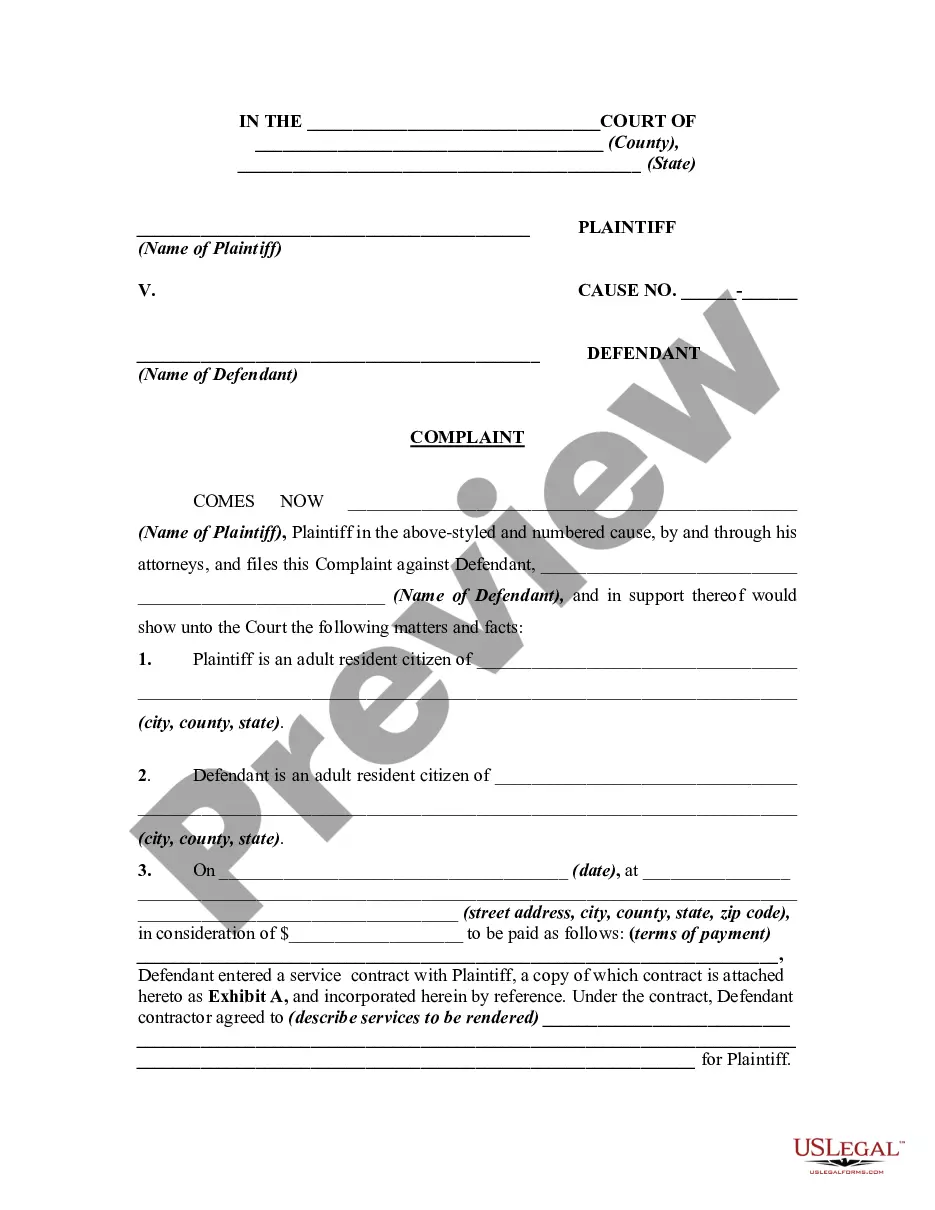
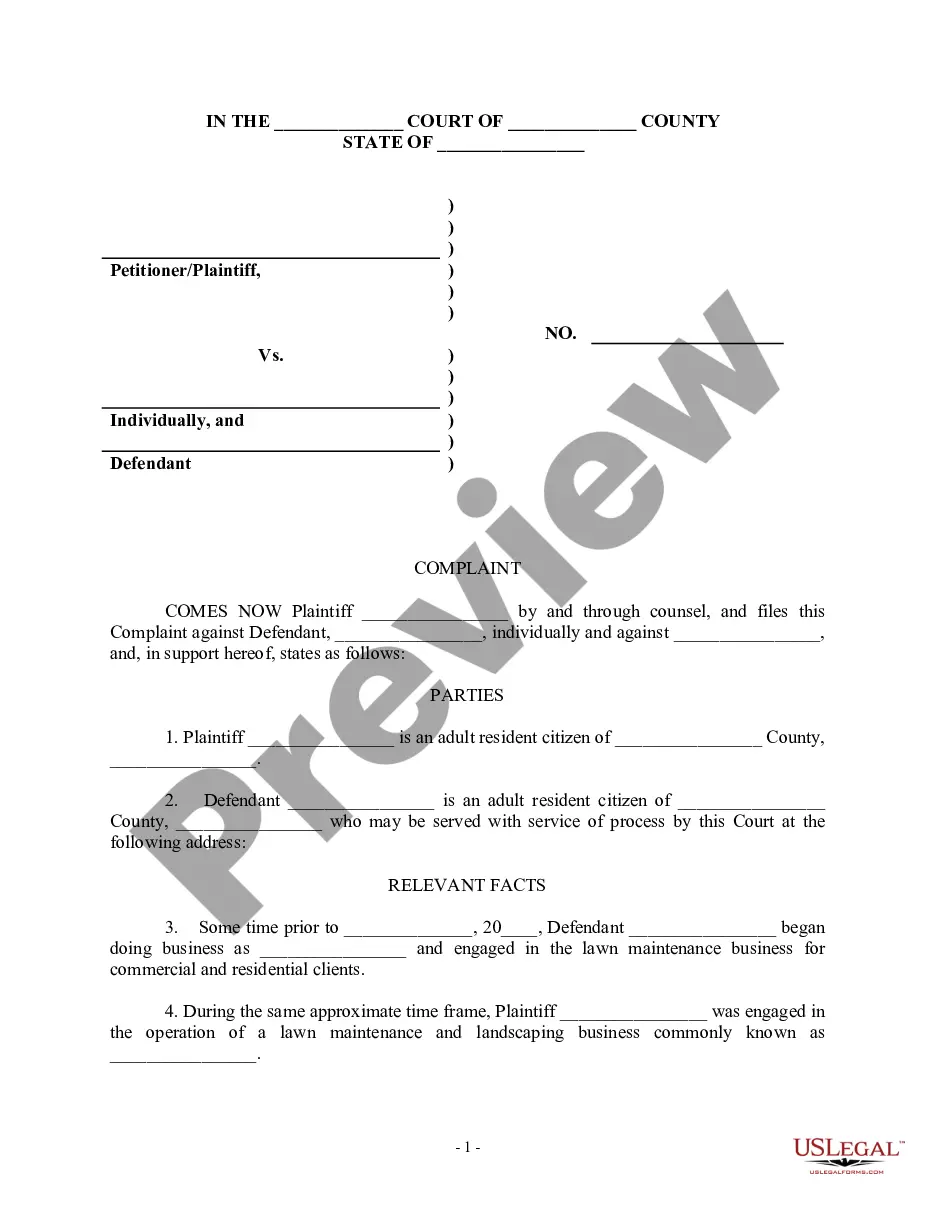
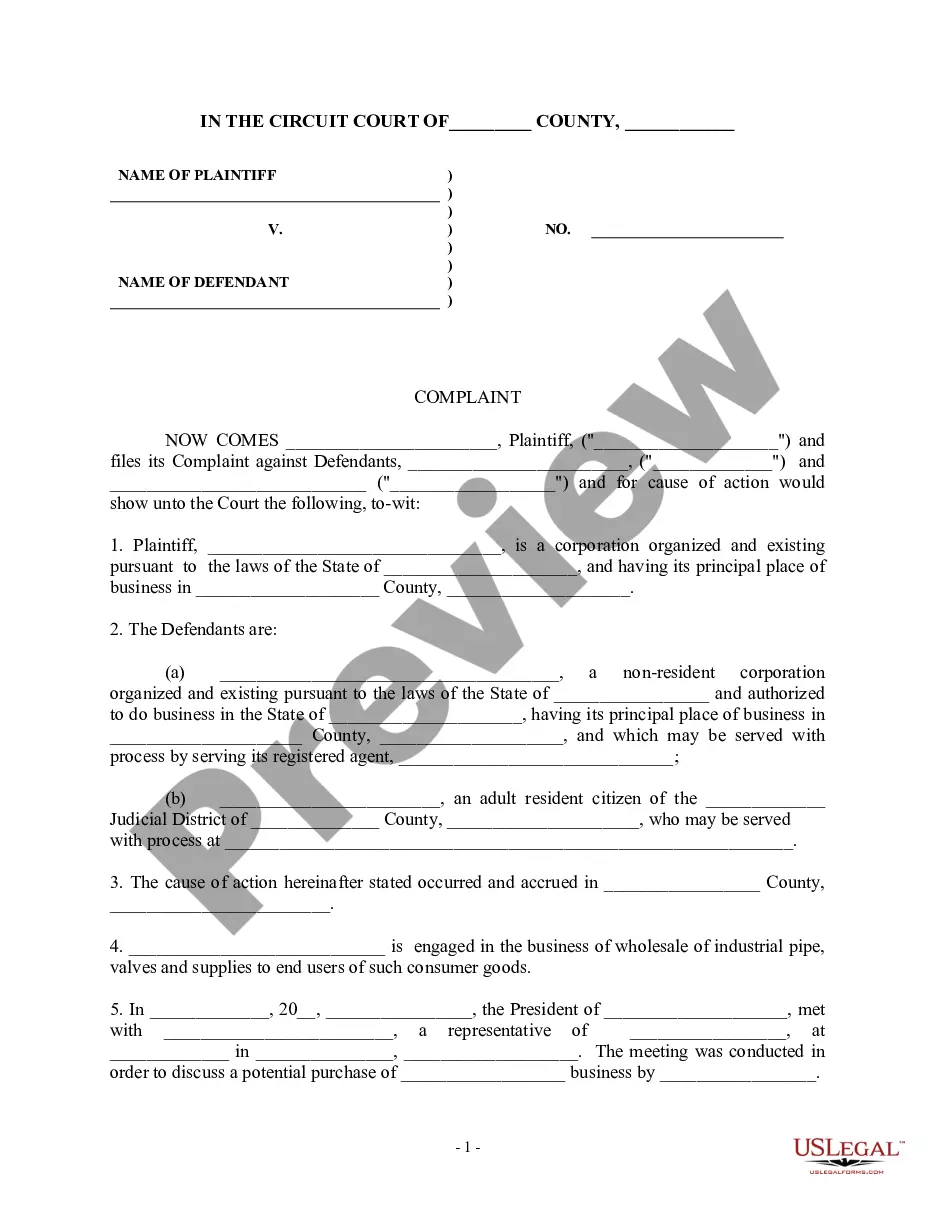

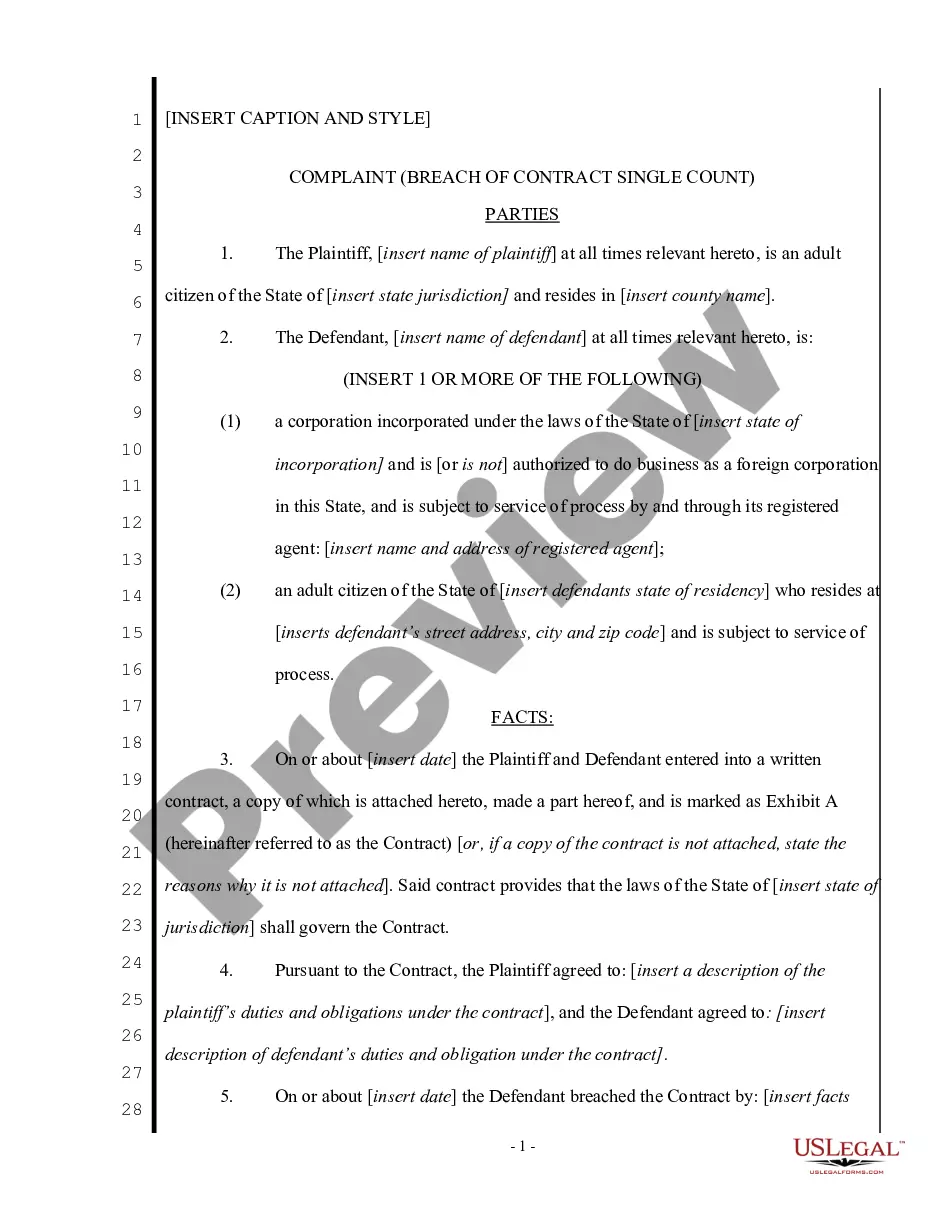
Get your form ready online
Our built-in tools help you complete, sign, share, and store your documents in one place.
Make edits, fill in missing information, and update formatting in US Legal Forms—just like you would in MS Word.
Download a copy, print it, send it by email, or mail it via USPS—whatever works best for your next step.
Sign and collect signatures with our SignNow integration. Send to multiple recipients, set reminders, and more. Go Premium to unlock E-Sign.
If this form requires notarization, complete it online through a secure video call—no need to meet a notary in person or wait for an appointment.
We protect your documents and personal data by following strict security and privacy standards.

Make edits, fill in missing information, and update formatting in US Legal Forms—just like you would in MS Word.

Download a copy, print it, send it by email, or mail it via USPS—whatever works best for your next step.

Sign and collect signatures with our SignNow integration. Send to multiple recipients, set reminders, and more. Go Premium to unlock E-Sign.

If this form requires notarization, complete it online through a secure video call—no need to meet a notary in person or wait for an appointment.

We protect your documents and personal data by following strict security and privacy standards.
Looking for another form?







Form popularity
FAQ
On February 2, 1848, the Treaty of Guadalupe Hidalgo was signed in Mexico without President James K. Polk's knowledge. The United States acquired about 55 percent of Mexico's territory for $15 million.
This was known as the Mexican Cession and included present-day Arizona and New Mexico and parts of Utah, Nevada, and Colorado (see Article V of the treaty). Mexico also relinquished all claims to Texas and recognized the Rio Grande as the southern boundary with the United States (see Article V).
The policy was initially ended by the Biden administration, and after some legal battles, the Supreme Court of the United States ruled on June 30, 2022, in Biden v. Texas, that the administration had the authority to end the policy.
At the end of the Mexican-American War, the United States annexed more than half of Mexico's territory under the 1848 Treaty of Guadalupe Hidalgo.
In Mexico, limitation periods are treated as procedural law issues, even though they are regulated by the Civil Code and not the Codes of Civil Procedure. There are multiple limitation periods for commencing proceedings, depending on specific cases.
The Treaty of Guadalupe Hidalgo officially ended the Mexican–American War (1846–1848). It was signed on 2 February 1848 in the town of Guadalupe Hidalgo.
TREATY OF PEACE, FRIENDSHIP, LIMITS, AND SETTLEMENT BETWEEN THE UNITED STATES OF AMERICA AND THE UNITED MEXICAN STATES CONCLUDED AT GUADALUPE HIDALGO, FEBRUARY 2, 1848; RATIFICATION ADVISED BY SENATE, WITH AMENDMENTS, MARCH 10, 1848; RATIFIED BY PRESIDENT, MARCH 16, 1848; RATIFICATIONS EXCHANGED AT QUERETARO, MAY 30, ...
Treaty of Guadalupe Hidalgo (1848)
In many cases, a contract will include an injunctive relief clause stating that one or both parties are entitled to relief to prevent them from suffering harm due to a breach of contract.
These courts consider: (1) the likelihood of success on the merits; (2) irreparable harm if the injunction is not granted; (3) whether a balancing of the relevant equities favors the injunction; and (4) whether the issuance of the injunction is in the public interest.
