Injunctive Relief Agreement For Breach In Travis
Description













Get your form ready online
Our built-in tools help you complete, sign, share, and store your documents in one place.
Make edits, fill in missing information, and update formatting in US Legal Forms—just like you would in MS Word.
Download a copy, print it, send it by email, or mail it via USPS—whatever works best for your next step.
Sign and collect signatures with our SignNow integration. Send to multiple recipients, set reminders, and more. Go Premium to unlock E-Sign.
If this form requires notarization, complete it online through a secure video call—no need to meet a notary in person or wait for an appointment.
We protect your documents and personal data by following strict security and privacy standards.

Make edits, fill in missing information, and update formatting in US Legal Forms—just like you would in MS Word.

Download a copy, print it, send it by email, or mail it via USPS—whatever works best for your next step.

Sign and collect signatures with our SignNow integration. Send to multiple recipients, set reminders, and more. Go Premium to unlock E-Sign.

If this form requires notarization, complete it online through a secure video call—no need to meet a notary in person or wait for an appointment.

We protect your documents and personal data by following strict security and privacy standards.
Looking for another form?
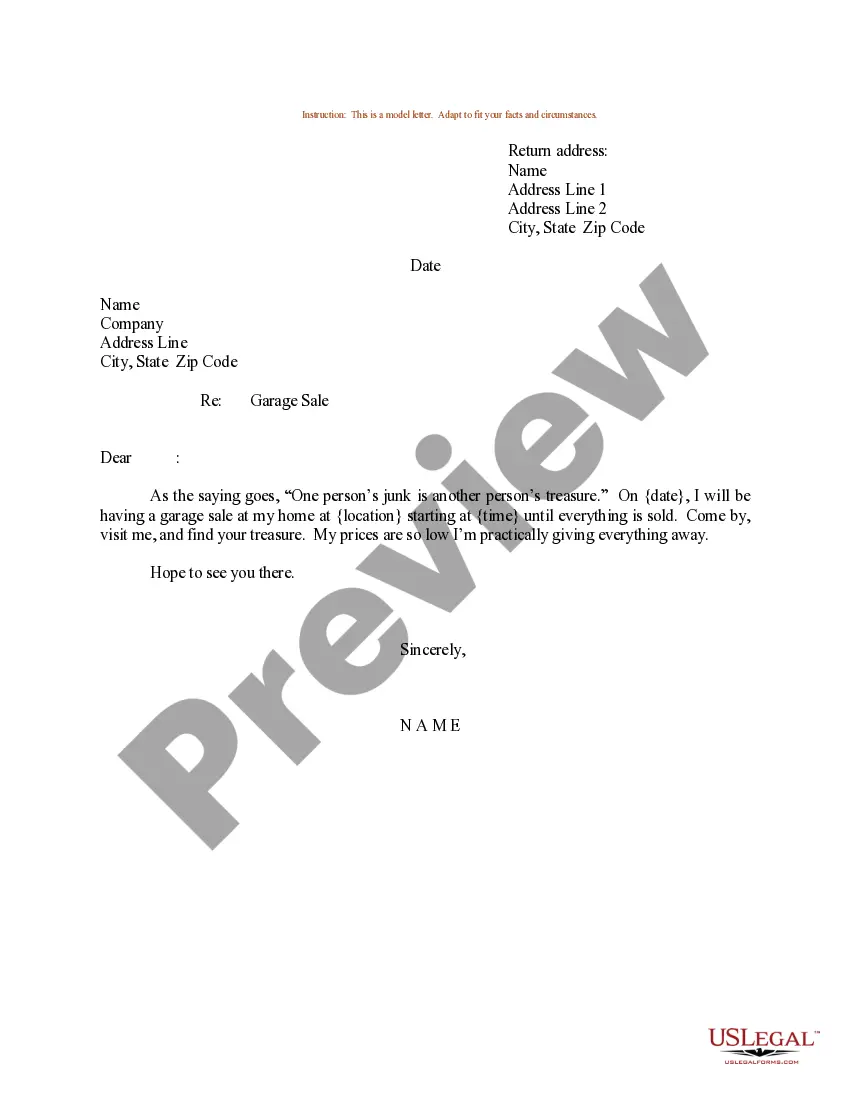


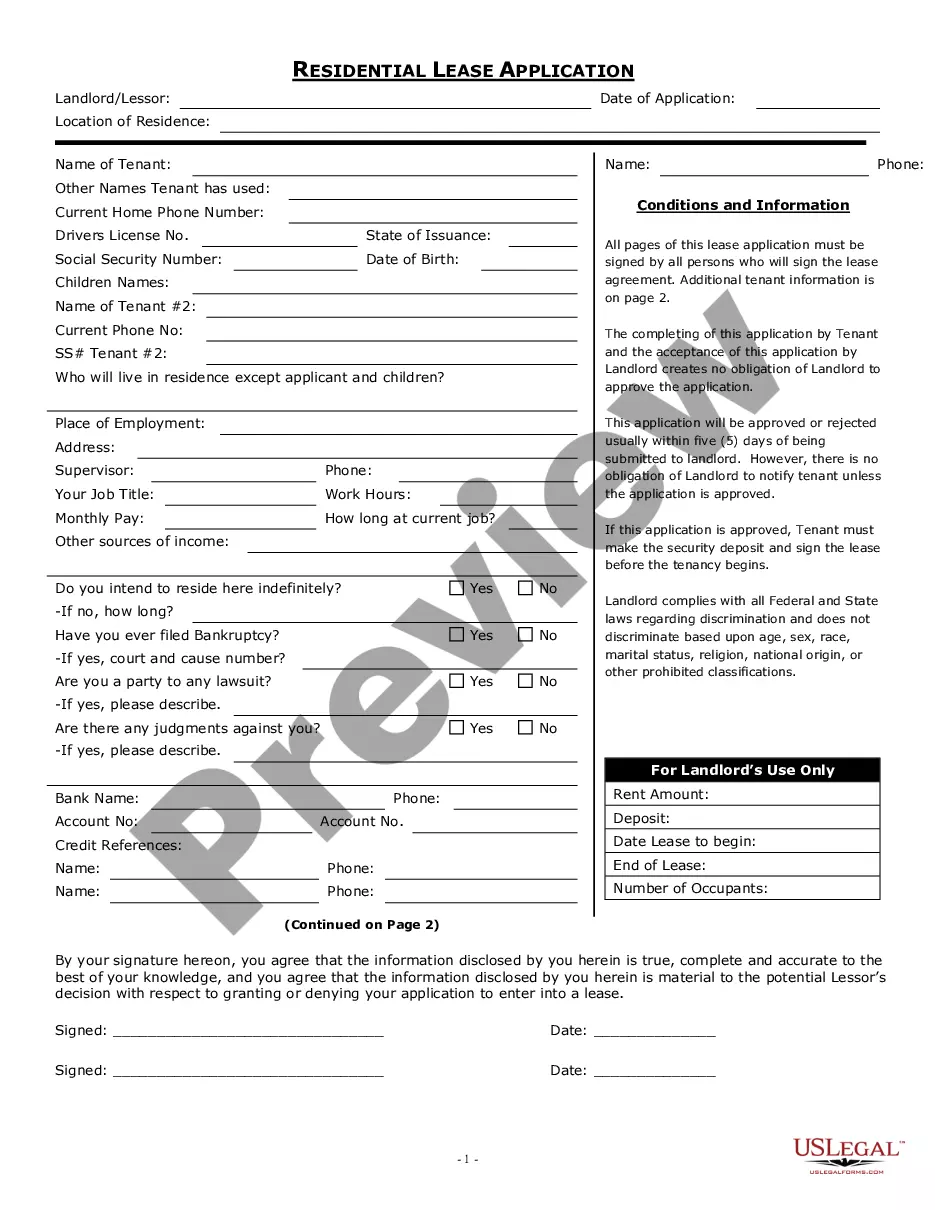



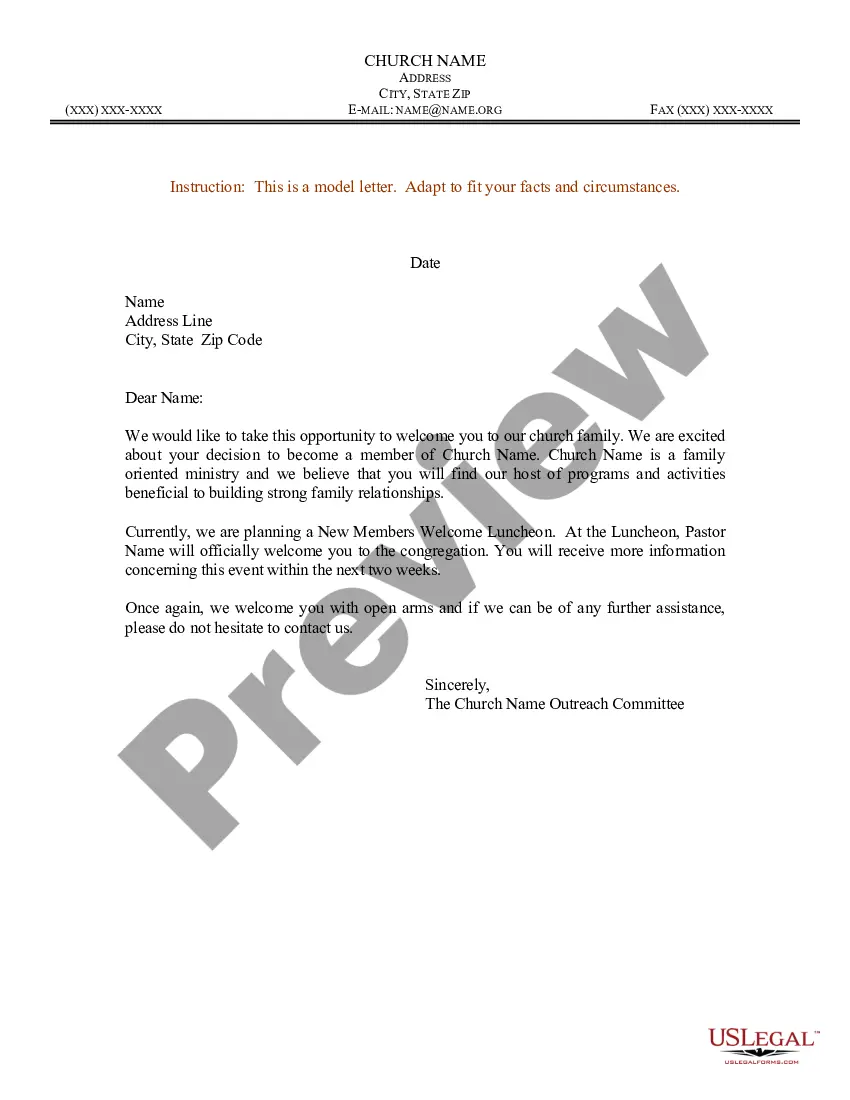

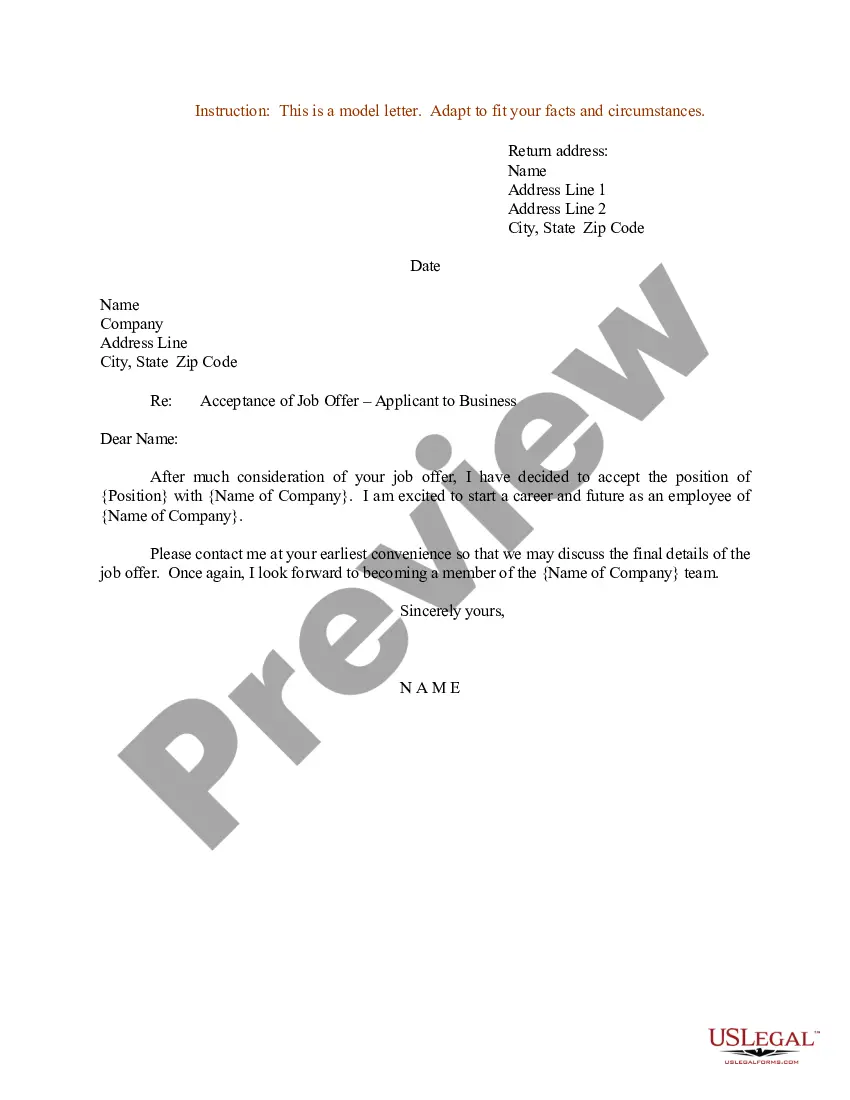
Form popularity
FAQ
Compensatory damages are the most common remedy for breached contracts. These damages aim to compensate the non-breaching party for the financial losses they suffered due to the breach.
Five essential legal remedies for contract breaches Compensatory damages. Liquidated damages. Specific performance. Punitive damages. Nominal damages.
Today, we're looking into four types of damages you may be able to receive in a breach of contract case. Compensatory damages. Punitive damages. Nominal damages. Liquidated damages.
Five essential legal remedies for contract breaches Compensatory damages. Liquidated damages. Specific performance. Punitive damages. Nominal damages.
Definition and Types Injunctive relief is a legal remedy that can be awarded by a court to prevent a party from taking certain actions or to require them to take certain actions. It is a form of equitable remedy that is used when monetary damages are not sufficient to remedy a breach of contract.
A breach of contract occurs when a participating party is unable or unwilling to meet the terms of the contract. Under these circumstances, the non-breaching party may choose to initiate a termination of contract, thereby releasing themselves from the contractual obligations to the breaching party.
What Are The Five Ways To Terminate A Contract? Mutual Agreement. One of the most straightforward ways to terminate a contract is through mutual agreement. Performance or Completion. Another way to terminate a contract is by fulfilling it. Breach of Contract. Impossibility of Performance. Rescission.
There are many eq- uitable affirmative defenses to injunctive relief, such as laches, prematurity, and unclean hands. In most cases in which injunctions are denied, it is for the moving party's failure to satisfy its burden of proof.
To warrant preliminary injunctive relief, the moving party must show (1) a substantial likelihood of success on the merits, (2) that it would suffer irrepa- rable injury if the injunction were not granted, (3) that an injunction would not substantially injure other interested parties, and (4) that the public interest ...
Injunctive relief, also known as an “injunction,” is a legal remedy that may be sought from the courts to require a defendant to stop doing something (or requiring them to do something).
