Complaint Injunctive Form With Decimals In Tarrant
Description

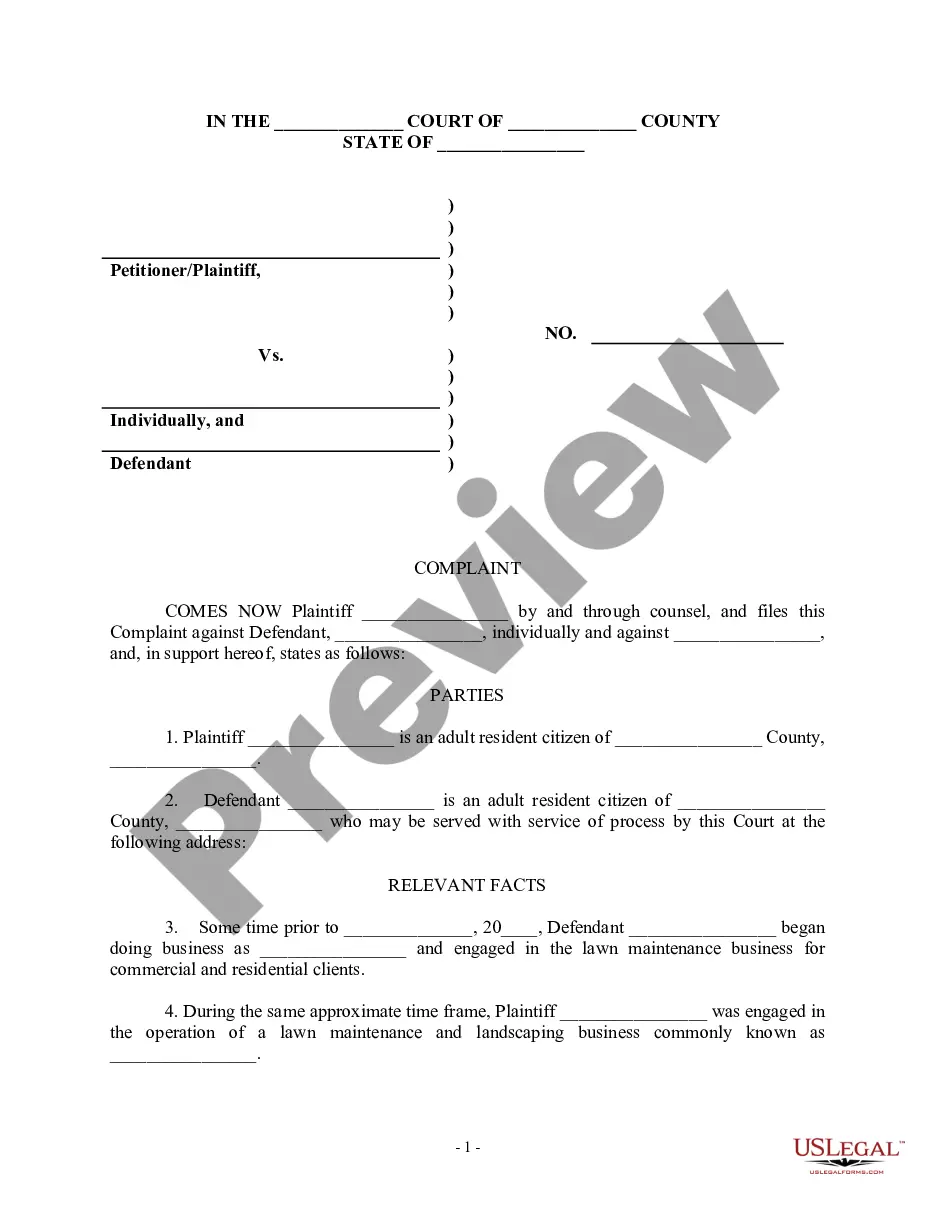
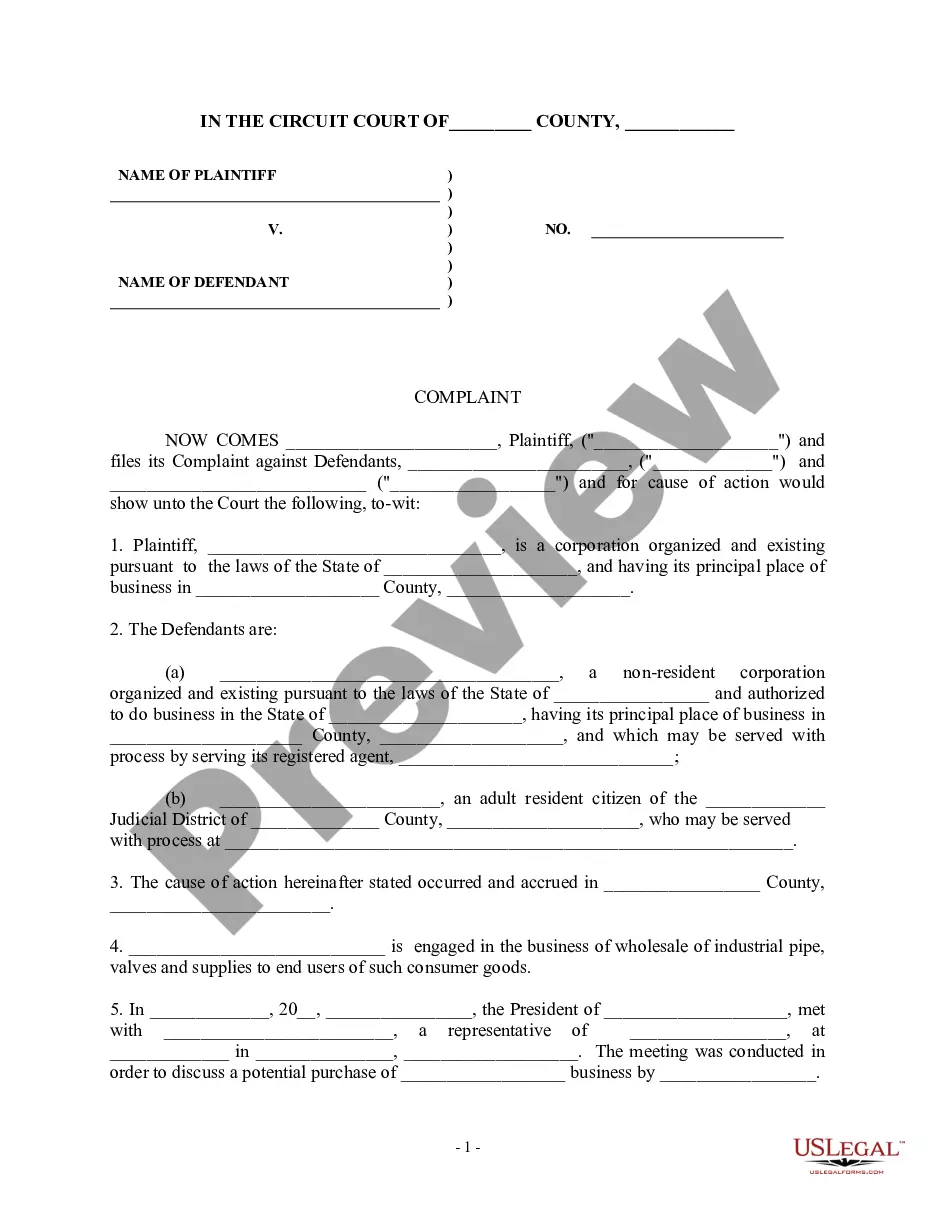

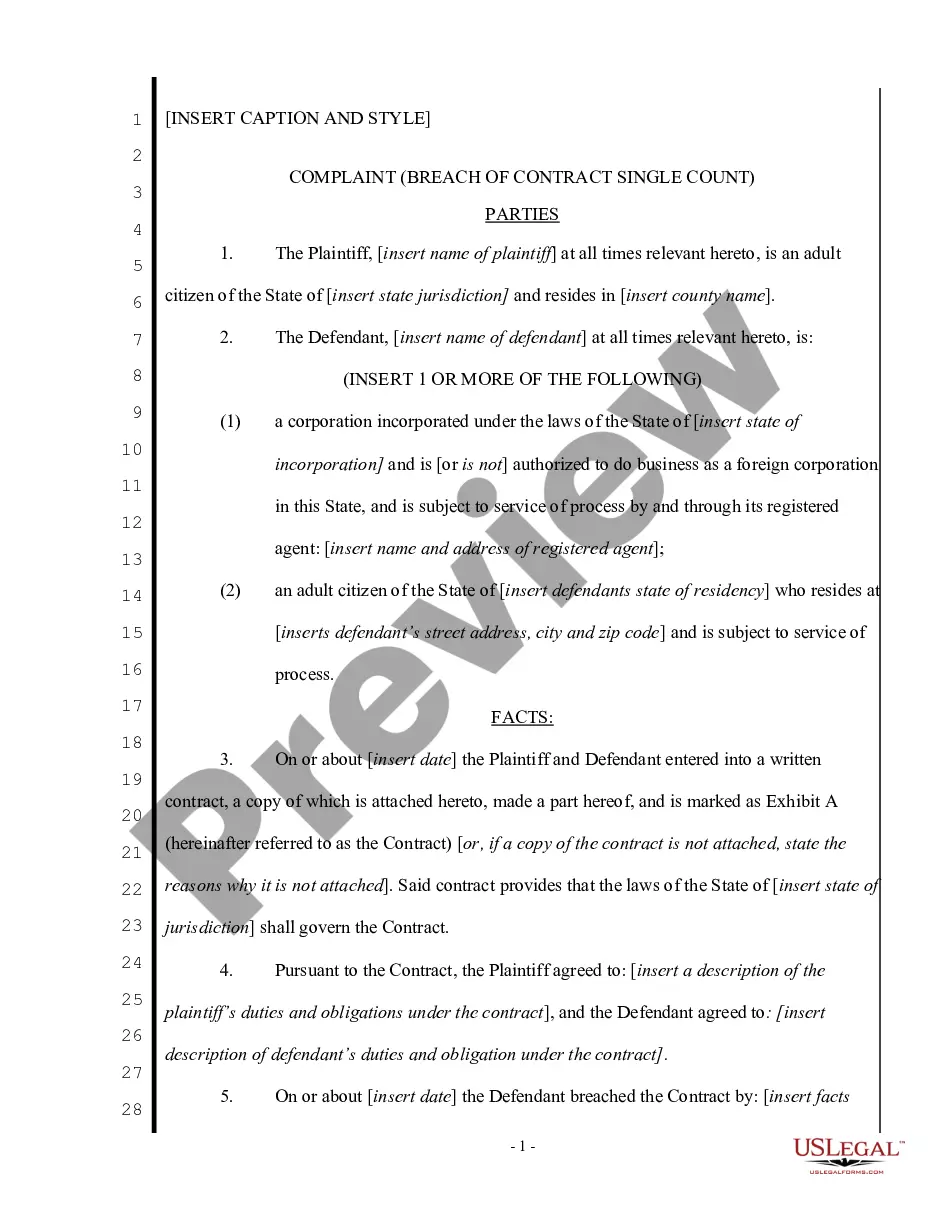
Get your form ready online
Our built-in tools help you complete, sign, share, and store your documents in one place.
Make edits, fill in missing information, and update formatting in US Legal Forms—just like you would in MS Word.
Download a copy, print it, send it by email, or mail it via USPS—whatever works best for your next step.
Sign and collect signatures with our SignNow integration. Send to multiple recipients, set reminders, and more. Go Premium to unlock E-Sign.
If this form requires notarization, complete it online through a secure video call—no need to meet a notary in person or wait for an appointment.
We protect your documents and personal data by following strict security and privacy standards.

Make edits, fill in missing information, and update formatting in US Legal Forms—just like you would in MS Word.

Download a copy, print it, send it by email, or mail it via USPS—whatever works best for your next step.

Sign and collect signatures with our SignNow integration. Send to multiple recipients, set reminders, and more. Go Premium to unlock E-Sign.

If this form requires notarization, complete it online through a secure video call—no need to meet a notary in person or wait for an appointment.

We protect your documents and personal data by following strict security and privacy standards.
Looking for another form?





Form popularity
FAQ
Generally speaking, there are two kinds of relief available through an injunction: prohibitory and mandatory.
Examples: “I am asking the court to grant me a _____ month/year injunction.” “I want no contact in person, at home, by phone, at work, by mail or through third parties.” “I would consider any contact in the future to be a violation.” Tell the court why you would like the temporary restraining order injunction.
What Is an Injunction and Why Is it Used? Injunction relief—also known as injunctive relief or simply as an injunction—is a court order that prohibits an organization or an individual from taking a specific action. Conversely, an injunction may also require an entity to take a certain action.
Injunctions can offer relief where monetary compensation does not suffice or is not appropriate. For example, in the case of bankruptcy, it is more appropriate to ask debt collectors to halt their collection efforts than to request financial rewards.
Injunctive relief, also known as an injunction, is a remedy which restrains a party from doing certain acts or requires a party to act in a certain way. It is generally only available when there is no other remedy at law and irreparable harm will result if the relief is not granted.
Injunctions may be granted to restrain a wide range of acts: a breach of contract, such as a contract against engaging in a competing business; the commission of a tort (e.g., a nuisance); an injury to property (e.g., the of a wall on the plaintiff's land); wrongful expulsion (e.g., from a club or a trade ...
A temporary restraining order (TRO) is a common preliminary injunctive relief example. For instance, a court order placing the sale of a company on hold while a breach of fiduciary duty or a shareholder derivative lawsuit is ongoing.
For example, if a court orders the removal of a building or structure due to misplaced construction, then it fits the description of a mandatory injunction.
State as briefly as possible the facts showing that each plaintiff is entitled to the injunction or other relief sought. State how each defendant was involved and what each defendant did that caused the plaintiff harm or violated the plaintiff's rights, including the dates and places of that involvement or conduct.
Natural Resources Defense Council, Inc., 555 U.S. 7 (2008), is applicable to all other litigants seeking preliminary injunctions, and requires that a party seeking a preliminary injunction must establish: (1) it is likely to succeed on the merits, (2) it is likely to suffer irreparable harm in the absence of ...
