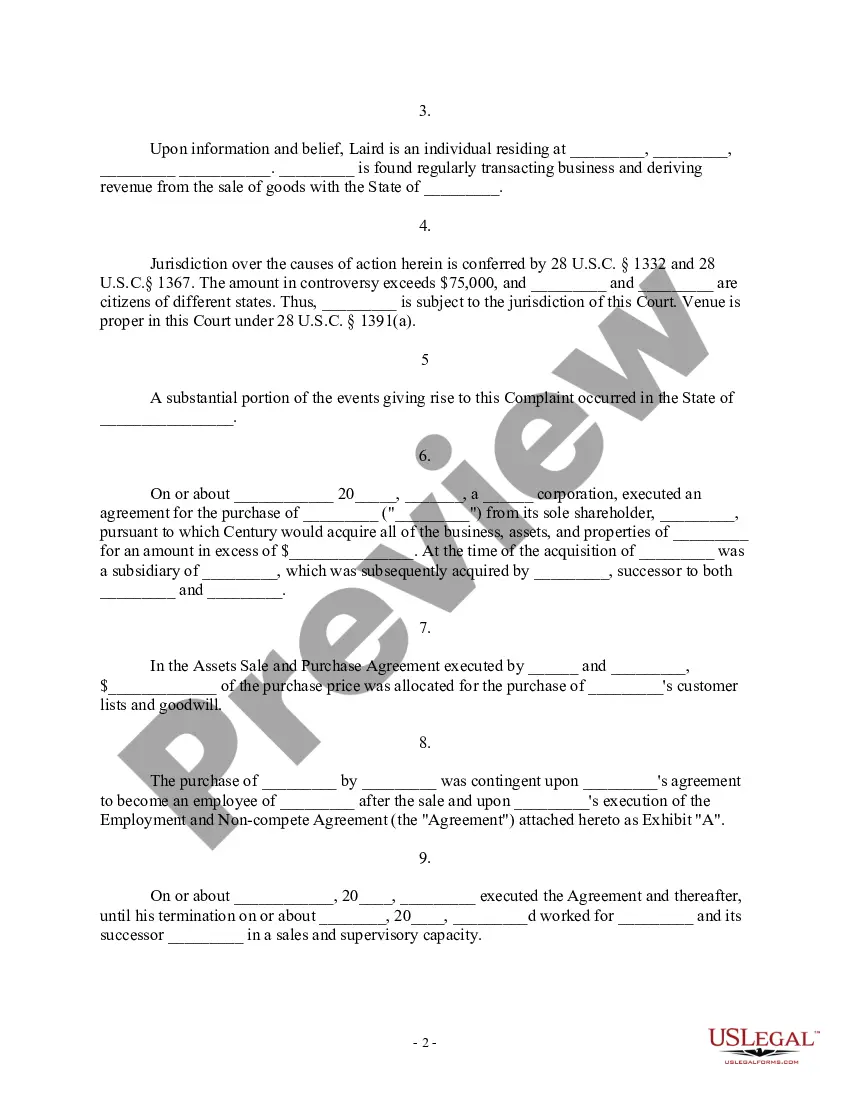
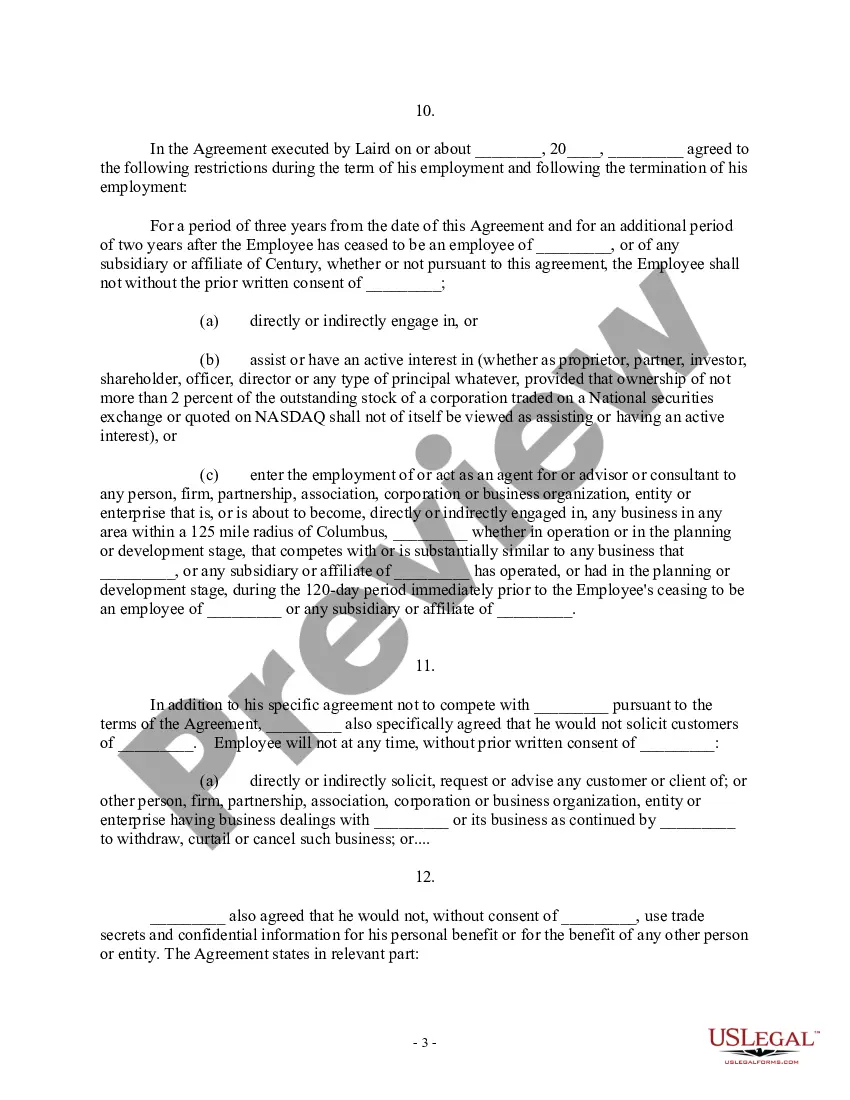
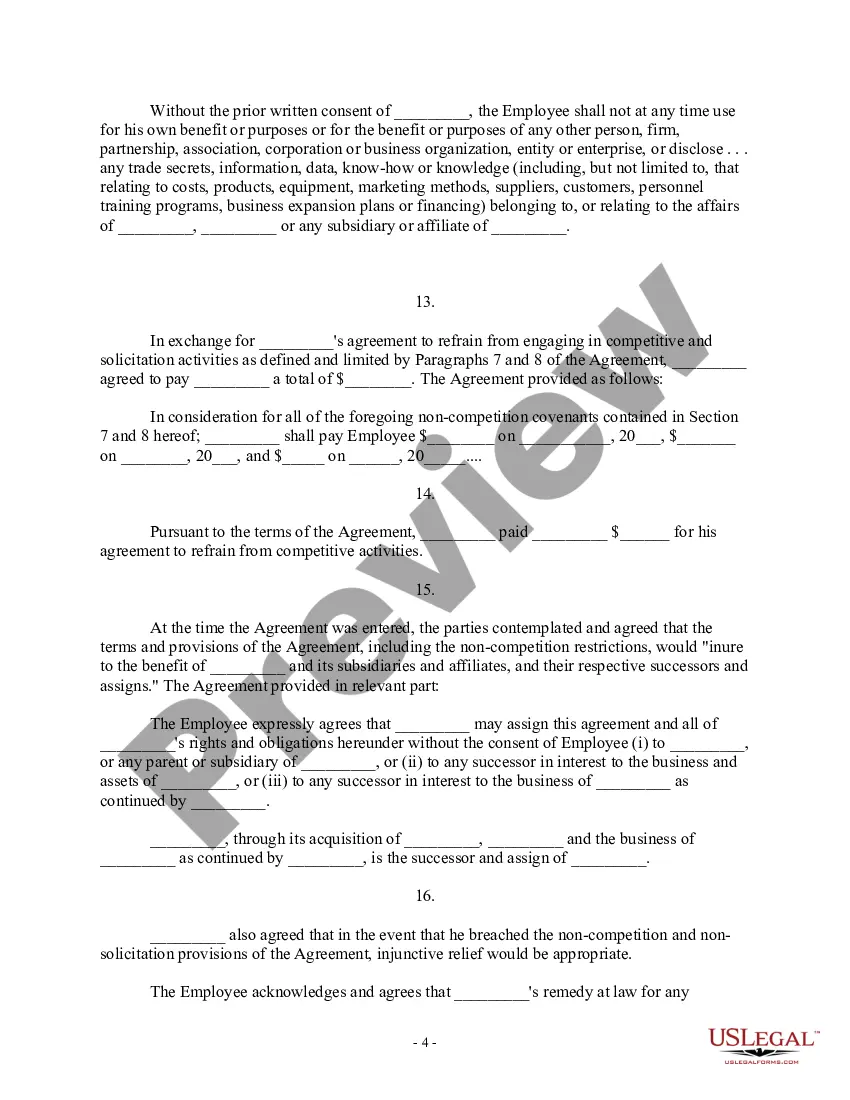
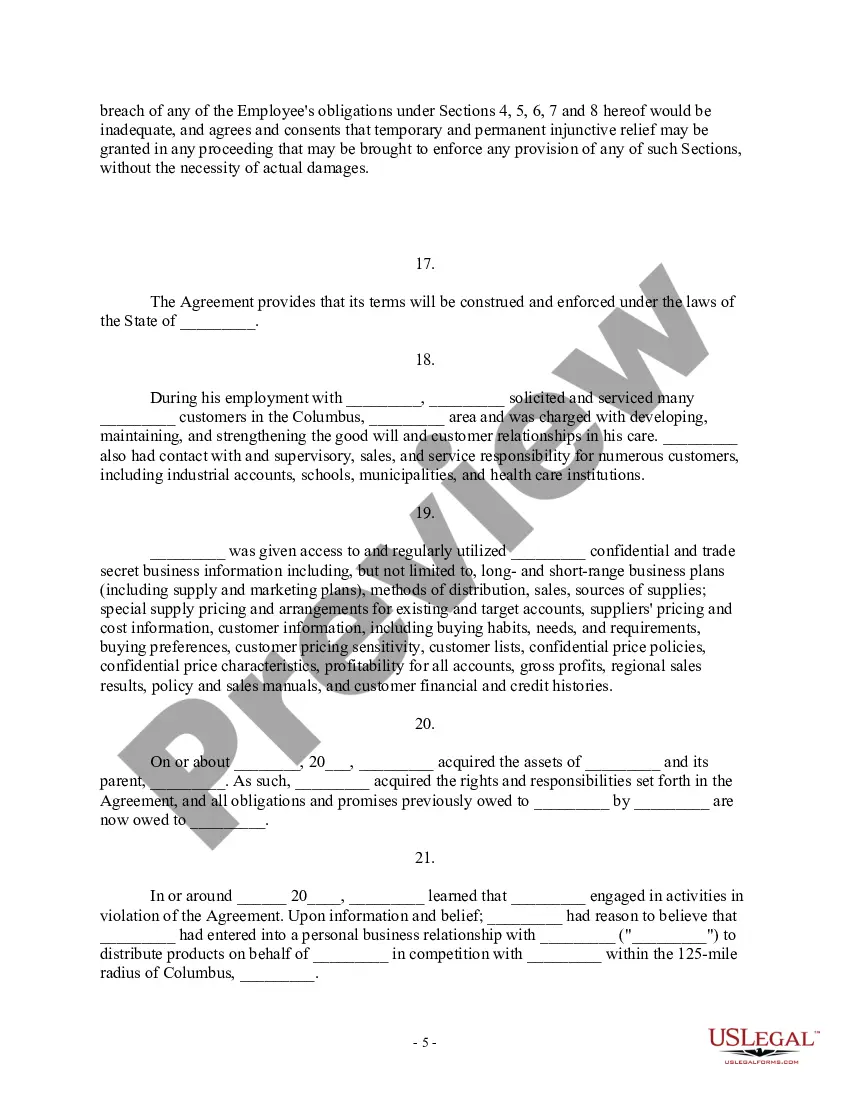
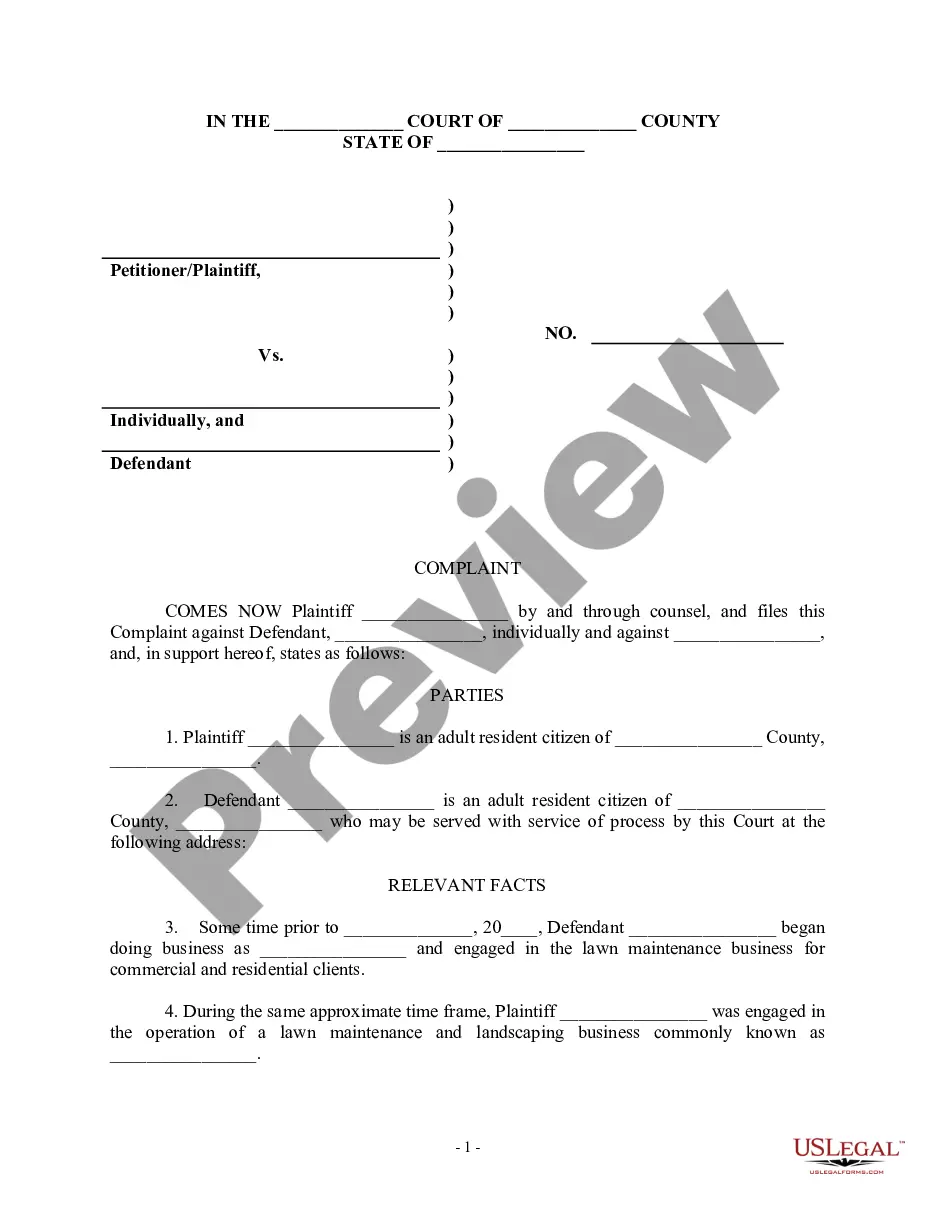
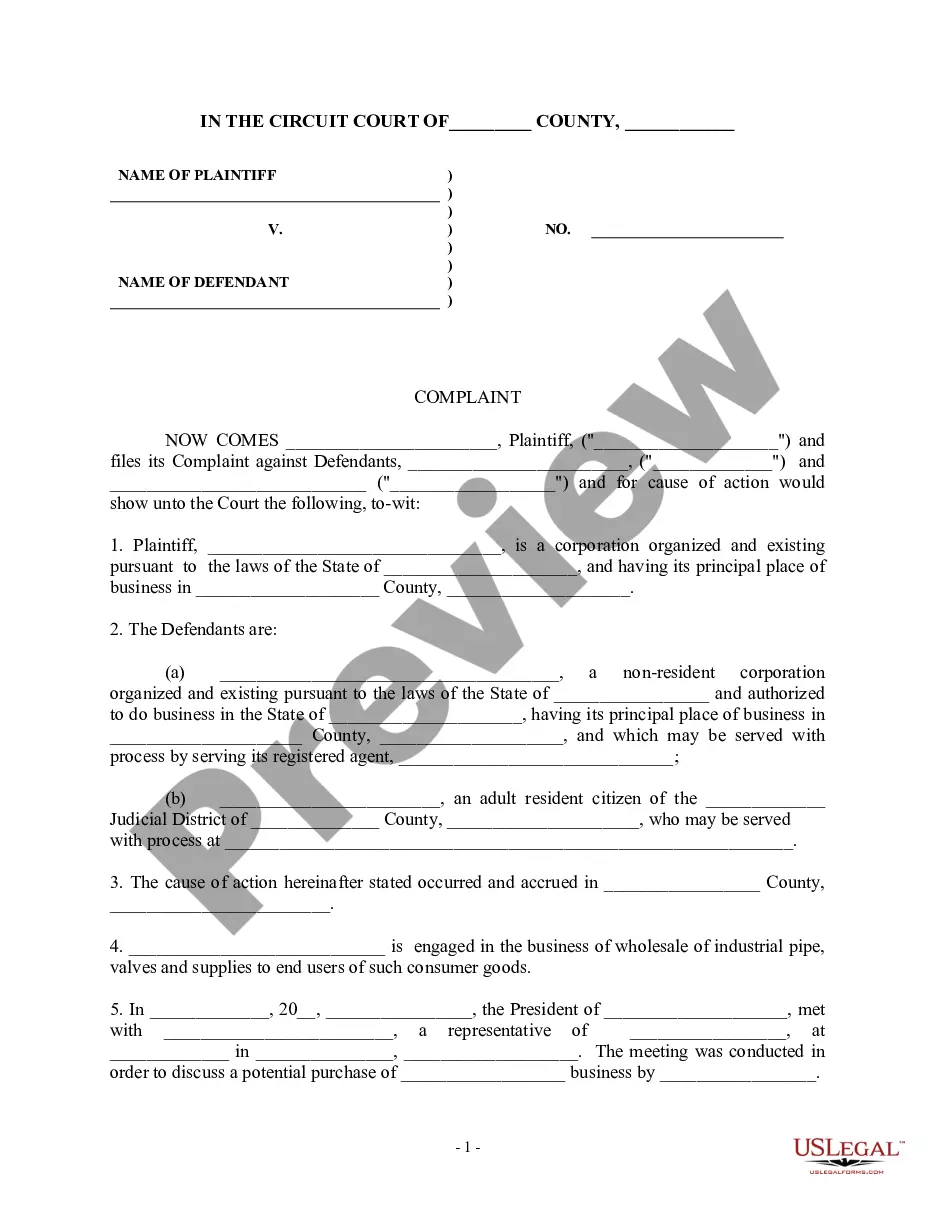
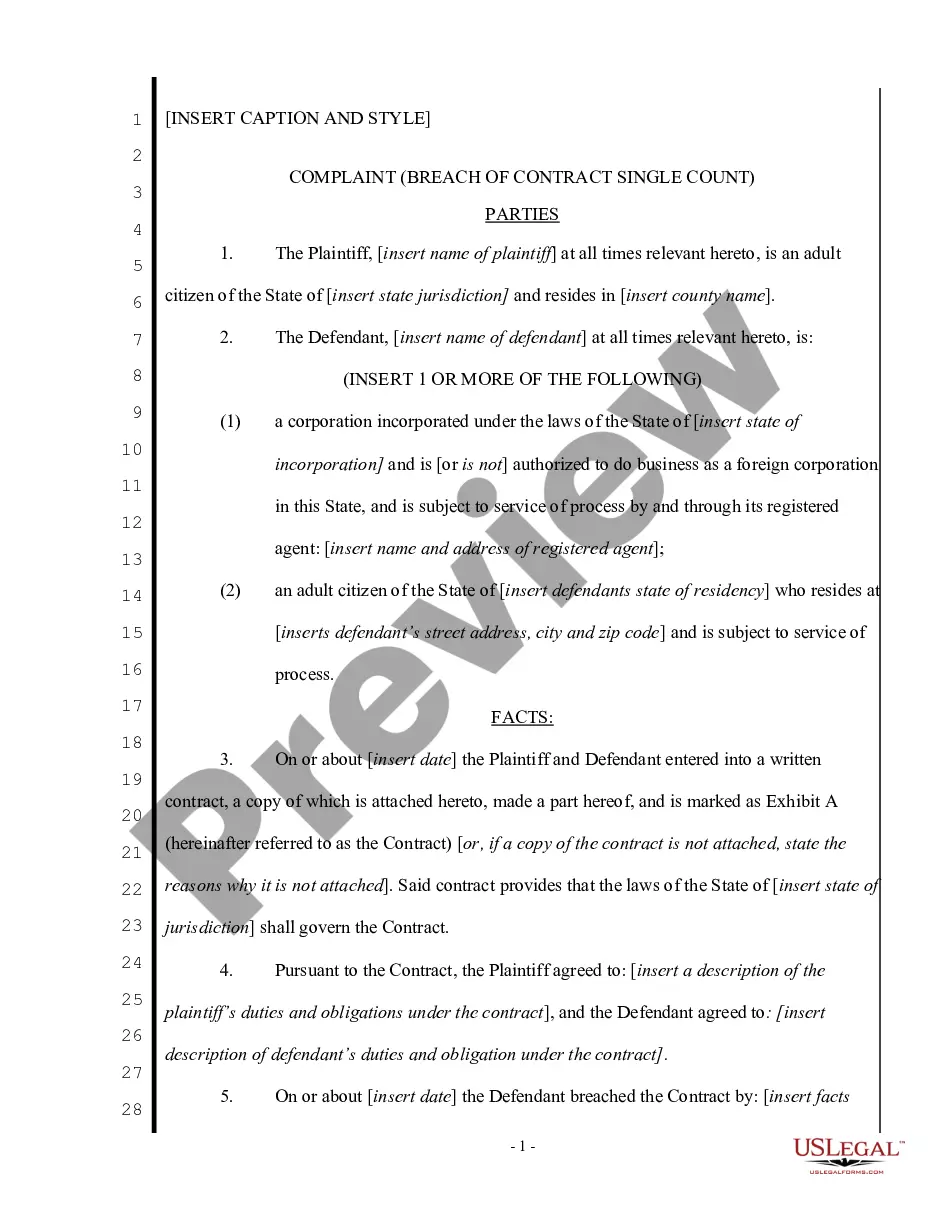
Complaint Injunctive Form With Two Points In Santa Clara
Description


Get your form ready online
Our built-in tools help you complete, sign, share, and store your documents in one place.
Make edits, fill in missing information, and update formatting in US Legal Forms—just like you would in MS Word.
Download a copy, print it, send it by email, or mail it via USPS—whatever works best for your next step.
Sign and collect signatures with our SignNow integration. Send to multiple recipients, set reminders, and more. Go Premium to unlock E-Sign.
If this form requires notarization, complete it online through a secure video call—no need to meet a notary in person or wait for an appointment.
We protect your documents and personal data by following strict security and privacy standards.

Make edits, fill in missing information, and update formatting in US Legal Forms—just like you would in MS Word.

Download a copy, print it, send it by email, or mail it via USPS—whatever works best for your next step.

Sign and collect signatures with our SignNow integration. Send to multiple recipients, set reminders, and more. Go Premium to unlock E-Sign.

If this form requires notarization, complete it online through a secure video call—no need to meet a notary in person or wait for an appointment.

We protect your documents and personal data by following strict security and privacy standards.
Looking for another form?









Form popularity
FAQ
Conclusion: Going to small claims court may be worth it for $500, but it will determine how you weigh your costs versus benefits. At a minimum, it is worth it to send a demand letter.
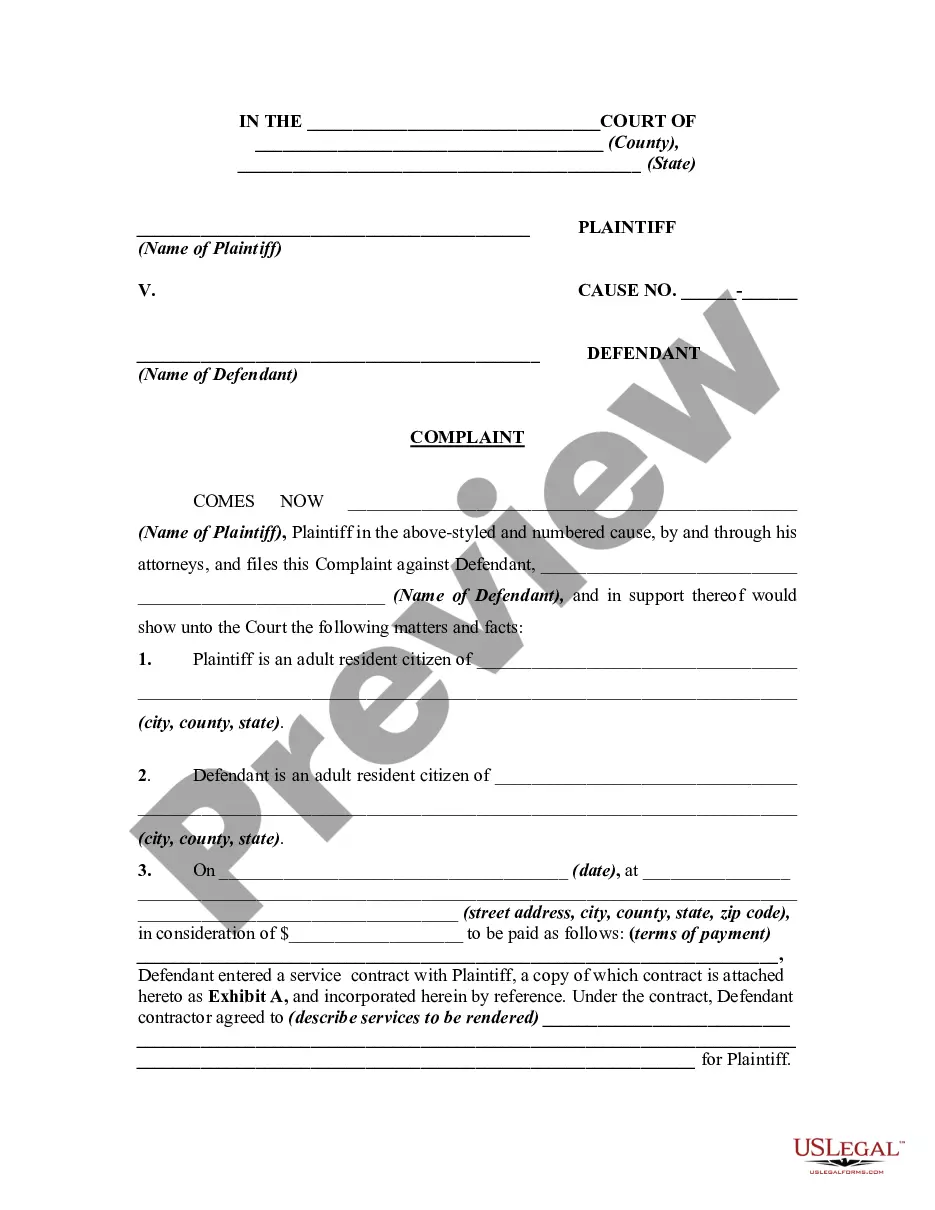
Injunctive relief, also known as an injunction, is a remedy which restrains a party from doing certain acts or requires a party to act in a certain way. It is generally only available when there is no other remedy at law and irreparable harm will result if the relief is not granted.
If you want to ask for more than $10,000 (for individuals) or $5,000 (businesses and other entities), you need to sue in the civil division of the superior court and not in small claims court. In the civil division, lawyers can represent each side.
Small claims basics Generally, you can only sue for up to $12,500 in small claims court (or up to $6,250 if you're a business). You can ask a lawyer for advice before you go to court, but you can't have one with you in court. Starting November 1, 2021, you can sue or be sued for COVID-19 rental debt in small claims.
Filing your complaint starts your case, but the summons is the document that is issued under the court's authority that notifies your defendant they are being sued and that they need to take action.
File a complaint with government or consumer programs File a complaint with your local consumer protection office. Notify the Better Business Bureau (BBB) in your area about your problem. The BBB tries to resolve complaints against companies. Report scams and suspicious communications to the Federal Trade Commission.
You can contact the Santa Clara County Investigations Division District Office at (408) 942-2952 or file a complaint using their website.
complaint generally should be filed before or with an Answer. A response to a crosscomplaint generally must be filed within 30 days of being served with the crosscomplaint. Code of Civil Procedure 432.10.
