Complaint Prayer For Relief Example In Los Angeles
Description

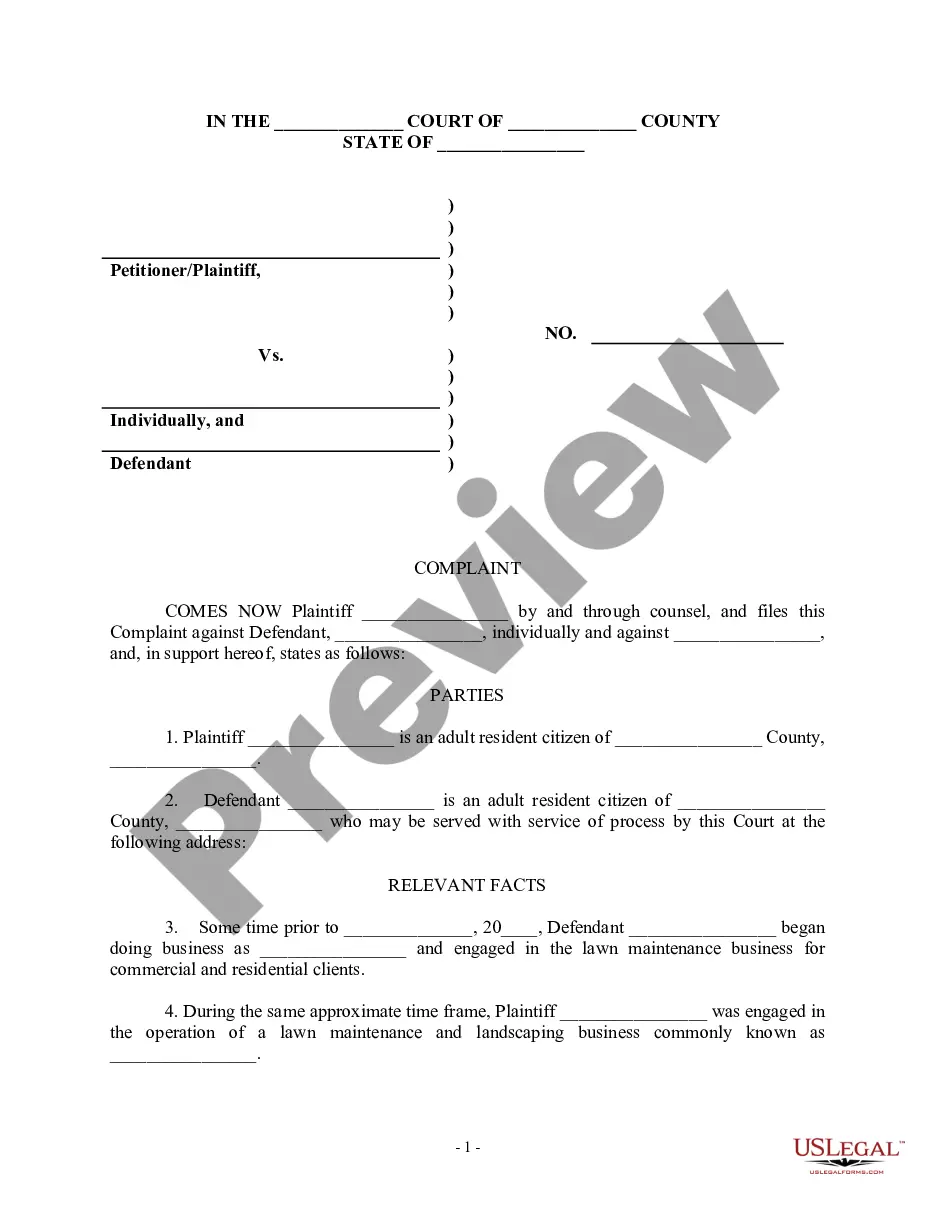

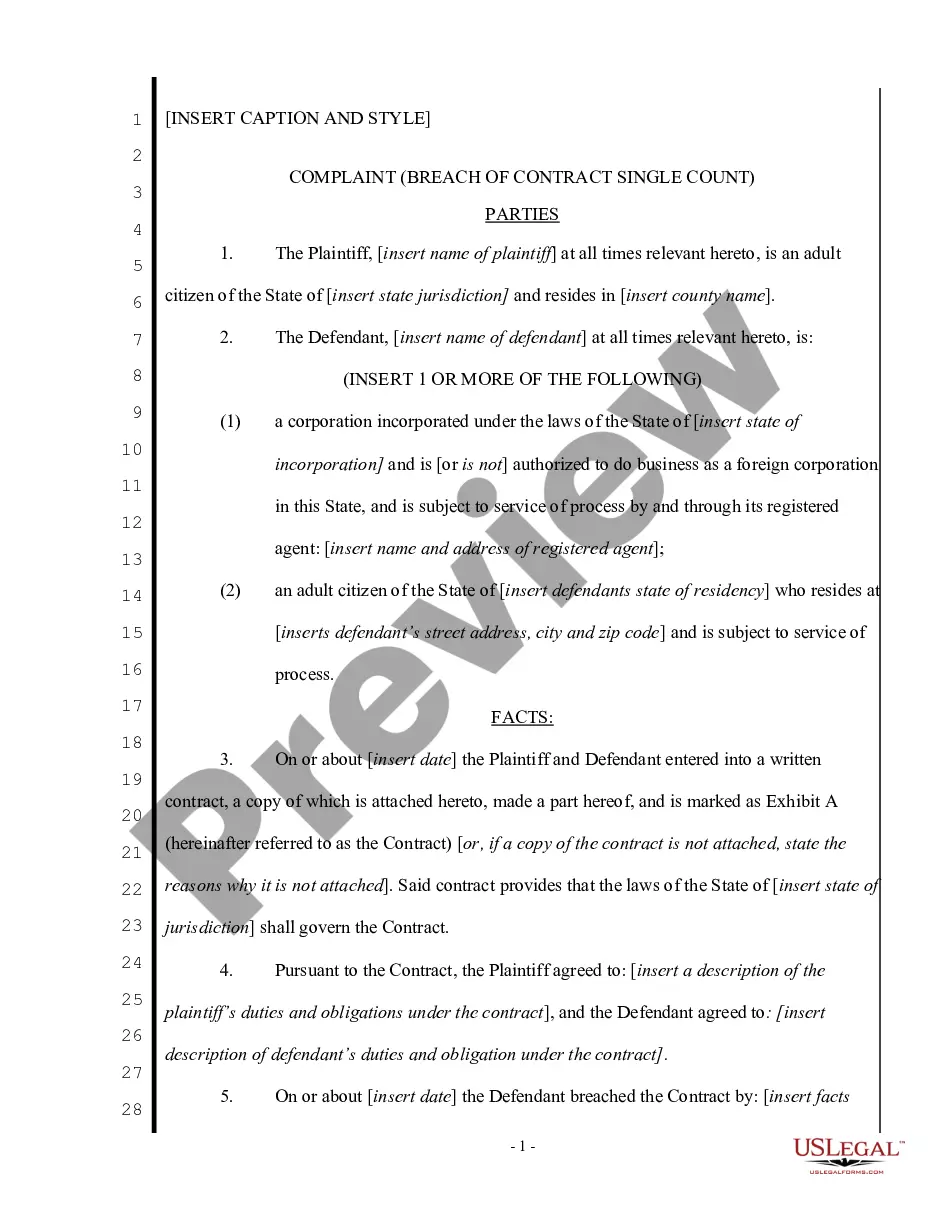
Get your form ready online
Our built-in tools help you complete, sign, share, and store your documents in one place.
Make edits, fill in missing information, and update formatting in US Legal Forms—just like you would in MS Word.
Download a copy, print it, send it by email, or mail it via USPS—whatever works best for your next step.
Sign and collect signatures with our SignNow integration. Send to multiple recipients, set reminders, and more. Go Premium to unlock E-Sign.
If this form requires notarization, complete it online through a secure video call—no need to meet a notary in person or wait for an appointment.
We protect your documents and personal data by following strict security and privacy standards.

Make edits, fill in missing information, and update formatting in US Legal Forms—just like you would in MS Word.

Download a copy, print it, send it by email, or mail it via USPS—whatever works best for your next step.

Sign and collect signatures with our SignNow integration. Send to multiple recipients, set reminders, and more. Go Premium to unlock E-Sign.

If this form requires notarization, complete it online through a secure video call—no need to meet a notary in person or wait for an appointment.

We protect your documents and personal data by following strict security and privacy standards.
Looking for another form?


Form popularity
FAQ
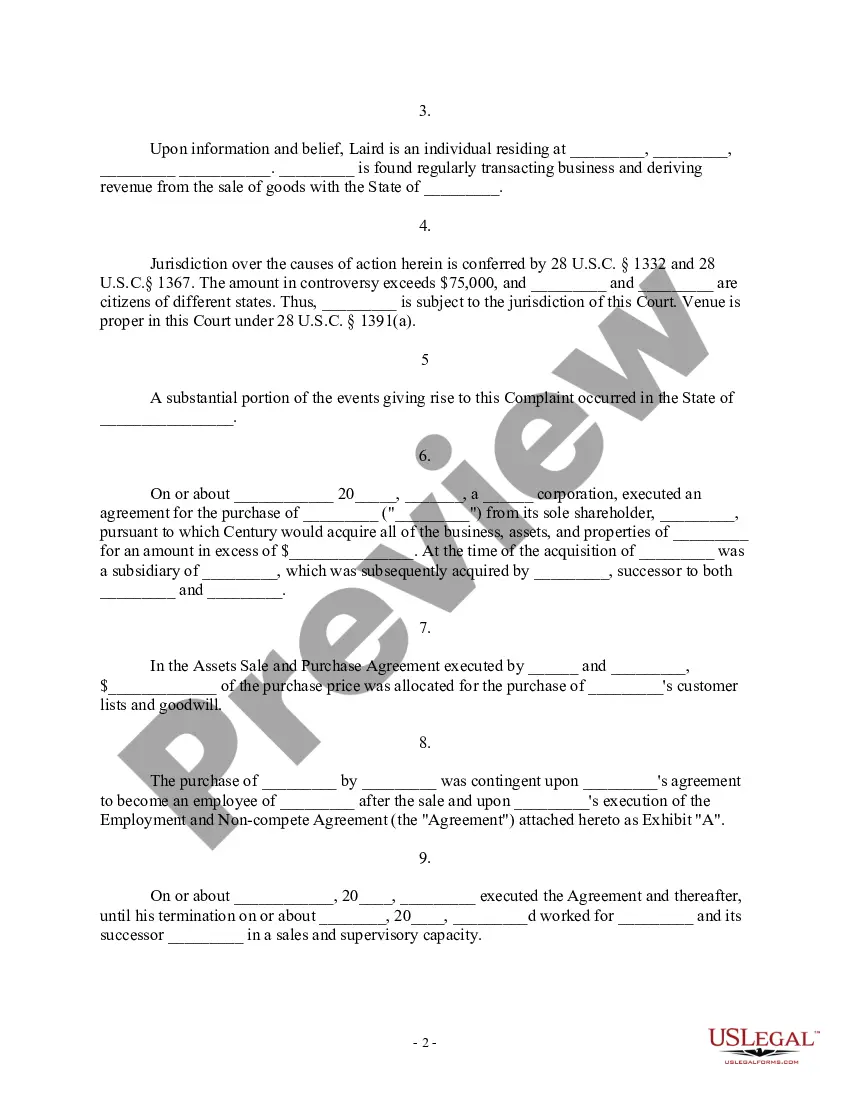
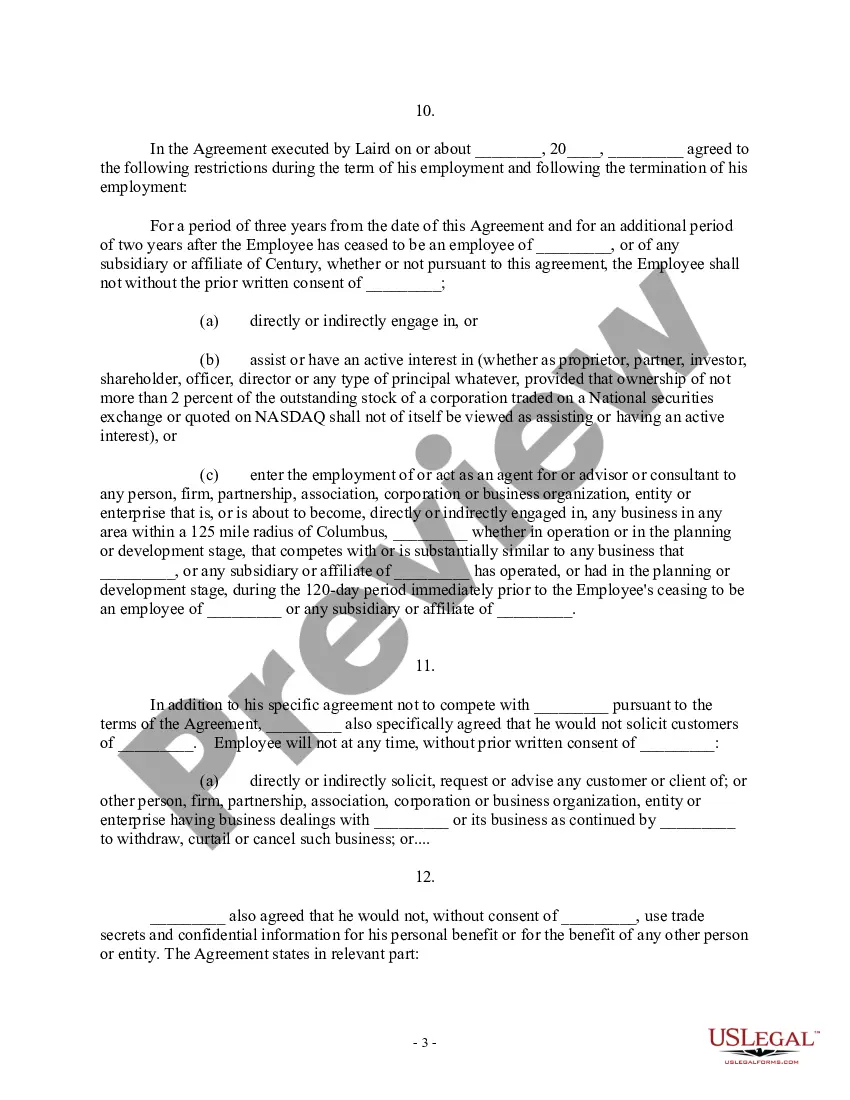
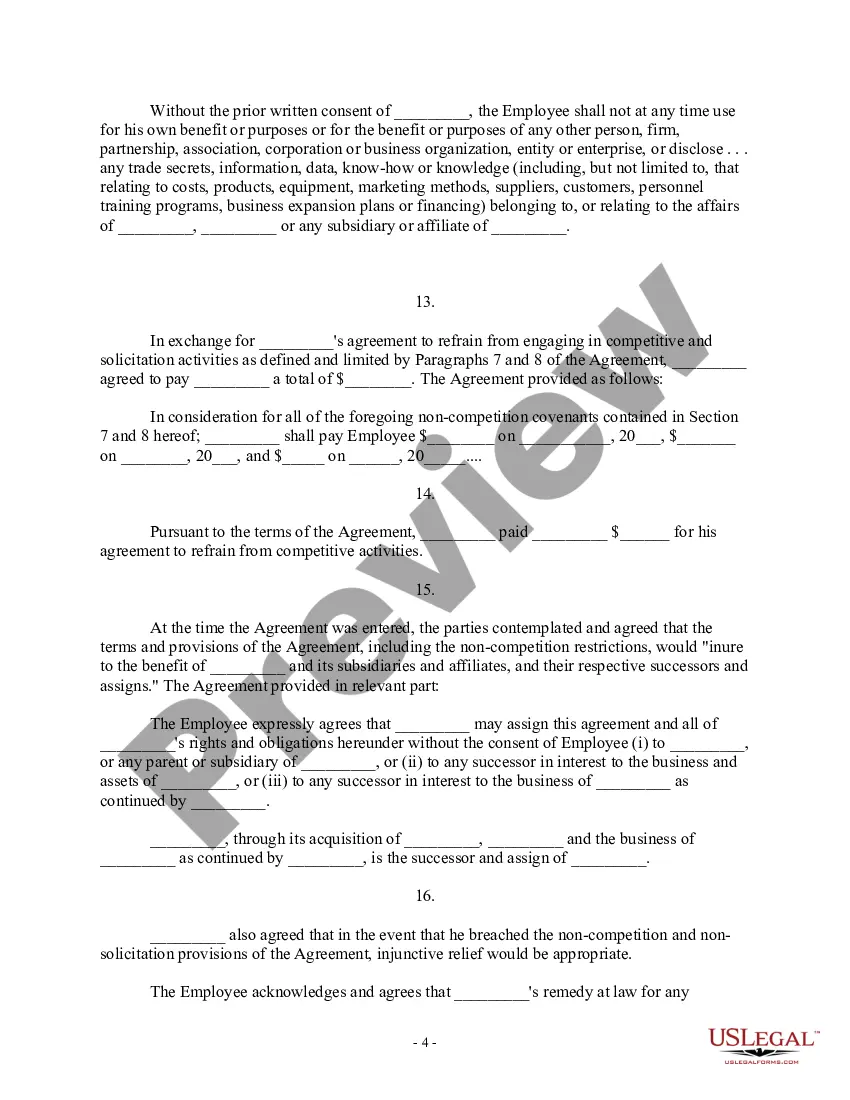
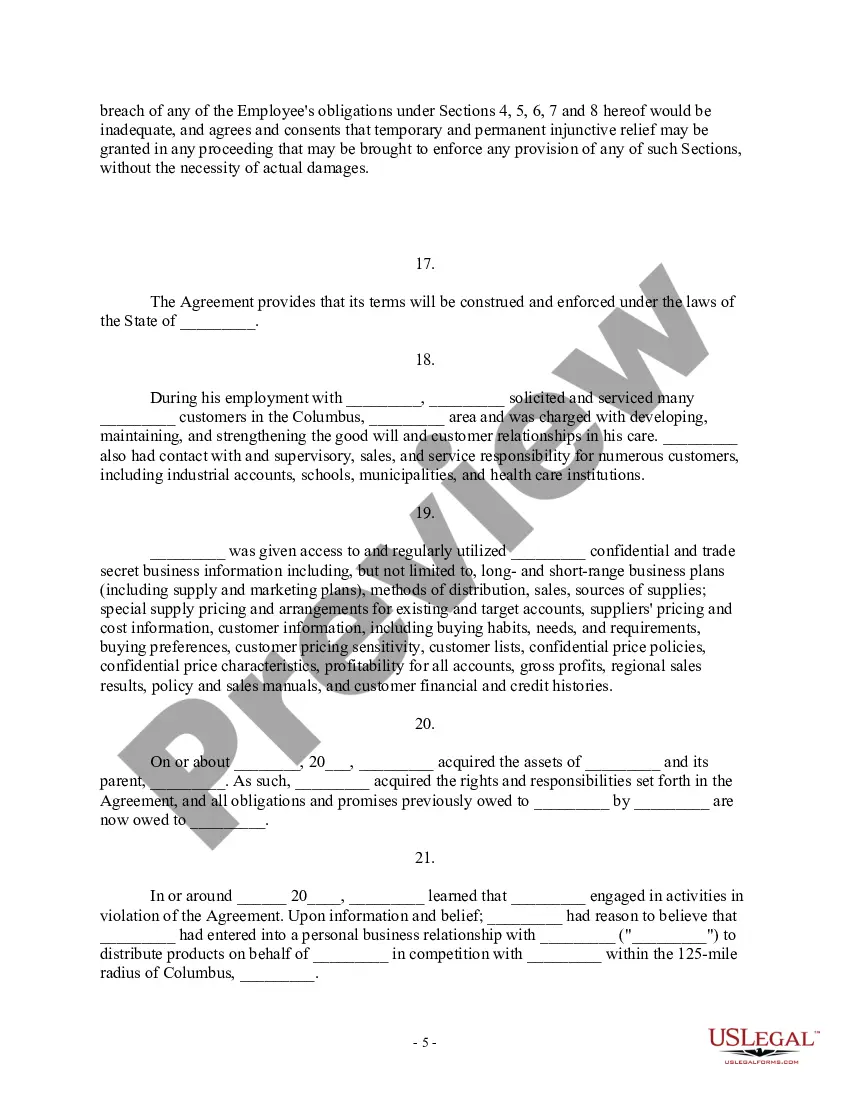
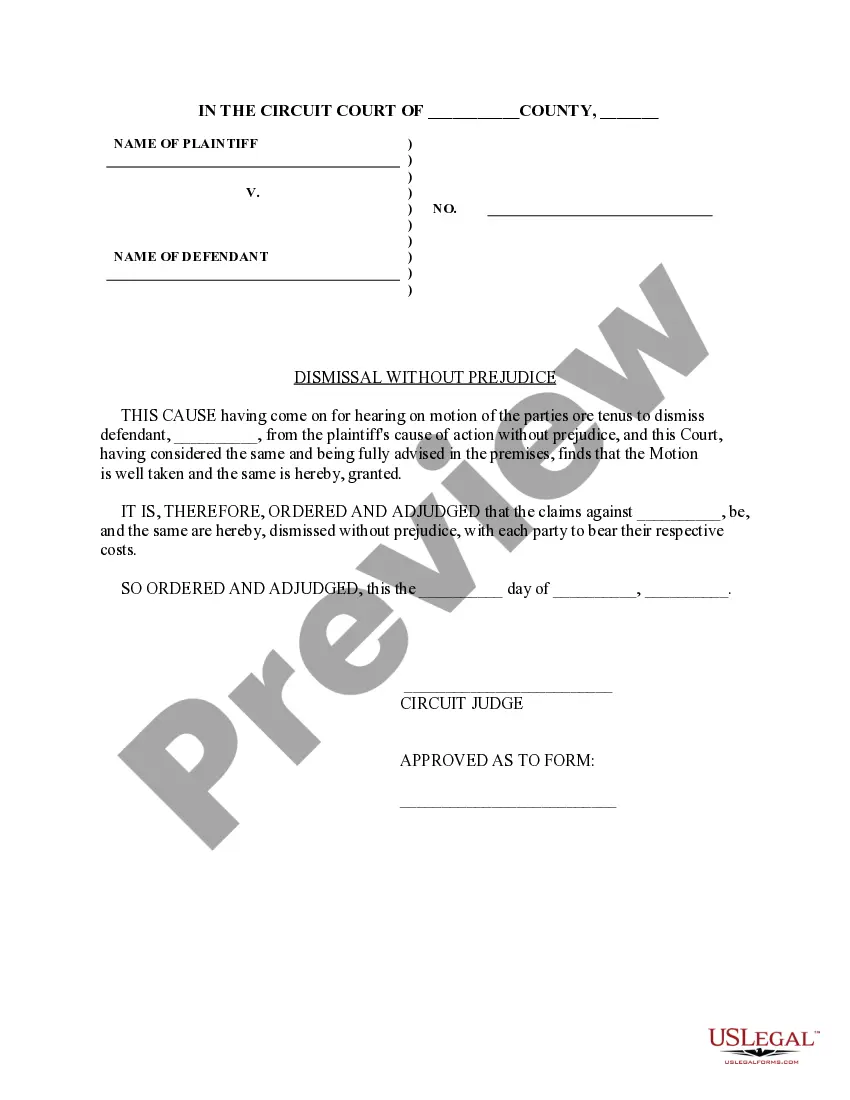
A prayer for relief, in the law of civil procedure, is a portion of a complaint in which the plaintiff describes the remedies that the plaintiff seeks from the court.
The Legal Ombudsman's Top tips for responding to complaints 1 Keep it simple. Avoid jargon, pretentious language and using legal / technical terms. 2 Be timely. 3 Take it seriously. 4 Acknowledge stress or inconvenience caused. 5 Don't be afraid to apologise. 6 Appreciate feedback. 7 Be clear.
The “5-year rule” in California refers to summary dissolution, which is a simplified process for ending a marriage or domestic partnership without a formal court hearing. Its hope is to be a fast and less expensive option for couples who meet the specific criteria.
Any person interested under a written instrument, excluding a will or a trust, or under a contract, or who desires a declaration of his or her rights or duties with respect to another, or in respect to, in, over or upon property, or with respect to the location of the natural channel of a watercourse, may, in cases of ...
You must fill out an Answer, serve the plaintiff, and file your Answer form with the court. Generally, this is due within 30 days after you were served. If you don't, the plaintiff can ask for a default. If there's a default, the court won't let you file an Answer and can decide the case without you.
(d) Timing of responsive pleadings The parties may stipulate without leave of court to one 15-day extension beyond the 30-day time period prescribed for the response after service of the initial complaint.
An answer may be amended once without leave of court within ten (10) days after the answer was filed, or if there is a demurrer to the answer, amendment without leave of court may be made before the demurrer hearing. Amendment as a matter of right is made by filing and serving the amended pleading.
The prayer for relief is the part of complaint where a plaintiff states the damages or other remedies it is seeking from the court in a lawsuit. Federal Rules of Civil Procedure 8(a)(3) requires that a plaintiff's pleadings contains a prayer for relief. The prayer is often located at the end of the complaint.
For example, if a person is injured in a car accident, they may file a lawsuit against the driver who caused the accident. In their complaint, they would include a prayer for relief asking for compensation for their medical bills, lost wages, and pain and suffering.