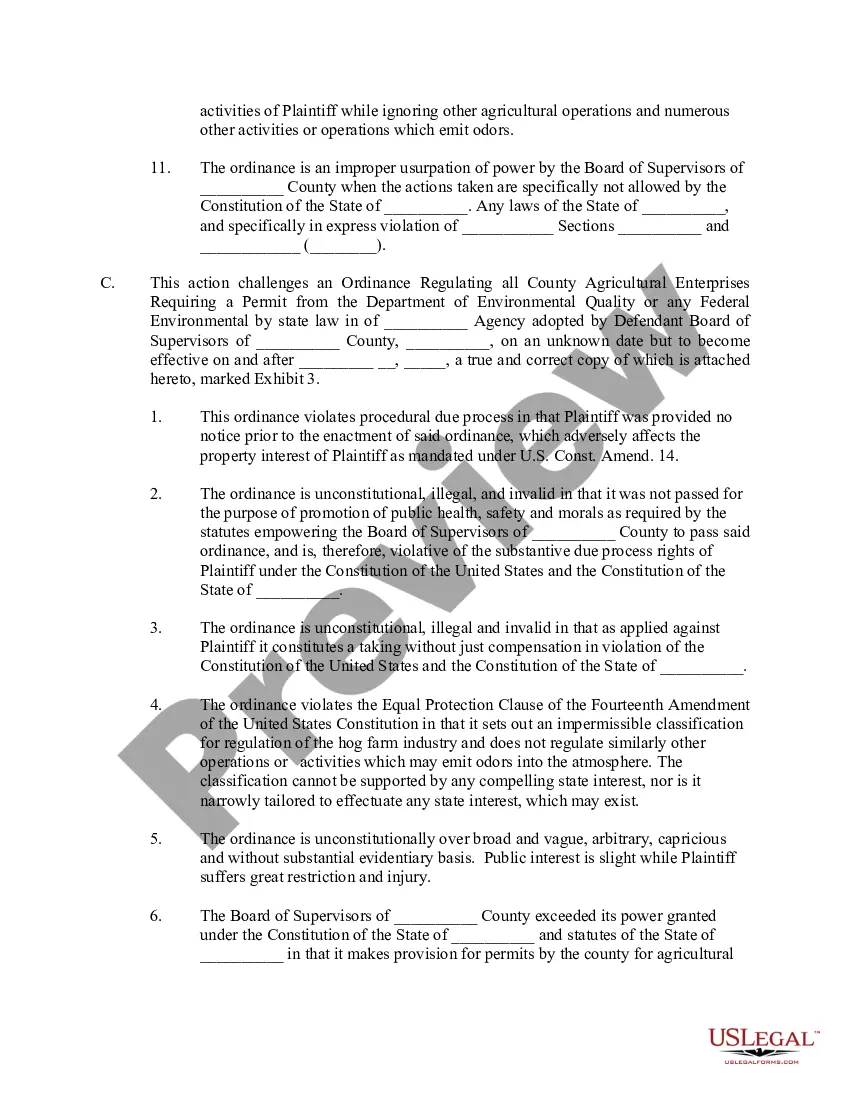
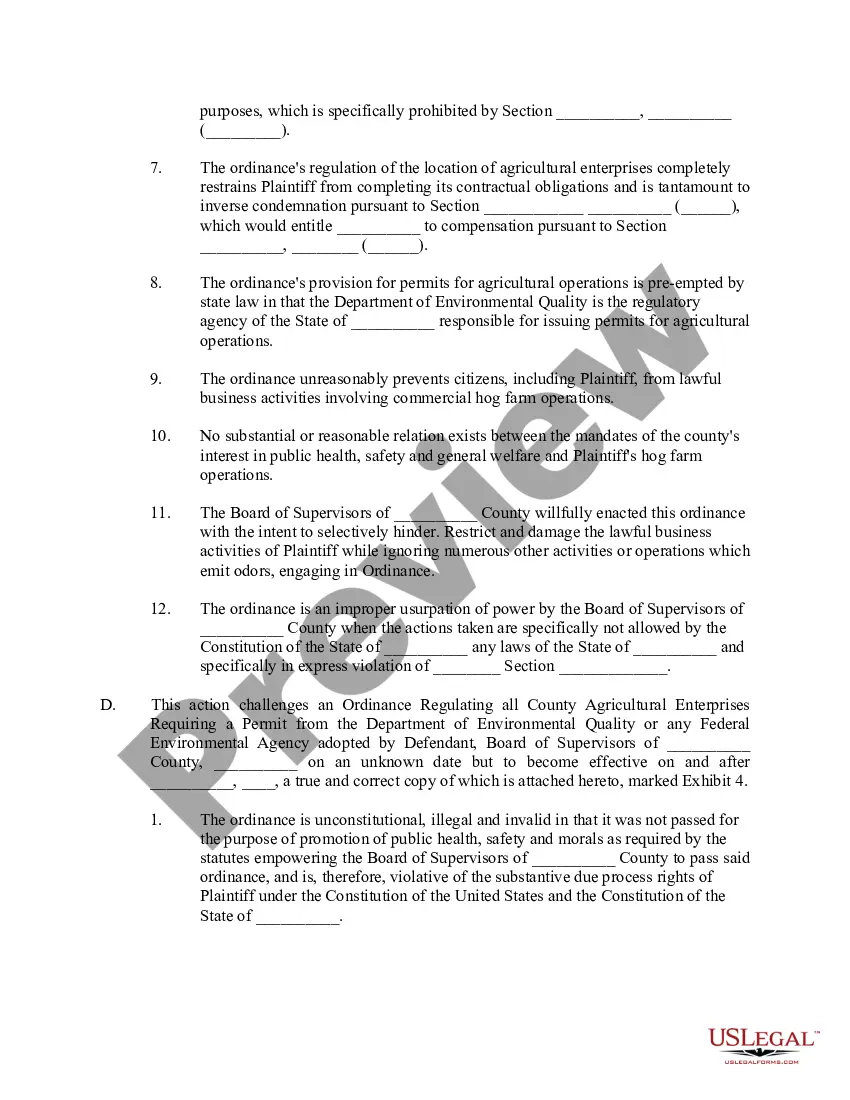
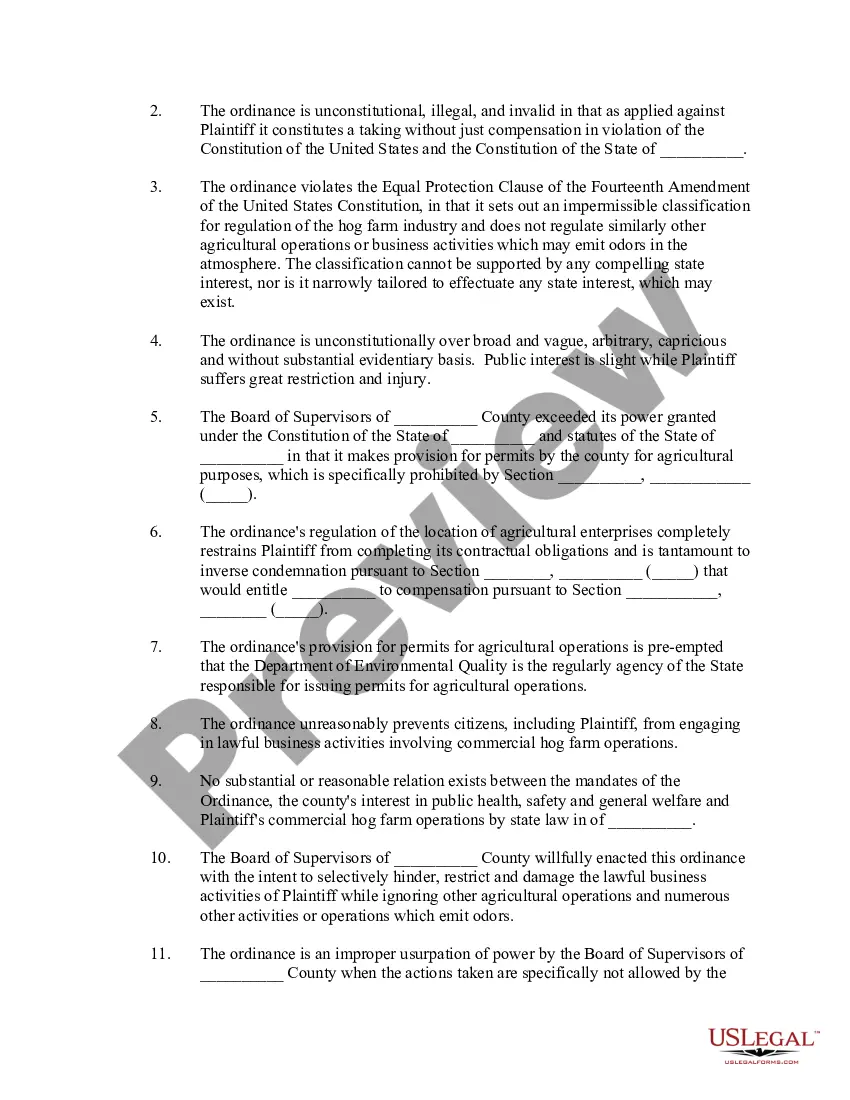
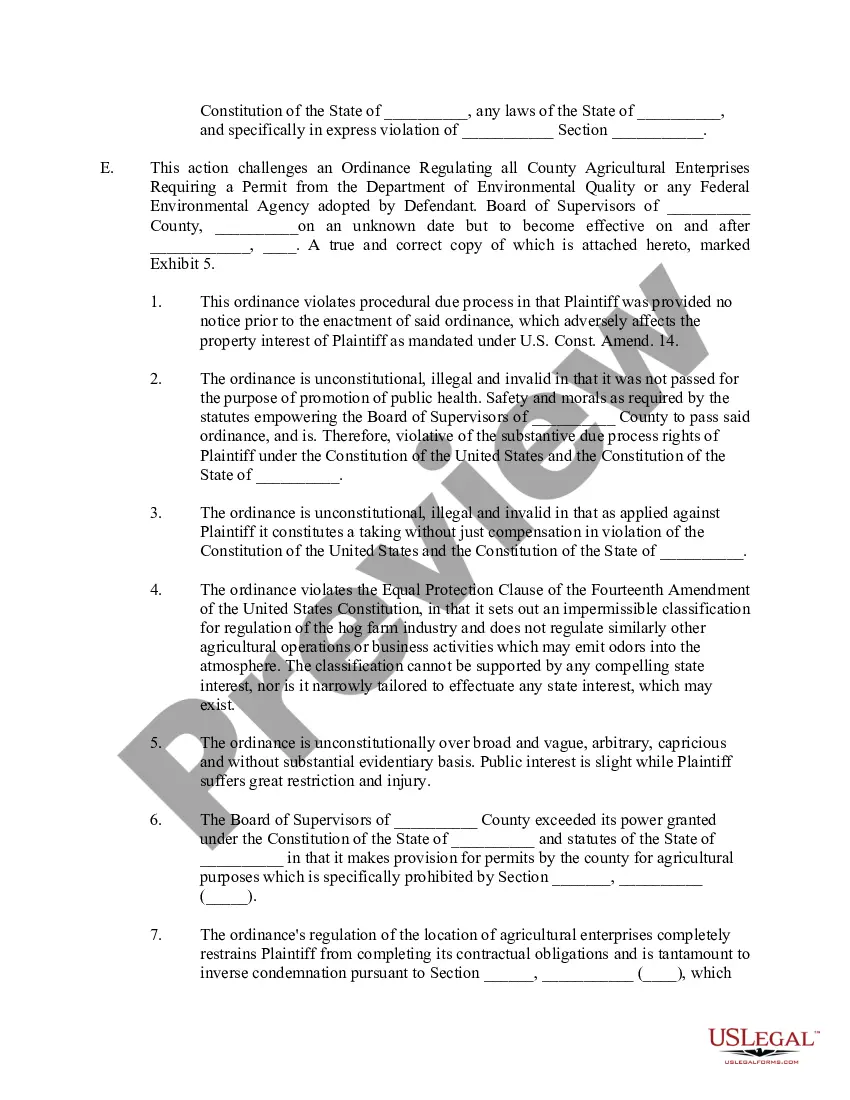
Temporary Restraining Order Sample With Motion To Dismiss In Fulton
Description







Get your form ready online
Our built-in tools help you complete, sign, share, and store your documents in one place.
Make edits, fill in missing information, and update formatting in US Legal Forms—just like you would in MS Word.
Download a copy, print it, send it by email, or mail it via USPS—whatever works best for your next step.
Sign and collect signatures with our SignNow integration. Send to multiple recipients, set reminders, and more. Go Premium to unlock E-Sign.
If this form requires notarization, complete it online through a secure video call—no need to meet a notary in person or wait for an appointment.
We protect your documents and personal data by following strict security and privacy standards.

Make edits, fill in missing information, and update formatting in US Legal Forms—just like you would in MS Word.

Download a copy, print it, send it by email, or mail it via USPS—whatever works best for your next step.

Sign and collect signatures with our SignNow integration. Send to multiple recipients, set reminders, and more. Go Premium to unlock E-Sign.

If this form requires notarization, complete it online through a secure video call—no need to meet a notary in person or wait for an appointment.

We protect your documents and personal data by following strict security and privacy standards.
Looking for another form?






Form popularity
FAQ
A preliminary injunction is temporary relief that preserves the status quo until the courts decide on the merits of the case. The relief sought often involves asking a court to prevent an opposing party from taking specific action or continuing a current course of action.
A significant change in circumstances, such as improved behavior, completion of anger management or counseling programs, or evidence that the risk of violence has diminished, may provide grounds for seeking the dismissal of a restraining order.
Temporary Ex Parte Protective Orders These orders generally last up to 20 days but can be extended by the court if necessary, mainly if the final hearing has not yet occurred. In cases where delays in the court process occur, or new threats emerge, the court may grant an extension of the ex parte order.
The term “ex parte” means "from one party” in Latin, which can describe any situation where a judge communicates with only one side (or one party's lawyer) in a legal matter. Ex parte hearings are only granted in extreme cases, as they contradict the fundamental right to due process guaranteed by the Constitution.
Ex parte means that the abuser does not have to be present or given notice of the hearing. This is a preliminary hearing where the judge can grant you a temporary restraining order for 10 days.
What if I want to drop (dismiss) my permanent restraining order? If you want to drop your restraining order, you need to go back to the court that issued your order and fill out a request (motion) to dismiss the order. You may have to talk to the judge and tell him/her why you want to drop the restraining order.
Denial of the ex parte motion likely meant the Court was not convinced that the immediate grant of your request was necessary to protect the individual or the individual's rights. Don't forget the ex parte motion is one of the few times when the court system does not offer both parties a level playing field.
If by ex parte you mean a hearing where the other side fails to appear despite notice, then you must show that the other side was properly served with notice. You must then present evidence to prove that you are entitled to the relief you have requested.
A motion to dismiss the entire case puts off any need to file an answer until after the motion is decided. When a motion to dismiss addresses some but not all claims in the complaint, most courts have held that there is no need to answer even on those counts not affected by the motion until the ruling is given.
The first lines of your motion should state your name and role in the case, and what you are asking the judge to do. Traditionally, the first line begins "Comes now the defendant," followed by your name. Then you state that you're asking the court to dismiss the plaintiff's complaint.
