Emergency Injunction Form With Motion In Alameda
Description

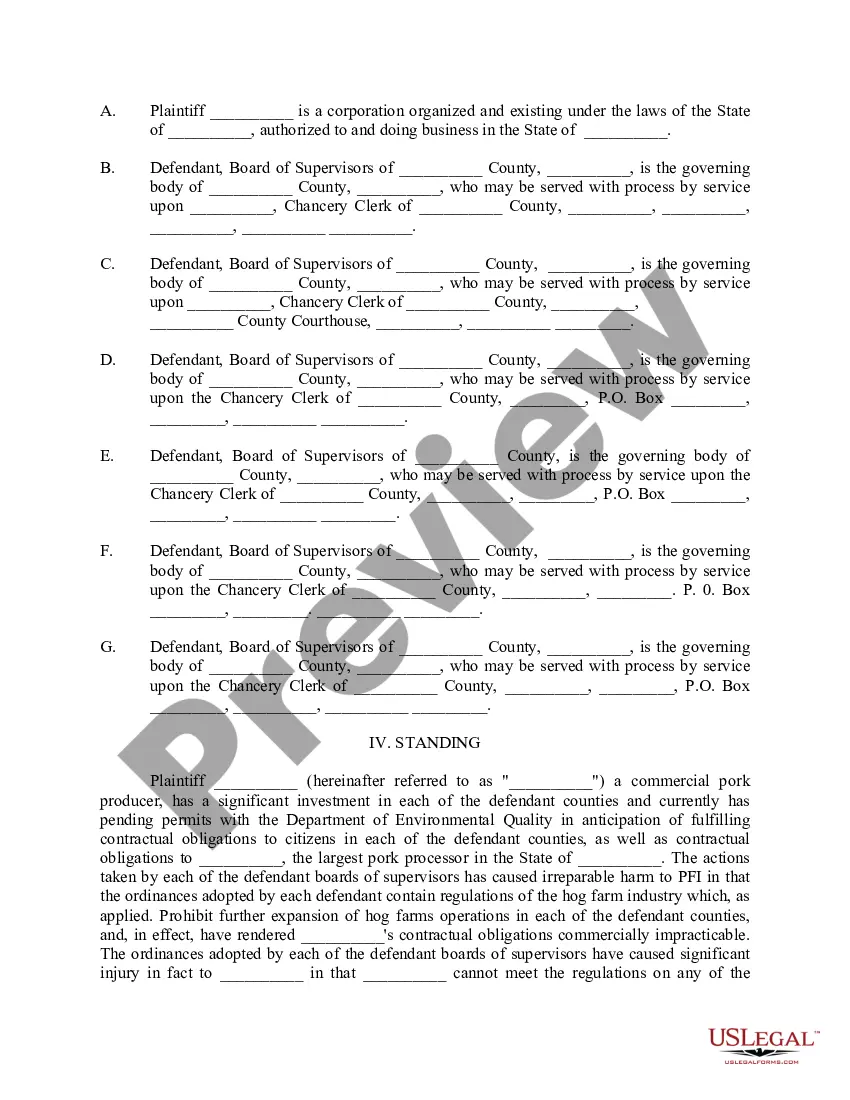
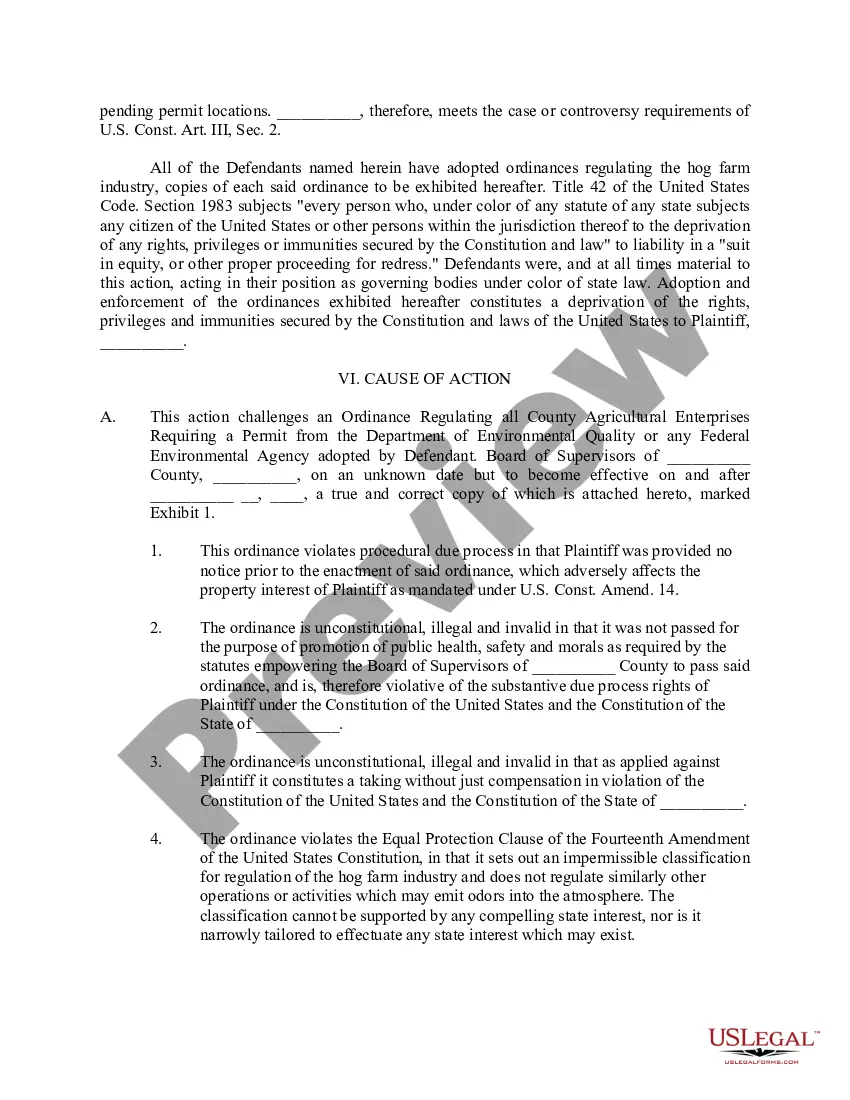
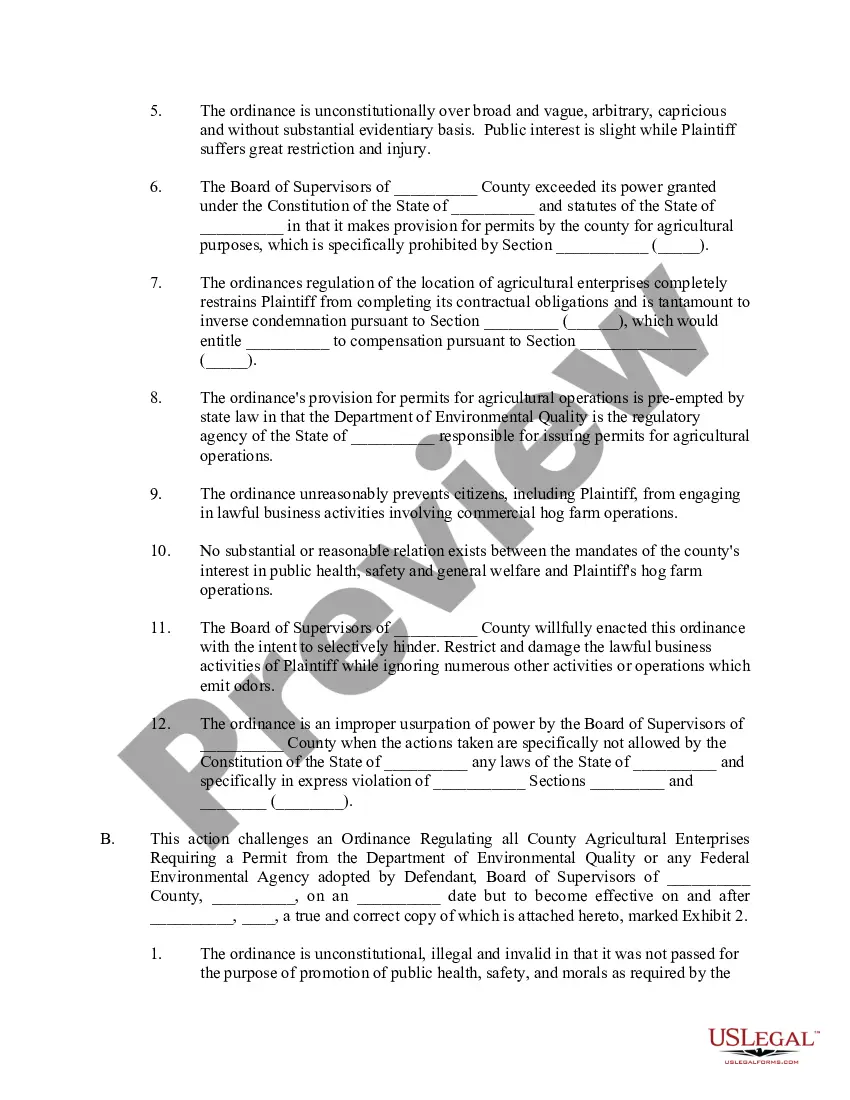
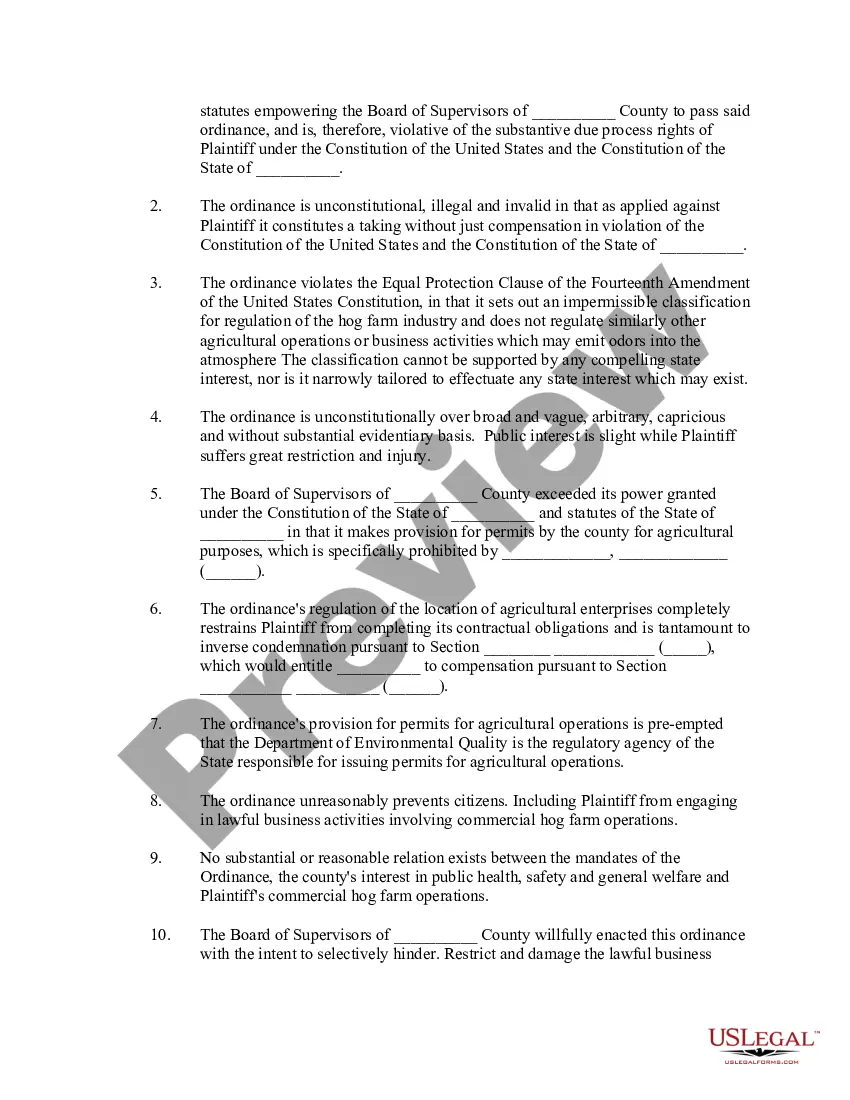






Get your form ready online
Our built-in tools help you complete, sign, share, and store your documents in one place.
Make edits, fill in missing information, and update formatting in US Legal Forms—just like you would in MS Word.
Download a copy, print it, send it by email, or mail it via USPS—whatever works best for your next step.
Sign and collect signatures with our SignNow integration. Send to multiple recipients, set reminders, and more. Go Premium to unlock E-Sign.
If this form requires notarization, complete it online through a secure video call—no need to meet a notary in person or wait for an appointment.
We protect your documents and personal data by following strict security and privacy standards.

Make edits, fill in missing information, and update formatting in US Legal Forms—just like you would in MS Word.

Download a copy, print it, send it by email, or mail it via USPS—whatever works best for your next step.

Sign and collect signatures with our SignNow integration. Send to multiple recipients, set reminders, and more. Go Premium to unlock E-Sign.

If this form requires notarization, complete it online through a secure video call—no need to meet a notary in person or wait for an appointment.

We protect your documents and personal data by following strict security and privacy standards.
Looking for another form?
Form popularity
FAQ
The Alameda County (Unincorporated Areas) Community Climate Action Plan addresses reduction of greenhouse gas emissions through a series of 37 local programs and policy measures related to transportation, land use, building energy, water, waste, and green infrastructure.
Local Rule 7-3 states, in relevant part: Unless otherwise provided for in these Rules, counsel contemplating the filing of any motion shall first contact opposing counsel to discuss thoroughly, preferably in person, the substance of the contemplated motion and any potential resolution.
If a lawyer knows that a client intends to testify falsely or wants the lawyer to introduce false evidence, the lawyer should seek to persuade the client that the evidence should not be offered and, if unsuccessful, must refuse to offer the false evidence.
The Superior Court of Alameda County, Local Rules, rule 3.31 requires parties must meet and confer in person, by telephone, or by video conference to satisfy discovery meet-and-confer requirements, unless otherwise authorized by the court.
Rule 3.31. Unless otherwise authorized by the court, discovery meet and confer obligations require an in-person, telephonic, or video conference between parties.
Rule 3.1332(c) of the California Rules of Court (CRC) allows the court to grant a continuance before or during trial on an affirmative showing of good cause.
The Superior Court of Alameda County, Local Rules, rule 3.30(c) directs that a filing party must deliver to the clerk in the assigned department “an identical courtesy copy of any paper filed, lodged, or otherwise submitted in support of, in opposition to, or in connection with any motion or application.”
Under Superior Court of Alameda County, Local Rules, rule 3.27, electronic filing (e-filing) is mandatory for represented parties in civil matters as of January 1, 2022. and optional for self-represented litigants. (Civil e-filing page, Alameda County Superior Court website.)
In every case, to present an ex parte application to the court, a party must: reserve a hearing date with the applicable department (for applications that require a hearing.) ... file the motion with the court, and. give notice of the hearing date as required by law.
Mandatory Injunction: Considered as the most rigorous of all injunctions, a mandatory injunction directs the defendant to perform an act. For example, if a court orders the removal of a building or structure due to misplaced construction, then it fits the description of a mandatory injunction.
