Entertainment Contract Document For Construction In Broward
Description

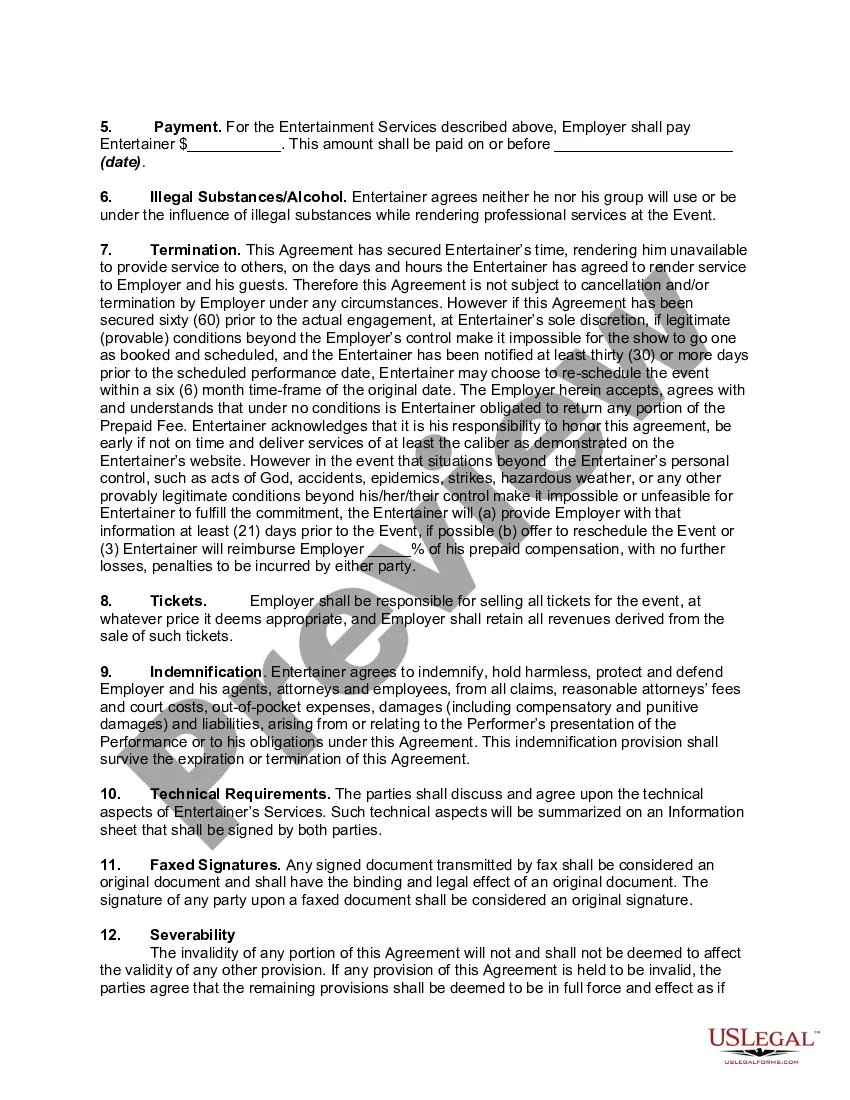
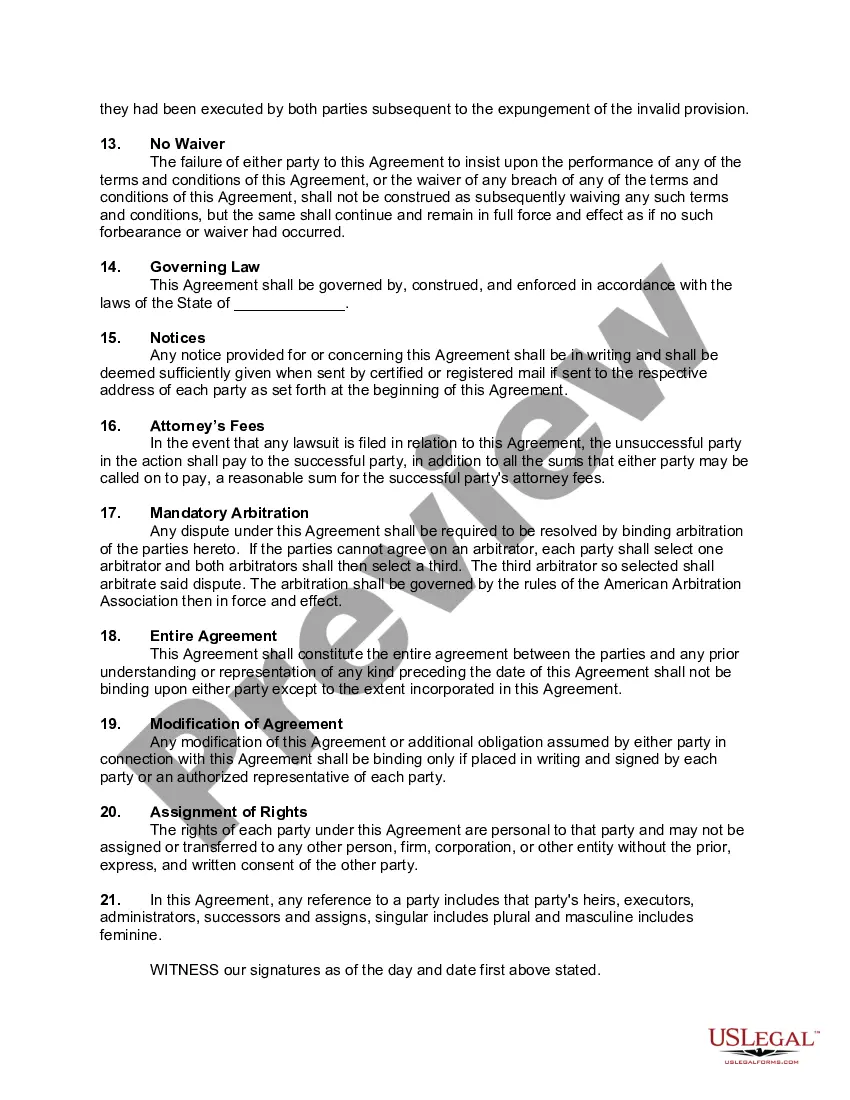
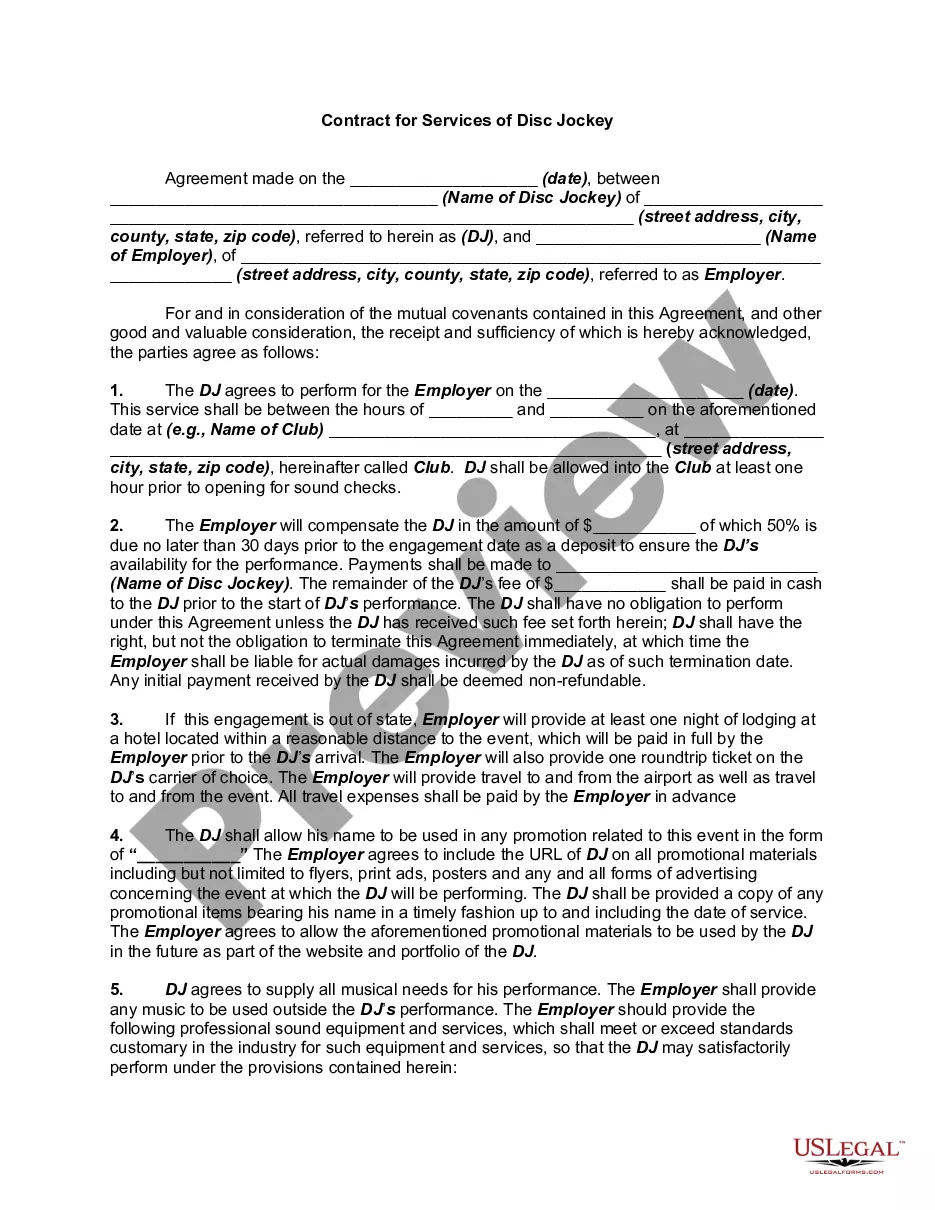

Get your form ready online
Our built-in tools help you complete, sign, share, and store your documents in one place.
Make edits, fill in missing information, and update formatting in US Legal Forms—just like you would in MS Word.
Download a copy, print it, send it by email, or mail it via USPS—whatever works best for your next step.
Sign and collect signatures with our SignNow integration. Send to multiple recipients, set reminders, and more. Go Premium to unlock E-Sign.
If this form requires notarization, complete it online through a secure video call—no need to meet a notary in person or wait for an appointment.
We protect your documents and personal data by following strict security and privacy standards.

Make edits, fill in missing information, and update formatting in US Legal Forms—just like you would in MS Word.

Download a copy, print it, send it by email, or mail it via USPS—whatever works best for your next step.

Sign and collect signatures with our SignNow integration. Send to multiple recipients, set reminders, and more. Go Premium to unlock E-Sign.

If this form requires notarization, complete it online through a secure video call—no need to meet a notary in person or wait for an appointment.

We protect your documents and personal data by following strict security and privacy standards.
Looking for another form?









Form popularity
FAQ
Best Practices for Writing Documentation: Include a README file that contains. Allow issue tracker for others. Write an API documentation. Document your code. Apply coding conventions, such as file organization, comments, naming conventions, programming practices, etc. Include information for contributors.
Top 10 Common Mistakes that We See in Construction Contracts It's not written down. Both parties haven't signed the contract. Not all of the terms of the agreement are in writing and in the contract. The timeline is unclear. Particular terms aren't defined. There's no written approval of any changes to the contract.
And even though contracts are infinitely varied in length, terms, and complexity, all contracts must contain these six essential elements. Offer. Acceptance. Awareness. Consideration. Capacity. Legality.
Contract documents are legally binding agreements that outline the roles, responsibilities and conditions of a project. Key components include parties involved, scope of work, terms & conditions and supporting documents.
The contract documents will typically comprise of the following: The agreement. The particular conditions of contract. The general conditions of contract. The specification. The drawings. The bills of quantities. Any other documents.
Generally, all construction contracts in Florida must contain are required to disclose the contractor or subcontractor's registration number issued by the Florida DPBR; if required. Furthermore, all construction contracts should also include a construction defect notice and opportunity to cure provisions.
Passing a licensure exam for a certified contractor. Four years of experience or a combination of college and experience. Financial stability and decent credit. Fingerprints.
Some common kinds of construction documents include: Bidding documents. Architectural drawings. Schedules.
Here are the key components of every construction agreement: Detailed project description. Signatures with dates. Scope of work. Executive summary (for larger commercial or public works projects) Payment schedule and methods. Liability waivers. Dispute resolution. Arbitration and indemnification.
Please email us at CLE-Complaint@broward if you have questions or concerns related to unlicensed contractor activity in Broward County.
