Physical Assault In The Philippines In Queens
Description

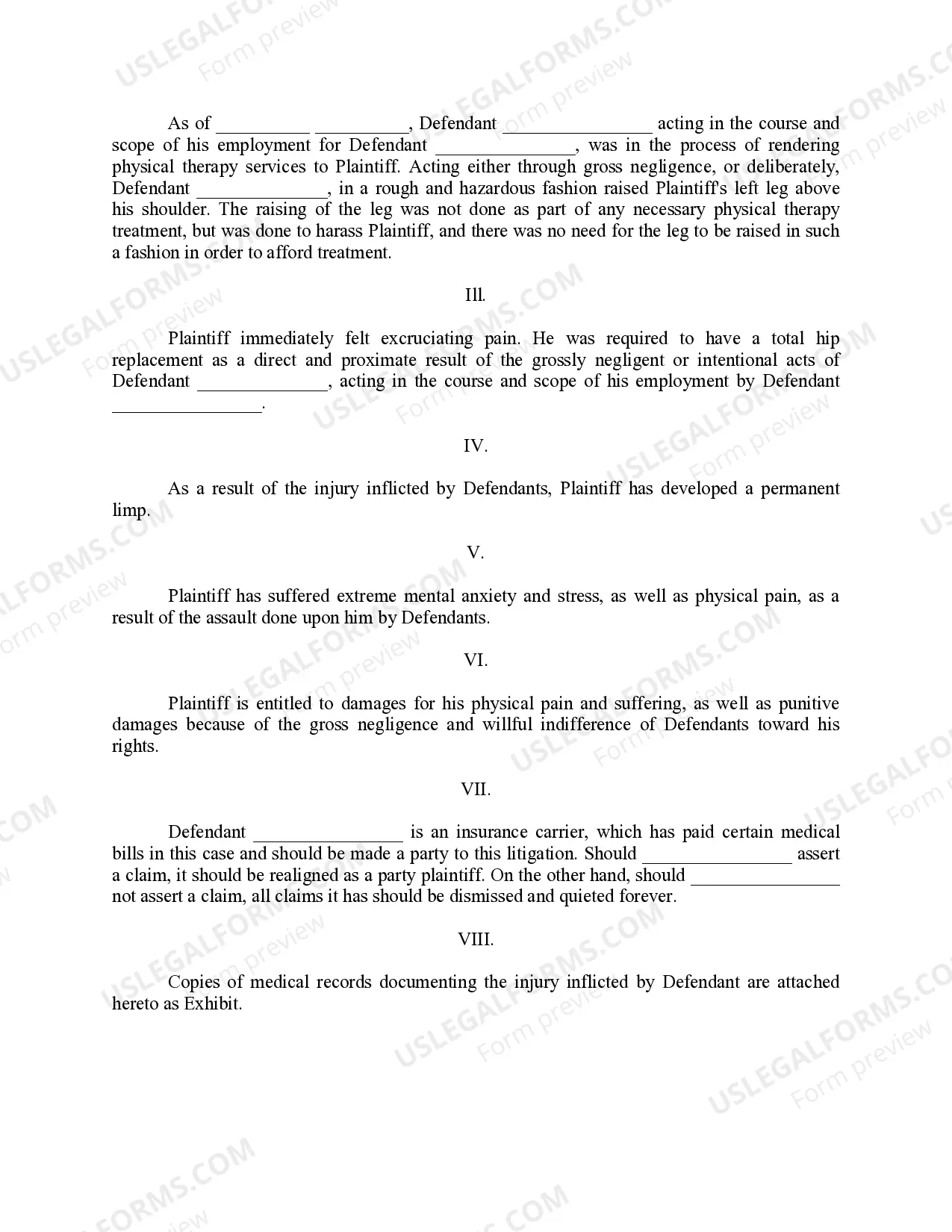

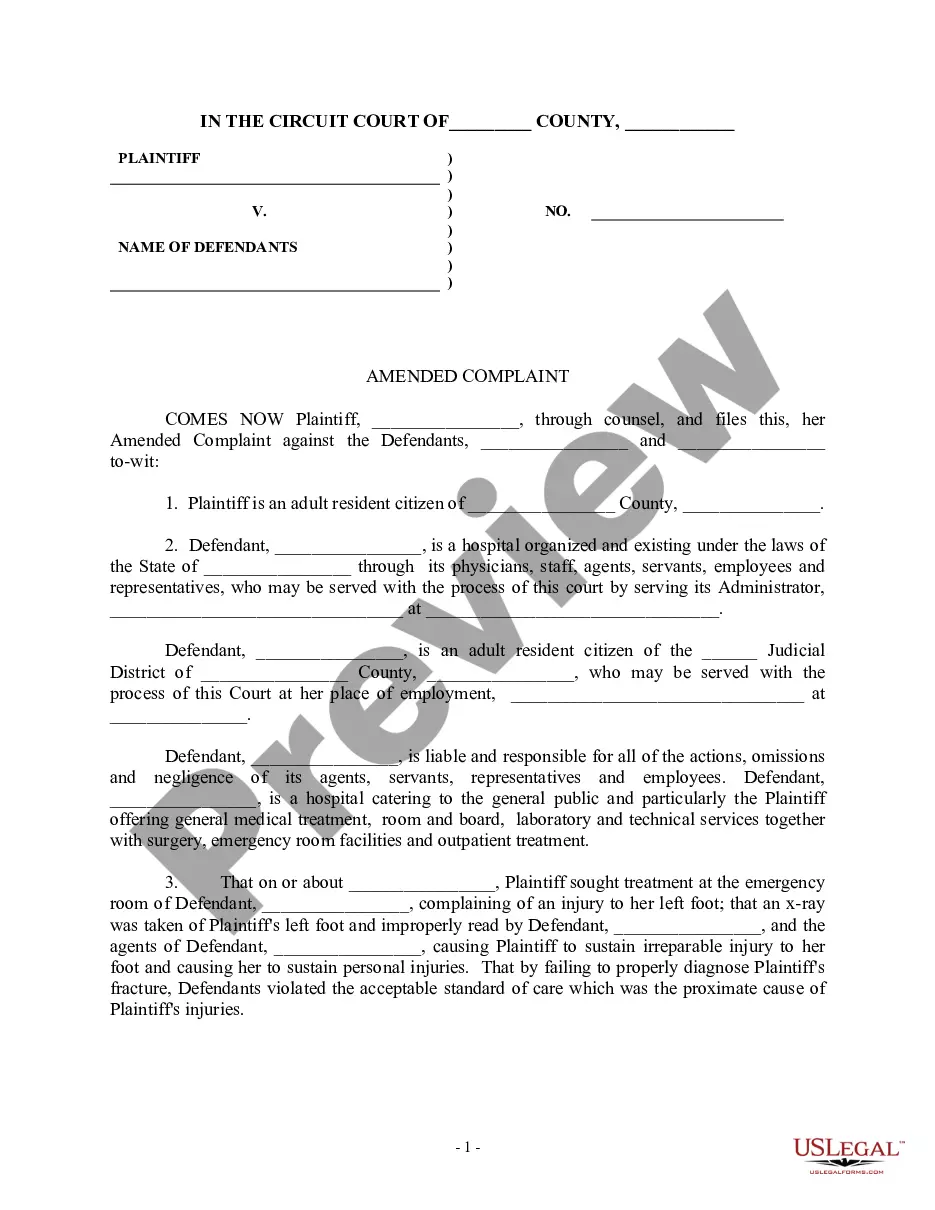
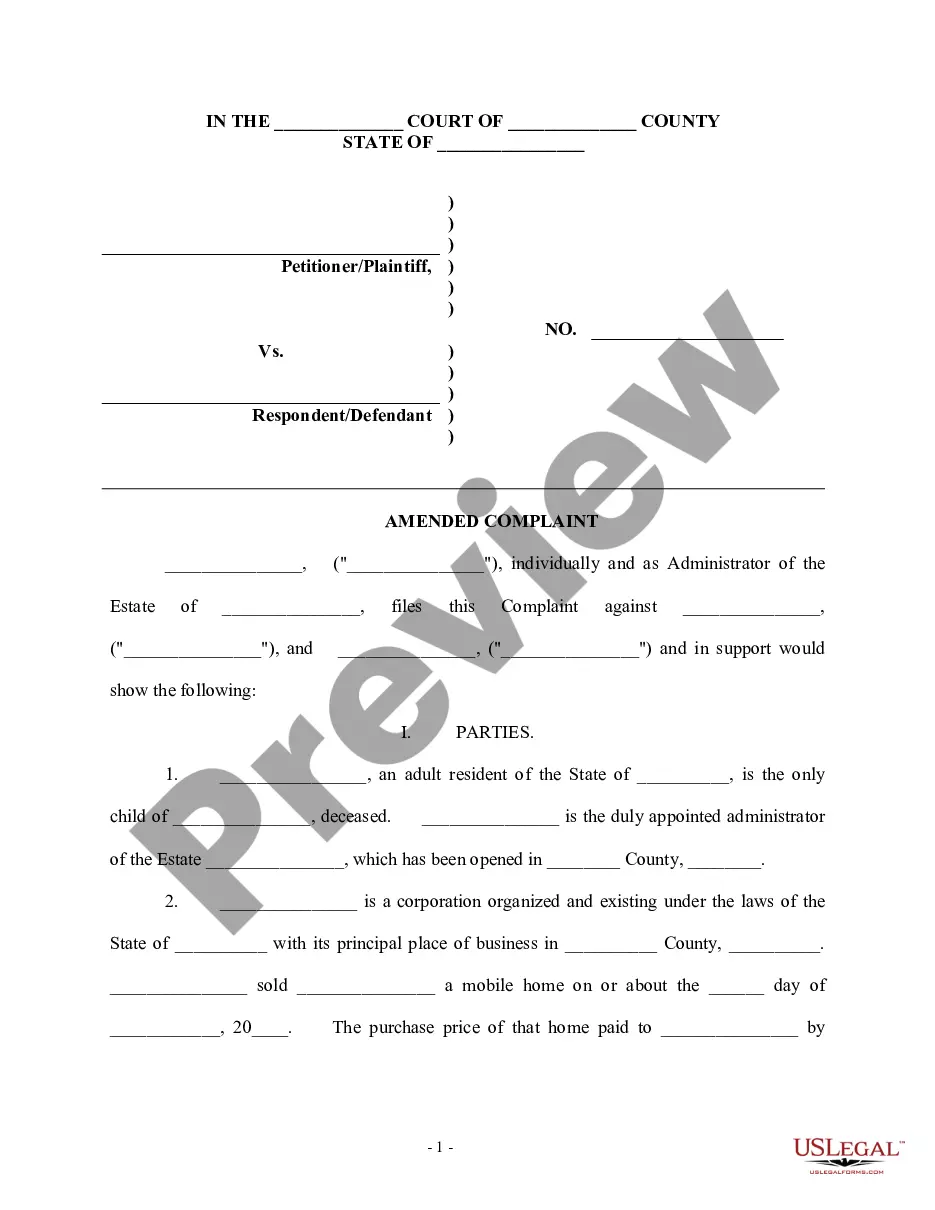
Get your form ready online
Our built-in tools help you complete, sign, share, and store your documents in one place.
Make edits, fill in missing information, and update formatting in US Legal Forms—just like you would in MS Word.
Download a copy, print it, send it by email, or mail it via USPS—whatever works best for your next step.
Sign and collect signatures with our SignNow integration. Send to multiple recipients, set reminders, and more. Go Premium to unlock E-Sign.
If this form requires notarization, complete it online through a secure video call—no need to meet a notary in person or wait for an appointment.
We protect your documents and personal data by following strict security and privacy standards.

Make edits, fill in missing information, and update formatting in US Legal Forms—just like you would in MS Word.

Download a copy, print it, send it by email, or mail it via USPS—whatever works best for your next step.

Sign and collect signatures with our SignNow integration. Send to multiple recipients, set reminders, and more. Go Premium to unlock E-Sign.

If this form requires notarization, complete it online through a secure video call—no need to meet a notary in person or wait for an appointment.

We protect your documents and personal data by following strict security and privacy standards.
Looking for another form?









Form popularity
FAQ
Verbal abuse, though not always as visible as physical abuse, is legally recognized and punishable in the Philippines. RA 9262, the Revised Penal Code, the Safe Spaces Act, and the Labor Code all provide various means to address and penalize verbal abuse in domestic settings, public spaces, and workplaces.
Legal Guide: Addressing Emotional Abuse and Defamation in the Philippines Filing a Complaint with the Barangay: In cases of domestic or relational abuse, the first step is often to file a complaint with the barangay (local government unit). Filing a Civil Case. Criminal Complaint under R.A. 9262:
Physical abuse in the context of family or intimate relationships is further criminalized by Republic Act No. 9262, also known as the Anti-Violence Against Women and Their Children Act. This law defines and punishes violence committed against women and children within intimate or family relationships.
The penalty for assault and battery depends on the classification of the injuries: Serious Physical Injuries: If the injuries incapacitate the victim for more than 30 days or cause permanent disfigurement, the accused may face imprisonment ranging from 6 months to 6 years, depending on the circumstances.
In the Philippines, the concept of emotional or moral damages is covered under the Civil Code, specifically in Articles 2217 to 2220. The law recognizes that non-pecuniary losses, such as those arising from emotional distress or mental anguish, can warrant compensation.
Physical assault is when an individual or a group attacks a person physically, with or without the use of a weapon, or threatens to hurt that person. It can include scratching, pushing, kicking, punching, throwing things, using weapons or physically restraining another person.
Physical assault is when an individual or a group attacks a person physically, with or without the use of a weapon, or threatens to hurt that person. It can include scratching, pushing, kicking, punching, throwing things, using weapons or physically restraining another person.
The penalty for assault and battery depends on the classification of the injuries: Serious Physical Injuries: If the injuries incapacitate the victim for more than 30 days or cause permanent disfigurement, the accused may face imprisonment ranging from 6 months to 6 years, depending on the circumstances.
Examples: Assault, battery, robbery, mugging, stalking, harassment. Military sexual trauma (MST) is a subset of personal trauma and refers to sexual harassment, sexual assault, or rape that occurs during military service.
Regional Trial Court (RTC) or Municipal Trial Court (MTC)? Grave Physical Injuries: If the physical injury inflicted is severe and results in a significant penalty, such as imprisonment of more than six years, the case should be filed before the RTC.
