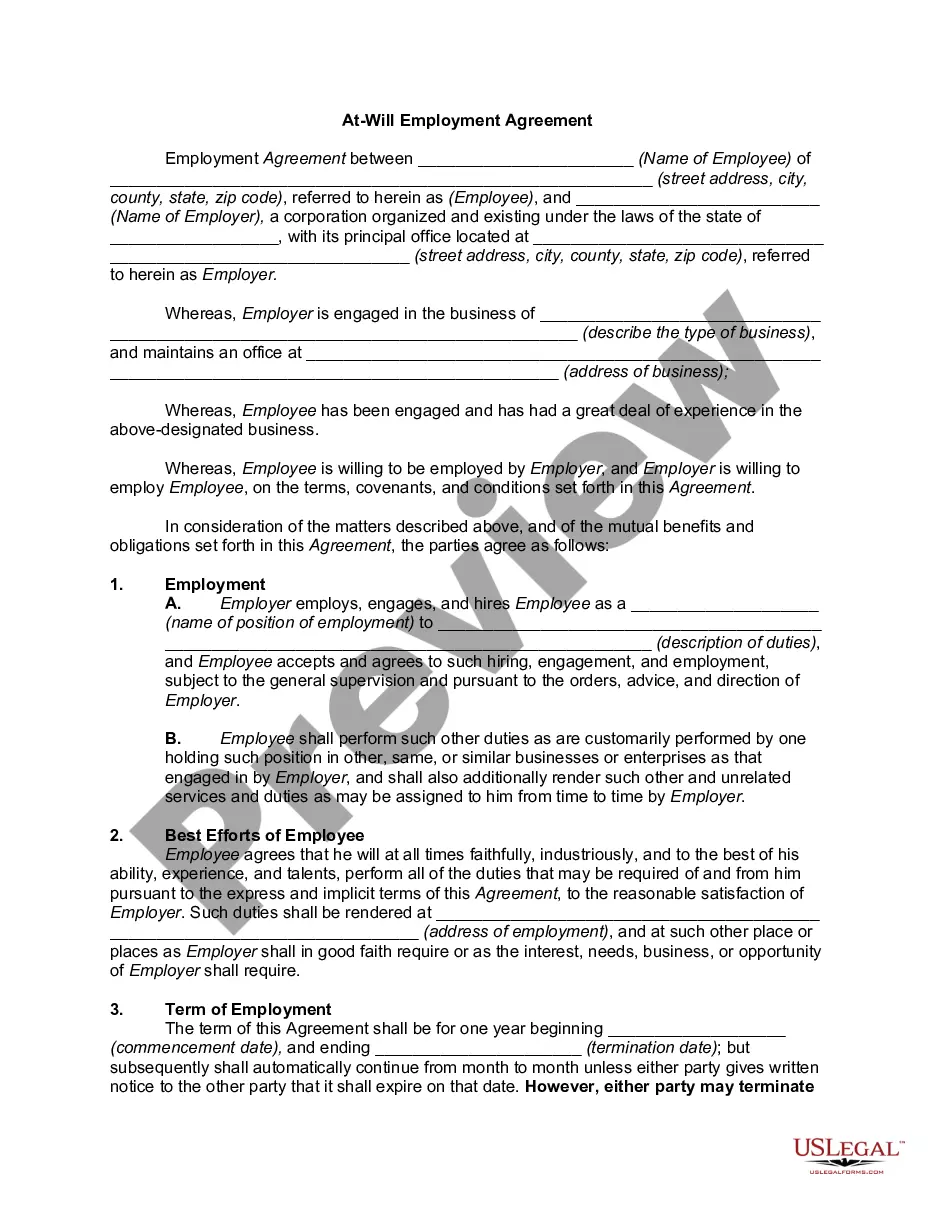
Physical Assault In School Uk In Queens
Description

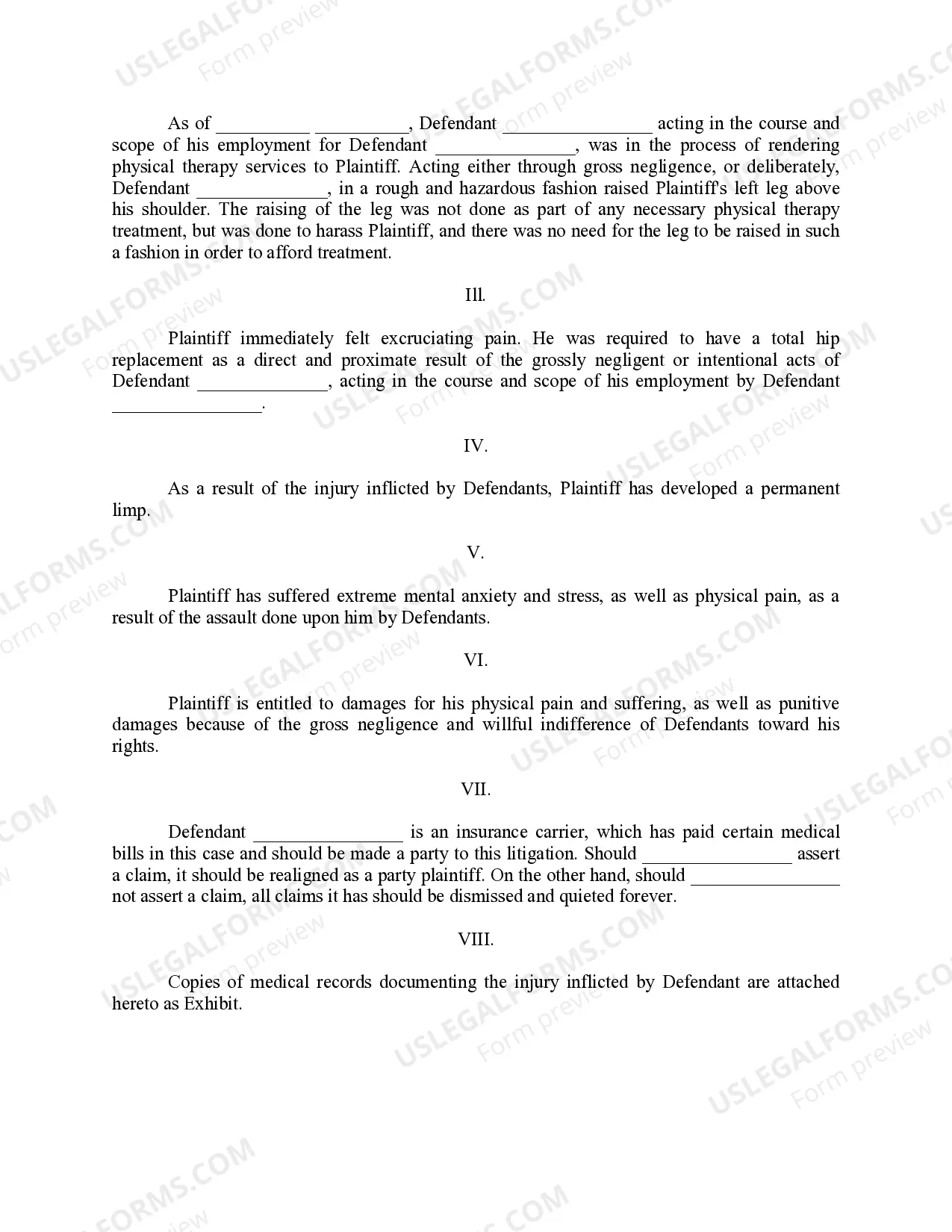
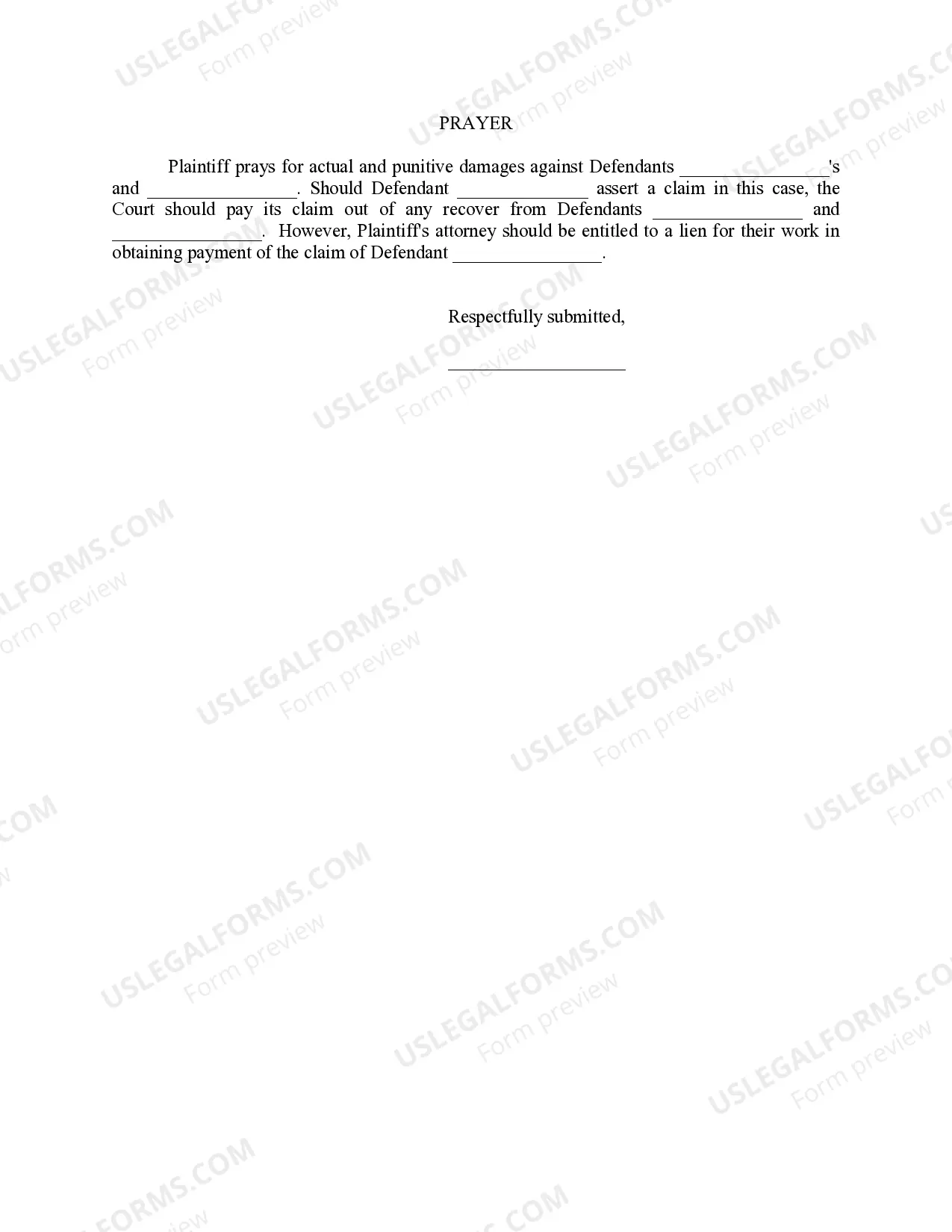

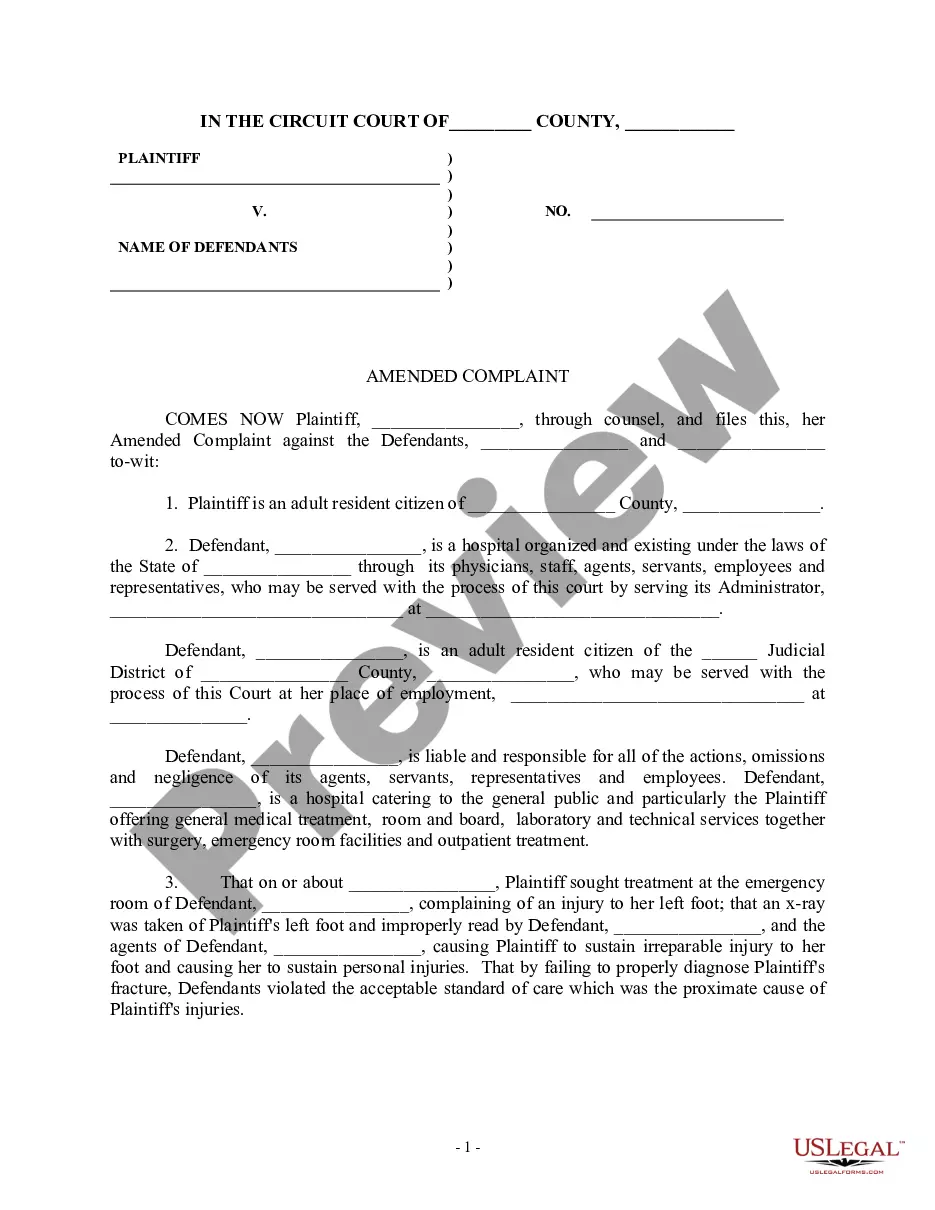
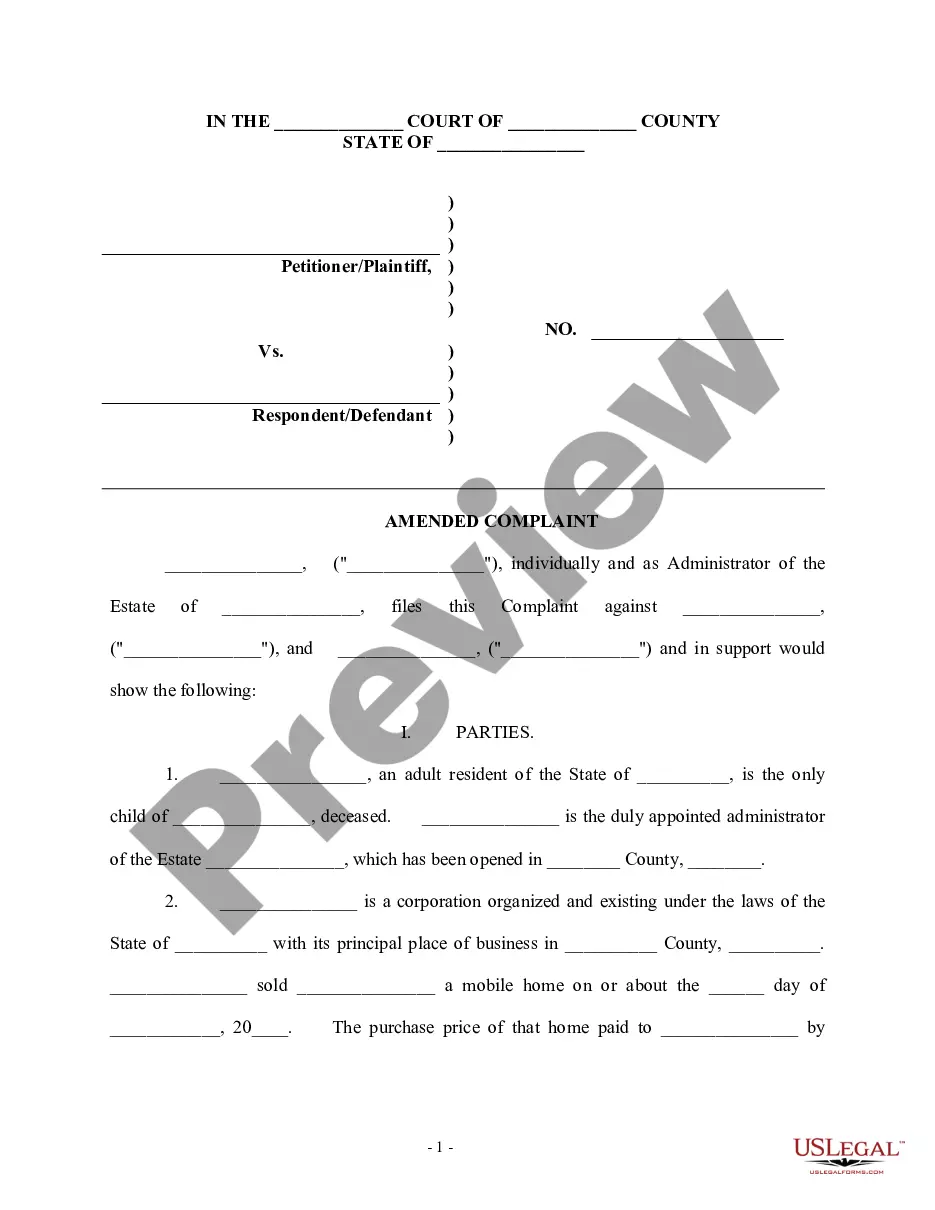
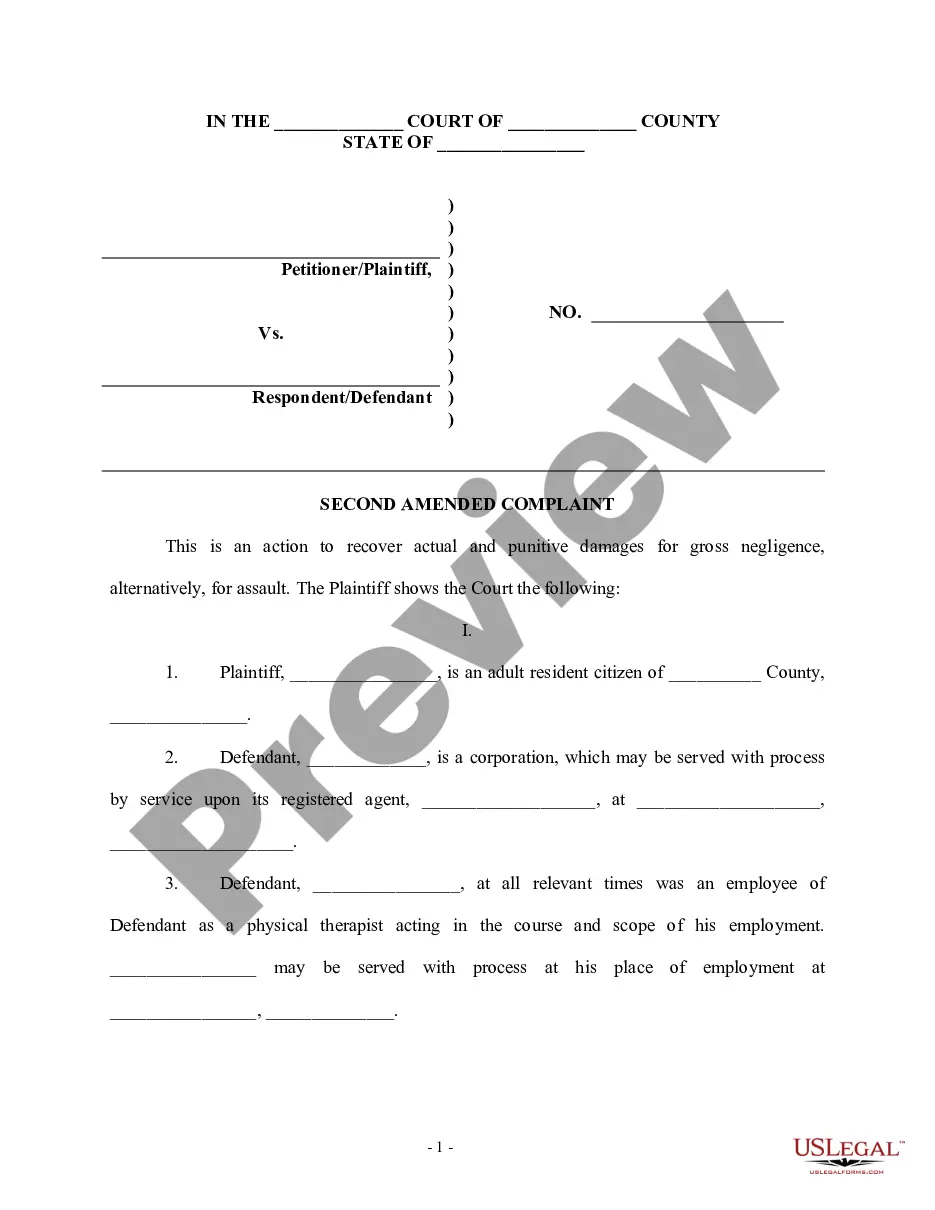
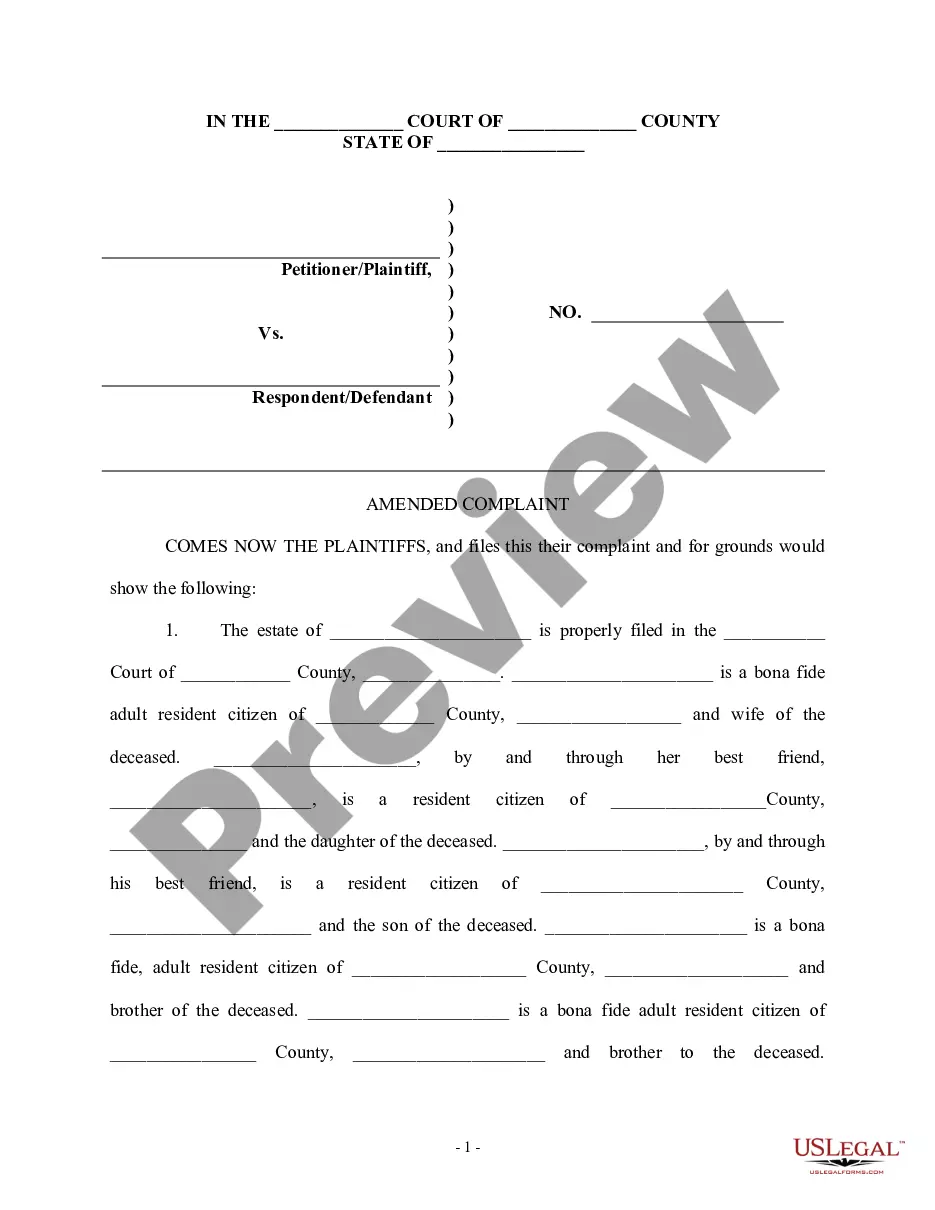
Get your form ready online
Our built-in tools help you complete, sign, share, and store your documents in one place.
Make edits, fill in missing information, and update formatting in US Legal Forms—just like you would in MS Word.
Download a copy, print it, send it by email, or mail it via USPS—whatever works best for your next step.
Sign and collect signatures with our SignNow integration. Send to multiple recipients, set reminders, and more. Go Premium to unlock E-Sign.
If this form requires notarization, complete it online through a secure video call—no need to meet a notary in person or wait for an appointment.
We protect your documents and personal data by following strict security and privacy standards.

Make edits, fill in missing information, and update formatting in US Legal Forms—just like you would in MS Word.

Download a copy, print it, send it by email, or mail it via USPS—whatever works best for your next step.

Sign and collect signatures with our SignNow integration. Send to multiple recipients, set reminders, and more. Go Premium to unlock E-Sign.

If this form requires notarization, complete it online through a secure video call—no need to meet a notary in person or wait for an appointment.

We protect your documents and personal data by following strict security and privacy standards.
Looking for another form?









Form popularity
FAQ
Physical assault is when an individual or a group attacks a person physically, with or without the use of a weapon, or threatens to hurt that person. It can include scratching, pushing, kicking, punching, throwing things, using weapons or physically restraining another person.
These include: simple assault, aggravated assault, assault with a deadly weapon, sexual assault, vehicular assault, and. felony assault.
What is the legal definition of physical assault/harm? A person commits physical assault if s/he causes bodily harm (injury) to another. 1. The law also allows you to apply for a protection order if you are not injured but the abuser threatens you with physical harm/injury.
Types of assault Common assault: when someone uses force, such as pushing or slapping, or makes threats of violence. (This doesn't have to involve physical violence.) Actual bodily harm (ABH): when someone is hurt or injured as a result of an assault.
In the terminology of law, an assault is the act of causing physical harm or unwanted physical contact to another person, or, in some legal definitions, the threat or attempt to do so. It is both a crime and a tort and, therefore, may result in criminal prosecution, civil liability, or both.
If you're taken to court You could get a fine of up to £2,500, a community order or a jail sentence up to 3 months. The court could also give you a Parenting Order.
Children who are on roll at a school but are not in regular attendance. In this case, referrals should be made to the Education Welfare Service, or the school's Attendance and Welfare Officer.
Fines per parent will be capped to two fines within any three-year period. Once this limit has been reached, other action like a parenting order or prosecution will be considered. If you're prosecuted and attend court because your child hasn't been attending school, you could get a fine of up to £2,500.
Bullying and cyberbullying. Fighting (e.g., punching, slapping, kicking).
All students and staff of public primary, elementary, junior high, and senior high schools, and community colleges, colleges, and universities have the inalienable right to attend campuses that are safe, secure, and peaceful. All people have equal rights and opportunities in California public schools.