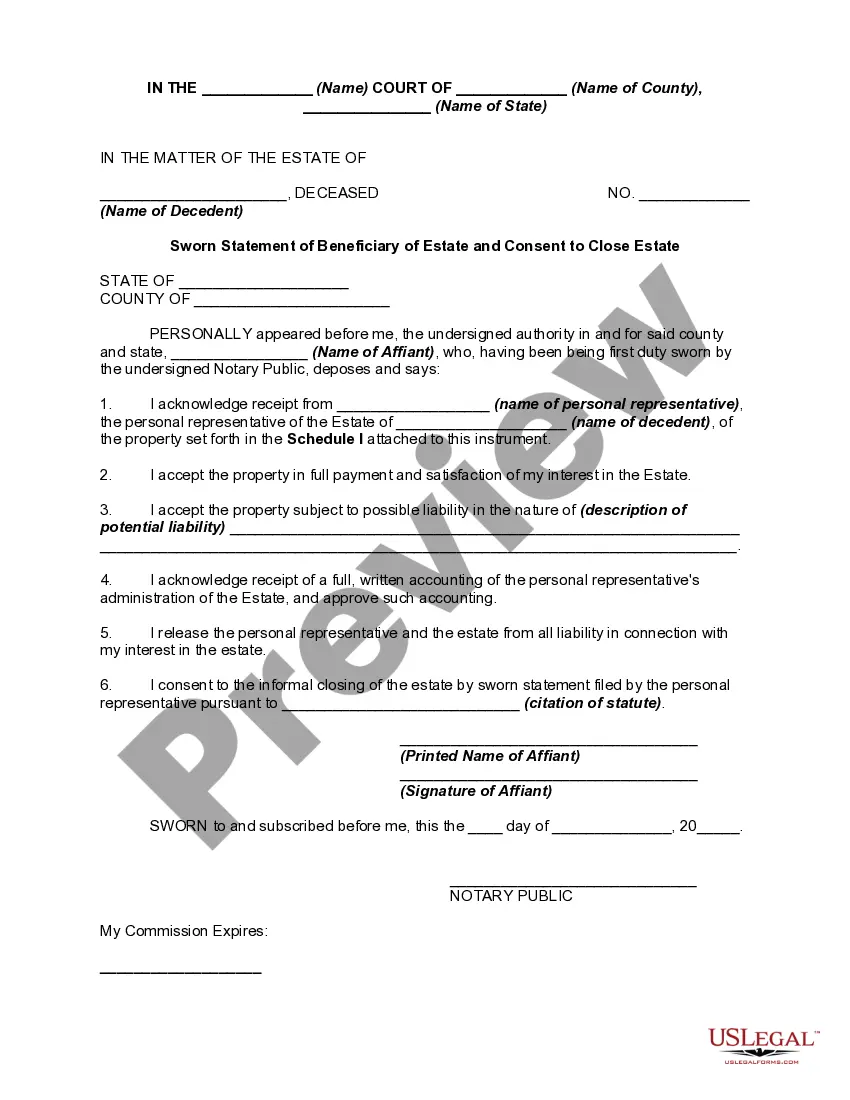
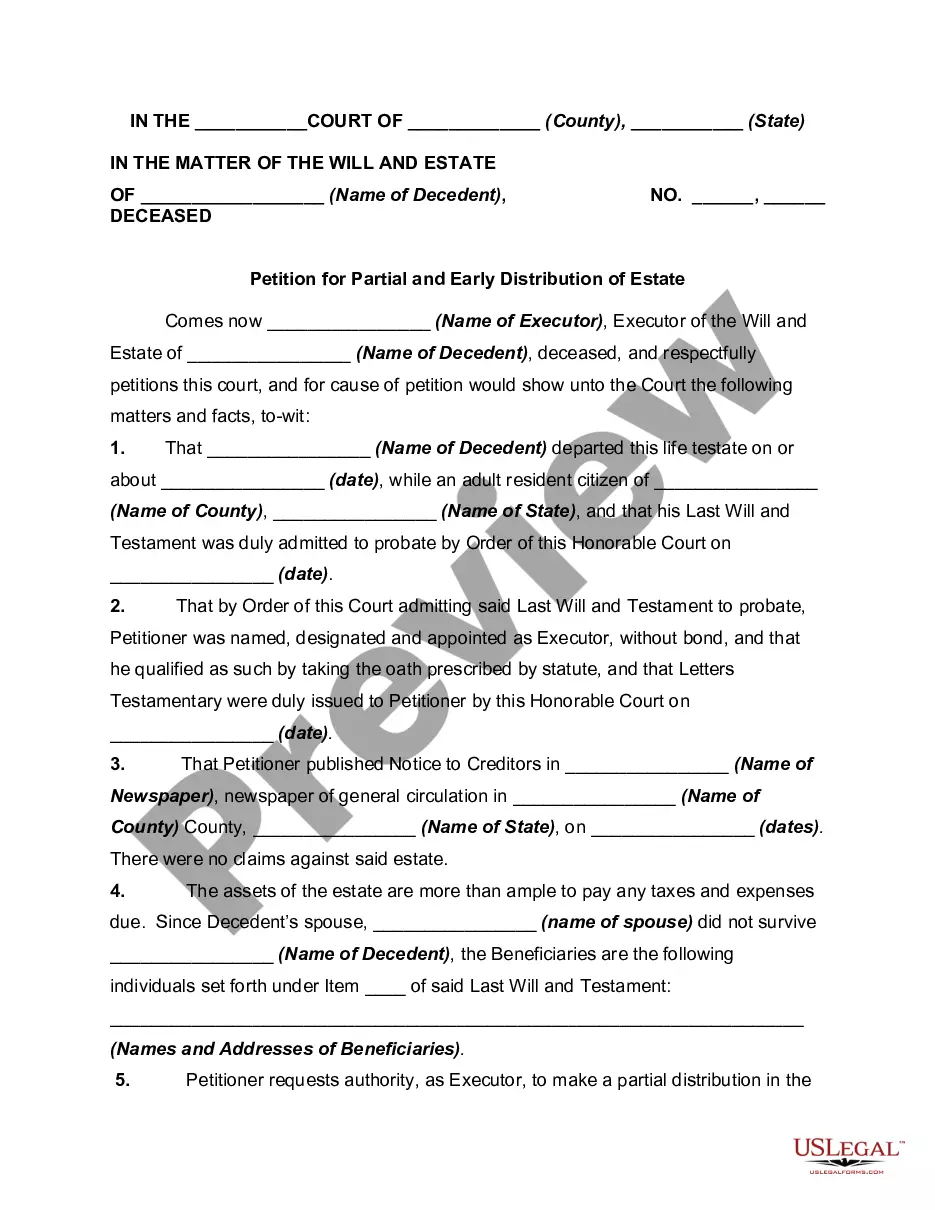
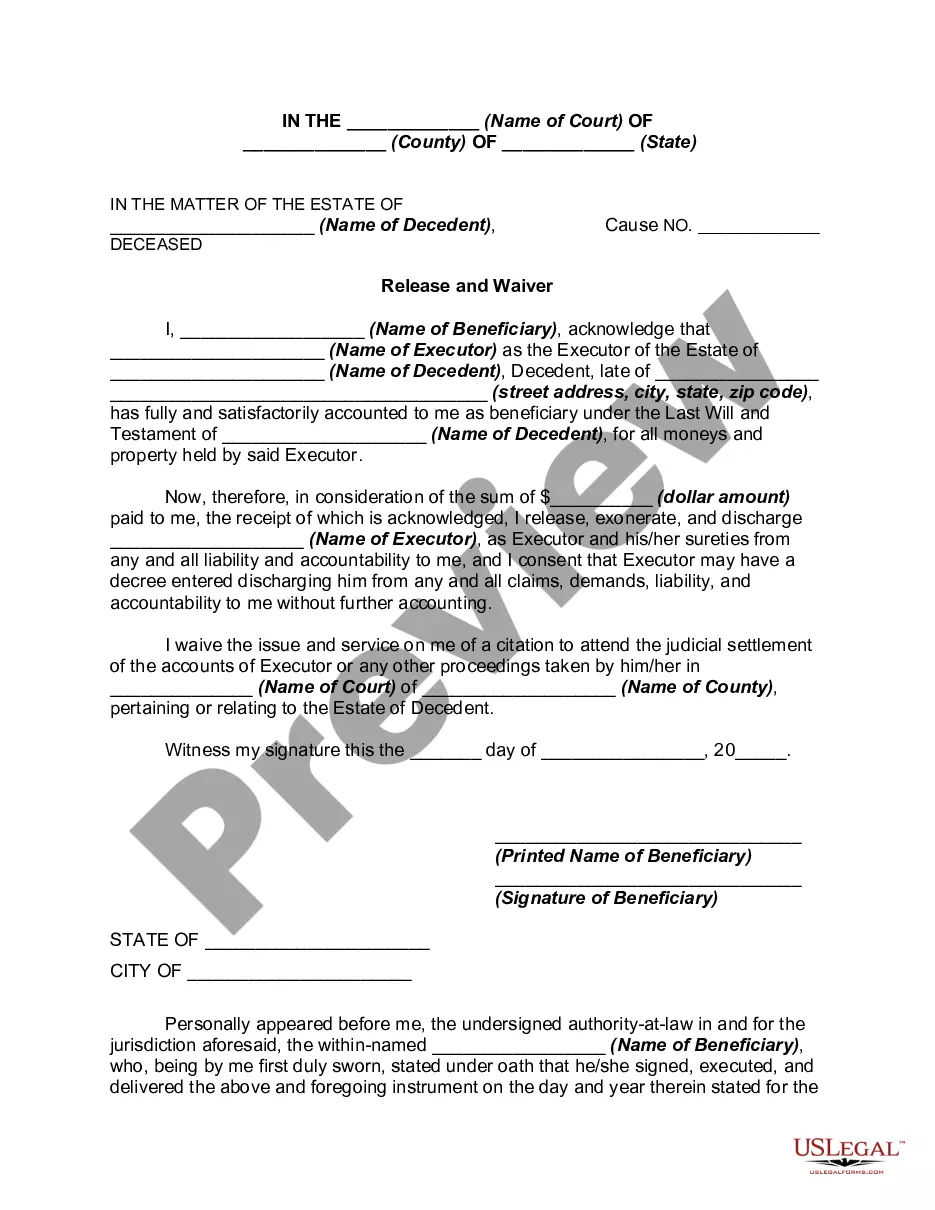
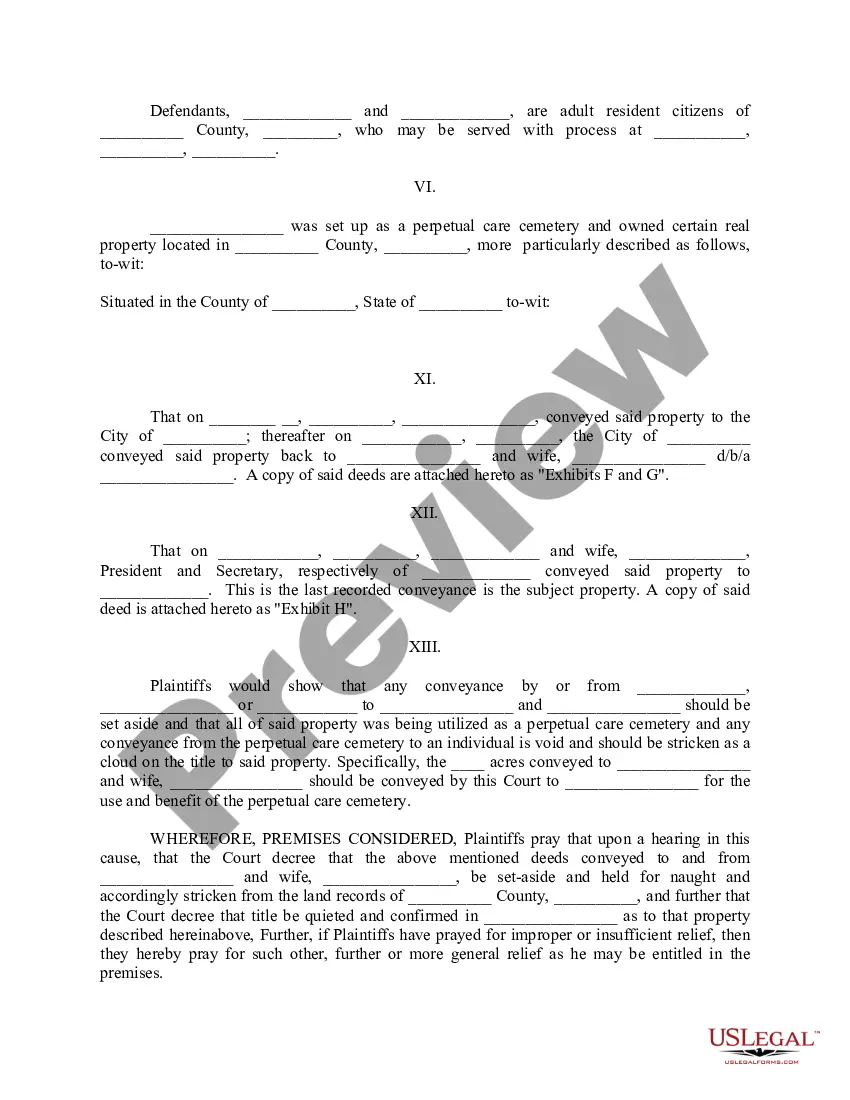
Petition To Set Aside Estate Without Administration In Wake
Description


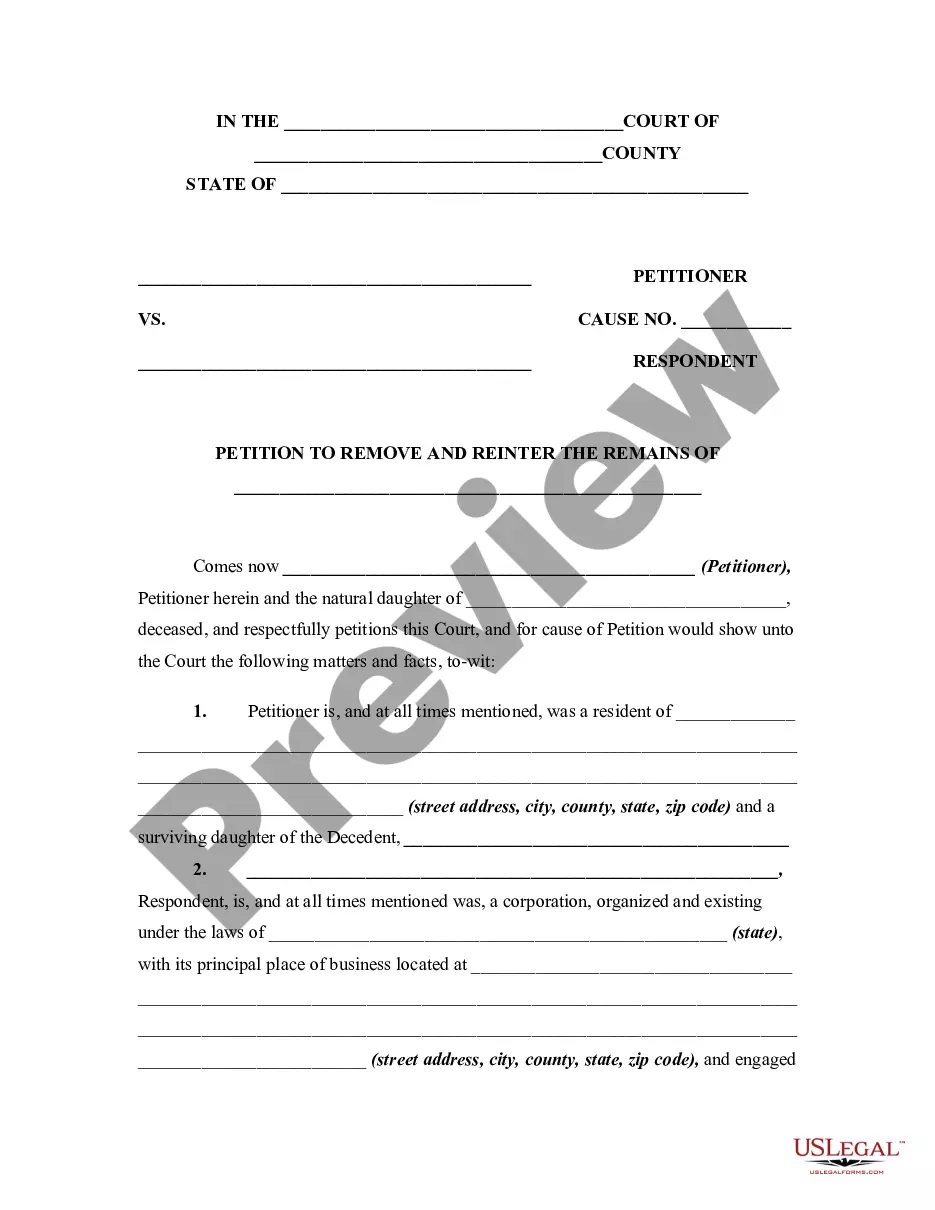
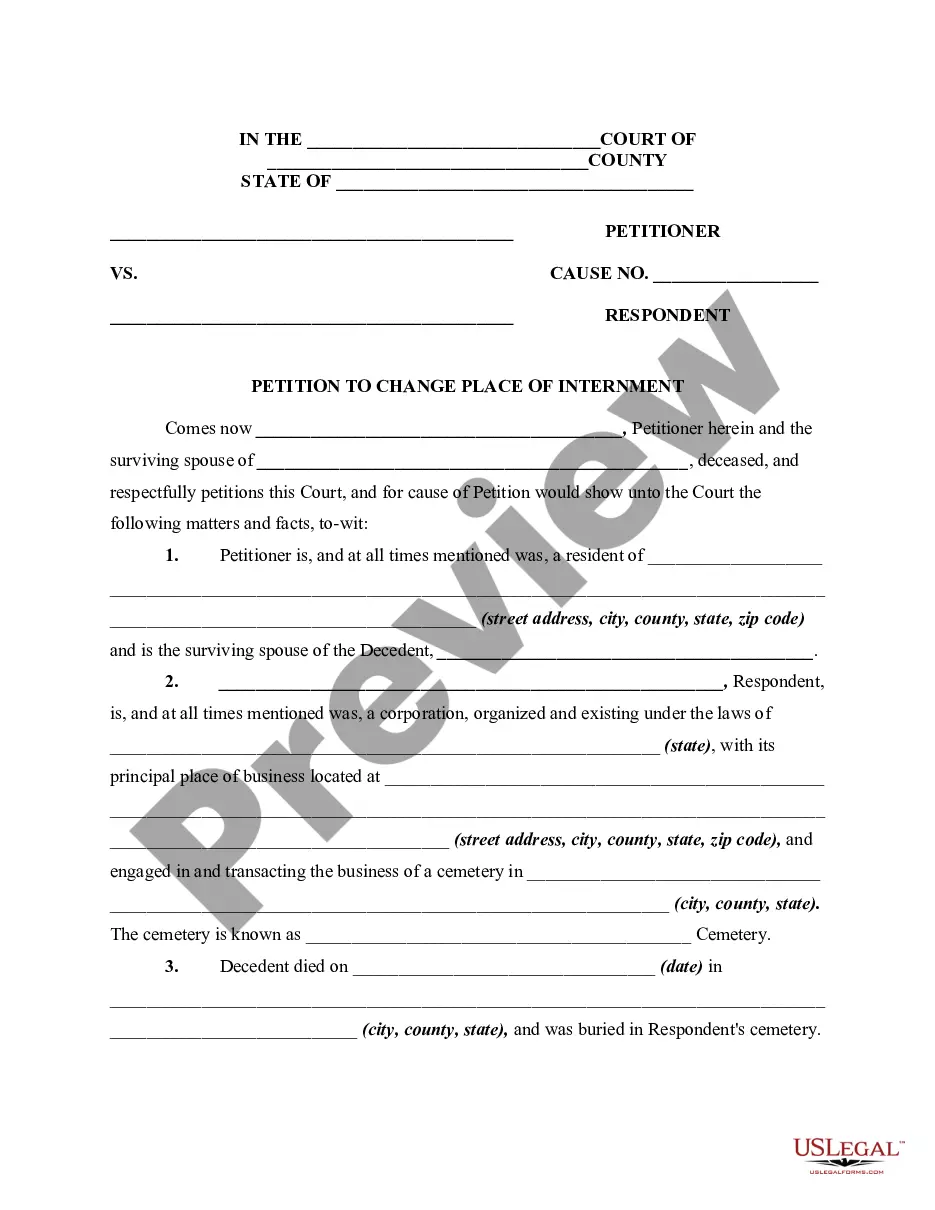
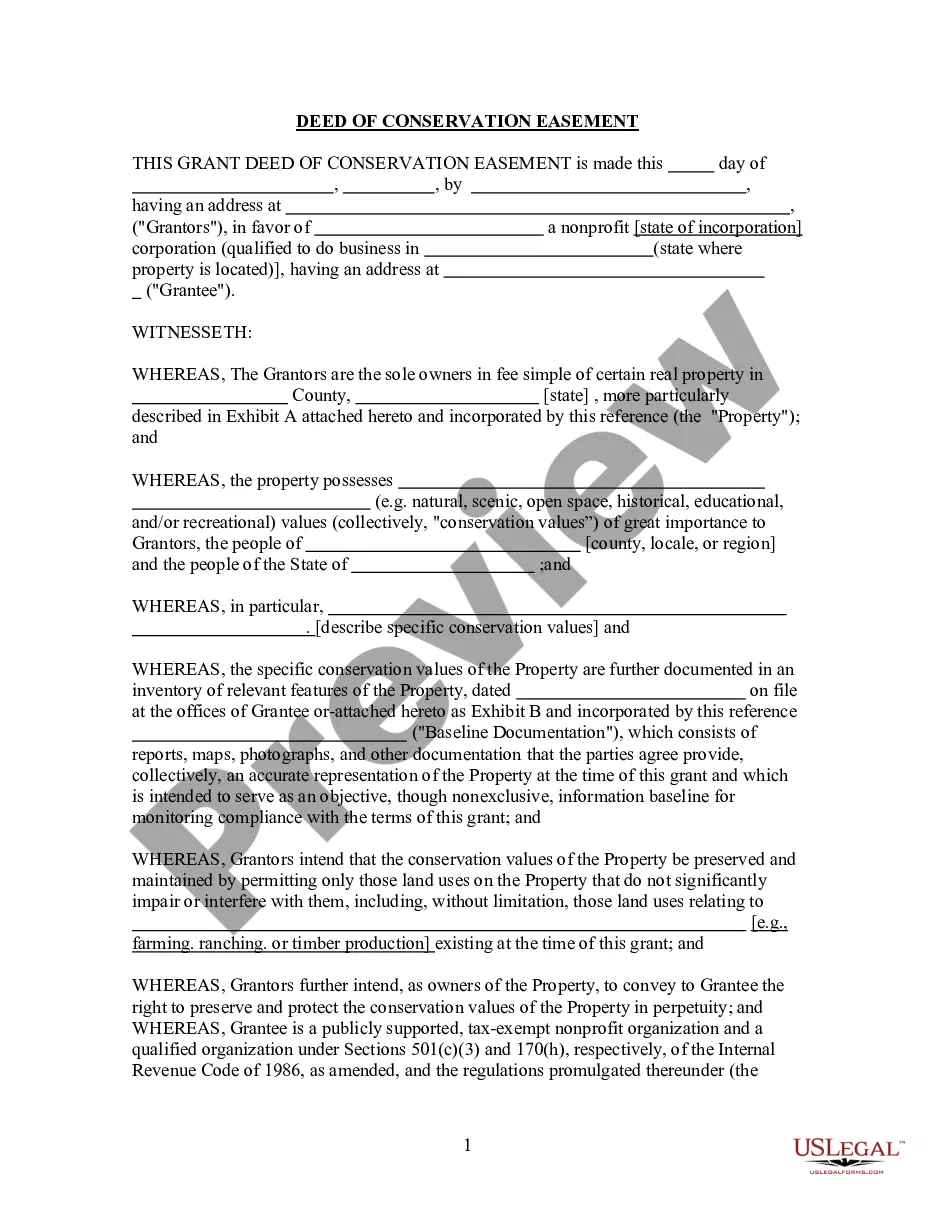
Get your form ready online
Our built-in tools help you complete, sign, share, and store your documents in one place.
Make edits, fill in missing information, and update formatting in US Legal Forms—just like you would in MS Word.
Download a copy, print it, send it by email, or mail it via USPS—whatever works best for your next step.
Sign and collect signatures with our SignNow integration. Send to multiple recipients, set reminders, and more. Go Premium to unlock E-Sign.
If this form requires notarization, complete it online through a secure video call—no need to meet a notary in person or wait for an appointment.
We protect your documents and personal data by following strict security and privacy standards.

Make edits, fill in missing information, and update formatting in US Legal Forms—just like you would in MS Word.

Download a copy, print it, send it by email, or mail it via USPS—whatever works best for your next step.

Sign and collect signatures with our SignNow integration. Send to multiple recipients, set reminders, and more. Go Premium to unlock E-Sign.

If this form requires notarization, complete it online through a secure video call—no need to meet a notary in person or wait for an appointment.

We protect your documents and personal data by following strict security and privacy standards.
Looking for another form?






Form popularity
FAQ
Any interested party that wishes to remove an executor would have to petition the probate court to have the executor removed and present a reason. It's best to have a qualified probate lawyer advise you first and help you with this petition.
In a regular probate proceeding, the Court will issue an order appointing you the executor of the estate. In a small estate proceeding there is no order. Instead, the Court will issue you a certificate identifying you as the voluntary administrator and authorizing you to collect a specified asset or assets.
The good news is that Probate Code 850 offers litigants the ability to resolve property disputes related to a decedent's estate or trust, or a guardianship or conservatorship estate in the probate court. One of the most frequently used 850 petitions is a Heggstad petition.
A petition to remove an executor, or an application to remove an executor, is a legal motion filed with a probate court on behalf of an interested party to a will or estate. A petition for removal alleges that the current executor is unfit for their position due to negligence, misconduct, or incapacity.
A petition to remove an executor, or an application to remove an executor, is a legal motion filed with a probate court on behalf of an interested party to a will or estate. A petition for removal alleges that the current executor is unfit for their position due to negligence, misconduct, or incapacity.
Unlike executors, beneficiaries can petition the court to have the executor removed if they are acting improperly or breaching their fiduciary duties. Beneficiaries can also petition the court to surcharge the executor if any of their actions financially harmed the estate.
What is Nevada Set Aside without Administration? The Nevada Set Aside is a shortened process that eliminates the need to go through a formal probate procedure. There is no need for the court to appoint a legal personal representative for the estate and you do not need to go through multiple court hearings.
Assuming all the relevant documents have been filed, on average, it takes 3 to 6 weeks to receive a letter of administration in New York. If someone is contesting your right to administer the estate, this process could take years. Due to some recent budget cuts and other delays, wait times have slightly increased.
A letter of administration is a court-issued document that gives someone the authority to act as the estate administrator. The administrator can then access and manage the late person's assets, such as financial accounts and real estate property.