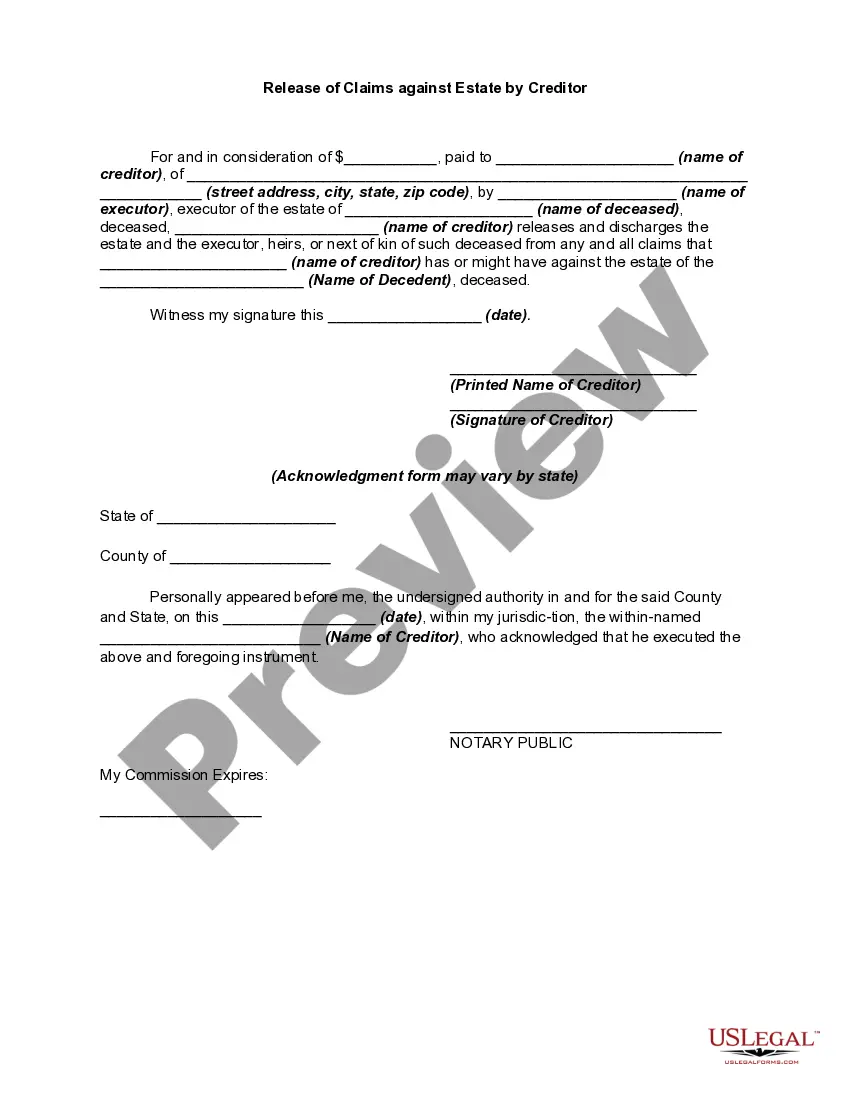
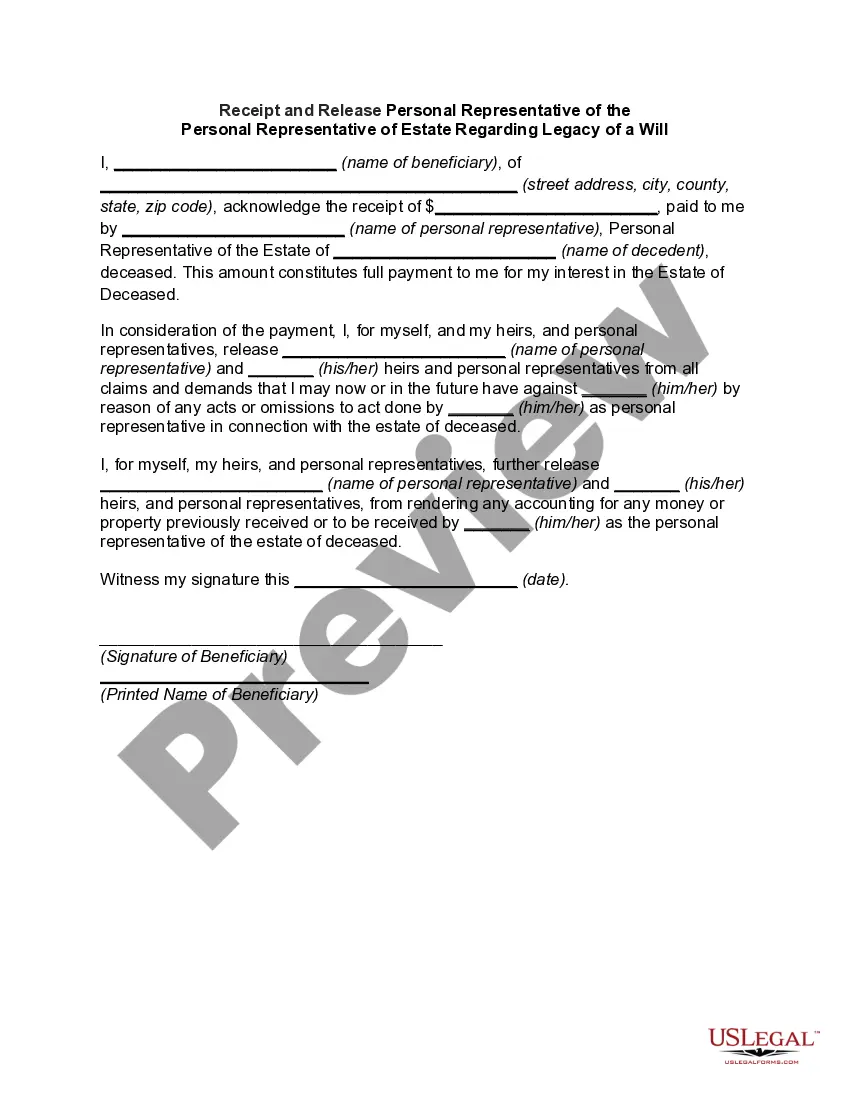
Form Executor Of Estate
Description
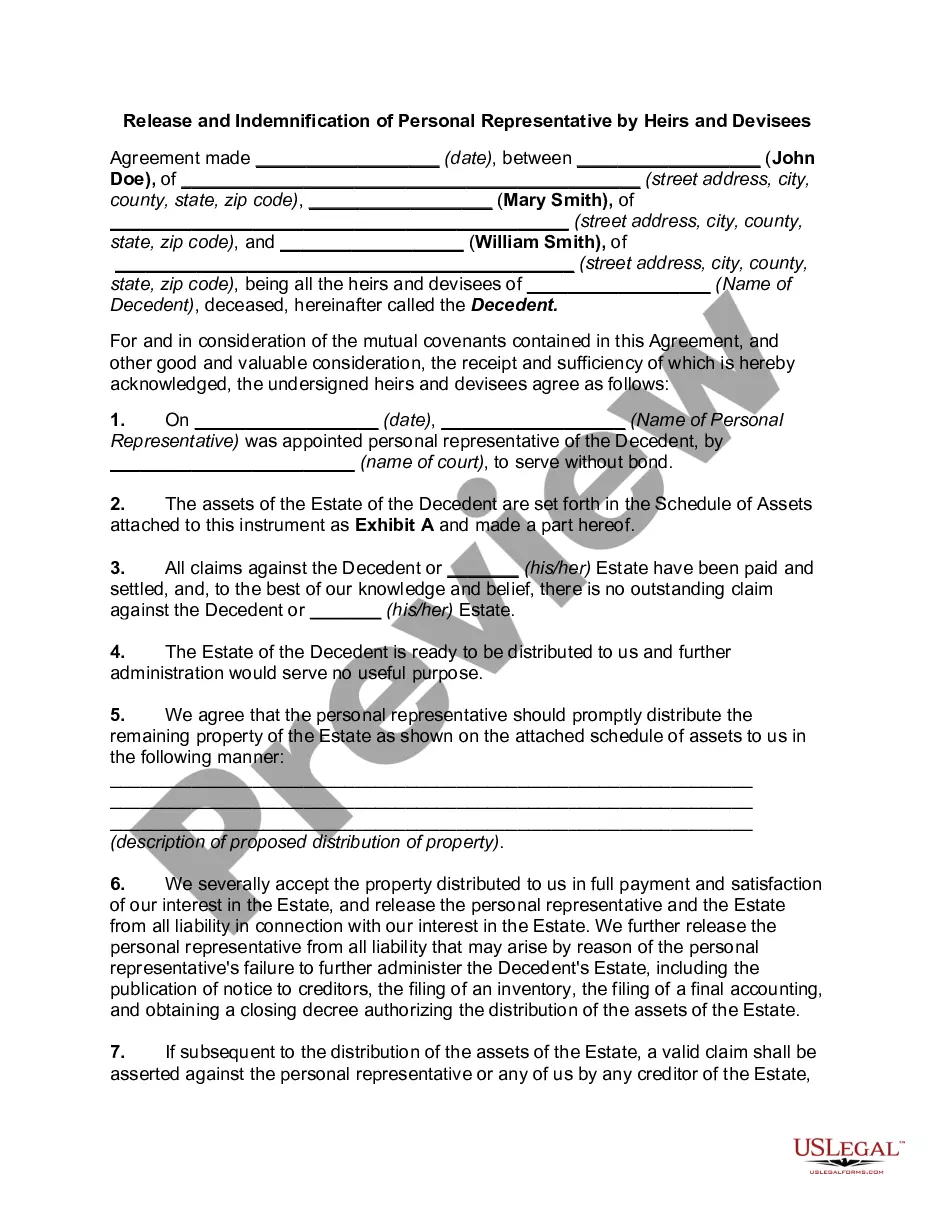
Get your form ready online
Our built-in tools help you complete, sign, share, and store your documents in one place.
Make edits, fill in missing information, and update formatting in US Legal Forms—just like you would in MS Word.
Download a copy, print it, send it by email, or mail it via USPS—whatever works best for your next step.
Sign and collect signatures with our SignNow integration. Send to multiple recipients, set reminders, and more. Go Premium to unlock E-Sign.
If this form requires notarization, complete it online through a secure video call—no need to meet a notary in person or wait for an appointment.
We protect your documents and personal data by following strict security and privacy standards.

Make edits, fill in missing information, and update formatting in US Legal Forms—just like you would in MS Word.

Download a copy, print it, send it by email, or mail it via USPS—whatever works best for your next step.

Sign and collect signatures with our SignNow integration. Send to multiple recipients, set reminders, and more. Go Premium to unlock E-Sign.

If this form requires notarization, complete it online through a secure video call—no need to meet a notary in person or wait for an appointment.

We protect your documents and personal data by following strict security and privacy standards.
Looking for another form?
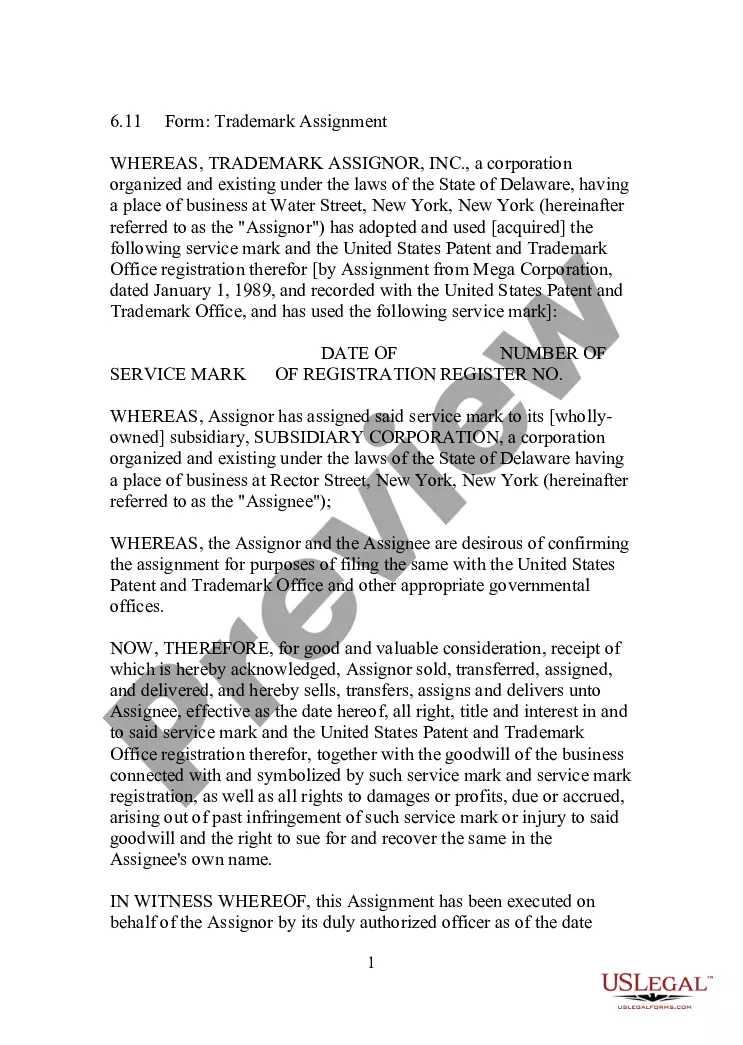
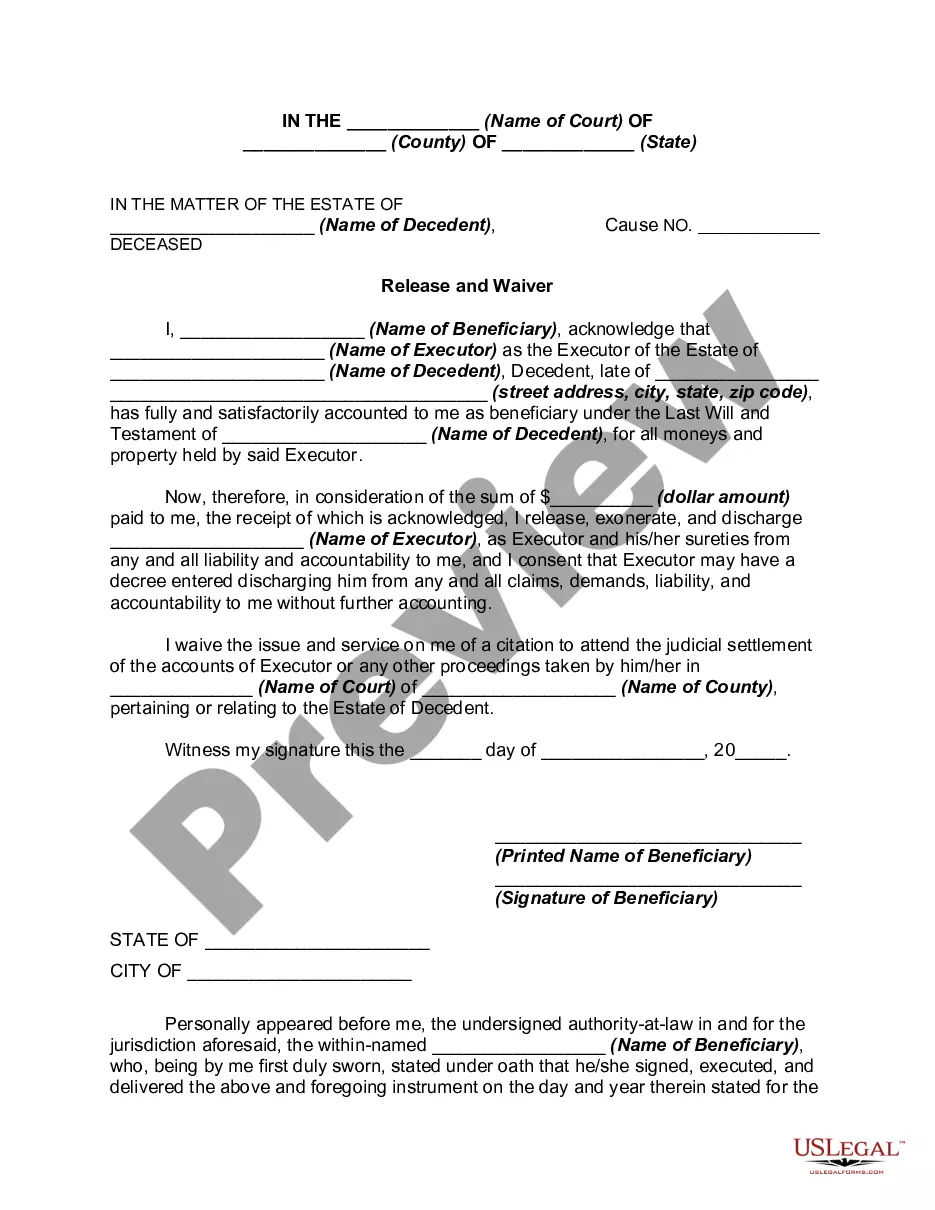
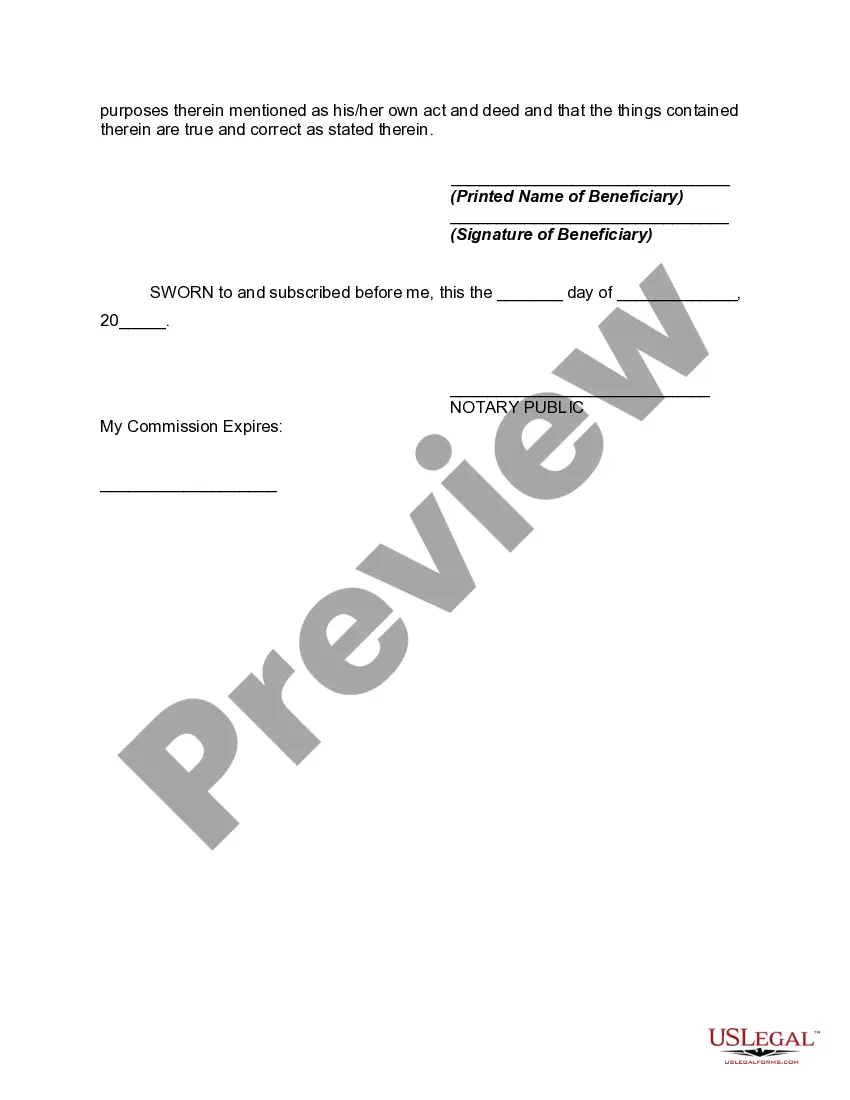
How to fill out Release And Exoneration Of Executor On Distribution To Beneficiary Of Will And Waiver Of Citation Of Final Settlement?
There's no longer a necessity to spend excessive time searching for legal documents to meet your local state obligations.
US Legal Forms has gathered all of them in a single location and made their access easier.
Our platform offers over 85k templates for any business and individual legal situations categorized by state and usage area.
Utilize the search field above to find another sample if the previous one didn't meet your needs. Click Buy Now next to the template name once you discover the correct one. Choose the desired subscription plan and register for an account or Log In. Make payment for your subscription using a credit card or PayPal to proceed. Select the file format for your Form Executor Of Estate and download it to your device. Print out your form to complete it manually or upload the document if you prefer to use an online editor. Creating formal documentation under federal and state laws and regulations is quick and straightforward with our platform. Try US Legal Forms now to keep your paperwork organized!
- All forms are expertly drafted and confirmed for authenticity, ensuring you receive an up-to-date Form Executor Of Estate.
- If you are acquainted with our service and already possess an account, ensure your subscription is active before retrieving any templates.
- Log In to your account, select the document, and click Download.
- You can return to all previously acquired documents at any time by accessing the My documents tab in your profile.
- If you're a new user unfamiliar with our service, the procedure will involve additional steps to finish.
- Here's how new clients can access the Form Executor Of Estate in our catalog.
- Review the page content carefully to verify it contains the sample you need.
- Use the form description and preview options if available.
Form popularity
FAQ
To prove you are the executor of an estate after the appointment, present the Letters Testamentary or Letters of Administration to financial institutions or beneficiaries. These court-issued documents serve as proof of your authority to manage the estate and settle debts. Keeping copies of these letters handy will help you efficiently navigate the executor responsibilities. For support in managing these tasks, explore the solutions offered by USLegalForms.
A proving executor is an individual who officially validates the will through the probate court process. This person ensures that the will satisfies legal requirements and that the estate's administration follows it. Being appointed as a proving executor carries significant responsibilities, including managing the estate's assets and settling debts. Make sure to use tools from platforms like USLegalForms to assist you in this crucial task.
The best person to make as your executor is someone who is trustworthy, organized, and has a good understanding of financial matters. Often, family members or close friends fit this role, but it may also be beneficial to consider a professional, such as an attorney. Ultimately, choose someone who you believe will handle your estate responsibly. Resources from USLegalForms can also help you understand your options when naming an executor.
To get your executor paperwork, start by filing the appropriate forms with the probate court. Typically, these include the petition for probate and related documentation such as the death certificate. You can simplify this process by utilizing platforms like USLegalForms, which provide the necessary templates and guidance for completing your paperwork accurately.
Proving your status as an executor without a will typically involves filing for Letters of Administration with the probate court. In such cases, the court looks for a family member or another interested party to serve as executor. Documenting your relationship to the deceased and your readiness to handle the responsibilities is essential. Services like USLegalForms can assist you in preparing the necessary paperwork and navigating this process.
To make yourself the executor of an estate, you must be appointed through the probate process in court. This often requires submitting a petition that includes a valid will, if available. If there is no will, the court will determine who is most suitable to appoint as the executor. Consulting with resources like USLegalForms can guide you through the required steps and paperwork.
The document that proves you are an executor is typically the Letters Testamentary, issued by the probate court. This legal document provides you with the authority to act on behalf of the estate. Without this document, you cannot legally manage or distribute the estate’s assets. Ensure you follow the correct procedures to obtain these letters through platforms like USLegalForms.
To prove you are the executor of an estate, you need the official court-issued documents that appoint you in this role. This includes the Letters Testamentary or Letters of Administration, depending on whether there is a will. These documents confirm your authority to manage the estate's affairs. Using a reliable service like USLegalForms can help you obtain and properly fill out the necessary forms to streamline this process.
The best person to be an executor is someone who possesses integrity and reliability. They should also have the capability to navigate the complexities involved in administering an estate, including the legal and financial aspects. Often, a close family member or a close friend with no stakes in the estate can effectively bridge personal understanding and professional requirements. Consider using resources like US Legal Forms to help you determine and prepare the necessary procedures for forming executor of estate responsibilities.
The best executor is usually someone organized, responsible, and trustworthy. This individual should be able to handle financial matters, manage assets, and communicate effectively with beneficiaries. Ideally, a person who understands your intentions regarding the estate can effectively execute your wishes. An experienced attorney can also guide you in finding and appointing the best executor.