Conveyance Cemetery Without A Will In San Antonio
Description

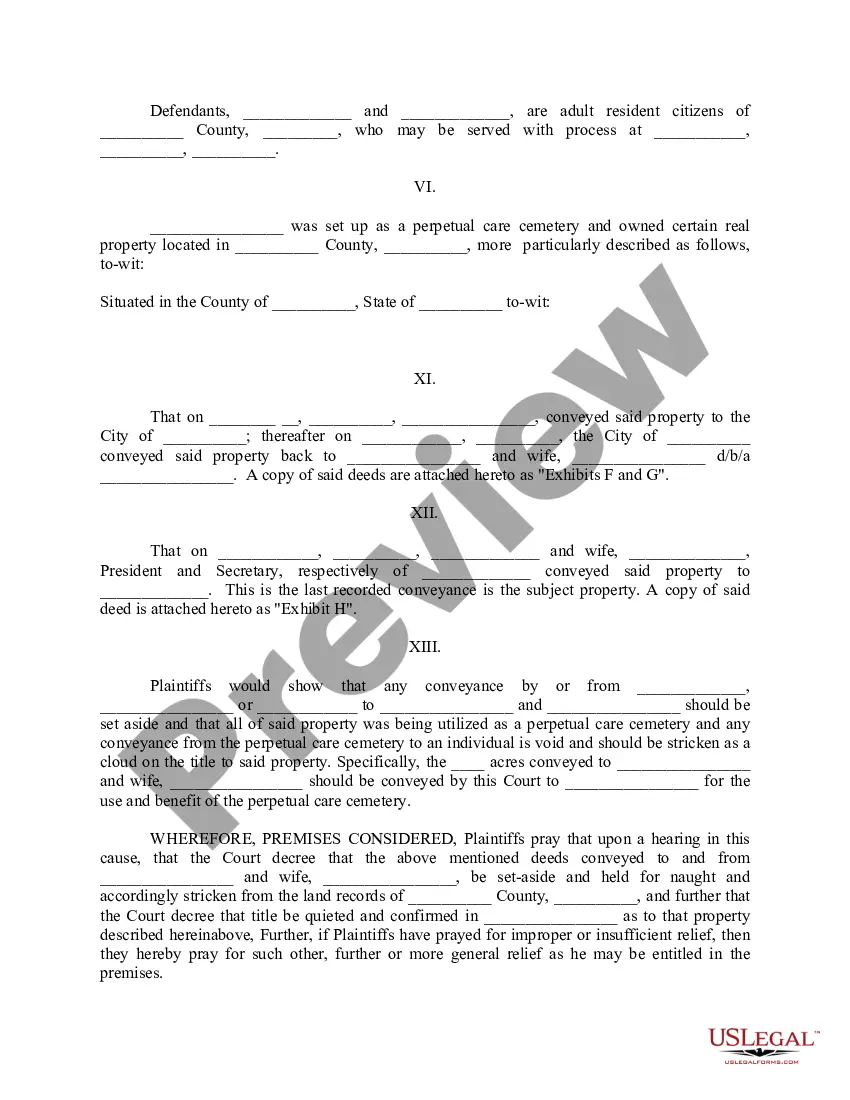

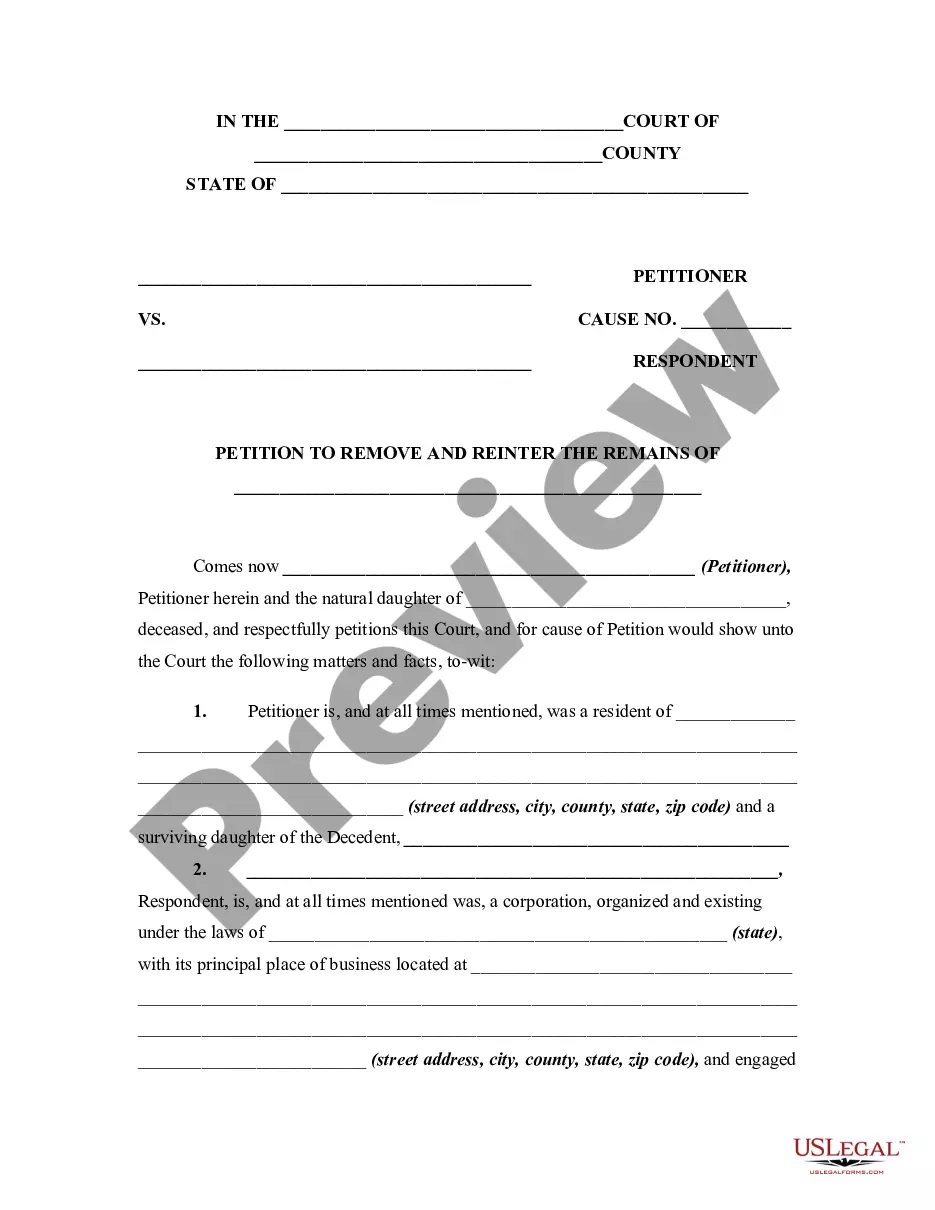
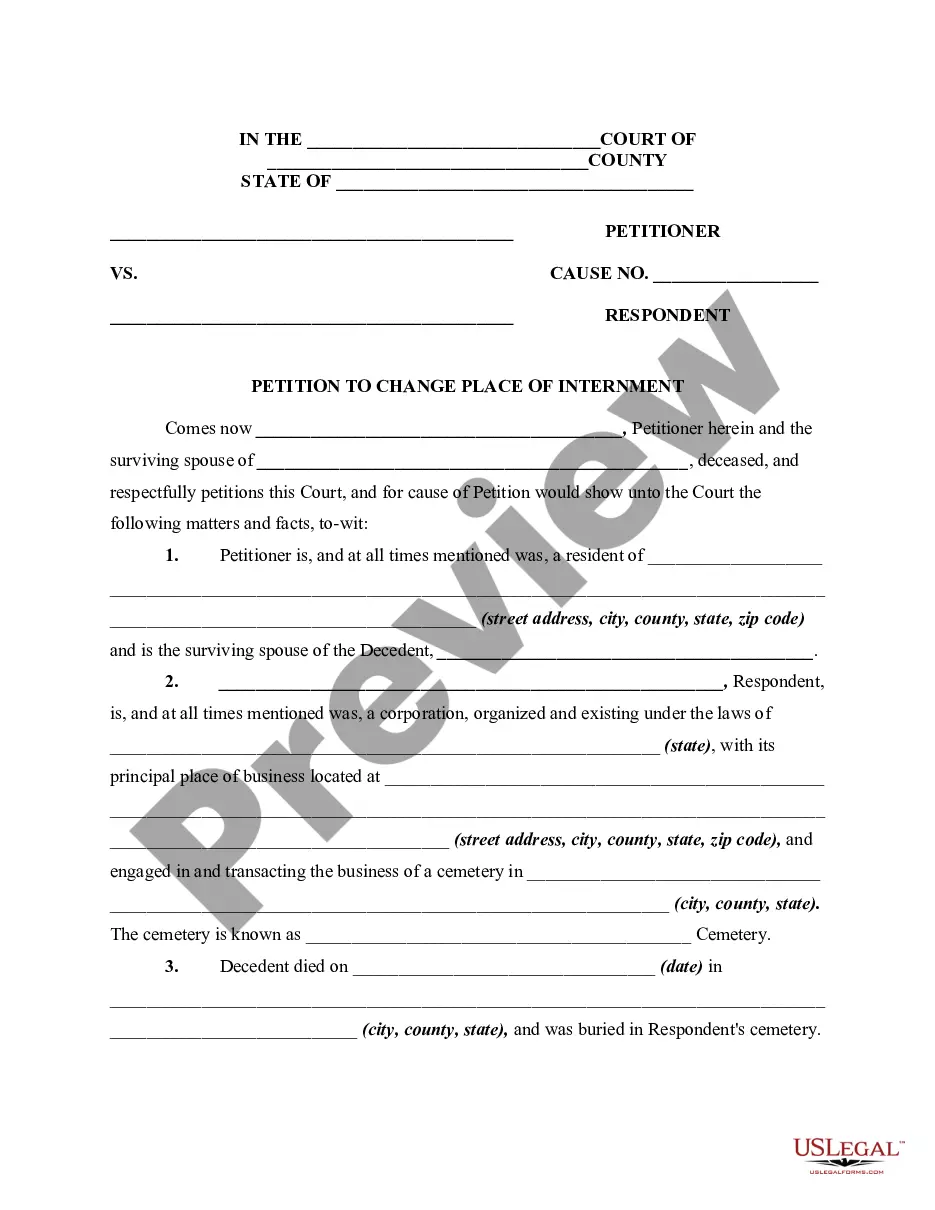
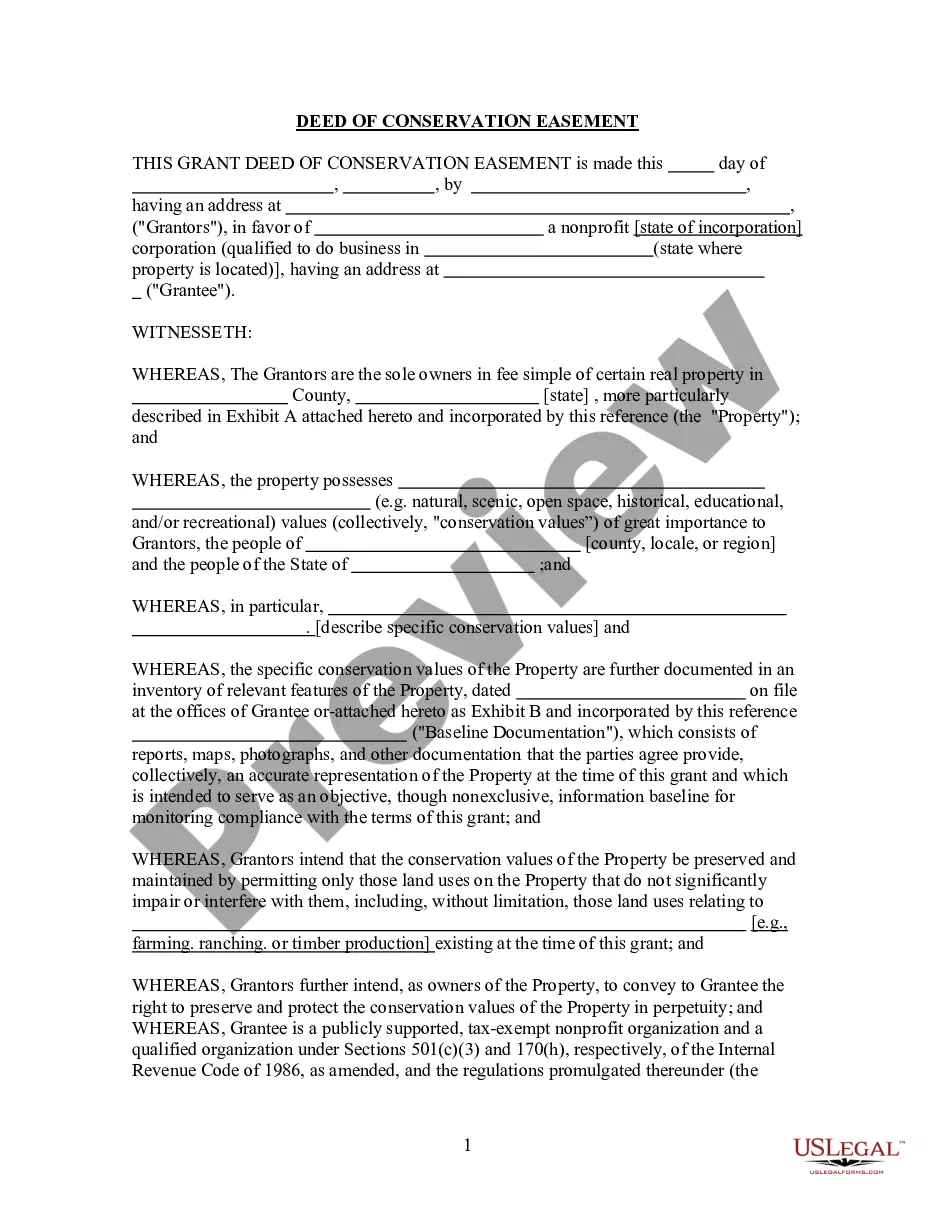
Get your form ready online
Our built-in tools help you complete, sign, share, and store your documents in one place.
Make edits, fill in missing information, and update formatting in US Legal Forms—just like you would in MS Word.
Download a copy, print it, send it by email, or mail it via USPS—whatever works best for your next step.
Sign and collect signatures with our SignNow integration. Send to multiple recipients, set reminders, and more. Go Premium to unlock E-Sign.
If this form requires notarization, complete it online through a secure video call—no need to meet a notary in person or wait for an appointment.
We protect your documents and personal data by following strict security and privacy standards.

Make edits, fill in missing information, and update formatting in US Legal Forms—just like you would in MS Word.

Download a copy, print it, send it by email, or mail it via USPS—whatever works best for your next step.

Sign and collect signatures with our SignNow integration. Send to multiple recipients, set reminders, and more. Go Premium to unlock E-Sign.

If this form requires notarization, complete it online through a secure video call—no need to meet a notary in person or wait for an appointment.

We protect your documents and personal data by following strict security and privacy standards.
Looking for another form?









Form popularity
FAQ
Heirs who inherit land intestate (without a will) own it as tenants in common. 5 Tenants in common each own an undivided interest in the whole parcel of land, which means that none of the heirs can claim any specific piece of land. As tenants in common, each heir has equal rights to use and occupy the land.
How Long Do I Have to Probate an Estate? You have four years from the date of the decedent's death to probate a will in Texas. If you miss this deadline, exceptions may apply, but judges typically won't allow the will to be probated after the four-year window.
The Texas affidavit of heirship form must be filled out and filed on behalf of a decedent's heir and can not be completed by the heir. Instead, two disinterested parties who know the necessary details about a decedent's family life need to fill out the form.
An affidavit of heirship can be used to transfer title to real property when there are no debts of the estate and no administration is necessary. The affidavit must be signed by two disinterested witness who are familiar with the family history.
When heirs' property is created, the heirs own all the property together (in legal terms, they own the property as “tenants in common”). In other words, they each own an interest in the undivided land rather than each heir owning an individual lot or piece of the land.
An affidavit of heirship is a document that can be used in some states to transfer ownership of property left by a deceased person to their family. This allows for property to be inherited without a will or a court proceeding.
Timelines for transferring property after the owner's death vary by state and can range from a few months to over a year.
Proving Heirship The affidavit of heirship requires that the person filing the document include the heir's basic information along with a description of the property being claimed. Basic information includes your name, age, and the names and information of any other possible heirs if known.
Who inherits the property? When there is no will, the person is considered to have died "intestate." Every state has intestacy laws that determine what happens to the property. In Texas, the surviving spouse and children will usually inherit all probate assets.
If the deceased person was the sole owner of the bank account and named a beneficiary, then the bank can release the funds to the beneficiary without probate. If there is no named beneficiary, then the bank will require probate before releasing any funds.