Conveyance Cemetery Without A Will In Philadelphia
Description

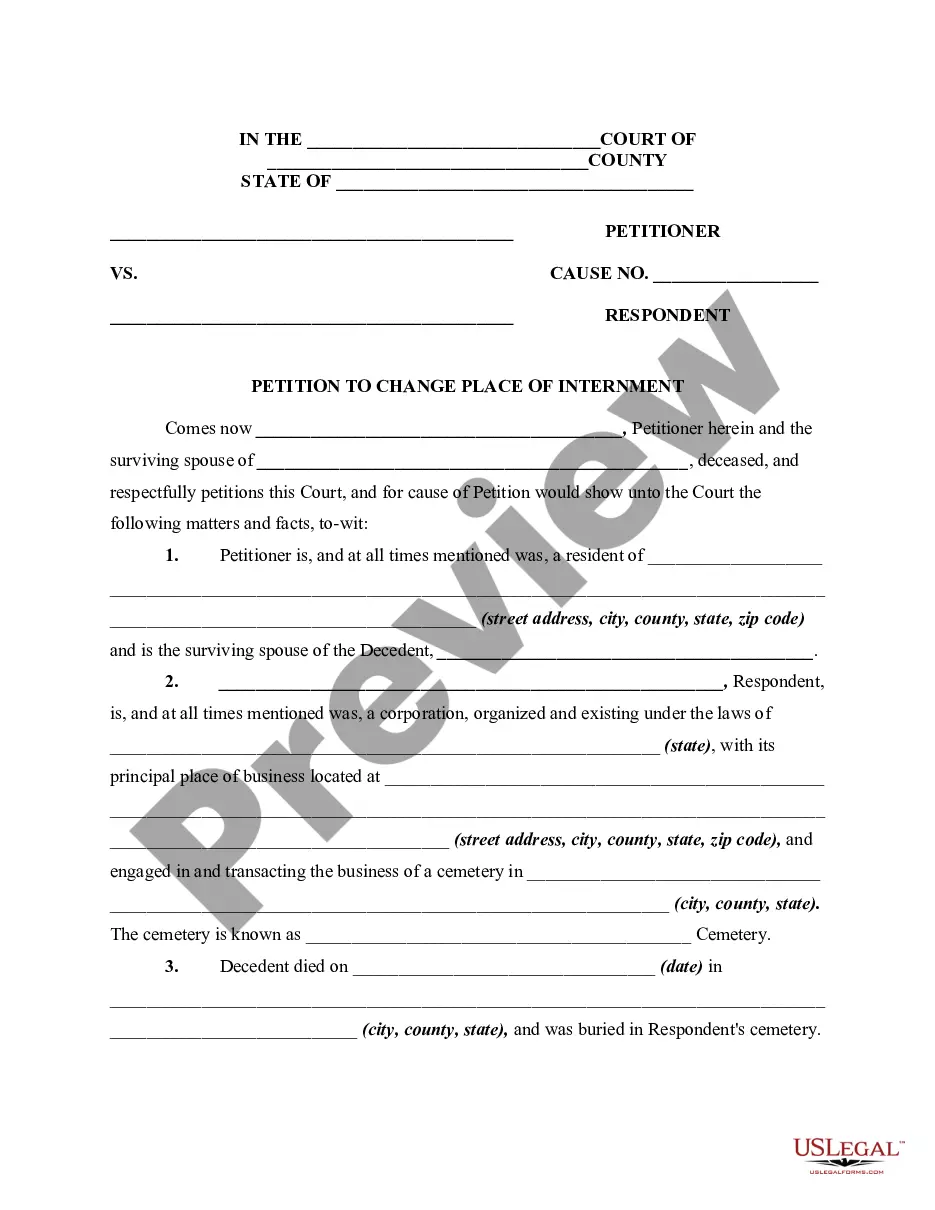
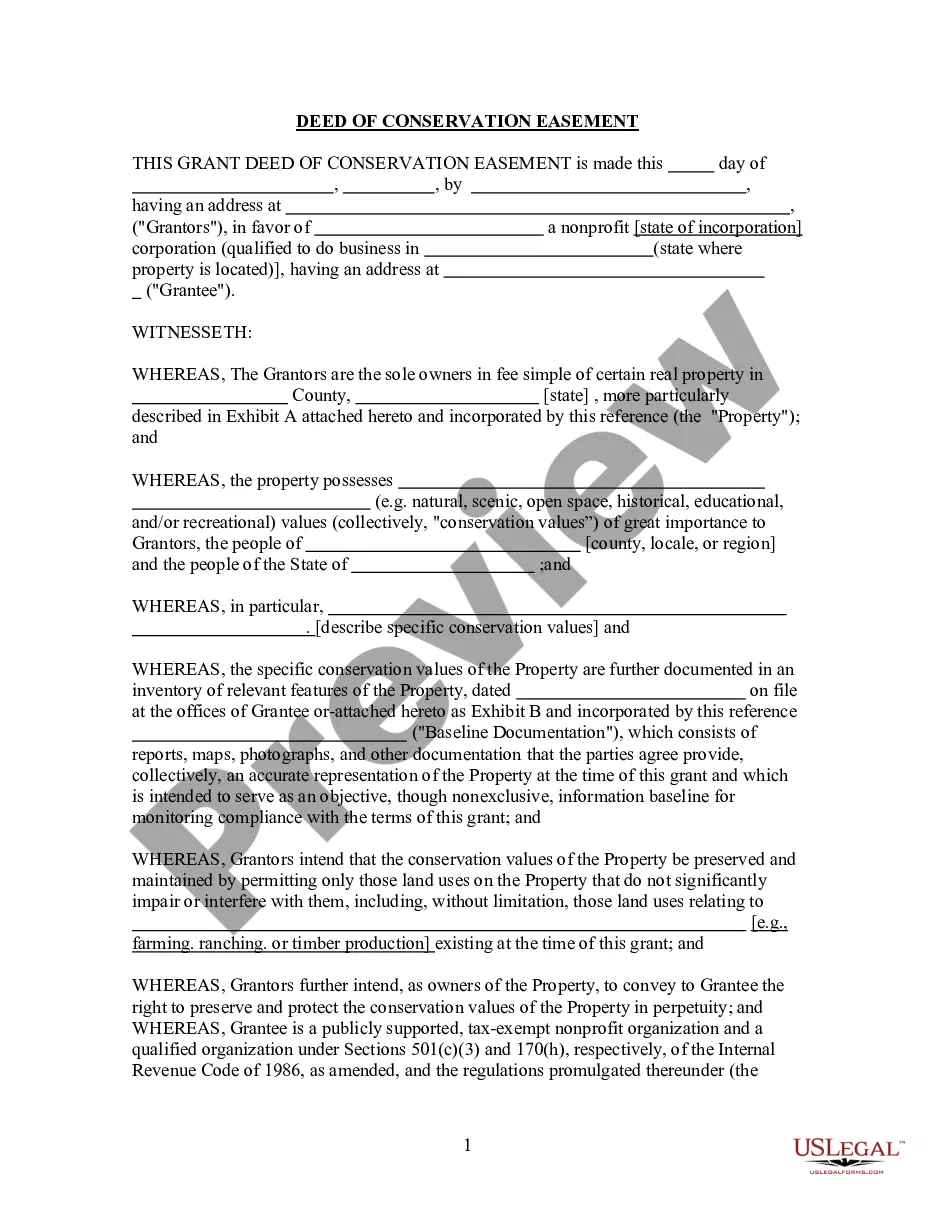
Get your form ready online
Our built-in tools help you complete, sign, share, and store your documents in one place.
Make edits, fill in missing information, and update formatting in US Legal Forms—just like you would in MS Word.
Download a copy, print it, send it by email, or mail it via USPS—whatever works best for your next step.
Sign and collect signatures with our SignNow integration. Send to multiple recipients, set reminders, and more. Go Premium to unlock E-Sign.
If this form requires notarization, complete it online through a secure video call—no need to meet a notary in person or wait for an appointment.
We protect your documents and personal data by following strict security and privacy standards.

Make edits, fill in missing information, and update formatting in US Legal Forms—just like you would in MS Word.

Download a copy, print it, send it by email, or mail it via USPS—whatever works best for your next step.

Sign and collect signatures with our SignNow integration. Send to multiple recipients, set reminders, and more. Go Premium to unlock E-Sign.

If this form requires notarization, complete it online through a secure video call—no need to meet a notary in person or wait for an appointment.

We protect your documents and personal data by following strict security and privacy standards.
Looking for another form?









Form popularity
FAQ
In most cases, the cemetery or memorial site is responsible for the general maintenance and upkeep of the communal grounds. This includes cutting grass in prominent locations, maintaining the landscaping and generally keeping the area in order.
4. Burial in Family Plots and Private Land. Family Cemetery Plots: Pennsylvania permits the establishment of private family cemeteries on private property, but zoning and health department approvals may be required.
Owned and managed by local government entities like a city or town, municipal cemeteries are typically operated as non-profits. Revenue from interments and memorials covers the costs of upkeep and maintenance.
Chapter 712 of the Health and Safety Code governs the operation of perpetual care cemeteries, regulated by the Texas Department of Banking.
Can a cemetery move a grave without permission. No a cemetery cannot move a grave without permissionMoreCan a cemetery move a grave without permission. No a cemetery cannot move a grave without permission. It is illegal and unethical to disturb a burial site without proper authorization.
“Cemetery.” A place for the disposal or burial of deceased human beings, by cremation or in a grave, mausoleum, vault, columbarium or other receptacle, but the term does not include a private cemetery or a private family cemetery.
This Act also states that burial grounds may be sold after remains have been removed, provided the court has decided that the church or other entity associated with the burial grounds is in compliance with the court order.
4. Burial in Family Plots and Private Land. Family Cemetery Plots: Pennsylvania permits the establishment of private family cemeteries on private property, but zoning and health department approvals may be required.