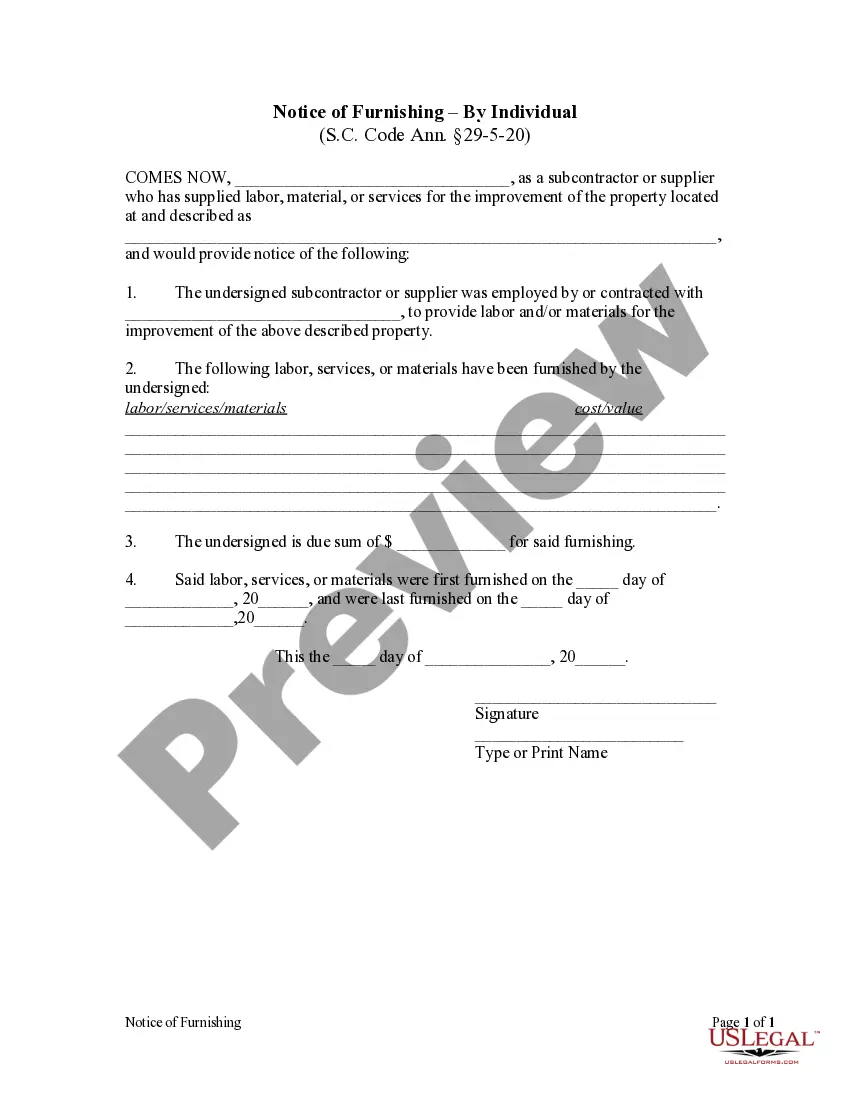
Conveyance Cemetery Without A Will In Chicago
Description

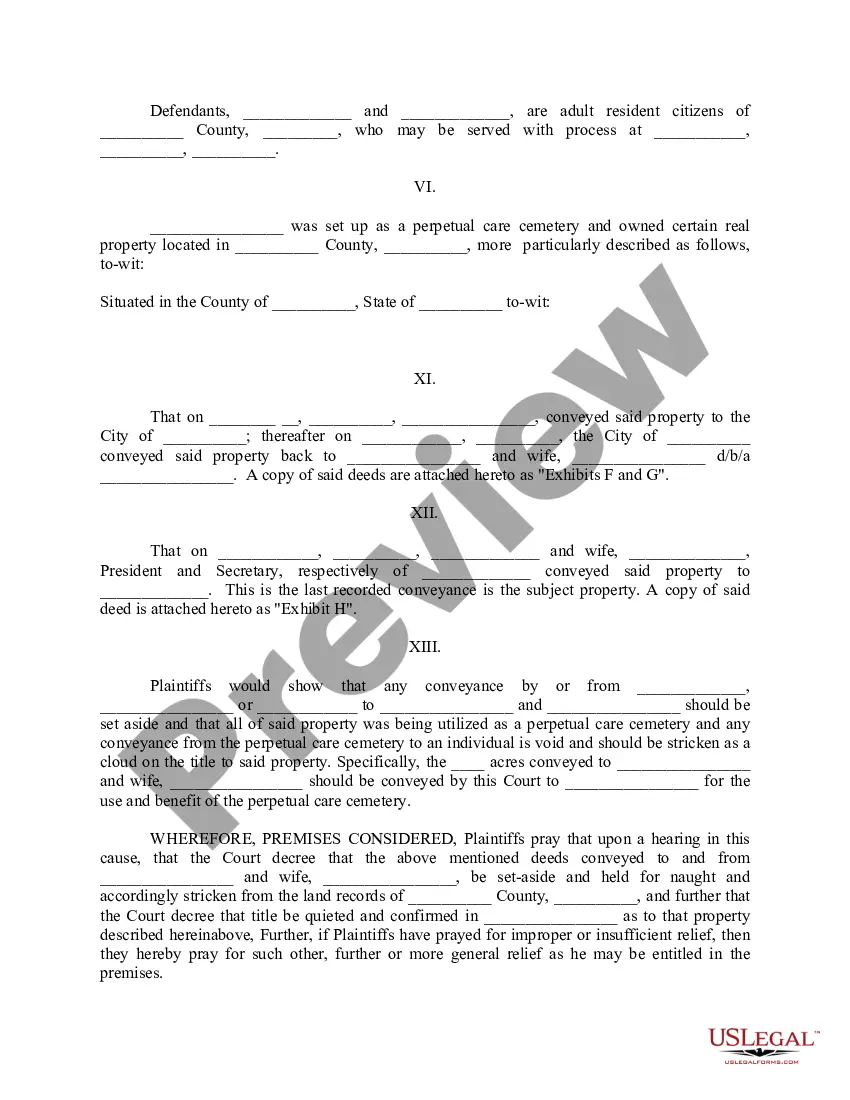

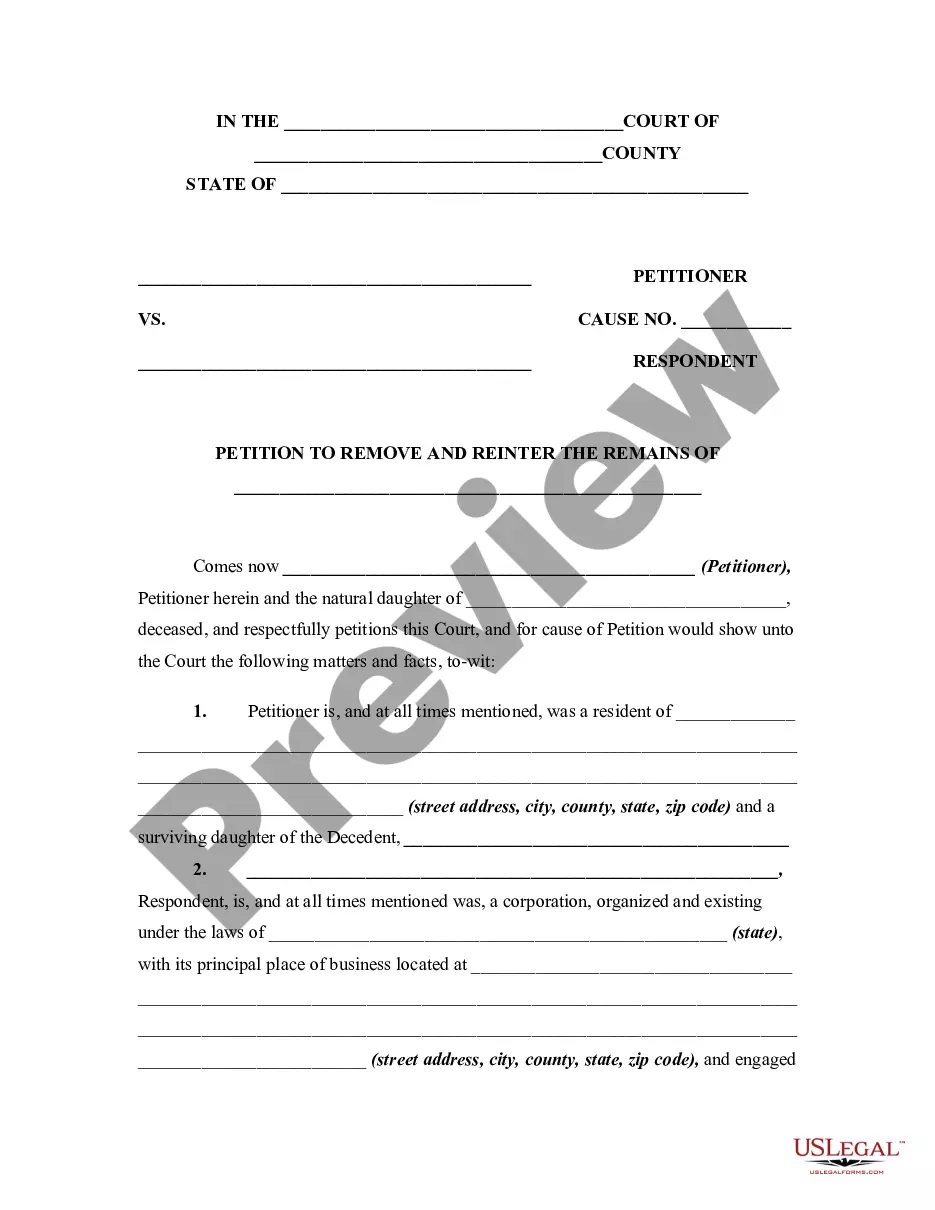
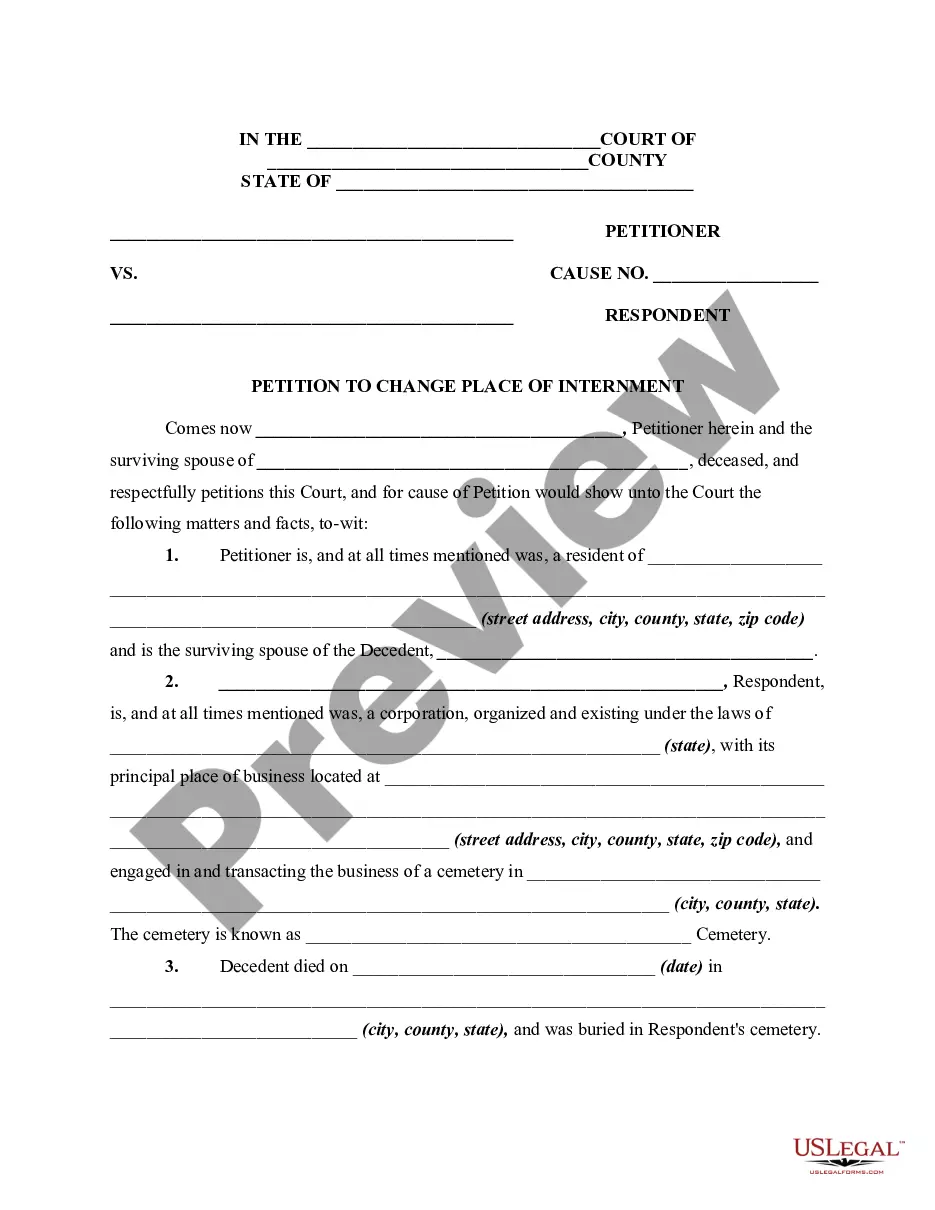
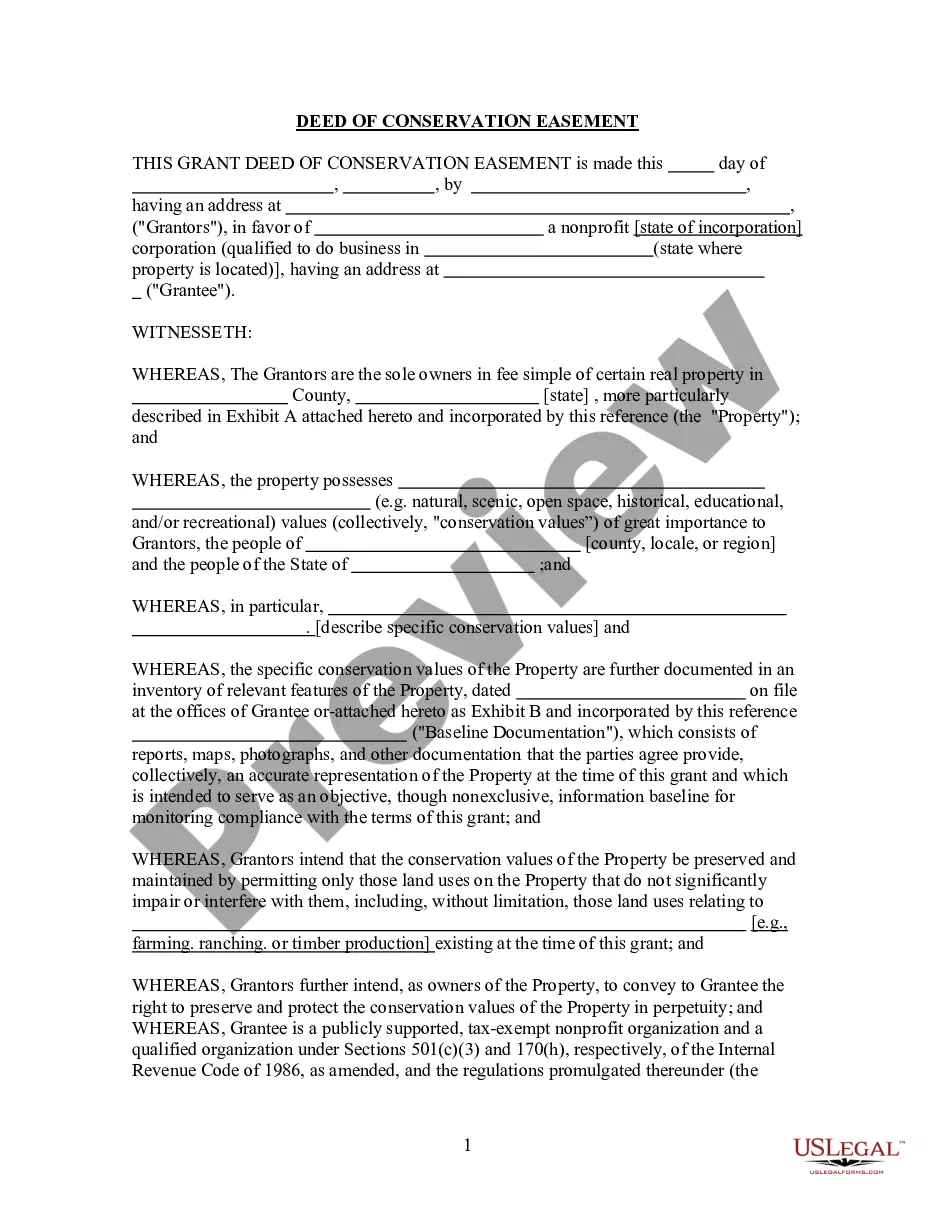
Get your form ready online
Our built-in tools help you complete, sign, share, and store your documents in one place.
Make edits, fill in missing information, and update formatting in US Legal Forms—just like you would in MS Word.
Download a copy, print it, send it by email, or mail it via USPS—whatever works best for your next step.
Sign and collect signatures with our SignNow integration. Send to multiple recipients, set reminders, and more. Go Premium to unlock E-Sign.
If this form requires notarization, complete it online through a secure video call—no need to meet a notary in person or wait for an appointment.
We protect your documents and personal data by following strict security and privacy standards.

Make edits, fill in missing information, and update formatting in US Legal Forms—just like you would in MS Word.

Download a copy, print it, send it by email, or mail it via USPS—whatever works best for your next step.

Sign and collect signatures with our SignNow integration. Send to multiple recipients, set reminders, and more. Go Premium to unlock E-Sign.

If this form requires notarization, complete it online through a secure video call—no need to meet a notary in person or wait for an appointment.

We protect your documents and personal data by following strict security and privacy standards.
Looking for another form?










Form popularity
FAQ
The decedent's property is given to the decedent's heirs during a probate court case. A decedent's relatives also get part of the estate. If someone is married and has no children, everything goes to the surviving spouse. If there is a spouse and two children, the spouse gets half of the assets of the estate.
The Illinois Probate Act Sets Forth the Next of Kin of a Deceased Party SurvivorsInheriting Next of Kin Spouse, no children Spouse Children, no spouse Children Parents, no spouse, no descendants, no siblings Parents Siblings, no parents, no descendants, no spouse Siblings2 more rows •
If one dies without a Will, he or she dies "Intestate." Since, there is no Will to file, there is no individual specifically identified as an executor. Nonetheless, the procedure is quite similar to that in a testate proceeding. An interested person, usually a family member, files a petition with.
How to Transfer Ownership of a Burial Plot Step 1 – Get the Deed From the Cemetery. Step 2 – Review the State and Local Laws. Step 3 – Prove You Are the Current Owner. Step 4 – Fill Out the Cemetery Plot Deed Transfer Form. Step 5 – Complete the Transfer and Get the New Deed.
How To File for Executor of Estate Without Will? Find out your place in line. Obtain waivers from other family members. Contact the court. File your administration petition. Go to the probate hearing. Get a probate bond.
A will executor in Illinois must be at least 18 years old and a U.S. resident. They don't need to be an Illinois resident. The executor should be mentally competent and not have any felony conviction on their record, which disqualifies them from this role.
In Illinois, if someone dies without a will, their estate is distributed ing to state intestacy laws. These laws dictate a specific order of inheritance, typically favoring the closest relatives, such as spouses and children. The court appoints an administrator to manage the estate distribution process.
Proving Heirship The affidavit of heirship requires that the person filing the document include the heir's basic information along with a description of the property being claimed. Basic information includes your name, age, and the names and information of any other possible heirs if known.
Heirs who inherit land intestate (without a will) own it as tenants in common. 5 Tenants in common each own an undivided interest in the whole parcel of land, which means that none of the heirs can claim any specific piece of land. As tenants in common, each heir has equal rights to use and occupy the land.