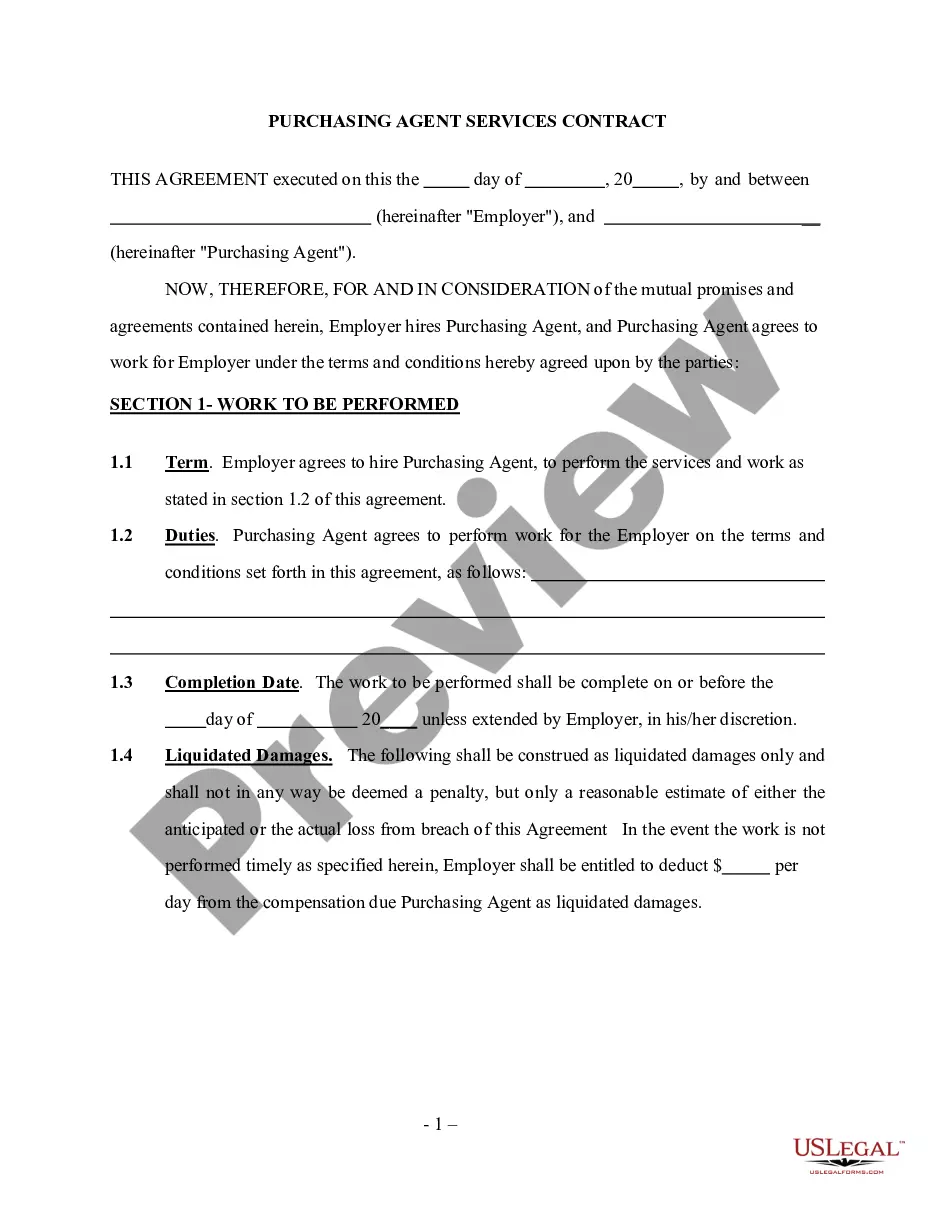
Workplace Discrimination In Bangladesh In Riverside
Description




Get your form ready online
Our built-in tools help you complete, sign, share, and store your documents in one place.
Make edits, fill in missing information, and update formatting in US Legal Forms—just like you would in MS Word.
Download a copy, print it, send it by email, or mail it via USPS—whatever works best for your next step.
Sign and collect signatures with our SignNow integration. Send to multiple recipients, set reminders, and more. Go Premium to unlock E-Sign.
If this form requires notarization, complete it online through a secure video call—no need to meet a notary in person or wait for an appointment.
We protect your documents and personal data by following strict security and privacy standards.

Make edits, fill in missing information, and update formatting in US Legal Forms—just like you would in MS Word.

Download a copy, print it, send it by email, or mail it via USPS—whatever works best for your next step.

Sign and collect signatures with our SignNow integration. Send to multiple recipients, set reminders, and more. Go Premium to unlock E-Sign.

If this form requires notarization, complete it online through a secure video call—no need to meet a notary in person or wait for an appointment.

We protect your documents and personal data by following strict security and privacy standards.
Looking for another form?




Form popularity
FAQ
Any employee who feels that he/she has been unfairly discriminated against or that an employer has contravened the laws may lodge a grievance in writing with their employer. The matter may thereafter be referred to the CCMA if the issue cannot be resolved at the workplace.
Report discrimination to a local Fair Employment Practices Agency (FEPA). If the discrimination breaks both a state and federal law, the FEPA will also send your complaint to the EEOC. Use the EEOC's directory of field offices to find the FEPA near you.
Include the following in your complaint letter: Your name, address and telephone number. The name, address, and telephone number of your attorney or authorized representative, if you are represented. The basis of your complaint. The date(s) that the incident(s) you are reporting as discrimination occurred.
To prove discrimination, plaintiffs must provide evidence that they: (a) are a member of a protected class, (b) are qualified for the position at issue, (c) suffered an adverse employment action, and (d) the employer treated similarly situated employees outside of the protected class more favorably (or some other ...
Report discrimination to a local Fair Employment Practices Agency (FEPA). If the discrimination breaks both a state and federal law, the FEPA will also send your complaint to the EEOC. Use the EEOC's directory of field offices to find the FEPA near you.
The name, address, and telephone number of the person who is being treated unfairly; The name, address, and telephone number of the employer you are filing the complaint against; A brief description of the event or events that you believe are unfair or harassing; and. The dates these events occurred.
The following would be considered illegal discrimination if there is evidence that the decision was made based on a protected characteristic: Sexual Harassment. Refusal to Provide Services. Unfair Lending Practices. Misrepresenting the Availability of Housing. Refusal to Allow “Reasonable Modifications” Refusing Rental.
Your chances of winning a discrimination case are much higher if you have the evidence and documentation to support your claim of discrimination. Such evidence could be direct or circumstantial.
In professional settings, cultural bias can manifest in multiple ways. One of the most common examples is during the hiring or promotion process when one candidate is preferred over another due to cultural similarities–or alternately, when one candidate is rejected because of cultural differences.
Disability Discrimination Disability discrimination has become one of the most common forms of workplace discrimination claims made before the EEOC.