Abuse For Work
Description



Get your form ready online
Our built-in tools help you complete, sign, share, and store your documents in one place.
Make edits, fill in missing information, and update formatting in US Legal Forms—just like you would in MS Word.
Download a copy, print it, send it by email, or mail it via USPS—whatever works best for your next step.
Sign and collect signatures with our SignNow integration. Send to multiple recipients, set reminders, and more. Go Premium to unlock E-Sign.
If this form requires notarization, complete it online through a secure video call—no need to meet a notary in person or wait for an appointment.
We protect your documents and personal data by following strict security and privacy standards.

Make edits, fill in missing information, and update formatting in US Legal Forms—just like you would in MS Word.

Download a copy, print it, send it by email, or mail it via USPS—whatever works best for your next step.

Sign and collect signatures with our SignNow integration. Send to multiple recipients, set reminders, and more. Go Premium to unlock E-Sign.

If this form requires notarization, complete it online through a secure video call—no need to meet a notary in person or wait for an appointment.

We protect your documents and personal data by following strict security and privacy standards.
Looking for another form?

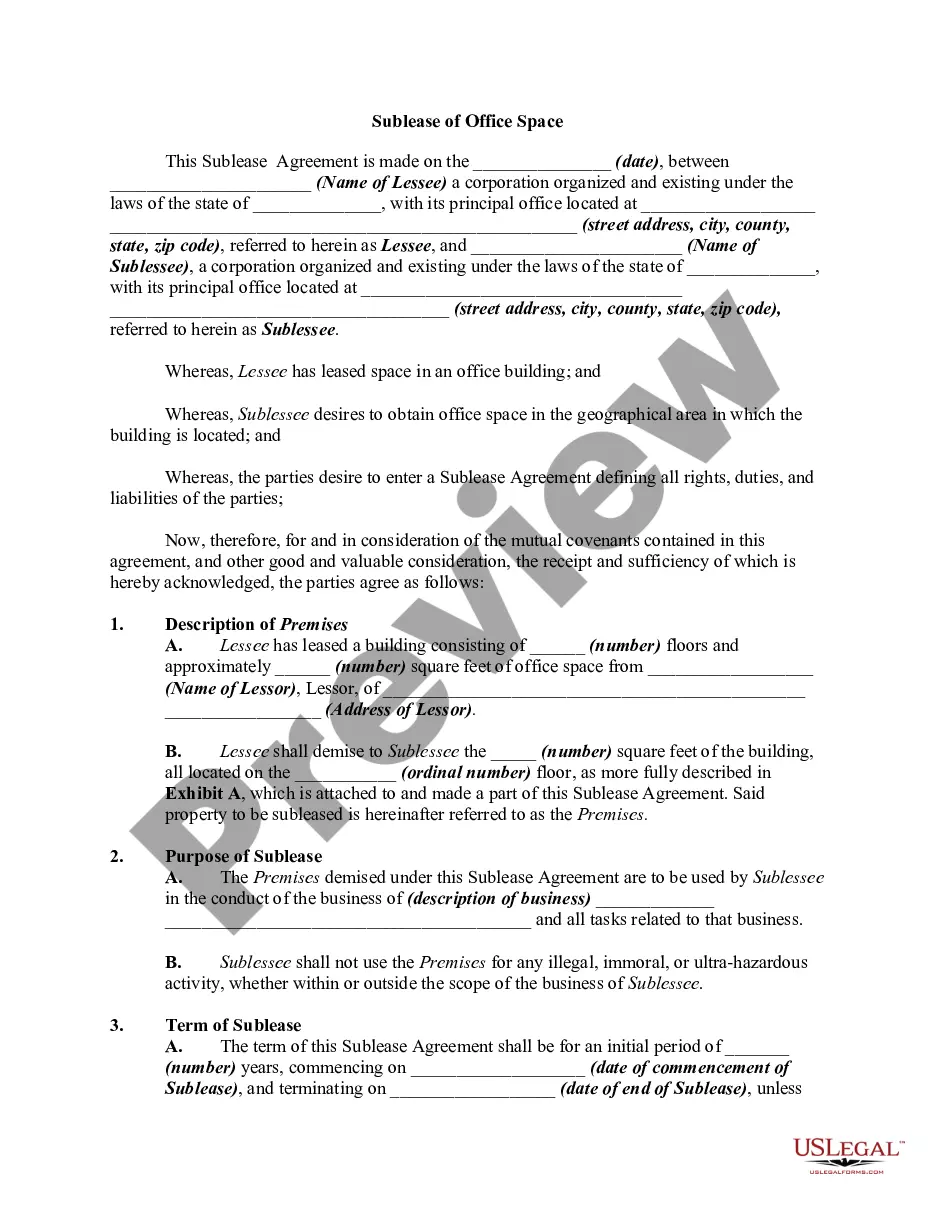
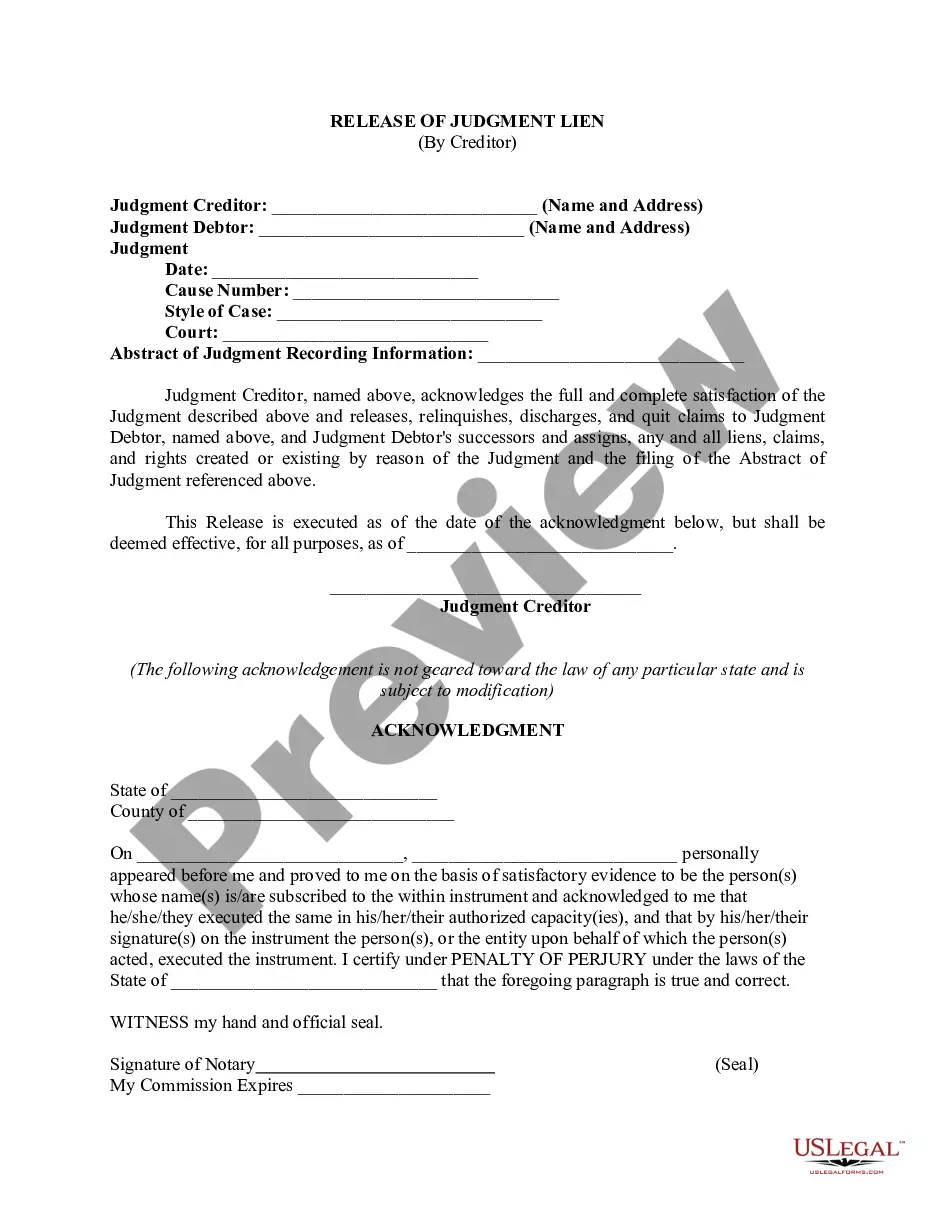
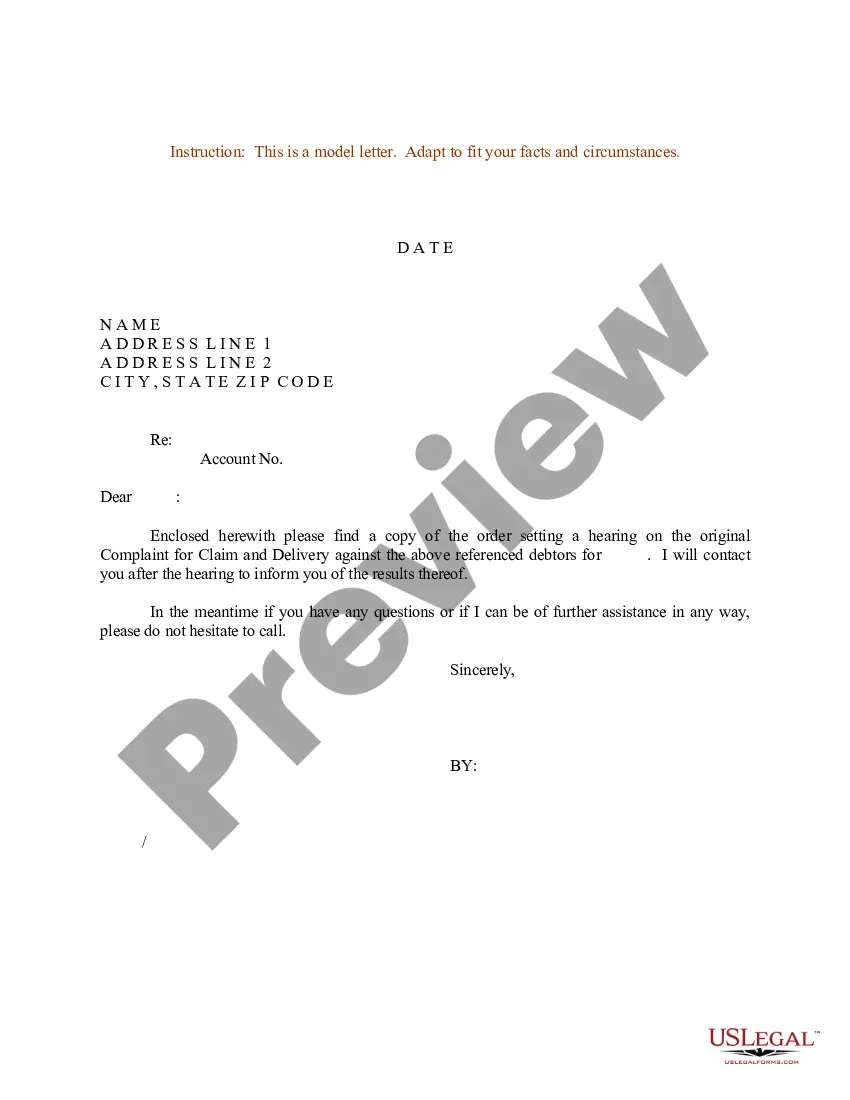
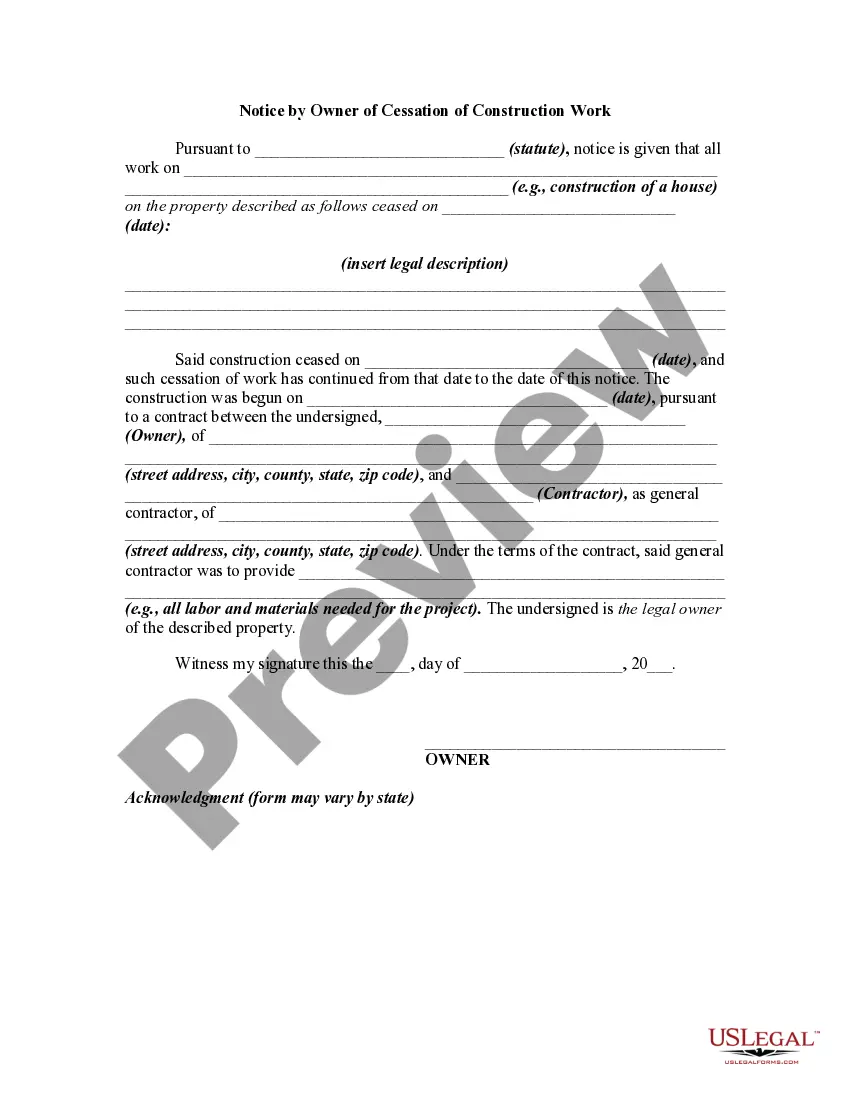

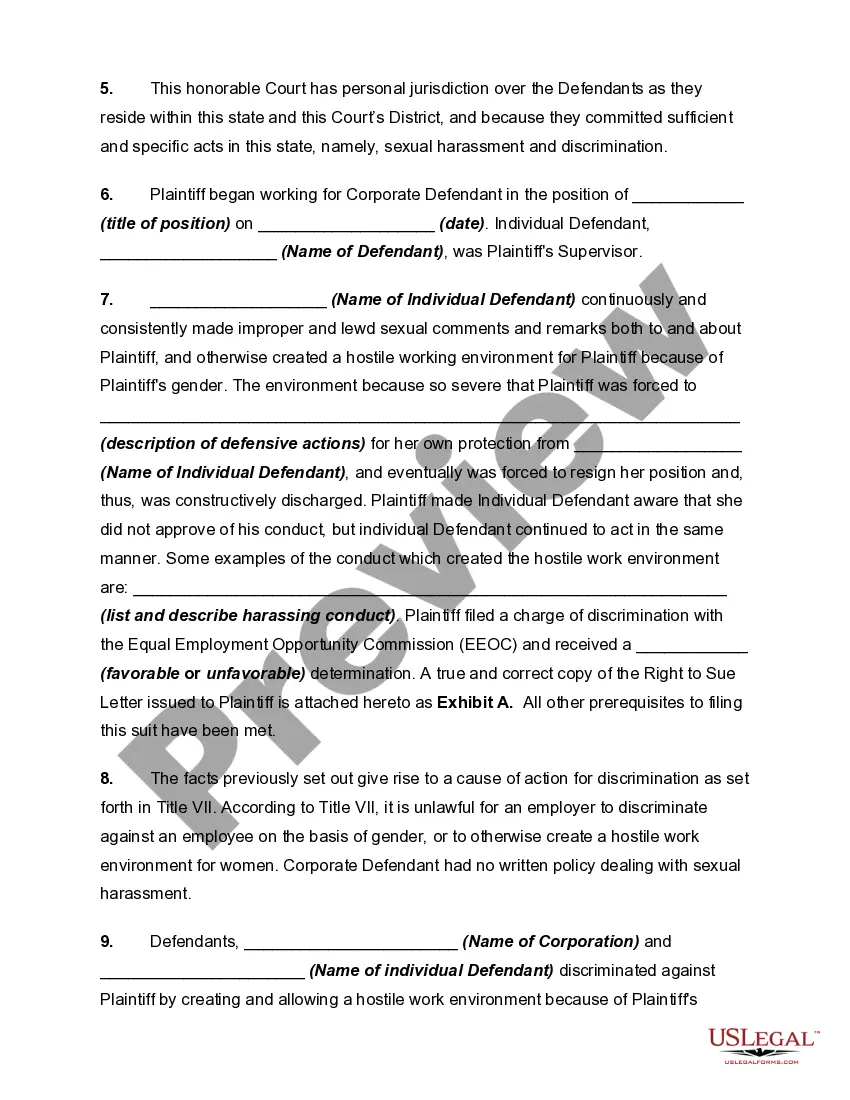
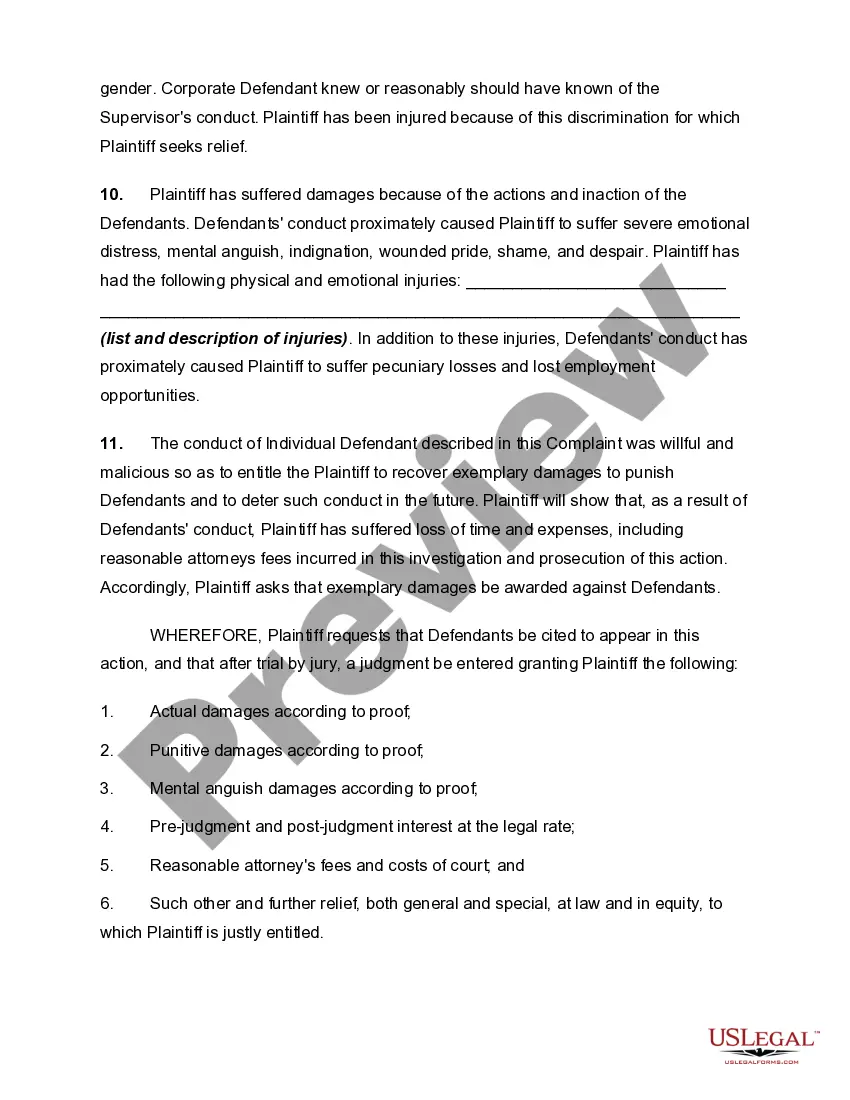
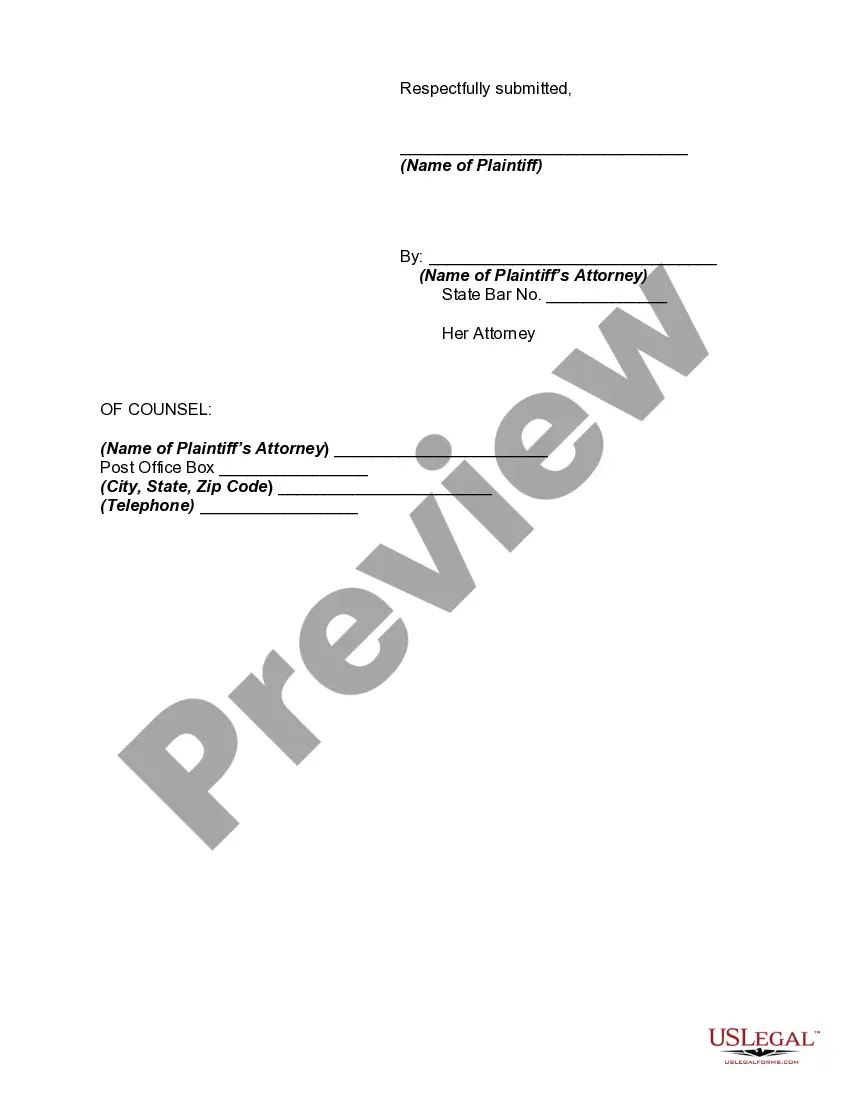
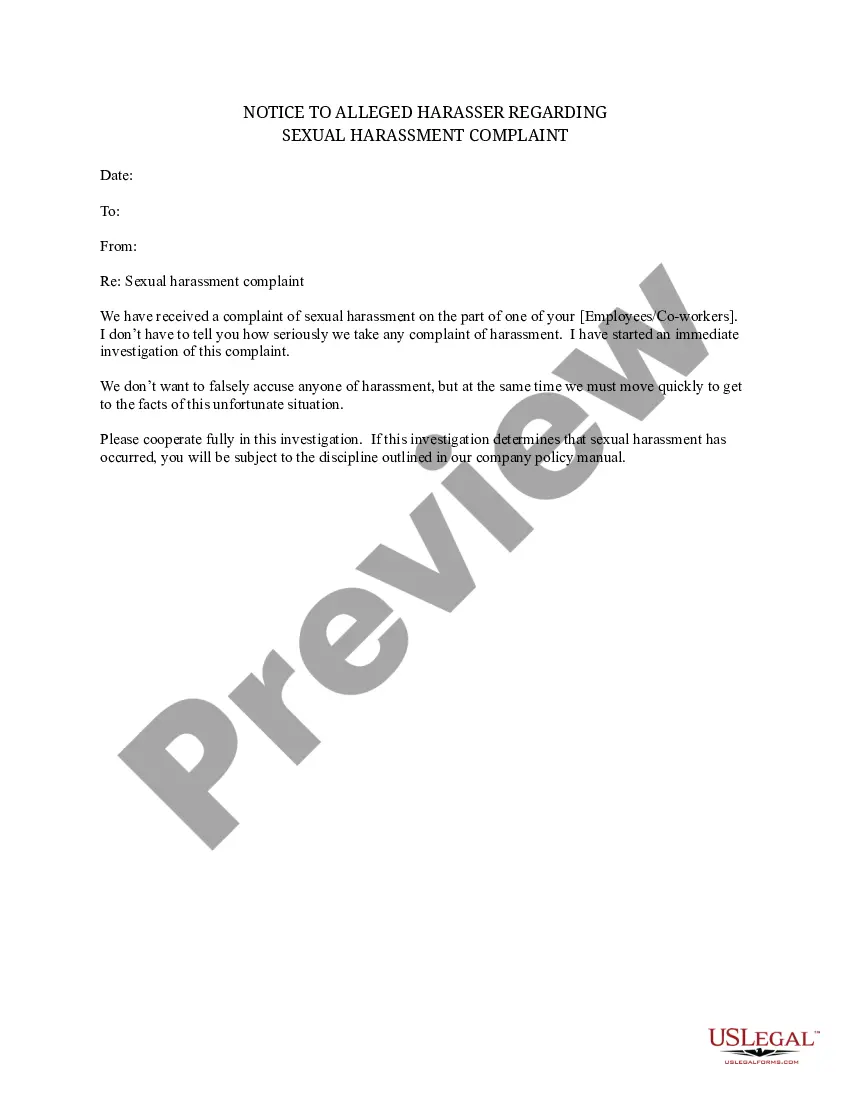
How to fill out Complaint For Discrimination In Employment Based On Sex - Sexual Harassment And A Hostile Work Environment?
Legal paperwork management can be daunting, even for seasoned professionals.
If you require an Abuse For Work and lack the time to search for the suitable and current version, the procedures can be burdensome.
Access a valuable resource repository of articles, guidelines, manuals, and materials relevant to your circumstances and needs.
Save time and energy locating the documents you require, and use US Legal Forms’ advanced search and Review feature to find Abuse For Work and obtain it.
Enjoy the US Legal Forms online library, supported by 25 years of expertise and reliability. Transform your daily document management into a seamless and user-friendly experience today.
- If you have a membership, Log In to your US Legal Forms account, search for the form, and obtain it.
- Check your My documents tab to review the documents you have previously downloaded and organize your folders as needed.
- If you're a first-time user of US Legal Forms, create an account and gain unlimited access to all the library's features.
- After acquiring the needed form, confirm it is the correct one by previewing it and reviewing its description.
- Ensure the template is accepted in your state or county.
- Select Buy Now when you are prepared.
- Opt for a monthly subscription plan.
- Choose the file format you require, and Download, fill out, sign, print, and deliver your document.
- Access state- or county-specific legal and business forms.
- US Legal Forms accommodates any needs you might have, from personal to business papers, all in one location.
- Leverage sophisticated tools to complete and manage your Abuse For Work.
Form popularity
FAQ
Recording workplace bullying involves maintaining a chronological log of incidents that demonstrate abusive behavior. Write down specific interactions, noting the date, time, and context, to build a comprehensive overview of the bullying pattern. Additionally, gather any supporting evidence, like screenshots of messages or emails. Platforms like US Legal Forms offer tools to assist you in formally documenting these bullying incidents, ensuring you have a solid record to present if needed.
To effectively document abuse for work, start by keeping a detailed record of each incident. Note the date, time, location, and individuals involved, along with a description of what happened. Collect any physical evidence, such as emails or messages, and consider gathering witness statements. Utilizing the resources available on US Legal Forms can help you create formal documentation that supports your case.
To prove abuse at work, start by documenting all incidents as they occur, including dates, times, and descriptions. Collect any relevant evidence, such as emails, messages, and witness statements, to substantiate your claims. It may also be beneficial to consult resources like US Legal Forms to understand your rights and avenues for action regarding abuse for work. Taking these steps will help ensure your concerns are addressed appropriately.
An example of abuse in the workplace includes a supervisor publicly humiliating an employee during a meeting or making derogatory comments. Other instances can involve creating an overly hostile work environment or imposing unreasonable job demands. Recognizing these forms of abuse is essential for fostering a respectful workplace. Abuse for work can take many shapes, and it is important to understand them.
Reporting abuse at work begins with documenting your experiences and gathering supporting evidence. You should then follow your workplace’s established procedures for reporting misconduct, which often involves speaking to HR or a designated officer. Ensuring you express your concerns clearly will enable your organization to address the abuse for work effectively. Consider seeking guidance from legal resources if necessary.
Employee abuse encompasses various actions that harm or threaten employees’ well-being. This includes verbal abuse, physical intimidation, excessive workload demands, or discriminatory practices. Recognizing these behaviors is crucial, as they fall under the category of abuse for work. Understanding these definitions can empower you to take action.
To report abusive behavior in the workplace, first, document the incidents carefully, noting dates and specifics. Next, consult your company’s employee handbook to find the appropriate reporting channels. You can approach a trusted supervisor, HR representative, or use an anonymous reporting tool if available. Reporting such behavior is an important step toward addressing abuse for work.
To prove a case of harassment, you need to gather relevant evidence. This can include emails, text messages, workplace recordings, or the testimony of witnesses. Documentation of incidents and a detailed account of events will strengthen your claim. Understanding the legal definition of abuse for work can help you determine what evidence is pertinent.
Abuse in the workplace encompasses various behaviors, including bullying, harassment, and discrimination. Any action that creates a hostile work environment can be classified as abuse for work. It is essential to take such matters seriously, as they can lead to long-term consequences for both individuals and the organization. Platforms like US Legal Forms can assist you in understanding your options and potential legal recourse.
Signs of workplace abuse can vary but often include increased anxiety, frequent absenteeism, or a noticeable decline in job performance. Employees may also exhibit withdrawal from colleagues or show signs of distress when preparing for work. Identifying these signs is key to addressing abuse for work effectively. Utilizing resources from US Legal Forms can guide you in documenting your experiences and seeking support.