Employment Workplace Discrimination For Criminal Record In Orange
Description




Get your form ready online
Our built-in tools help you complete, sign, share, and store your documents in one place.
Make edits, fill in missing information, and update formatting in US Legal Forms—just like you would in MS Word.
Download a copy, print it, send it by email, or mail it via USPS—whatever works best for your next step.
Sign and collect signatures with our SignNow integration. Send to multiple recipients, set reminders, and more. Go Premium to unlock E-Sign.
If this form requires notarization, complete it online through a secure video call—no need to meet a notary in person or wait for an appointment.
We protect your documents and personal data by following strict security and privacy standards.

Make edits, fill in missing information, and update formatting in US Legal Forms—just like you would in MS Word.

Download a copy, print it, send it by email, or mail it via USPS—whatever works best for your next step.

Sign and collect signatures with our SignNow integration. Send to multiple recipients, set reminders, and more. Go Premium to unlock E-Sign.

If this form requires notarization, complete it online through a secure video call—no need to meet a notary in person or wait for an appointment.

We protect your documents and personal data by following strict security and privacy standards.
Looking for another form?

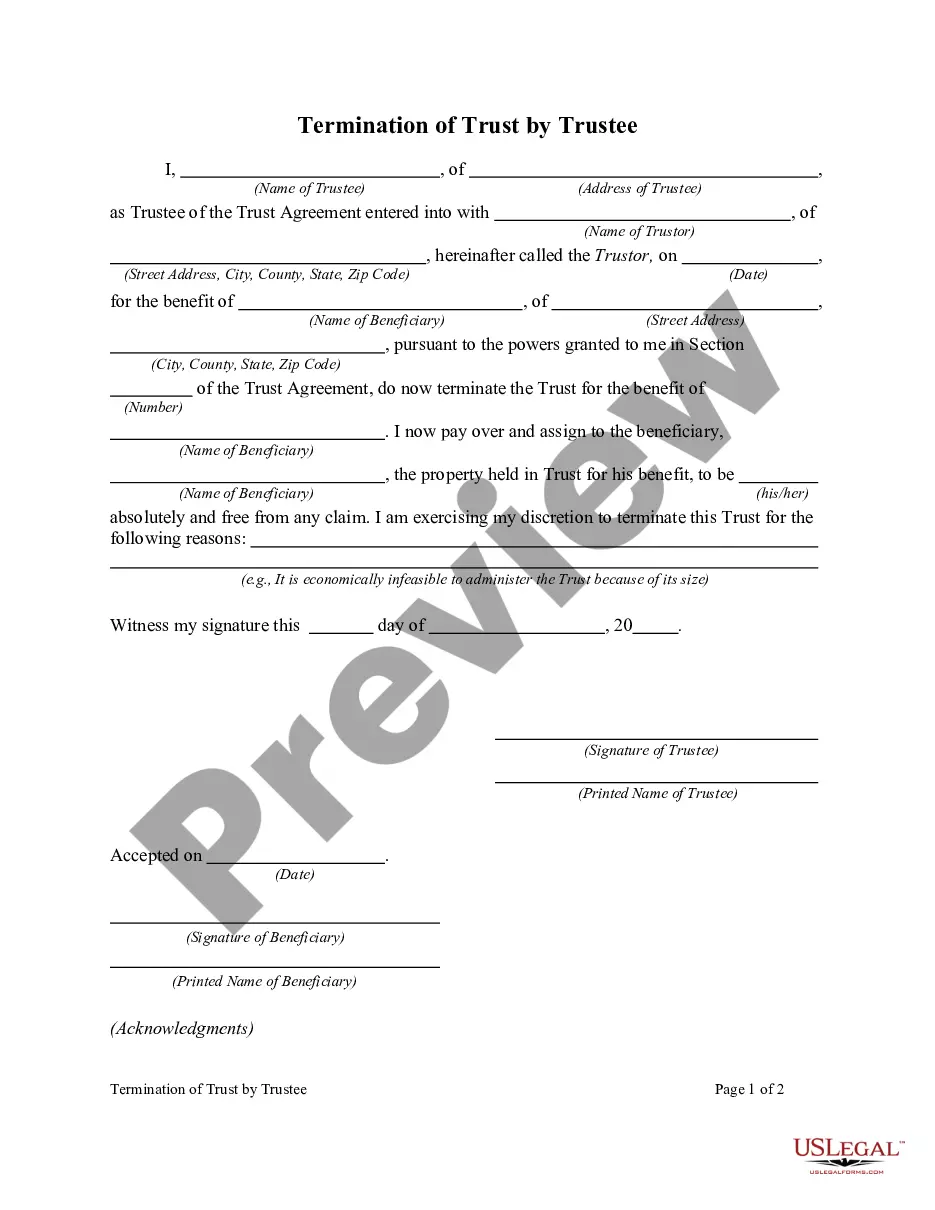
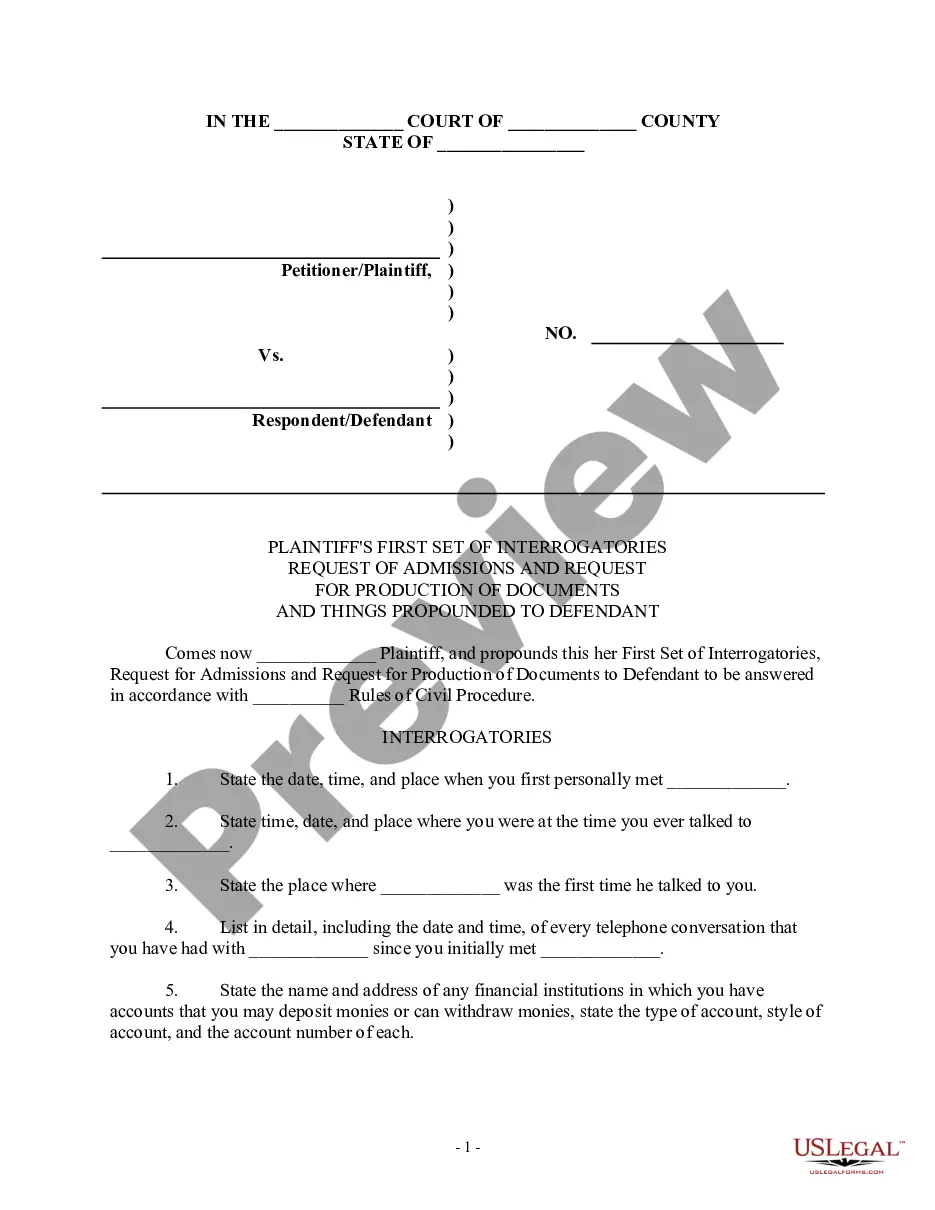
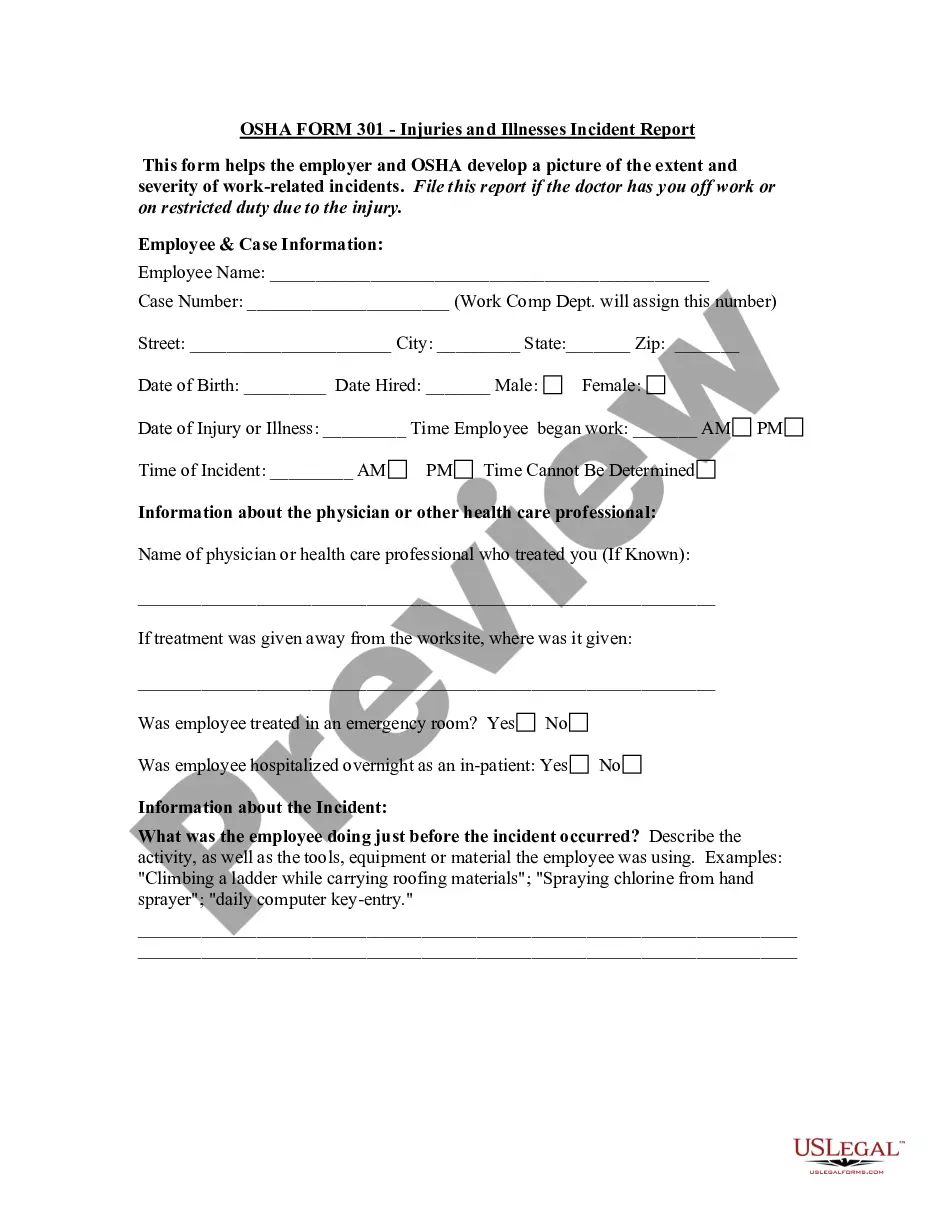
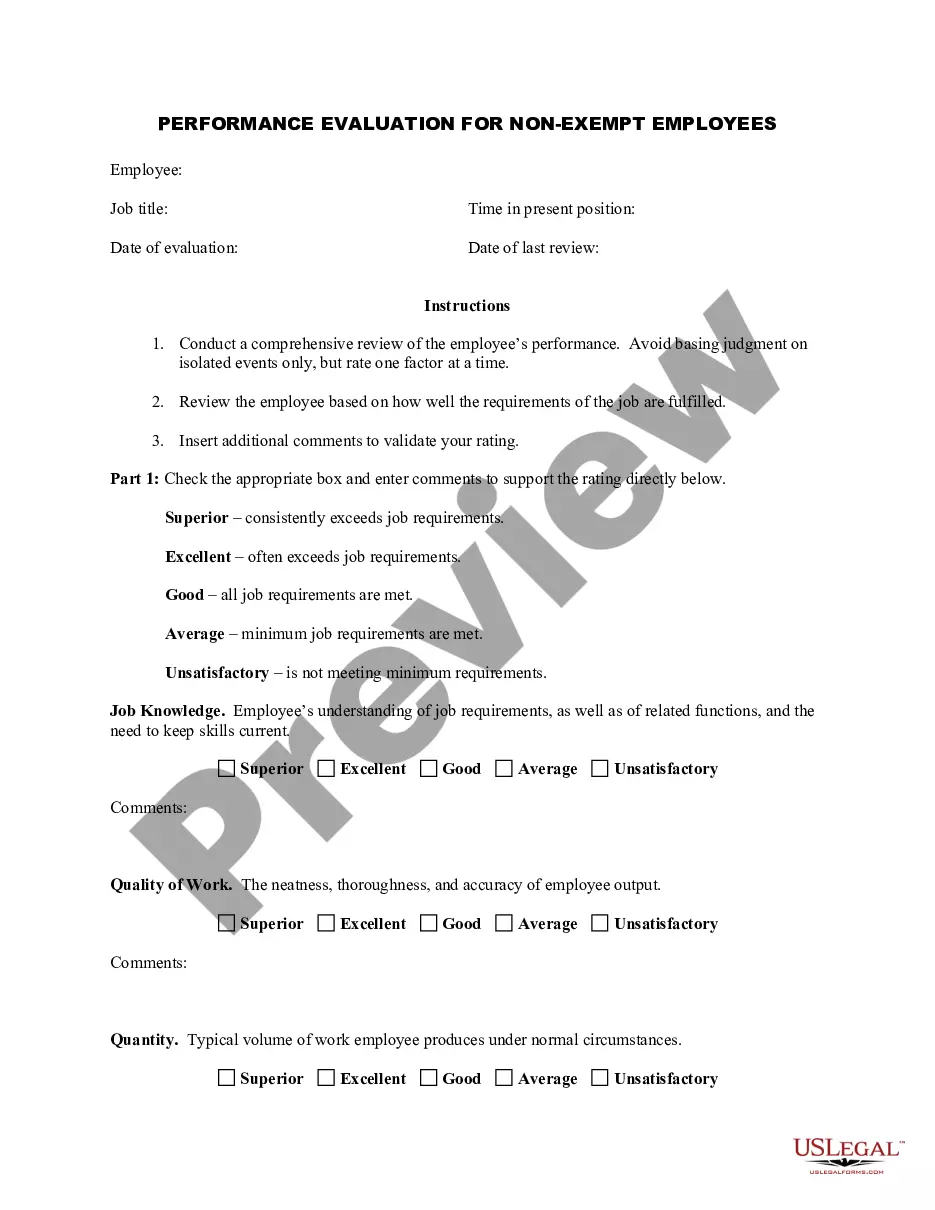


Form popularity
FAQ
Tips for getting a job with a criminal record Understand the regulations. Look for employers open to hiring people with criminal records. Do volunteer work. Get training. Gather references. Make use of inside connections. Steer the conversation to the positive. Be truthful.
Wronged employees have three ways of proving their employers intended to discriminate: circumstantial evidence, direct evidence, and pattern and practice. Circumstantial evidence is evidence that proves a fact by inference, as opposed to direct evidence which directly proves a fact.
Many people mistakenly think that United States criminal records automatically clear after 7 years. This is inaccurate. However, after 5 to 10 years, you may be eligible for expungement, depending on state law. At that point, you can file a petition with the court to have your criminal record expunged.
Most states allow you to 'erase' criminal records through processes called sealing or expunging. However, each state has differing eligibility criteria, types of records that can be 'erased' and process to go about it. Depending on the state, some...
Because the EEOC's policy relates only to Title VII claims, an employer's consideration of criminal histories does not fall within the EEOC's jurisdiction unless it impacts a member of one of the Title VII protected classes.
Depending on where you live, there may be ways to conceal your criminal record from background checks, such as through expungement or sealing. These processes and eligibility requirements vary by jurisdiction, so it is best to contact an expungement or sealing attorney in your state to see your eligibility.
The California Fair Chance Act protects job applicants from discrimination based on their criminal history. The law, which became effective on January 1, 2018, limits when and what employers can ask about criminal history.
Age. Age discrimination involves treating someone (an applicant or employee) less favorably because of age. Disability. Genetic Information. Unlawful Workplace Harassment (Harassment) ... National Origin. Pregnancy. Race/Color. Religion.
Generally speaking, employers are less concerned with misdemeanors than they are with felonies. Whether or not an employer will hire someone with a misdemeanor on their record is completely up to the employer.