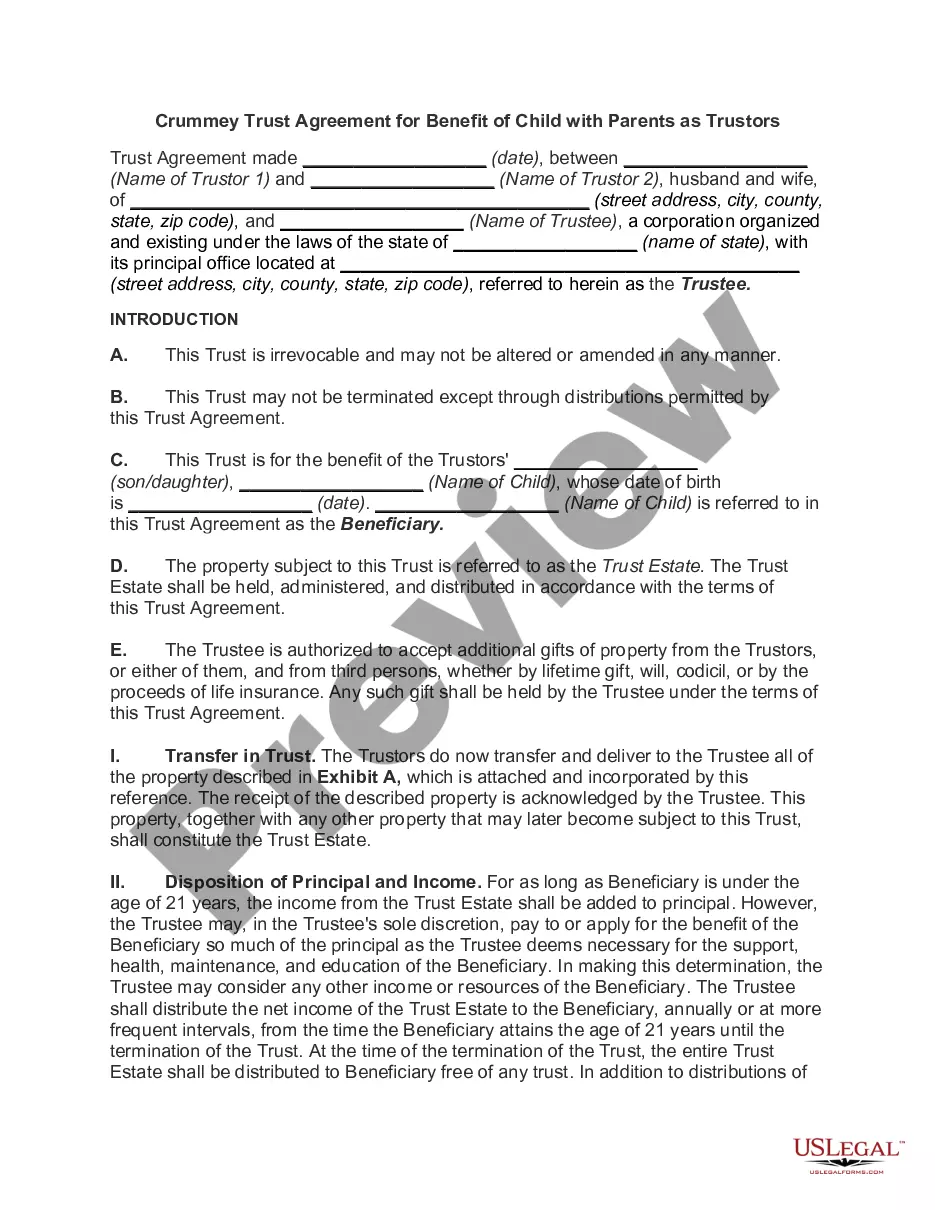
Discrimination Title Vii Rights With The Constitution In Nevada
Description




Get your form ready online
Our built-in tools help you complete, sign, share, and store your documents in one place.
Make edits, fill in missing information, and update formatting in US Legal Forms—just like you would in MS Word.
Download a copy, print it, send it by email, or mail it via USPS—whatever works best for your next step.
Sign and collect signatures with our SignNow integration. Send to multiple recipients, set reminders, and more. Go Premium to unlock E-Sign.
If this form requires notarization, complete it online through a secure video call—no need to meet a notary in person or wait for an appointment.
We protect your documents and personal data by following strict security and privacy standards.

Make edits, fill in missing information, and update formatting in US Legal Forms—just like you would in MS Word.

Download a copy, print it, send it by email, or mail it via USPS—whatever works best for your next step.

Sign and collect signatures with our SignNow integration. Send to multiple recipients, set reminders, and more. Go Premium to unlock E-Sign.

If this form requires notarization, complete it online through a secure video call—no need to meet a notary in person or wait for an appointment.

We protect your documents and personal data by following strict security and privacy standards.
Looking for another form?



Form popularity
FAQ
Nevada state law protects individuals against employment discrimination on the basis of gender identity or expression.
Source of Income is an additional protected class in housing discrimination, but it is not part of the Fair Housing Act. This is because currently, discrimination based on your source of income isn't a federal issue. Still, it is a commonly added protected class under state and local fair housing laws and ordinances.
Here are some of the most funny laws you might not believe exist in Las Vegas. It's Illegal to Ride a Camel on the Highway. Hula Hooping on Fremont Street Requires a Permit. Feeding Pigeons is Prohibited in Certain Areas. No Spitting on Sidewalks in Downtown Las Vegas. Unicycles Banned on Fremont Street.
Who Has to Prove Discrimination Occurred? The burden of proof ultimately rests with the aggrieved person at all times; however, there is a three- step process utilized by the EEOC and the courts when deciding if discrimination occurred or not.
The employee must first present evidence that he is a member of a protected class, he was qualified for the position he held, he suffered an adverse employment action such as being fired, and that he was replaced with another worker who is not a member of that protected class.
In United States employment discrimination law, McDonnell Douglas burden-shifting or the McDonnell-Douglas burden-shifting framework refers to the procedure for adjudicating a motion for summary judgement under a Title VII disparate treatment claim, in particular a "private, non-class action challenging employment ...
Include the following in your complaint letter: Your name, address and telephone number. The name, address, and telephone number of your attorney or authorized representative, if you are represented. The basis of your complaint. The date(s) that the incident(s) you are reporting as discrimination occurred.
The employee must first present evidence that he is a member of a protected class, he was qualified for the position he held, he suffered an adverse employment action such as being fired, and that he was replaced with another worker who is not a member of that protected class.
Discrimination in the private sector is not directly constrained by the Constitution, but has become subject to a growing body of federal and state law, including the Title VII of the Civil Rights Act of 1964.
No person shall be a Senator or Representative in Congress, or elector of President and Vice-President, or hold any office, civil or military, under the United States, or under any State, who, having previously taken an oath, as a member of Congress, or as an officer of the United States, or as a member of any State ...