Child Trust Fund For Newborn Babies
Description



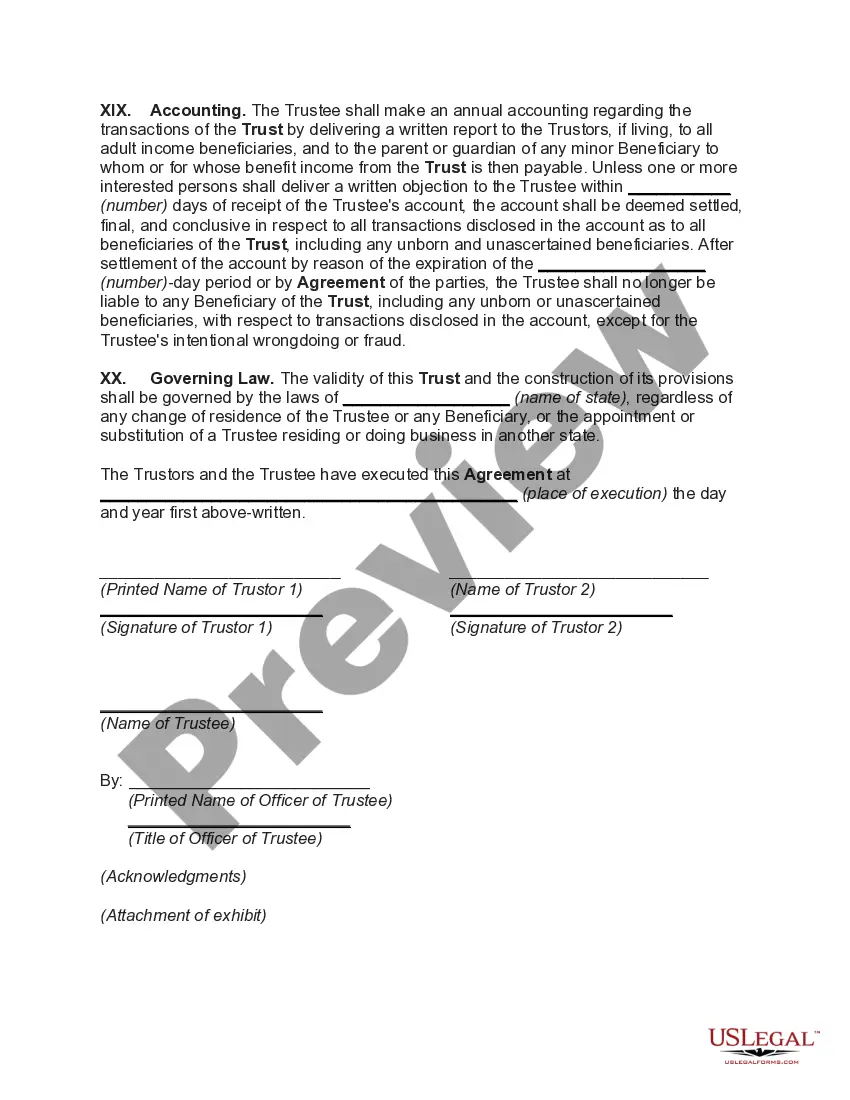


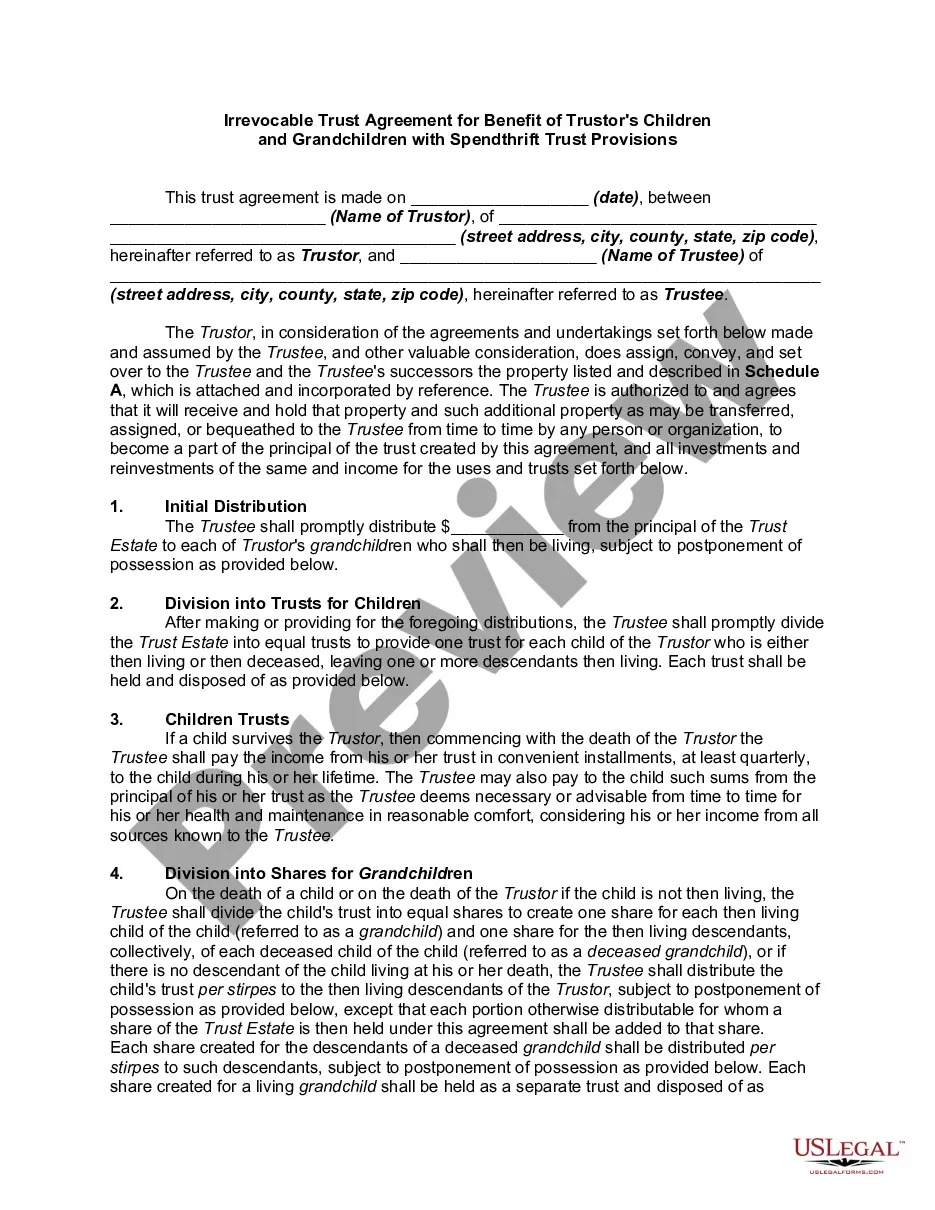
Get your form ready online
Our built-in tools help you complete, sign, share, and store your documents in one place.
Make edits, fill in missing information, and update formatting in US Legal Forms—just like you would in MS Word.
Download a copy, print it, send it by email, or mail it via USPS—whatever works best for your next step.
Sign and collect signatures with our SignNow integration. Send to multiple recipients, set reminders, and more. Go Premium to unlock E-Sign.
If this form requires notarization, complete it online through a secure video call—no need to meet a notary in person or wait for an appointment.
We protect your documents and personal data by following strict security and privacy standards.

Make edits, fill in missing information, and update formatting in US Legal Forms—just like you would in MS Word.

Download a copy, print it, send it by email, or mail it via USPS—whatever works best for your next step.

Sign and collect signatures with our SignNow integration. Send to multiple recipients, set reminders, and more. Go Premium to unlock E-Sign.

If this form requires notarization, complete it online through a secure video call—no need to meet a notary in person or wait for an appointment.

We protect your documents and personal data by following strict security and privacy standards.
Looking for another form?









Form popularity
FAQ
Creating a child trust fund for newborn babies is a straightforward process. Start by choosing a financial institution that offers this type of account. You will need to gather necessary documents, such as your baby's birth certificate and proof of identity. Additionally, consider using platforms like USLegalForms, which can guide you through the steps and provide essential forms to set up a child trust fund efficiently.
Yes, a minor can be a beneficiary of a child trust fund for newborn babies. Trusts are designed to allow for flexibility in beneficiary age and can hold assets until the beneficiary reaches a predetermined age. With the right structure, a trust can be managed on behalf of a minor, ensuring that their financial future is secure.
Setting up a child trust fund for newborn babies involves several straightforward steps. First, decide on the amount you wish to contribute and select a reputable financial institution to hold the trust. Consider working with an attorney or a service like US Legal Forms to ensure all legal requirements are met and to personalize your trust according to your family's needs.
A child can be a beneficiary of a child trust fund for newborn babies from the moment the trust is created. There is no minimum age requirement, allowing you to start planning for your child's future financial security right away. The trust will manage the funds until the child reaches the age specified in the trust agreement.
Yes, a newborn can indeed be a beneficiary of a child trust fund for newborn babies. Unlike some financial accounts, trust funds allow you to designate your child as a beneficiary right from birth. This ensures that the funds set aside for their future are secure and accessible when they come of age.
One major mistake parents often make when establishing a child trust fund for newborn babies is failing to choose the right trustee. Selecting someone who may not manage the funds wisely can affect the intended benefits for the child. It’s important to choose a trustworthy individual or a reliable institution that can administer the trust according to your wishes.
The maximum amount for a child trust fund for newborn babies can vary widely depending on state regulations and the financial institution. Generally, there is no strict upper limit, but contributions may be subject to gift tax considerations if exceeding certain thresholds. By working with a financial advisor or using platforms like uslegalforms, you can navigate these regulations effectively. Proper management of contributions can help maximize the trust fund's growth.
Yes, an infant can be a beneficiary of a trust. Naming your newborn as a beneficiary allows you to secure their financial future, even before they can understand it. A child trust fund for newborn babies can be set up to manage these assets until they reach a legal age. This ensures that the funds are used for their benefit when they can truly appreciate it.
The average child trust fund for newborn babies varies but often falls between $10,000 and $20,000 by the time the child reaches adulthood. This amount depends on parental contributions and investment growth over the years. By regularly contributing to the fund, you can significantly enhance this average. A well-managed trust fund can have a considerable impact on your child's financial stability.
Setting up a child trust fund for newborn babies is a wise decision for many parents. It provides a financial safety net for future educational expenses or other significant life events. Not only does it teach children about saving, but it also secures their financial future. Ensuring your baby has a trust fund can be a powerful way to invest in their dreams.
