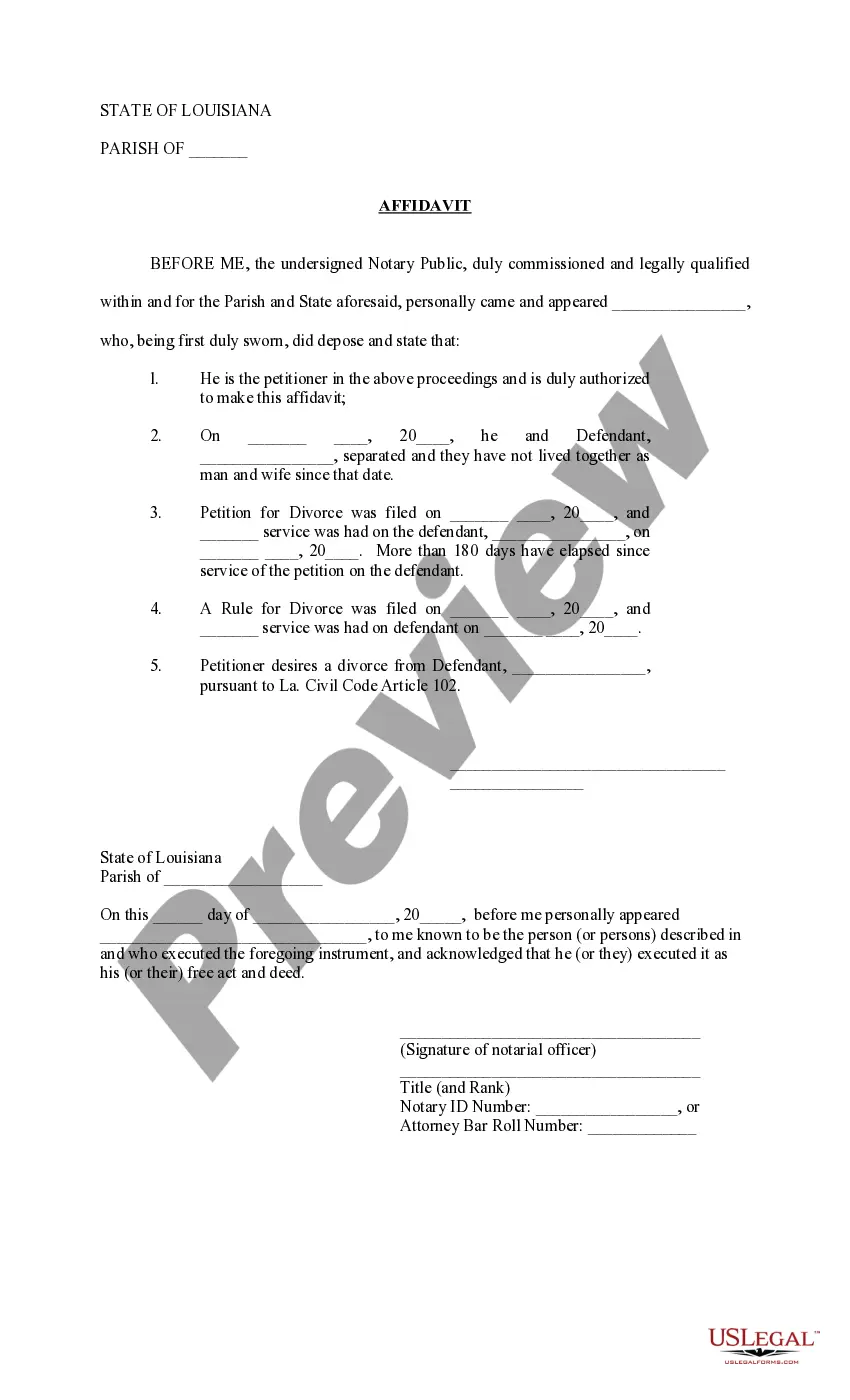
Discrimination Definition By Law In Broward
Description




Get your form ready online
Our built-in tools help you complete, sign, share, and store your documents in one place.
Make edits, fill in missing information, and update formatting in US Legal Forms—just like you would in MS Word.
Download a copy, print it, send it by email, or mail it via USPS—whatever works best for your next step.
Sign and collect signatures with our SignNow integration. Send to multiple recipients, set reminders, and more. Go Premium to unlock E-Sign.
If this form requires notarization, complete it online through a secure video call—no need to meet a notary in person or wait for an appointment.
We protect your documents and personal data by following strict security and privacy standards.

Make edits, fill in missing information, and update formatting in US Legal Forms—just like you would in MS Word.

Download a copy, print it, send it by email, or mail it via USPS—whatever works best for your next step.

Sign and collect signatures with our SignNow integration. Send to multiple recipients, set reminders, and more. Go Premium to unlock E-Sign.

If this form requires notarization, complete it online through a secure video call—no need to meet a notary in person or wait for an appointment.

We protect your documents and personal data by following strict security and privacy standards.
Looking for another form?








Form popularity
FAQ
You may use any (or all) of the following types of evidence): Direct Evidence: Direct evidence is the most straightforward form of evidence. It is a type of evidence that involves open evidence of discrimination on the basis of a protected characteristic, such as race, gender, age, or sexual orientation.
—Any violation of any Florida statute making unlawful discrimination because of race, color, religion, gender, pregnancy, national origin, age, handicap, or marital status in the areas of education, employment, housing, or public accommodations gives rise to a cause of action for all relief and damages described in s.
The statute of limitations for filing a discrimination lawsuit in Florida depends on the type of discrimination you experienced. Any charges that violated federal employment laws (claims filed with the EEOC), including Title VII, must be filed within 180 days from the last discriminatory action in the workplace.
It will not only benefit you, but your co-workers as well because it will likely make your workplace safer by creating a better environment for all. When you sue, you can also obtain a legal remedy for the discrimination you have faced. Employers often offer a significant sum in these cases.
42 USC 12112: Discrimination.
The 80% rule was created to help companies determine if they have been unwittingly discriminatory in their hiring process. The rule states that companies should be hiring protected groups at a rate that is at least 80% of that of white men.
In order for discriminatory conduct to be actionable under this rule, it must first be found to be unlawful by an appropriate civil administrative or judicial tribunal under applicable state or federal law. Until there is a finding of civil unlawfulness, there is no basis for disciplinary action under this rule.
A simplified description of the legal definition of discrimination is when a person is treated disfavourably or when a person's dignity is violated. The disfavourable treatment or the violation of a person's dignity must also be related to one of the seven grounds of discrimination.