Interference With Attorney Client Relationship In Montgomery
Description

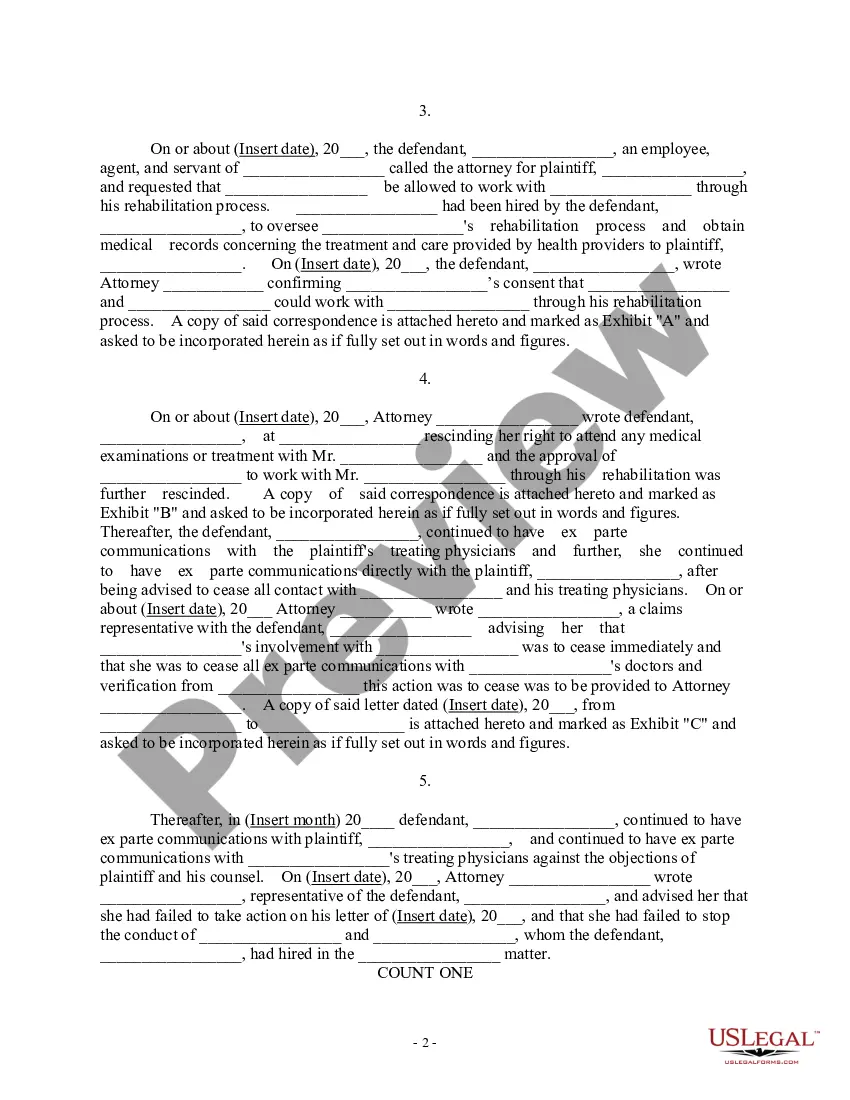
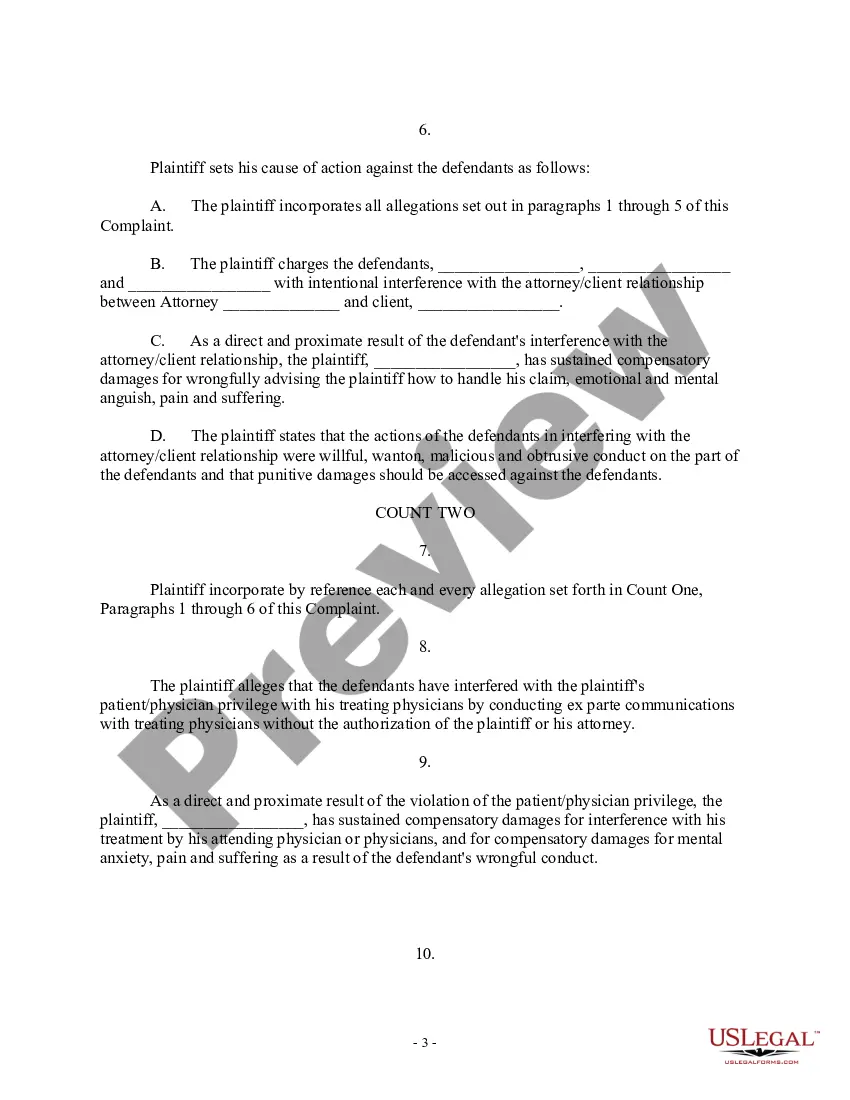
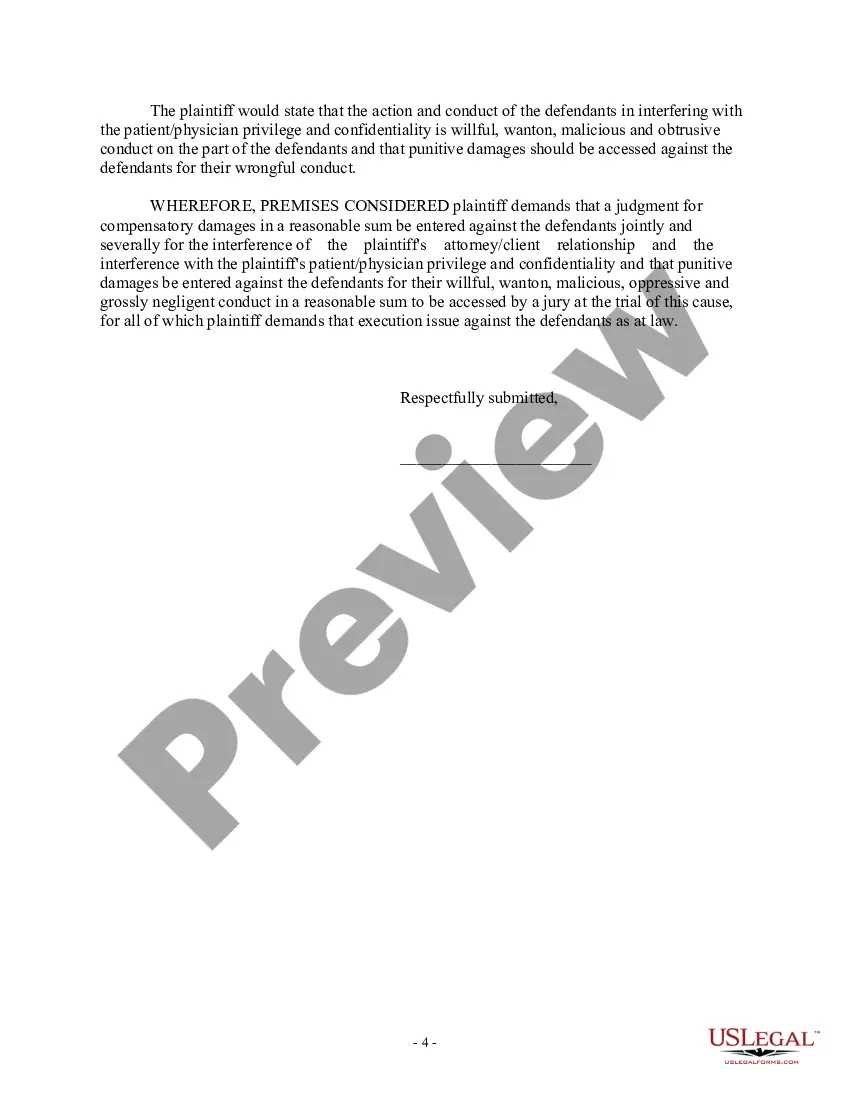

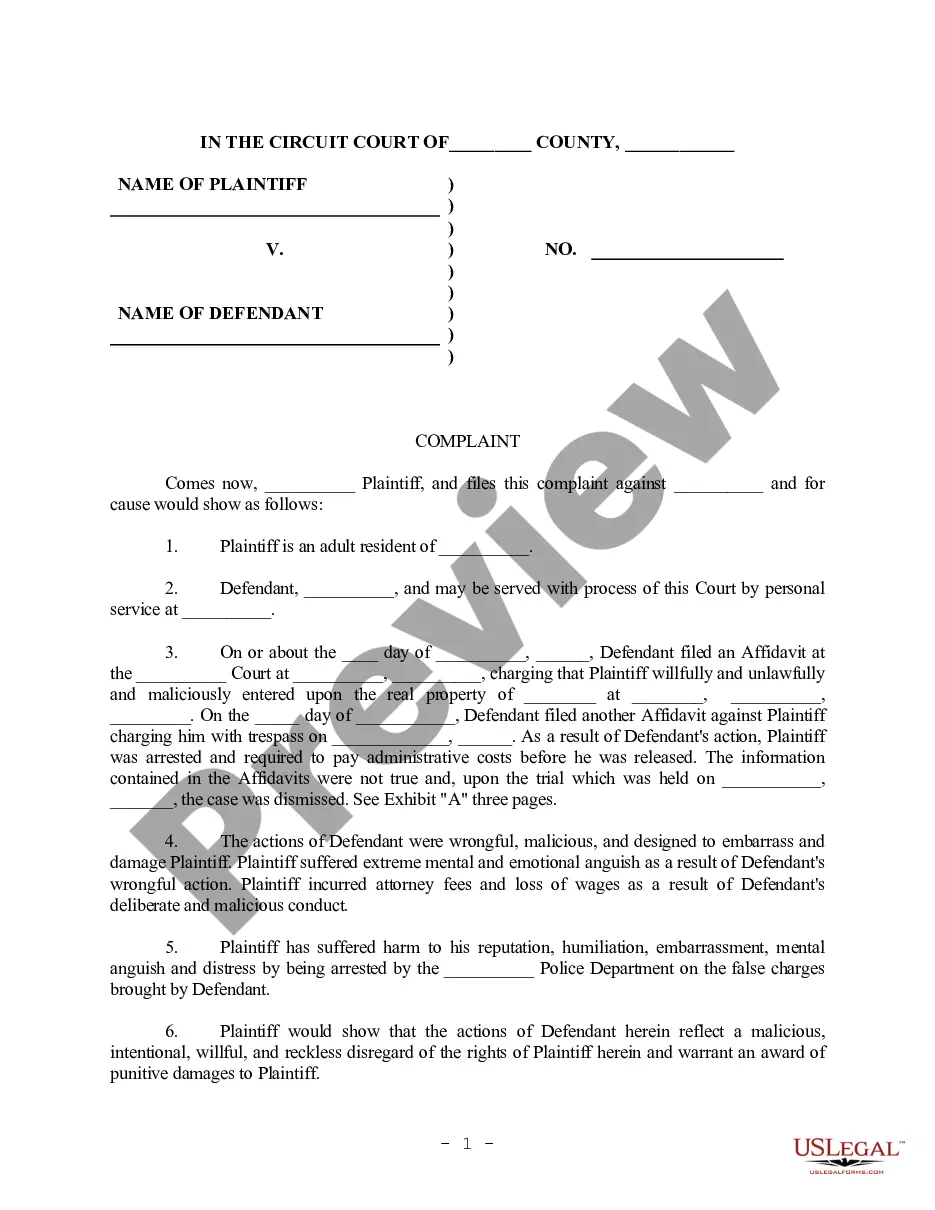
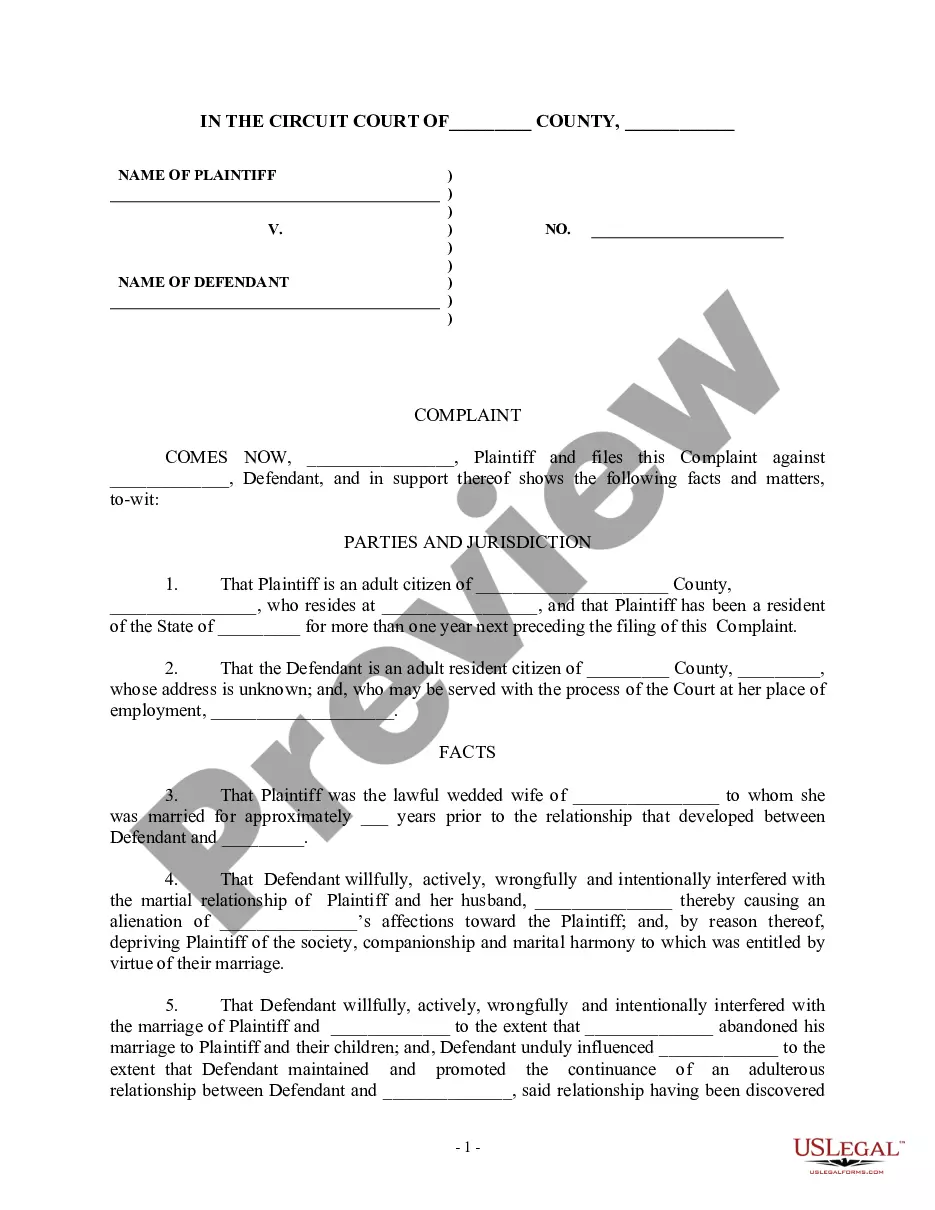

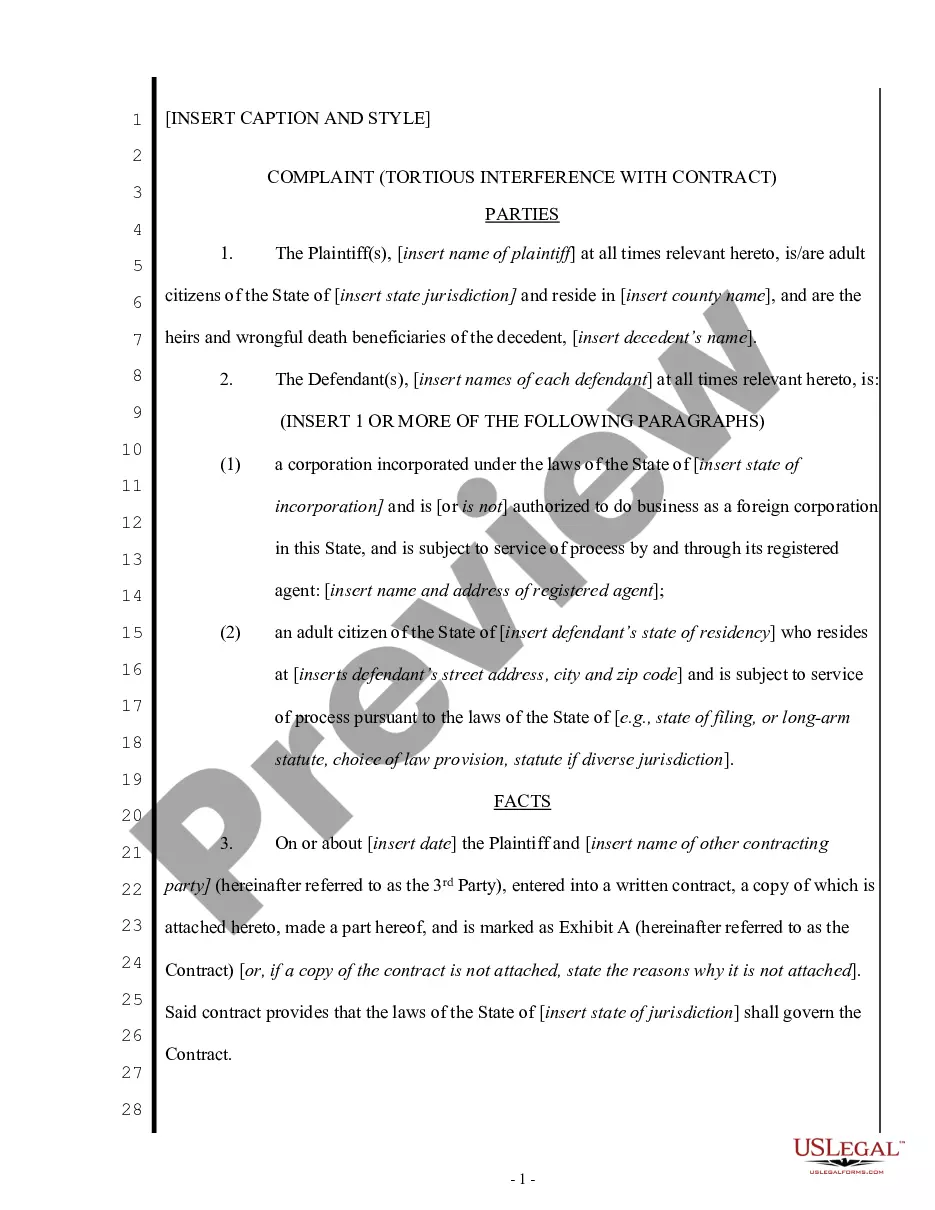
Get your form ready online
Our built-in tools help you complete, sign, share, and store your documents in one place.
Make edits, fill in missing information, and update formatting in US Legal Forms—just like you would in MS Word.
Download a copy, print it, send it by email, or mail it via USPS—whatever works best for your next step.
Sign and collect signatures with our SignNow integration. Send to multiple recipients, set reminders, and more. Go Premium to unlock E-Sign.
If this form requires notarization, complete it online through a secure video call—no need to meet a notary in person or wait for an appointment.
We protect your documents and personal data by following strict security and privacy standards.

Make edits, fill in missing information, and update formatting in US Legal Forms—just like you would in MS Word.

Download a copy, print it, send it by email, or mail it via USPS—whatever works best for your next step.

Sign and collect signatures with our SignNow integration. Send to multiple recipients, set reminders, and more. Go Premium to unlock E-Sign.

If this form requires notarization, complete it online through a secure video call—no need to meet a notary in person or wait for an appointment.

We protect your documents and personal data by following strict security and privacy standards.
Looking for another form?



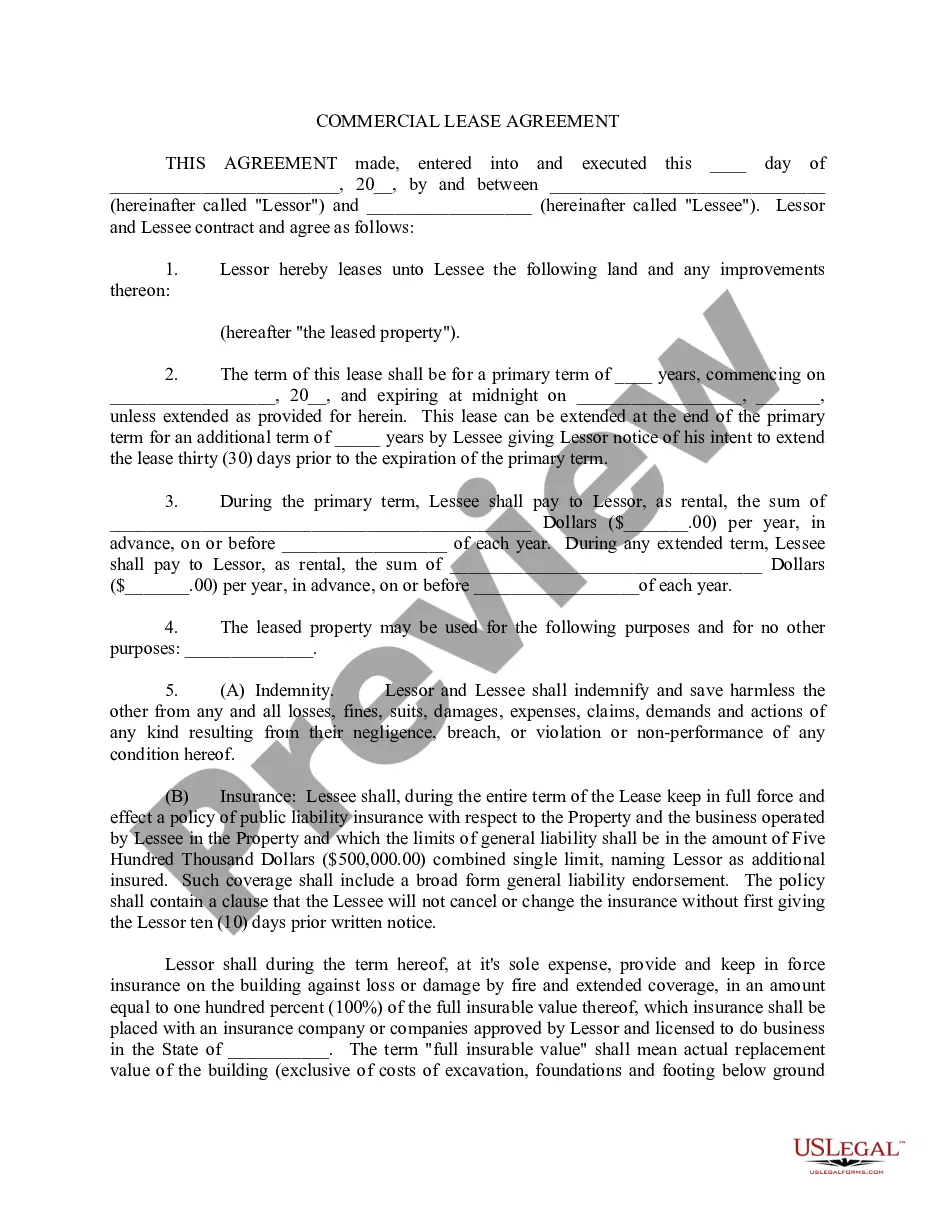


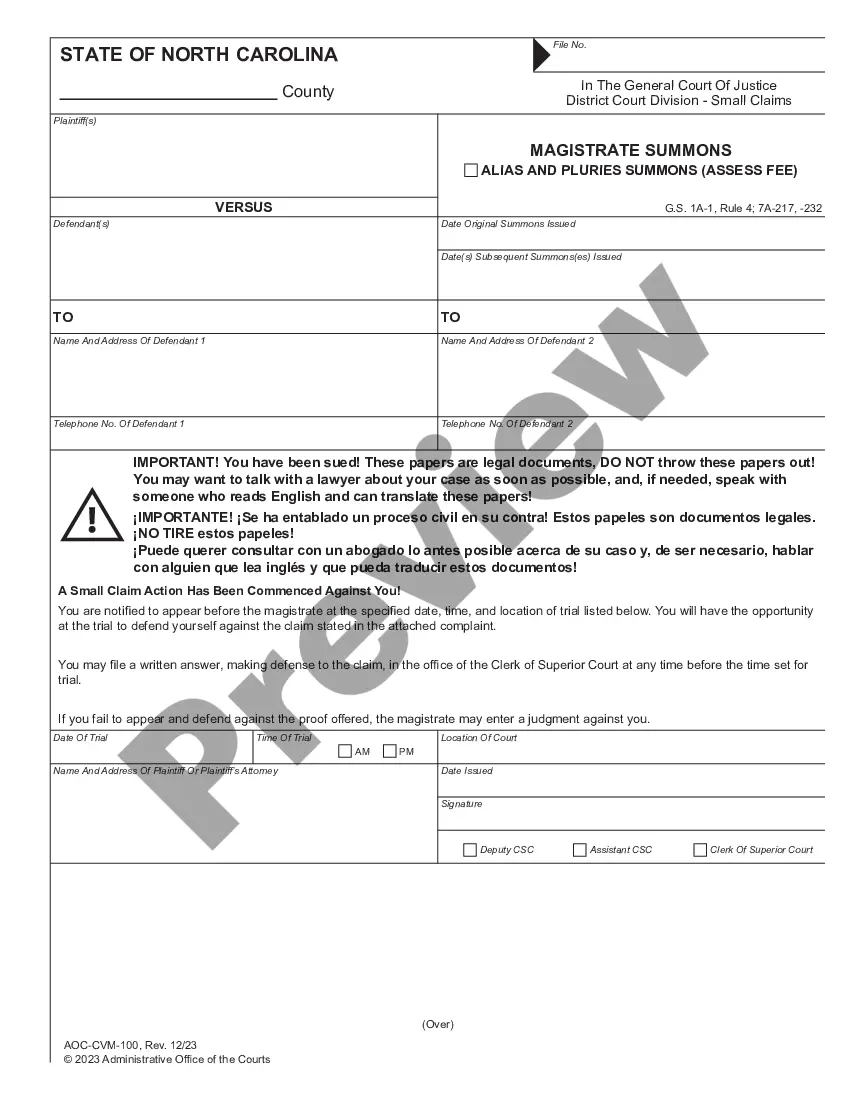



Form popularity
FAQ
Rule 1.7 clarifies DR 5-105(A) by requiring that, when the lawyer's other interests are involved, not only must the client consent after consultation, but also, independent of such consent, the representation reasonably appear not to be adversely affected by the lawyer's other interests.
Alabama Rules of Professional Conduct Client-Lawyer Relationship Rule 1.13. Organization as Client. (a) A lawyer employed or retained by an organization represents the organization acting through its duly authorized constituents.
Alabama Rules of Professional Conduct Client-Lawyer Relationship Rule 1.4. Communication. (a) A lawyer shall keep a client reasonably informed about the status of a matter and promptly comply with reasonable requests for information.
Rule 3.3(a) requires that an arrest warrant be directed to and executed by “any law enforcement officer within the State of Alabama.” Prior Alabama practice with regard to those persons who may arrest with a warrant was in a state of considerable confusion.
Rule 1.6 eliminates the two-pronged duty under the former Code in favor of a single standard protecting all information about a client “relating to representation.” Under DR 4-101, the requirement applied to information protected by the attorney- client privilege and to information “gained in” the professional ...
If someone listens to your lawyer's confidential communications without your consent (e.g., overhearing, illegal wiretapping), the eavesdropper is legally forbidden from divulging that personal information. That testimony will be inadmissible in court if they do so, but the eavesdropper may even face criminal charges.
A conflict of interest refers to the ethical problems that may arise between parties with a preexisting relationship. In law, a conflict of interest arises between an attorney and a client if the interests of the attorney, a different client, or a third-party conflict with the interests of the present client.
Signs Your Lawyer Isn't Treating You Right They miss deadlines and appointments. They seem disinterested in your case. They're pushy about settling. They don't explain what they do for your case. They're unresponsive. They aren't upfront about the costs or bills. They don't seem confident.
For example, if a lawyer is asked to represent the seller of a business in negotiations with a buyer represented by the lawyer, not in the same transaction but in another, unrelated matter, the lawyer could not undertake the representation without the informed consent of each client.
A conflict check is an investigation to see if the interests of a past or current client of the attorney and/or their law firm interfere with your interests, the potential client. If a conflict is found it usually means the attorney cannot represent you because they owe a duty of loyalty to a past or former client.