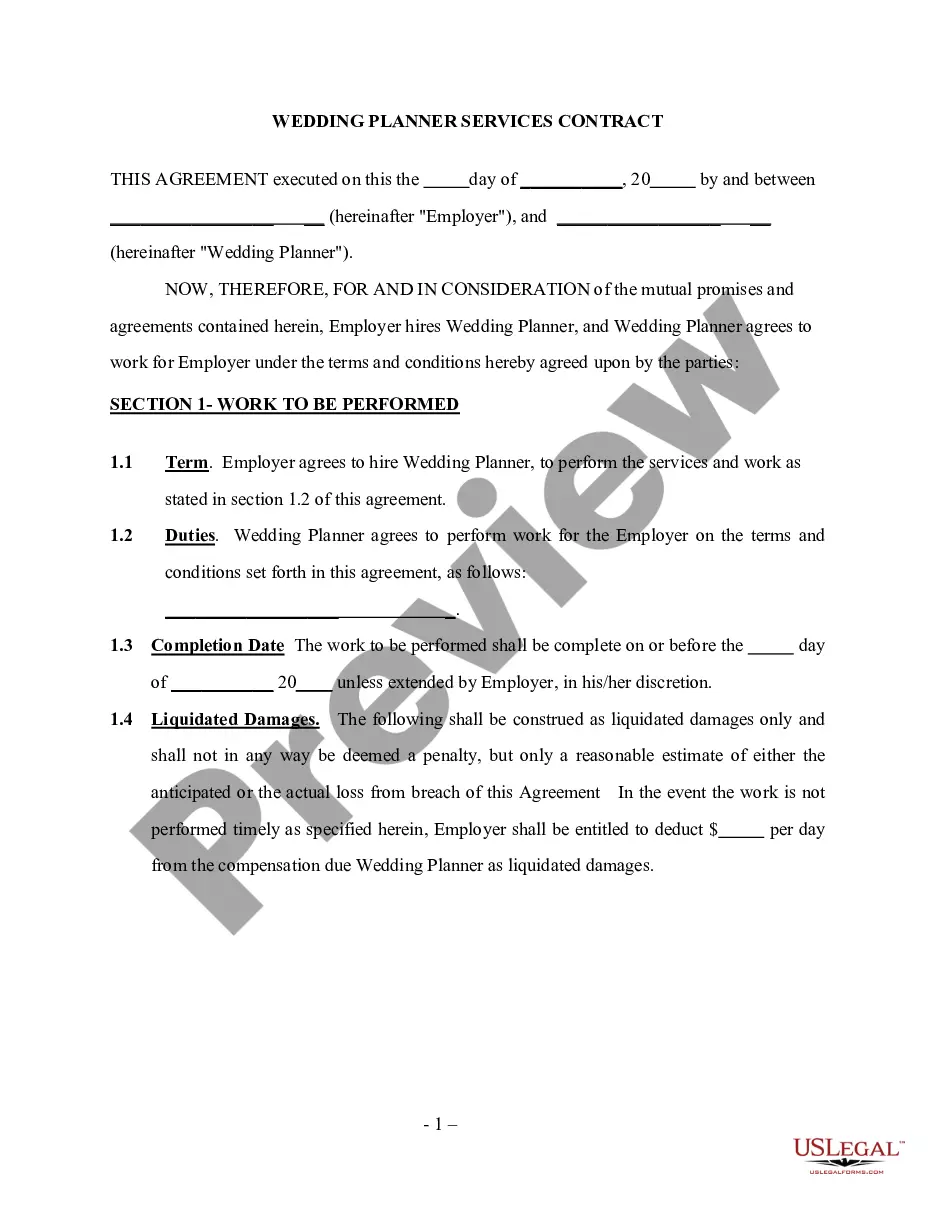
This is a multi-state form covering the subject matter of the title.
Wrongful Termination Court Without Cause In Illinois
State:
Multi-State
Category:
Control #:
US-000291
Format:
Word;
Rich Text
99 downloads
Description
Free preview

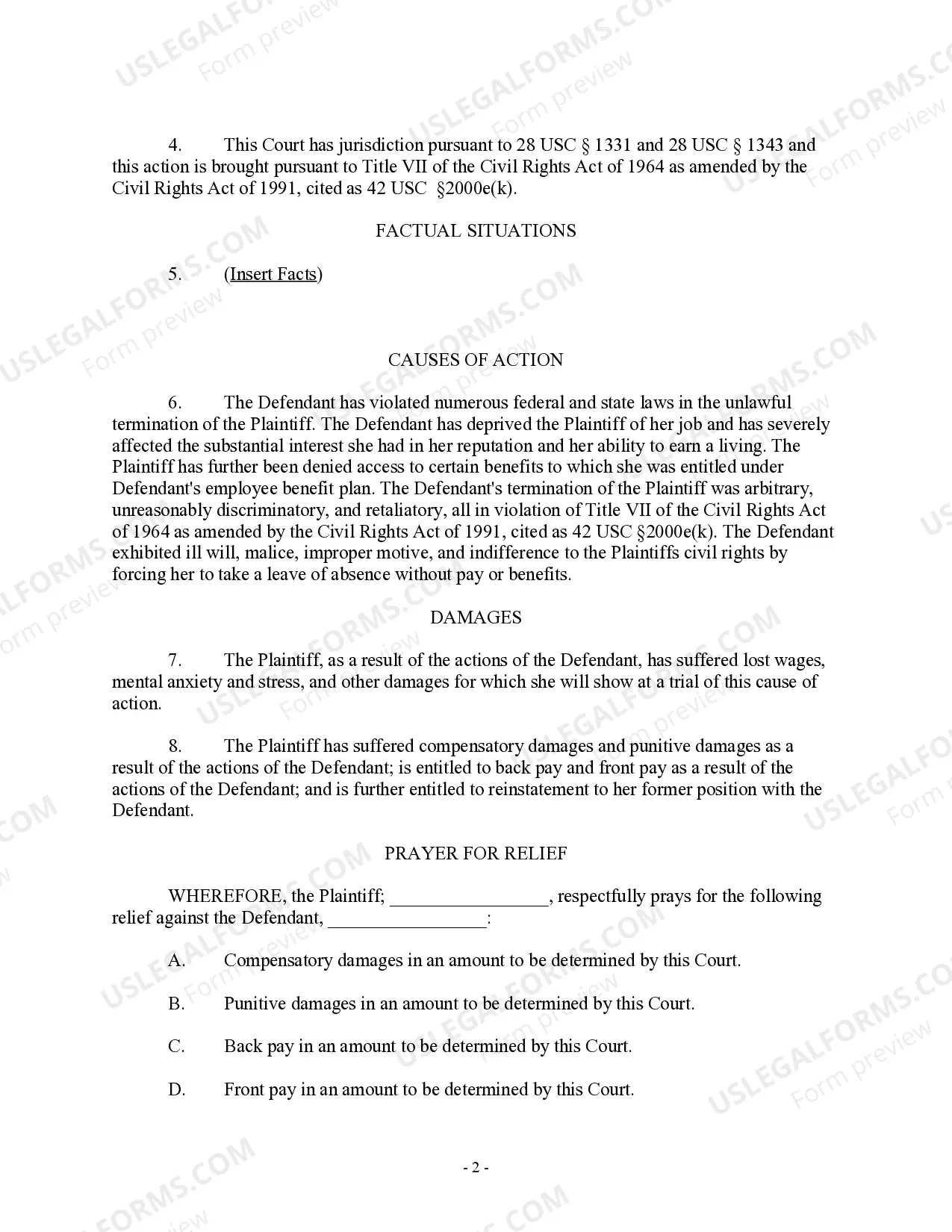
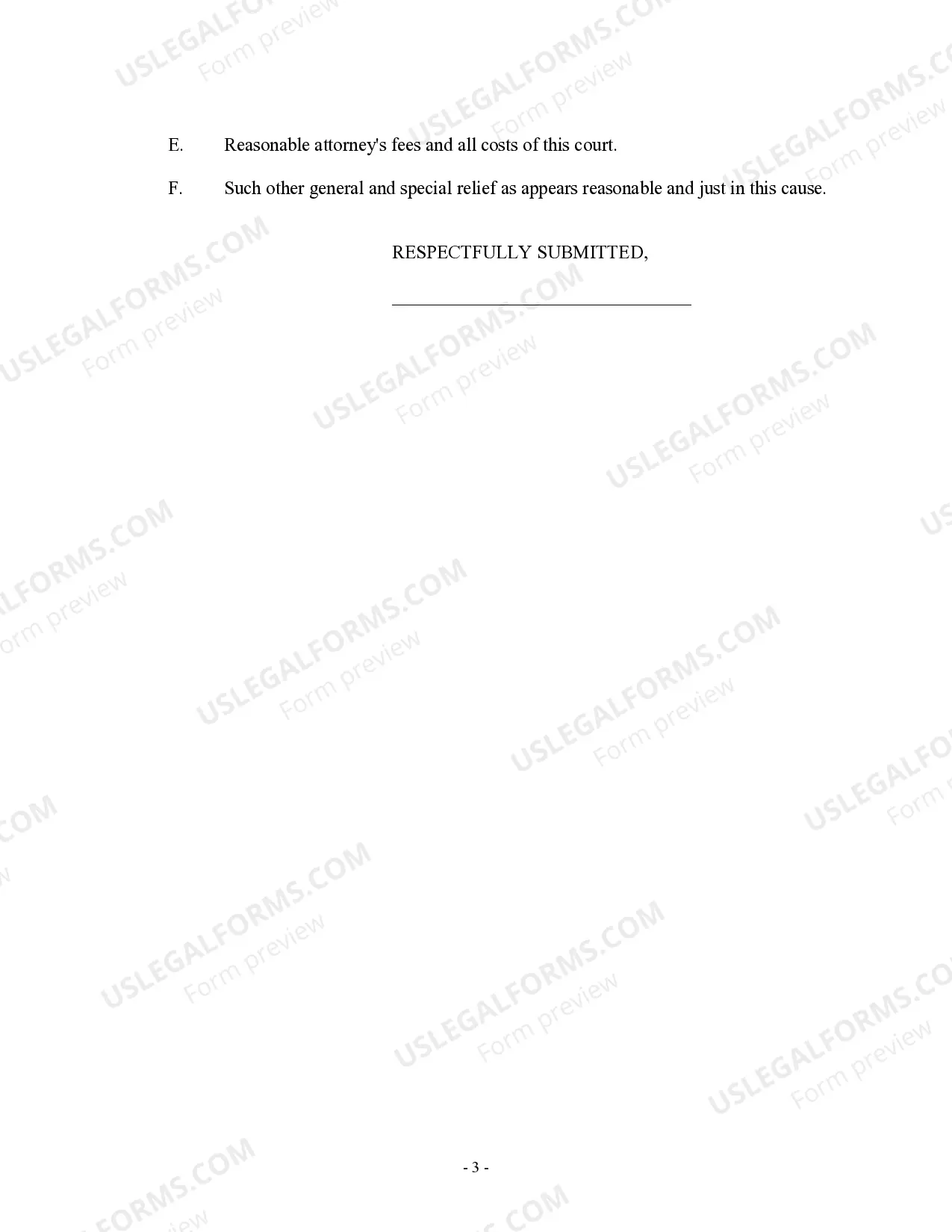



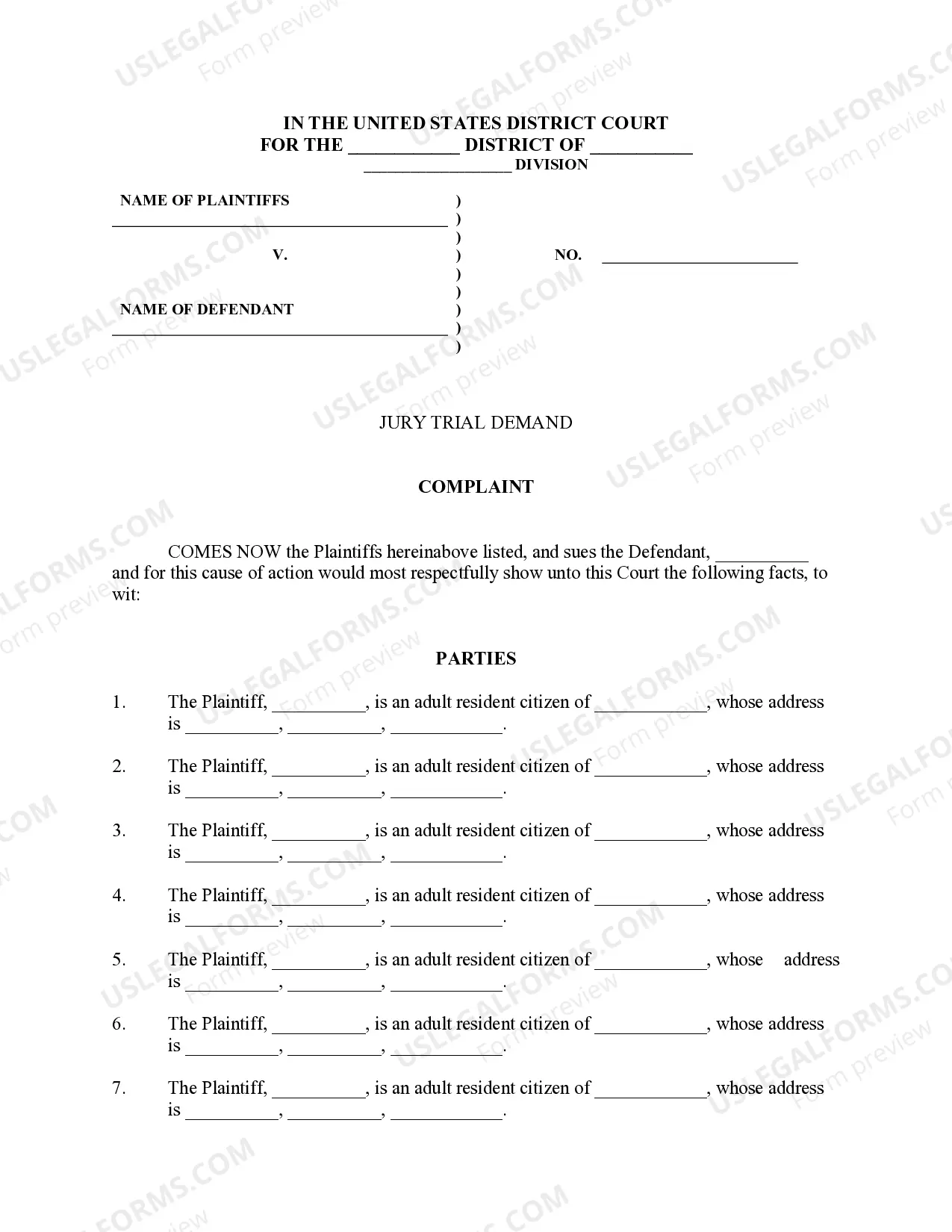
Get your form ready online
Our built-in tools help you complete, sign, share, and store your documents in one place.
Built-in online Word editor
Make edits, fill in missing information, and update formatting in US Legal Forms—just like you would in MS Word.
Export easily
Download a copy, print it, send it by email, or mail it via USPS—whatever works best for your next step.
E-sign your document
Sign and collect signatures with our SignNow integration. Send to multiple recipients, set reminders, and more. Go Premium to unlock E-Sign.
Notarize online 24/7
If this form requires notarization, complete it online through a secure video call—no need to meet a notary in person or wait for an appointment.
Store your document securely
We protect your documents and personal data by following strict security and privacy standards.

Make edits, fill in missing information, and update formatting in US Legal Forms—just like you would in MS Word.

Download a copy, print it, send it by email, or mail it via USPS—whatever works best for your next step.

Sign and collect signatures with our SignNow integration. Send to multiple recipients, set reminders, and more. Go Premium to unlock E-Sign.

If this form requires notarization, complete it online through a secure video call—no need to meet a notary in person or wait for an appointment.

We protect your documents and personal data by following strict security and privacy standards.
Looking for another form?









Form popularity
FAQ
Yes. Illinois is an "employment at-will" state, meaning that an employer or employee may terminate the relationship at any time, without any reason or cause.
Performance Reviews – Compare your performance evaluations before and after any reported discrimination or protected activity. Sudden negative reviews can be a sign of retaliation. Witness Statements – Collect statements from coworkers who may have observed discriminatory behavior or retaliation against you.
A wrongful termination claim may arise when an employer terminates an employee for a reason that violates a clearly mandated public policy. Illinois common law recognizes a species of tort liability for wrongful termination or wrongful discharge known as retaliatory discharge.
The Illinois law that applies is called the “One Day Rest in Seven Act” (or, “ODRISA”). In addition to requiring one day off for every consecutive seven-day period, the Act also requires a minimum 20-minute meal break if you work at least 7.5 hours a day (which has to be given within the first 5 hours of the shift).
Yes. Illinois is an "employment at-will" state, meaning that an employer or employee may terminate the relationship at any time, without any reason or cause.
Gather evidence—collect any documentation, emails, performance evaluations, or other relevant records supporting your wrongful termination claim. Consult with an employment attorney—schedule a consultation with an experienced employment attorney specializing in California wrongful termination cases.
There are many types of termination in Illinois that are against the law. First, it is illegal to fire you because of discrimination. Wrongful termination also comes into play when there is a violation of your employment contract, retaliation for protected actions, and termination for taking time from work.