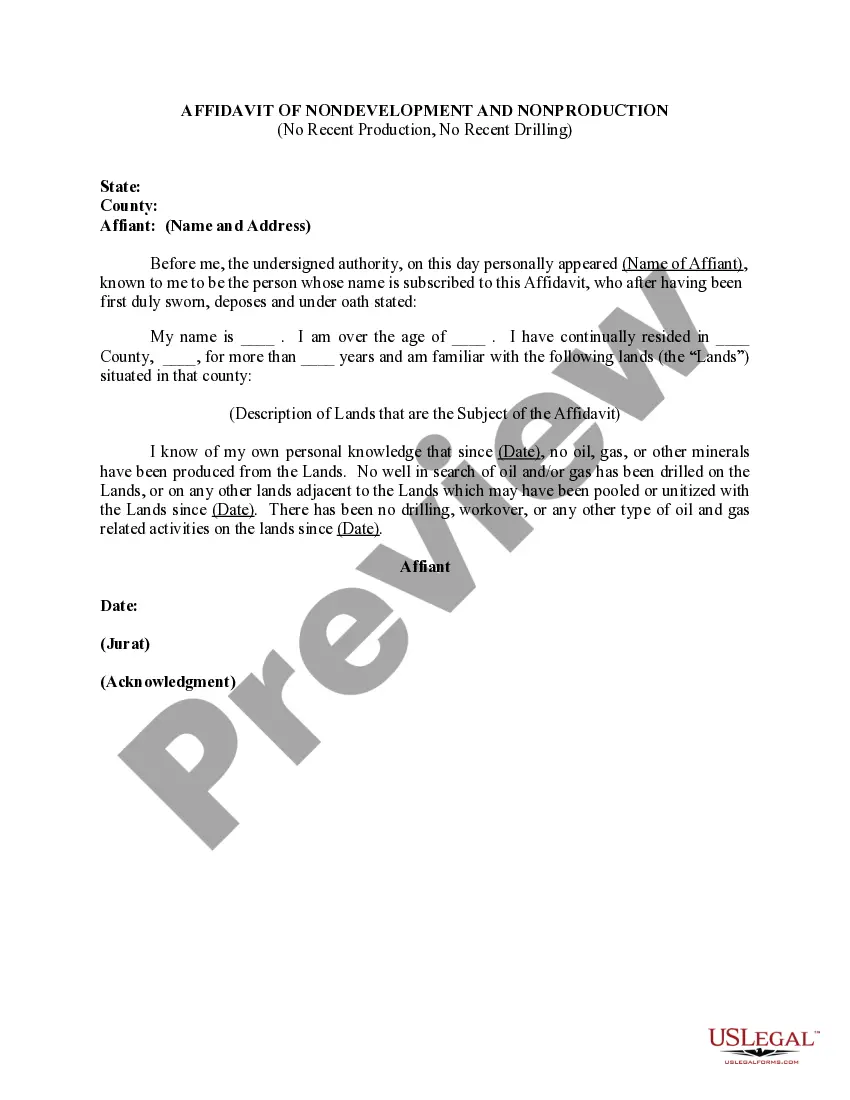
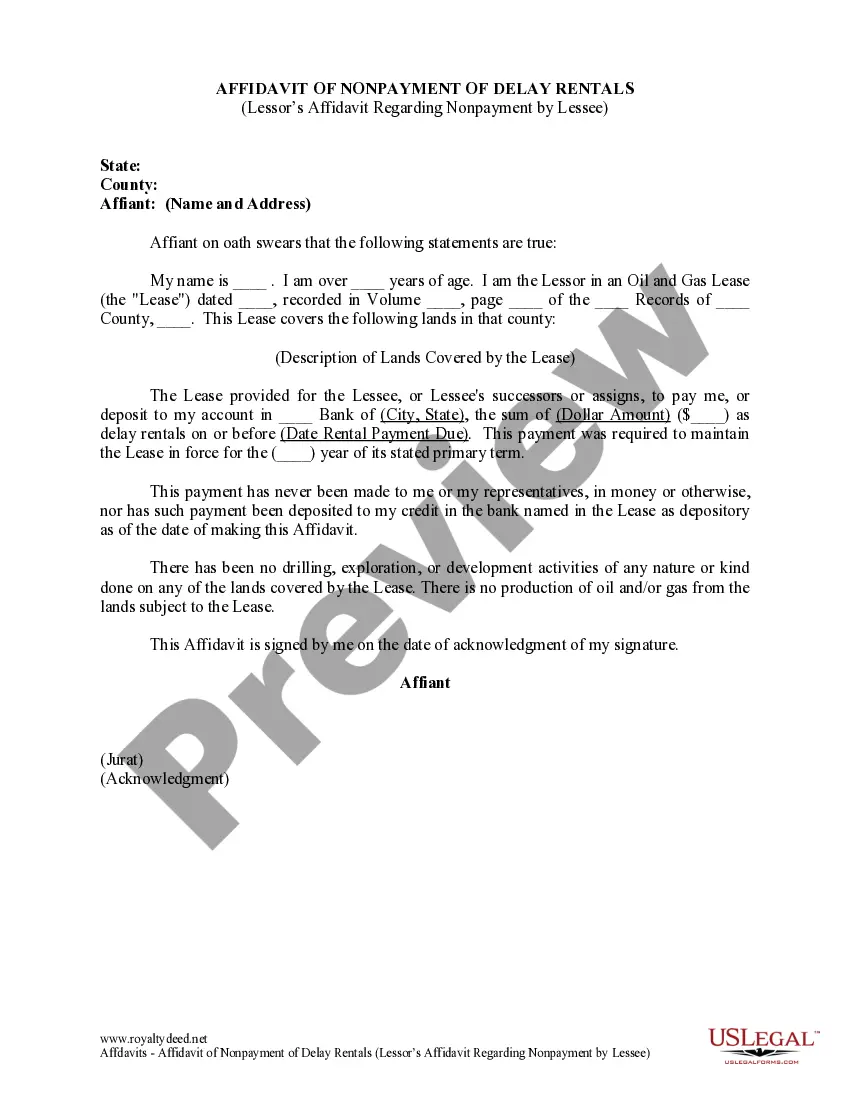
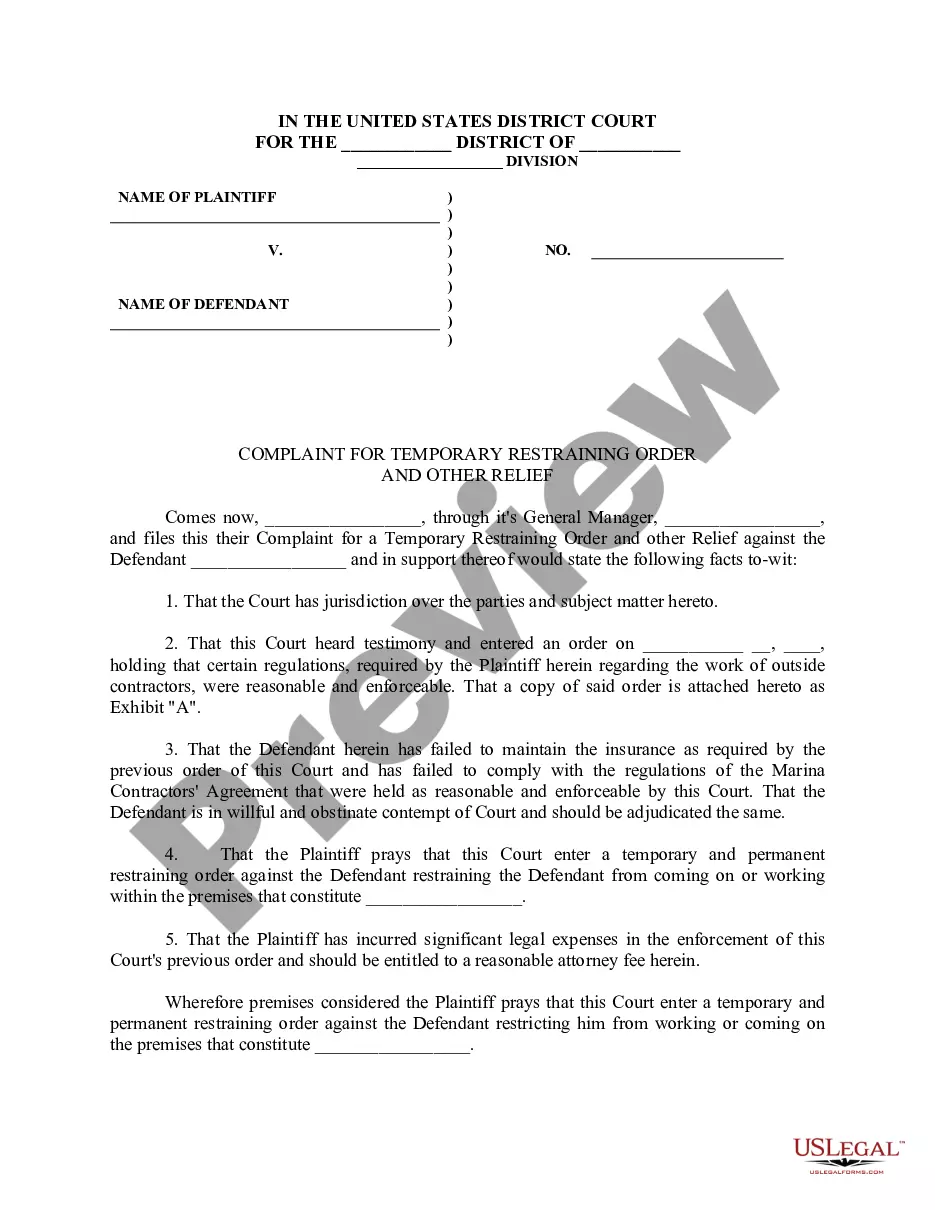
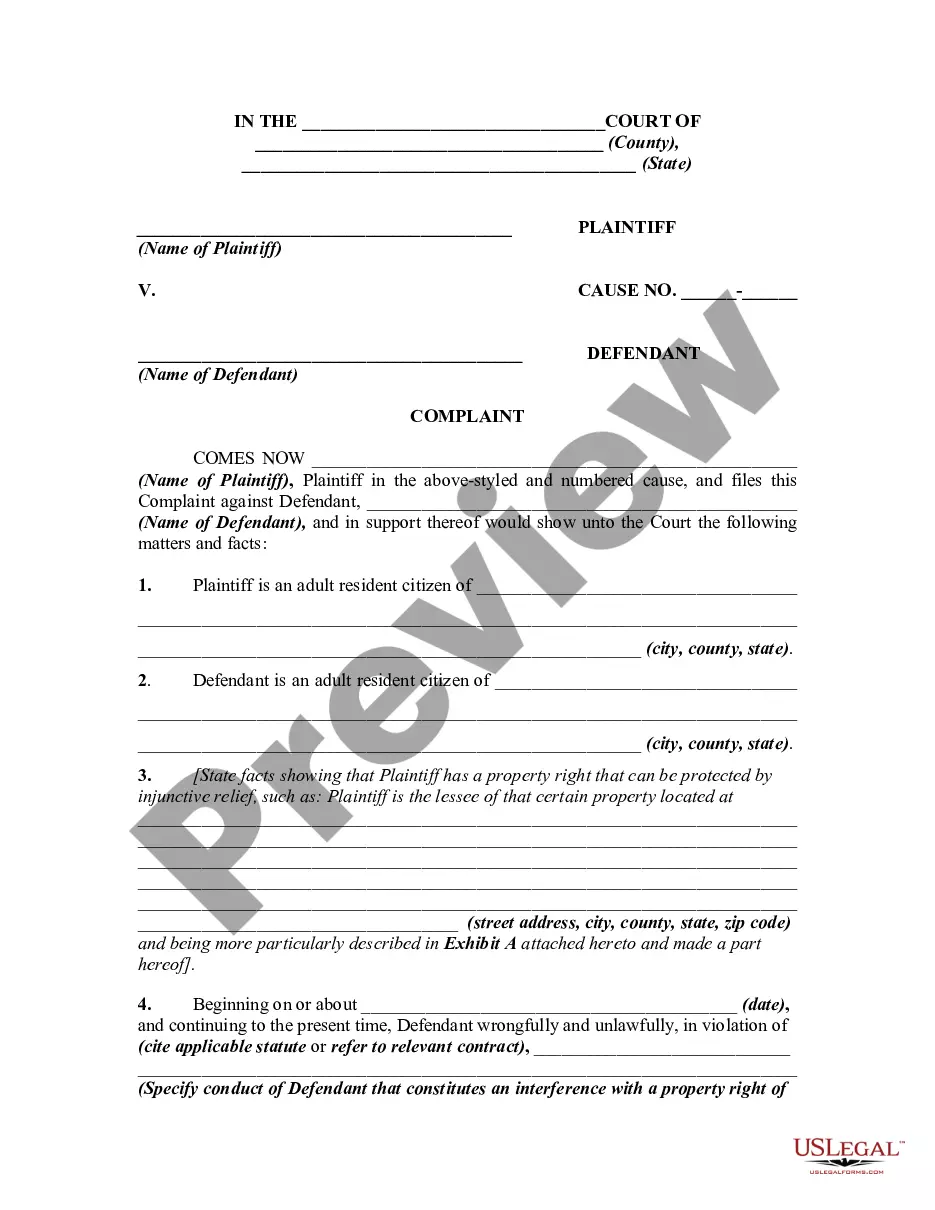
Sample Restraining Order Form Foreclosure Texas In Texas
Description


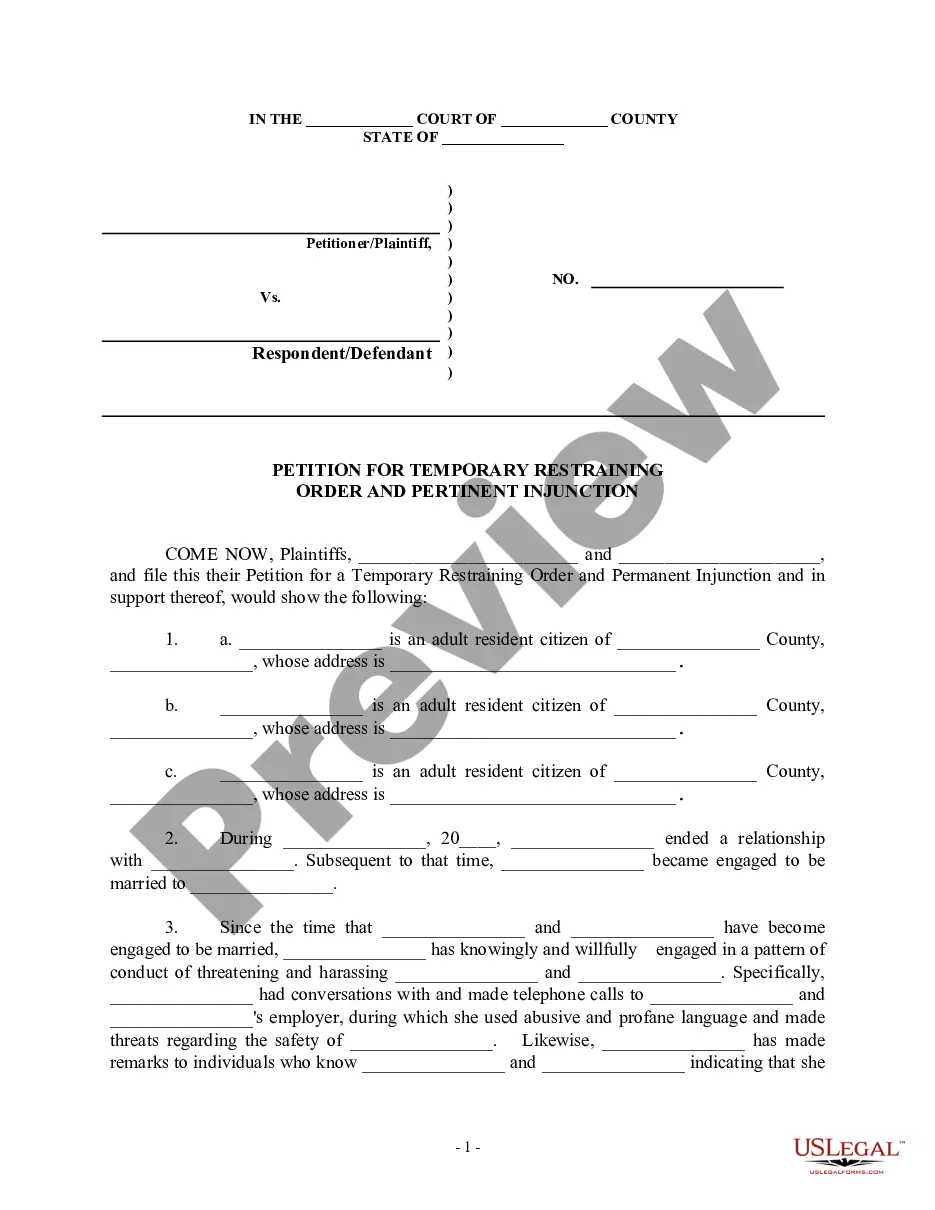

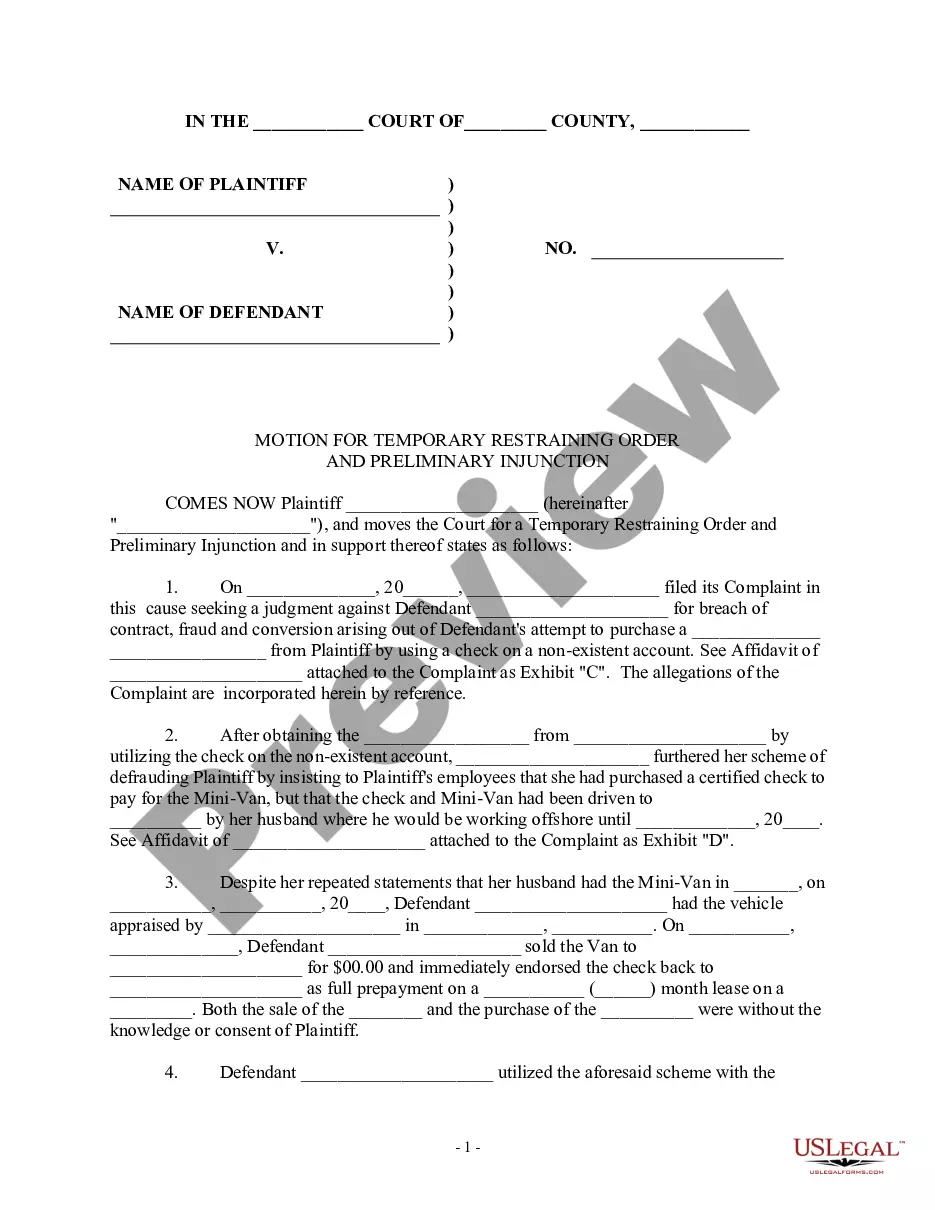
Get your form ready online
Our built-in tools help you complete, sign, share, and store your documents in one place.
Make edits, fill in missing information, and update formatting in US Legal Forms—just like you would in MS Word.
Download a copy, print it, send it by email, or mail it via USPS—whatever works best for your next step.
Sign and collect signatures with our SignNow integration. Send to multiple recipients, set reminders, and more. Go Premium to unlock E-Sign.
If this form requires notarization, complete it online through a secure video call—no need to meet a notary in person or wait for an appointment.
We protect your documents and personal data by following strict security and privacy standards.

Make edits, fill in missing information, and update formatting in US Legal Forms—just like you would in MS Word.

Download a copy, print it, send it by email, or mail it via USPS—whatever works best for your next step.

Sign and collect signatures with our SignNow integration. Send to multiple recipients, set reminders, and more. Go Premium to unlock E-Sign.

If this form requires notarization, complete it online through a secure video call—no need to meet a notary in person or wait for an appointment.

We protect your documents and personal data by following strict security and privacy standards.
Looking for another form?
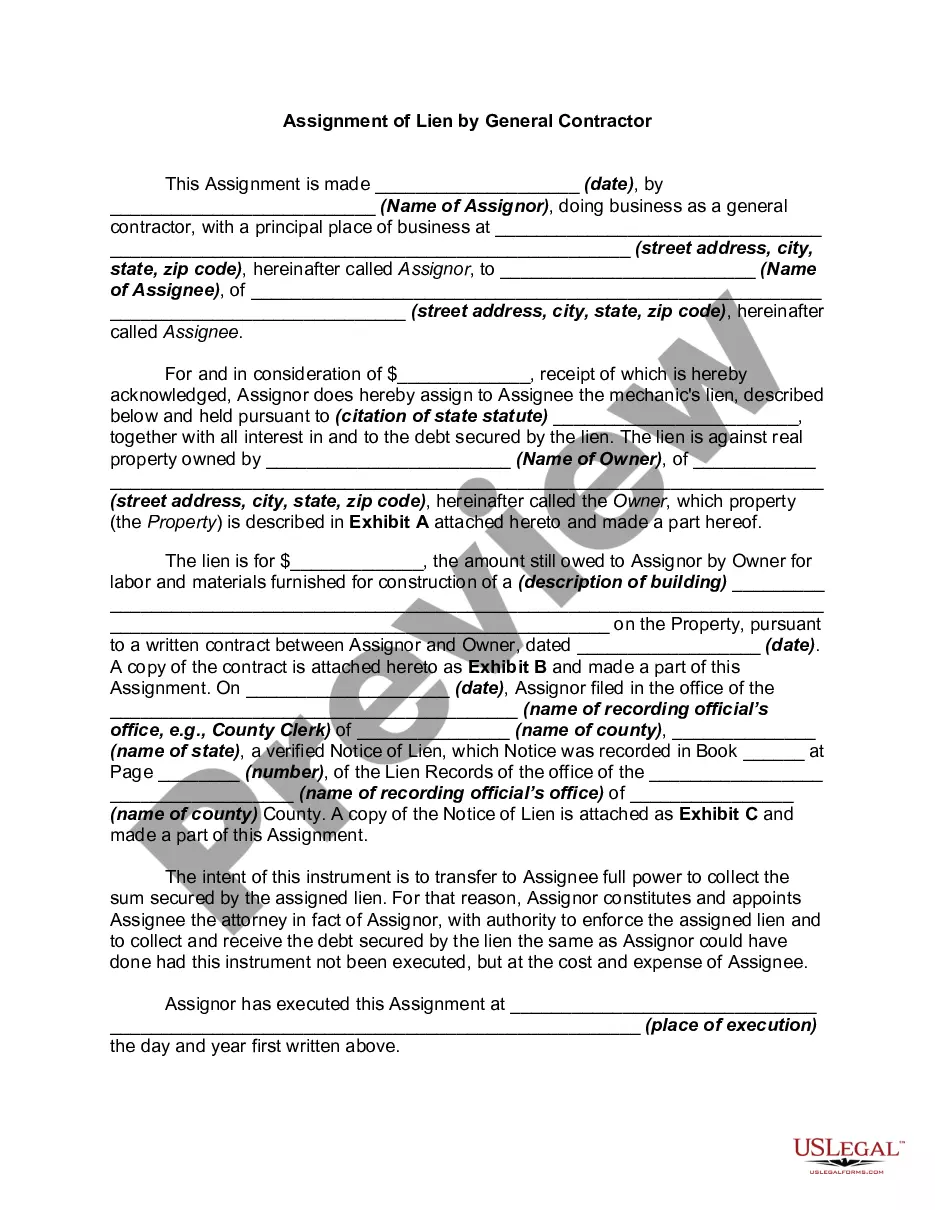




Form popularity
FAQ
Judicial foreclosure is required in certain situations such as foreclosures involving home equity loans, reverse mortgages, or property owners' association assessments.
You can potentially obtain a TRO by convincing the judge assigned to your case that you would suffer harm that could only be described as “irreparable” if they don't halt the foreclosure process temporarily. Sometimes, the TRO process all takes place within 24-48 hours. A TRO is, by definition, temporary.
Judicial foreclosure - involves sale of the mortgaged property under the supervision of a court; initiated by a law suit; available in every state. non-judicial foreclosure - involves sale of the mortgage property without court supervision; available in many, but not all, states.
Non-judicial foreclosure, on the other hand, is the more common type. Here, the lender is allowed to foreclose on the property without the court involved — as long as they meet specific legal standards.
In order to qualify for a non-judicial foreclosure, the lienholder must have a deed of trust with a "power of sale" clause, giving them the authority to sell the property. These foreclosures are governed by Section 51.002 of the Texas Property Code as well as the contractual documents.
Requirements for a protective order for domestic violence to be issued include establishing that family violence has occurred and is likely to occur again without such an order. The burden of proof for this involves what's known as a “preponderance of evidence” favoring the accuser.
In California, either party can appeal a judge's decision to grant or deny a restraining order. In filing an appeal, you are asking a higher court to review the court's ruling.
In order to have an order of protection dropped, one must: Return to the county court where the petition for the original order was filed. Complete the necessary paperwork. Speak with the judge or another court officer prior to the order being vacated.
The abuser can also file to modify the order. The judge would hold a hearing to decide what changes to make. You will have to go back to the court where you originally filed your application and tell the clerk you want to change your order.