Fraud In Trade In Virginia
Description




Get your form ready online
Our built-in tools help you complete, sign, share, and store your documents in one place.
Make edits, fill in missing information, and update formatting in US Legal Forms—just like you would in MS Word.
Download a copy, print it, send it by email, or mail it via USPS—whatever works best for your next step.
Sign and collect signatures with our SignNow integration. Send to multiple recipients, set reminders, and more. Go Premium to unlock E-Sign.
If this form requires notarization, complete it online through a secure video call—no need to meet a notary in person or wait for an appointment.
We protect your documents and personal data by following strict security and privacy standards.

Make edits, fill in missing information, and update formatting in US Legal Forms—just like you would in MS Word.

Download a copy, print it, send it by email, or mail it via USPS—whatever works best for your next step.

Sign and collect signatures with our SignNow integration. Send to multiple recipients, set reminders, and more. Go Premium to unlock E-Sign.

If this form requires notarization, complete it online through a secure video call—no need to meet a notary in person or wait for an appointment.

We protect your documents and personal data by following strict security and privacy standards.
Looking for another form?




Form popularity
FAQ
The FTC's Bureau of Consumer Protection stops unfair, deceptive and fraudulent business practices by collecting reports from consumers and conducting investigations, suing companies and people that break the law, developing rules to maintain a fair marketplace, and educating consumers and businesses about their rights ...
If you're not able to use ReportFraud.ftc to file a report, you can call the FTC's Consumer Response Center at 877-382-4357.
Use FINRA's online form to report any potentially fraudulent or suspicious activities by brokerage firms or brokers.
When you report a scam to the FTC, investigators use your information to build cases against scammers. Other law enforcement agencies can see the reports, too, and use them to further their own investigations. Your story makes a difference.
Under Virginia law, claims for fraud are subject to a two year statute of limitations period, which is subject to the discovery rule – that is, the clock does not start ticking until the fraud is discovered or by the exercise of due diligence reasonably should have been discovered.
Penalties for Fraud in Virginia Fraud can be punishable as a misdemeanor or felony, depending on the offense. As a misdemeanor, the maximum penalty for a fraud conviction includes up to 12 months in jail and a fine of up to $2,500. A felony conviction can include up to 10 years or more in prison.
The most severe fraud-based crimes can be punished by up to 20 years in prison. Some of the more benign felony fraud charges can be punished by up to five years in prison. There are no fraud charges that do not result in jail time if the person is convicted.
Does Virginia have “Common Law” marriages? A common law marriage is one by agreement of two people who consider themselves married without any formal cere- mony or license and who hold themselves out to the public as married. Virginia does not have common law marriage.
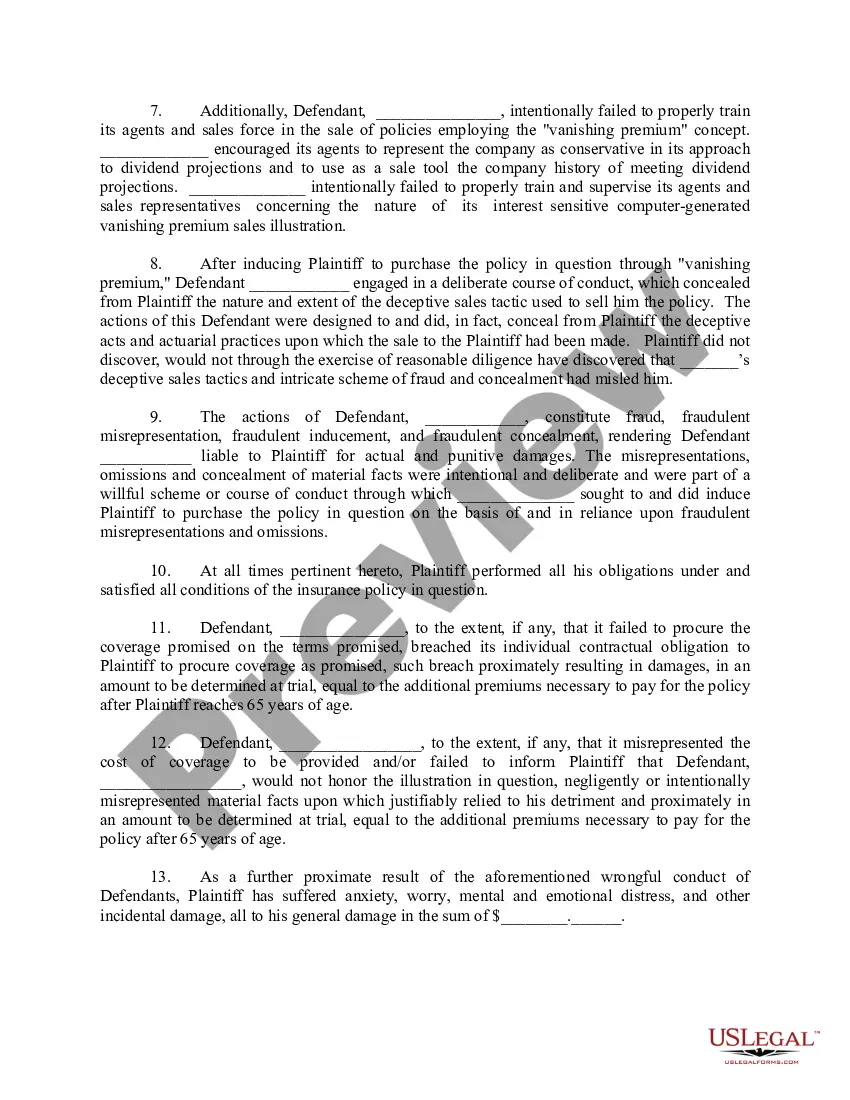
In short, a successful fraud claim requires proof of (1) a false representation, (2) of a present, material fact, (3) made intentionally and knowingly, (4) with intent to mislead, (5) reasonable reliance by the party misled, and (6) resulting damage.
Fraud. Virginia common law recognizes a cause of action for fraud, in cases where one intentionally and knowingly makes a false representation of material fact, with intent to mislead, on which another party relied to his or her detriment.