Deceptive Trade Forge In California
Description

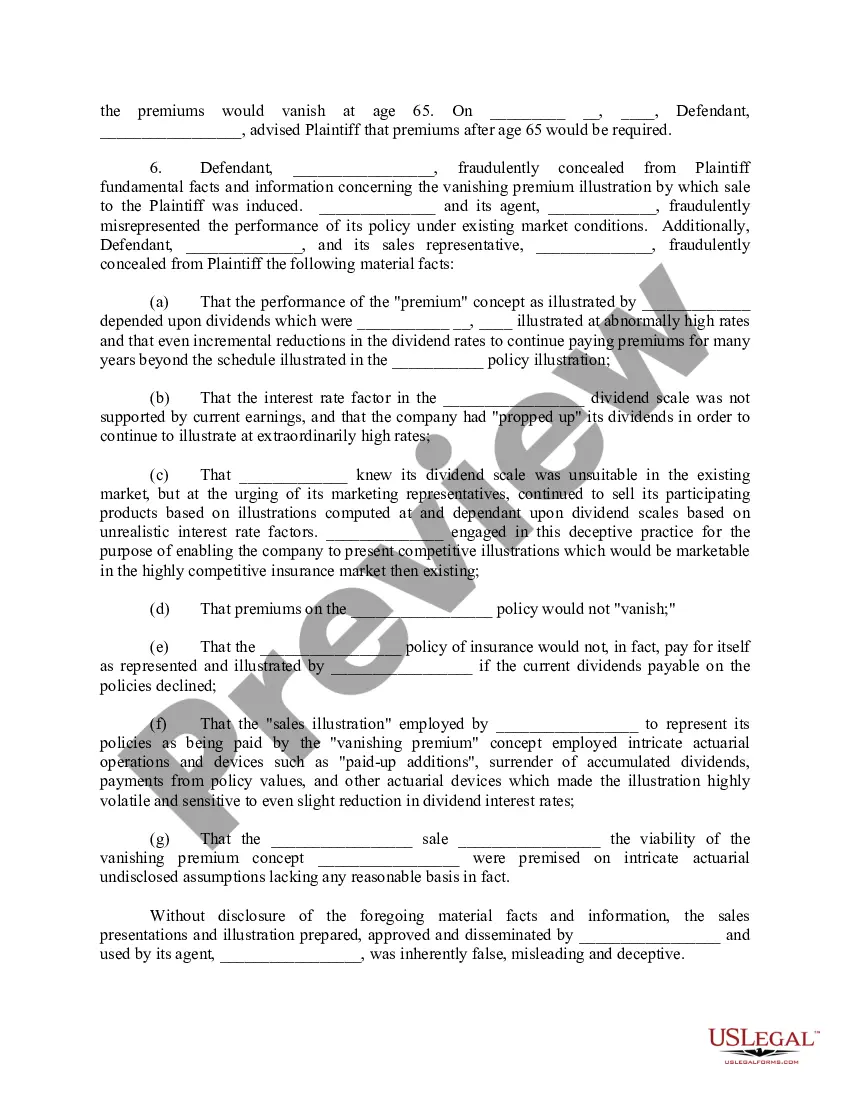
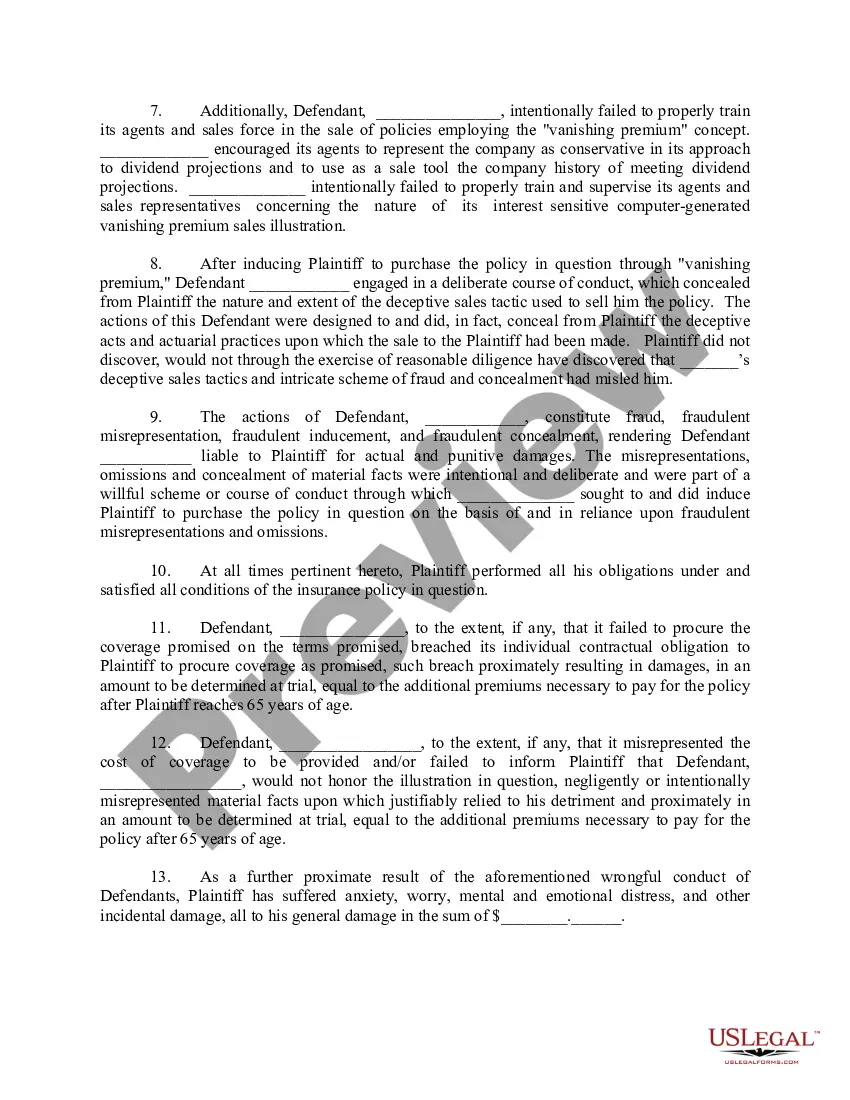
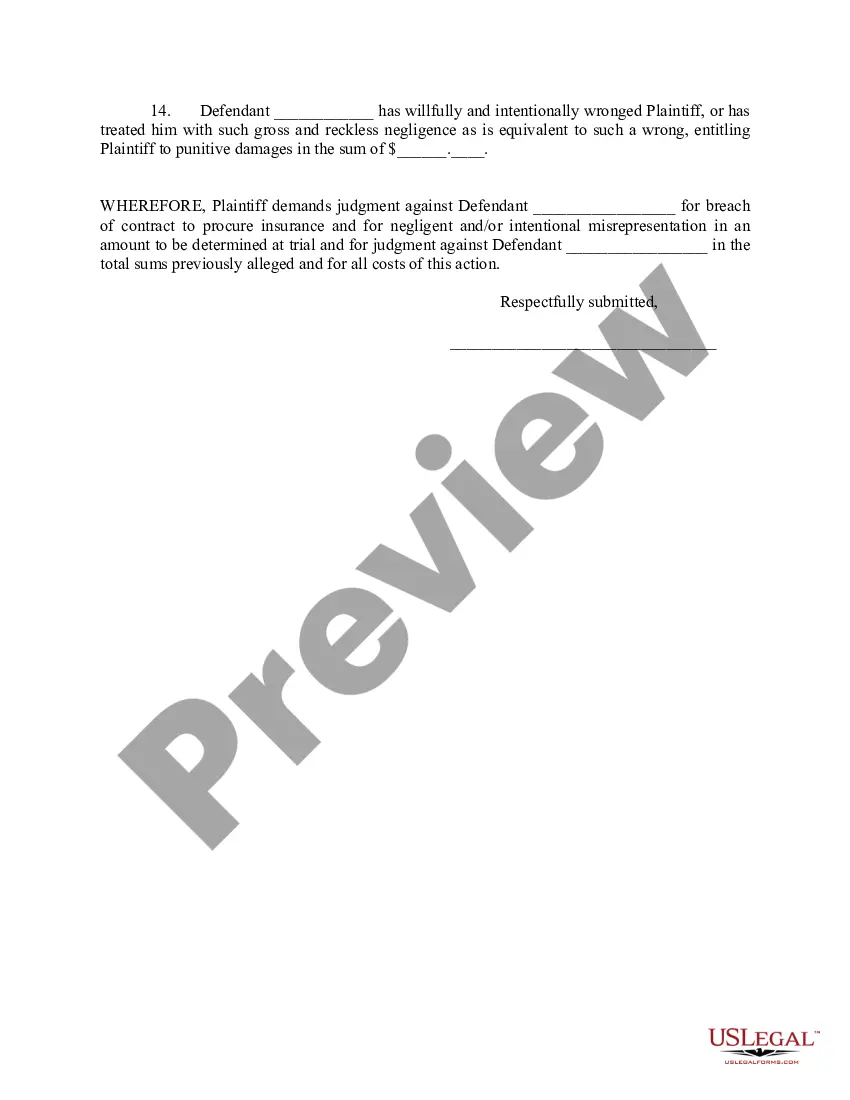



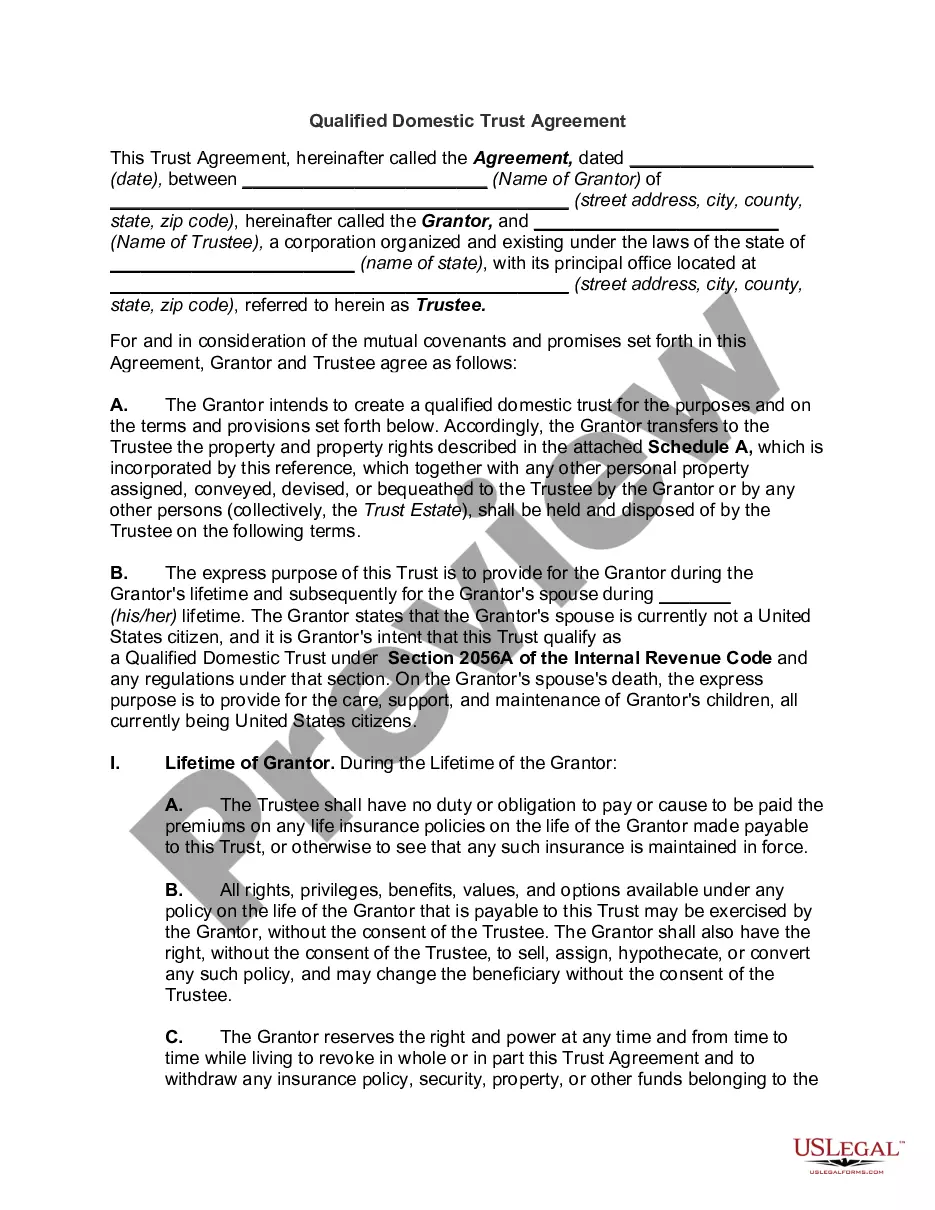
Get your form ready online
Our built-in tools help you complete, sign, share, and store your documents in one place.
Make edits, fill in missing information, and update formatting in US Legal Forms—just like you would in MS Word.
Download a copy, print it, send it by email, or mail it via USPS—whatever works best for your next step.
Sign and collect signatures with our SignNow integration. Send to multiple recipients, set reminders, and more. Go Premium to unlock E-Sign.
If this form requires notarization, complete it online through a secure video call—no need to meet a notary in person or wait for an appointment.
We protect your documents and personal data by following strict security and privacy standards.

Make edits, fill in missing information, and update formatting in US Legal Forms—just like you would in MS Word.

Download a copy, print it, send it by email, or mail it via USPS—whatever works best for your next step.

Sign and collect signatures with our SignNow integration. Send to multiple recipients, set reminders, and more. Go Premium to unlock E-Sign.

If this form requires notarization, complete it online through a secure video call—no need to meet a notary in person or wait for an appointment.

We protect your documents and personal data by following strict security and privacy standards.
Looking for another form?




Form popularity
FAQ
A forgery offense can be committed in the following ways: By signing someone else's name without the other person's authority (California Penal Code Section 470(a) PC) By counterfeiting or forging another person's handwriting or seal on a document (California Penal Code Section 470(b) PC)
Forgery is a “wobbler” offense that can be charged as either a felony or a misdemeanor. In making a filing decision, a prosecutor will consider factors such as the criminal history of the defendant, the magnitude of the fraud offense involved and the amount of loss suffered, if any.
Complaints are used by the Attorney General's Office to learn about misconduct and to determine whether to investigate a company. However, the Attorney General's Office cannot provide legal advice or assistance to individuals.
Department of Consumer Affairs. File a complaint online at .dca.ca or call 800.952. 5210 to have a complaint form mailed to you. California Attorney General's Office.
California has not adopted the Uniform Deceptive Trade Practices Act. Deceptive trade practices in the state are dealt under California Business and Professions Code § 17500 et seq. Sections 17500, 17500.5 and 17505 prohibit false advertisements.
To report any of the types of financial crimes described below, complete an ONLINE CRIME / INCIDENT REPORT or call (408) 277-8900.
(a) It is unlawful for any person, firm, corporation or association to falsely represent by advertisement the quantity of any article so advertised that will be sold to any one customer on his demand in a single transaction, and willfully or negligently to fail to include in such advertisement a statement that any ...
(These practices are commonly called misleading or unfair business practices.) They include false advertising, misrepresentation, tied selling, and failing to comply with regulations. Under consumer protection laws, they are illegal and can lead to compensatory or punitive damages.
California Trade practice act (Chapter 338) enacted in 1996. The law in California prohibits unethical home inspection practices, including repairing properties that home inspectors have inspected in the previous 12 months.