Jury Trial Demand Form With Two Points In Santa Clara
Description





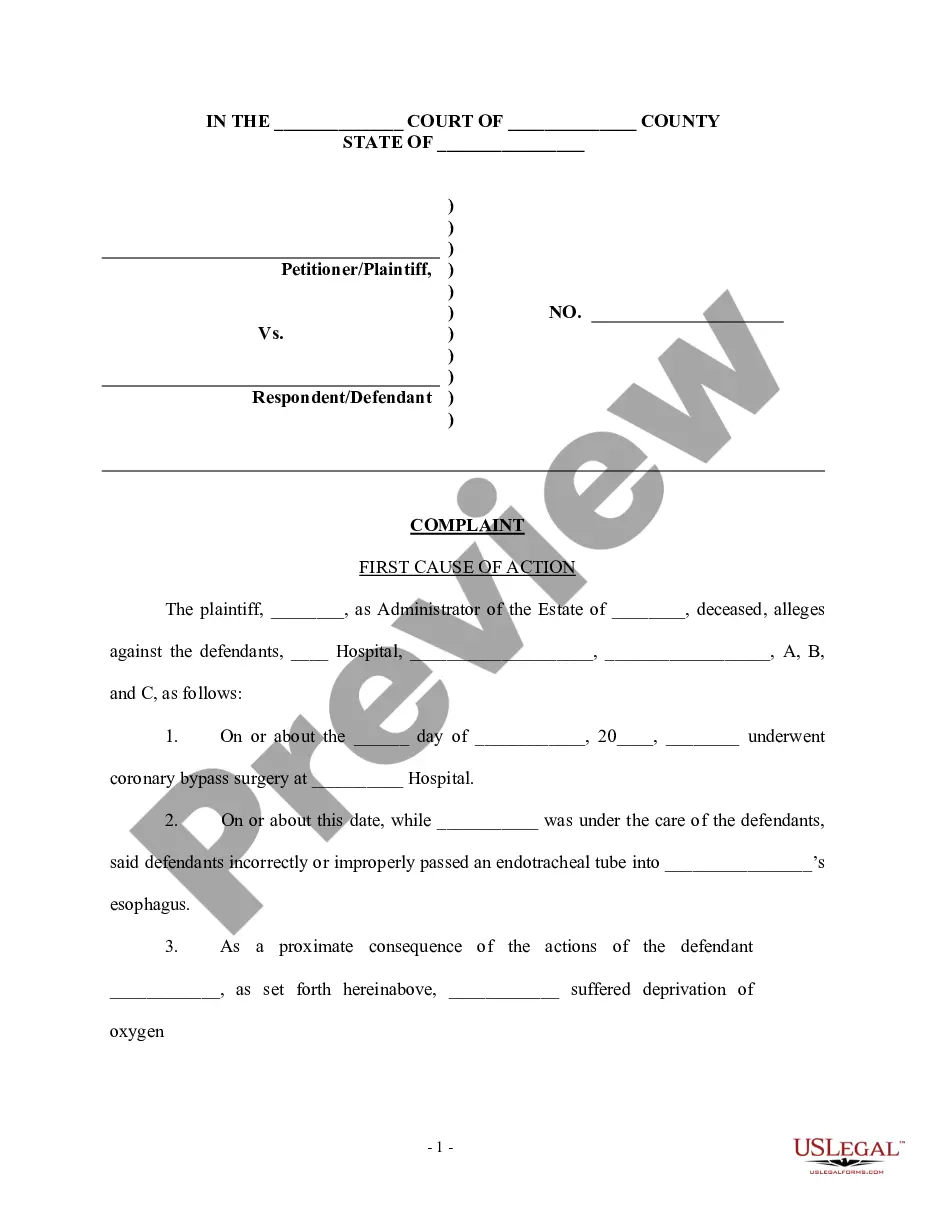
Get your form ready online
Our built-in tools help you complete, sign, share, and store your documents in one place.
Make edits, fill in missing information, and update formatting in US Legal Forms—just like you would in MS Word.
Download a copy, print it, send it by email, or mail it via USPS—whatever works best for your next step.
Sign and collect signatures with our SignNow integration. Send to multiple recipients, set reminders, and more. Go Premium to unlock E-Sign.
If this form requires notarization, complete it online through a secure video call—no need to meet a notary in person or wait for an appointment.
We protect your documents and personal data by following strict security and privacy standards.

Make edits, fill in missing information, and update formatting in US Legal Forms—just like you would in MS Word.

Download a copy, print it, send it by email, or mail it via USPS—whatever works best for your next step.

Sign and collect signatures with our SignNow integration. Send to multiple recipients, set reminders, and more. Go Premium to unlock E-Sign.

If this form requires notarization, complete it online through a secure video call—no need to meet a notary in person or wait for an appointment.

We protect your documents and personal data by following strict security and privacy standards.
Looking for another form?



Form popularity
FAQ
5. The Jury's Verdict. The judge will instruct the jury to select a foreperson who will act as their organizer and spokesperson. The judge will give them a verdict form to complete, and they will then retire to the deliberation room to decide upon their verdict.
On any issue triable of right by a jury, a party may demand a jury trial by: (1) serving the other parties with a written demand—which may be included in a pleading—no later than 14 days after the last pleading directed to the issue is served; and. (2) filing the demand in ance with Rule 5(d).
Report for jury service if qualified and not excused or postponed. Failing to respond may result in fines up to $1,500, incarceration, or both. Follow summons instructions and contact the court for assistance.
After a jury is selected, a trial will generally follow this order of events: Opening Statement. Presentation of Evidence. Rulings by the Judge. Instructions to the Jury. Closing Arguments. Deliberation:
A Look at the Trial Process Presentation of Evidence and Testimony of Witnesses. The plaintiff's or prosecution's case is presented first. Closing Arguments. Presentation of Jury Instructions (Charging the Jury) ... Deliberation. Announcement of the Verdict.
If you have been convicted of a felony when the conviction has not been set aside or a pardon issued. If you are a judge, clerk of a district court, a sheriff, or a jailer. If your spouse has been summoned for the same jury panel. If you or your spouse have a pending jury trial in any court.
A Look at the Trial Process Presentation of Evidence and Testimony of Witnesses. The plaintiff's or prosecution's case is presented first. Closing Arguments. Presentation of Jury Instructions (Charging the Jury) ... Deliberation. Announcement of the Verdict.
If you are NOT qualified to serve, want to request an excuse, or want to request a postponement of your jury service, you can submit your request on the Online E-Juror Portal . If you are unable to go to our website, write a letter to our office regarding the details of your request.
Any party may demand a trial by jury of any issue triable of right by a jury by (1) serving upon the other parties a demand therefor in writing at any time after the commencement of the action and not later than 10 days after the service of the last pleading directed to such issue, and (2) filing the demand as required ...
Any party may demand a trial by jury of any issue triable of right by a jury by (1) serving upon the other parties a demand therefor in writing at any time after the commencement of the action and not later than 10 days after the service of the last pleading directed to such issue, and (2) filing the demand as required ...