Jury Trial Demand Form With Two Points In Ohio
Description

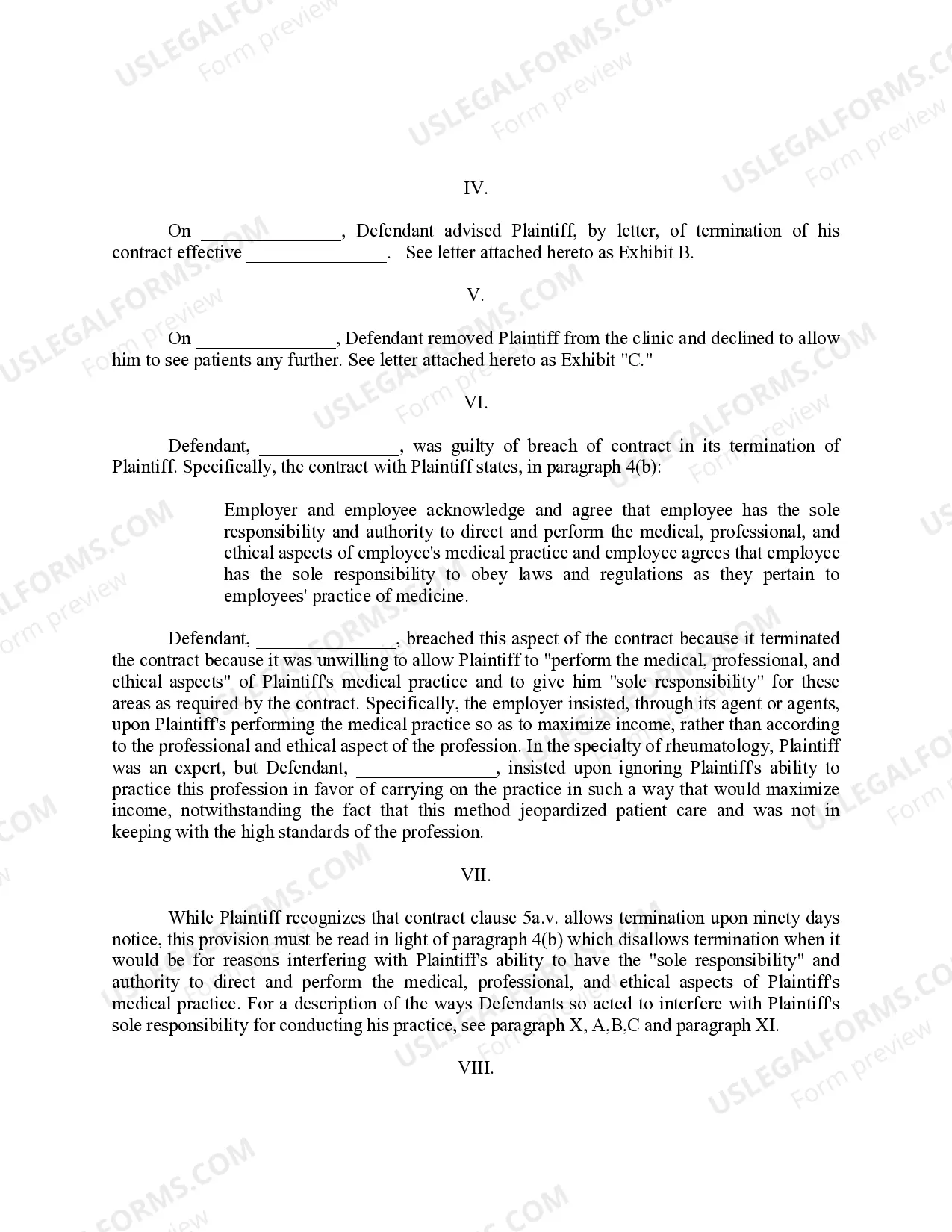
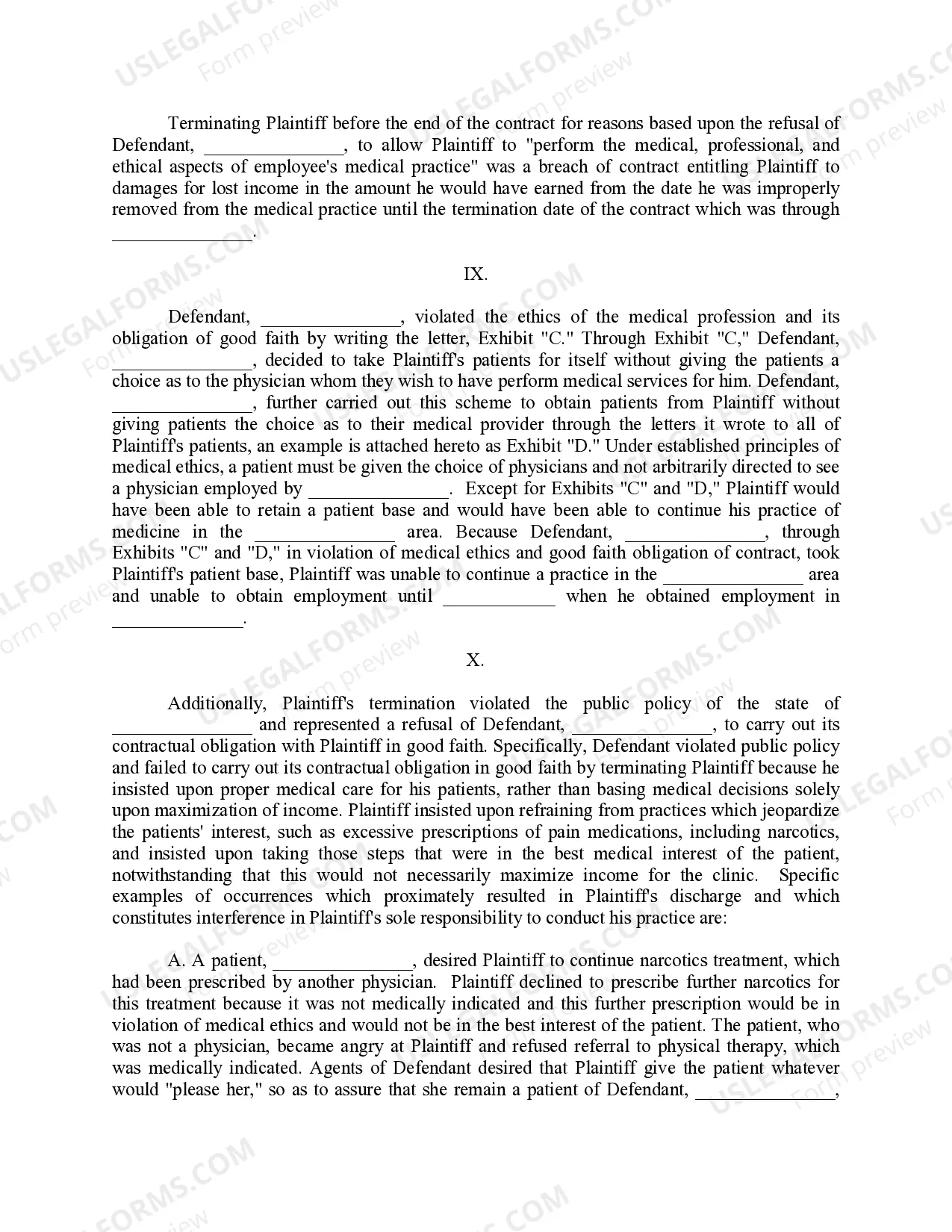
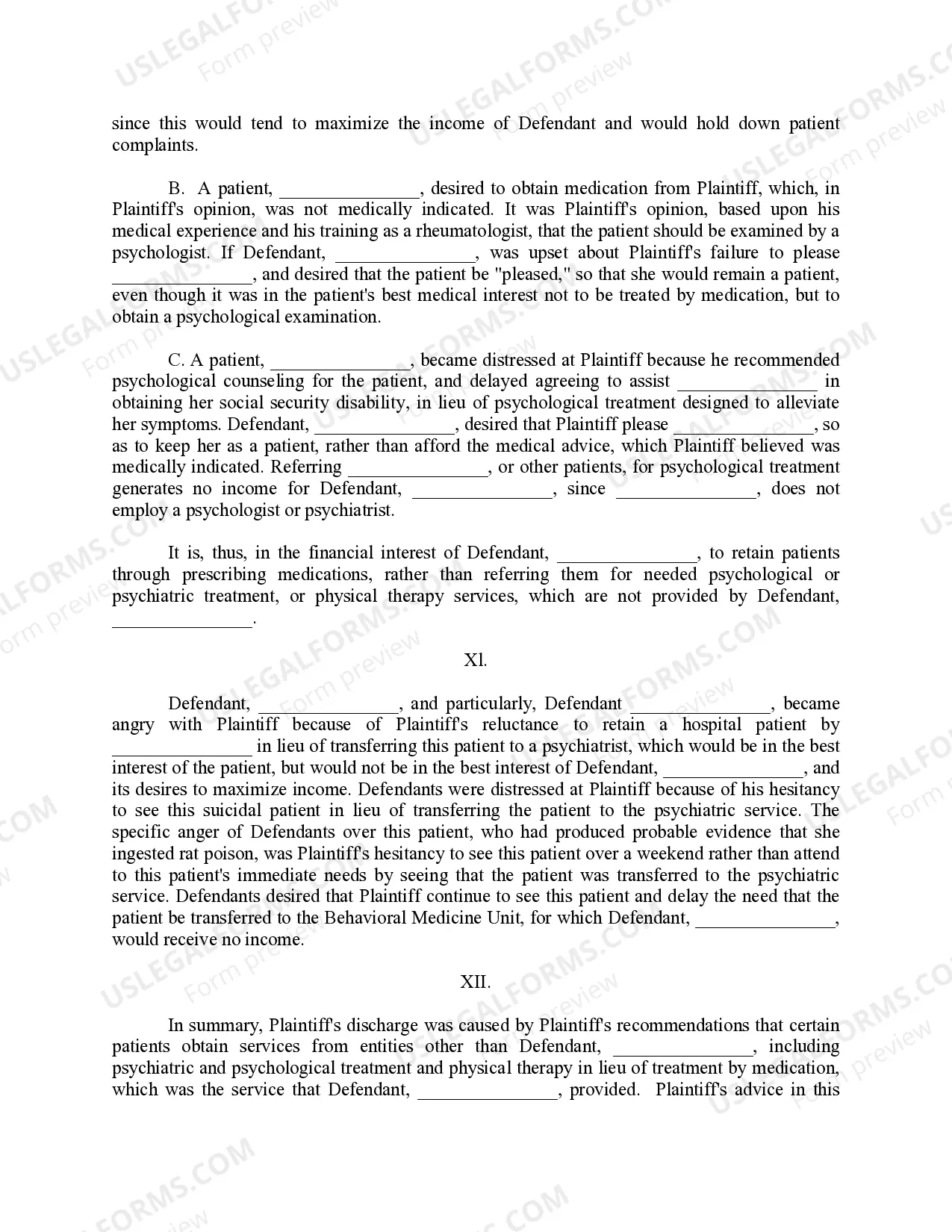
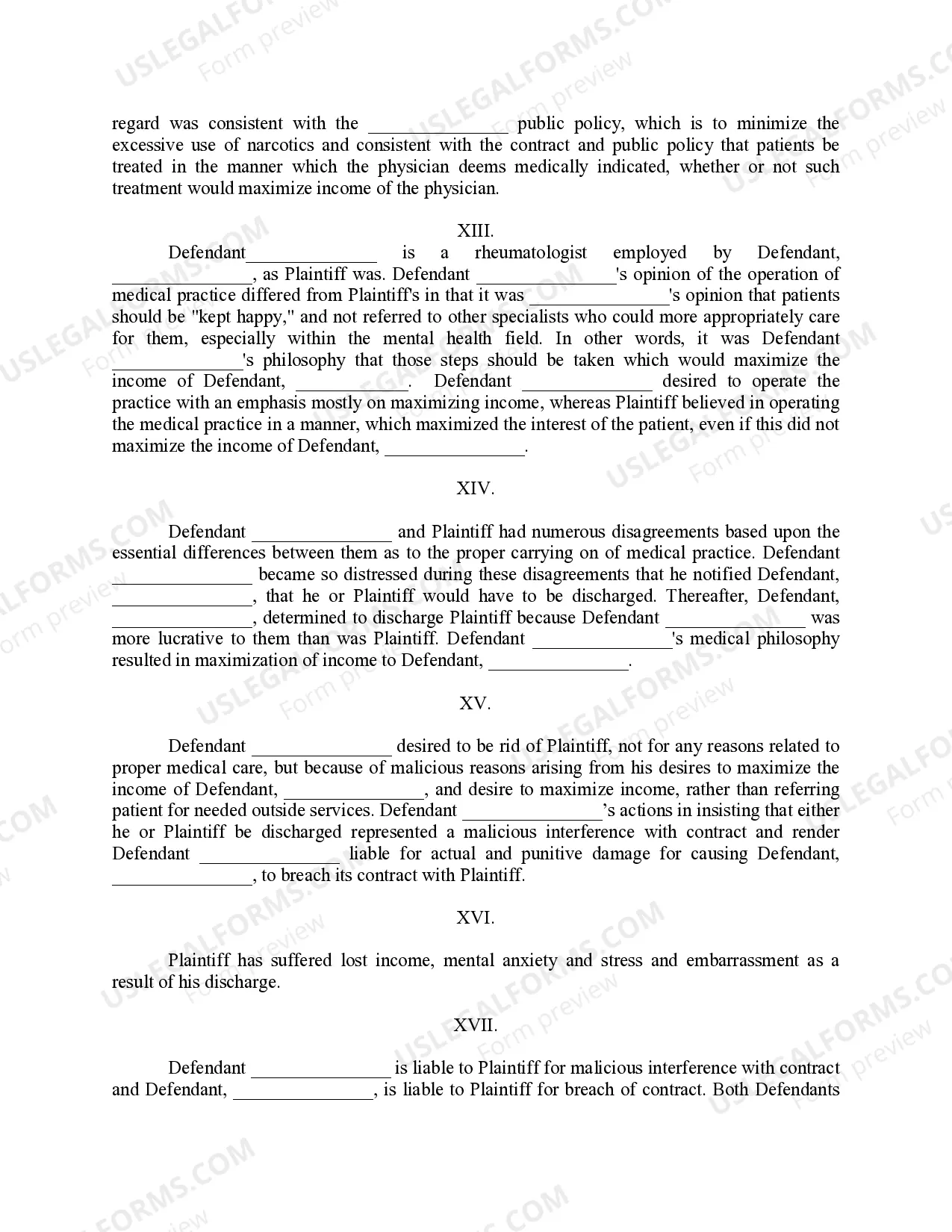
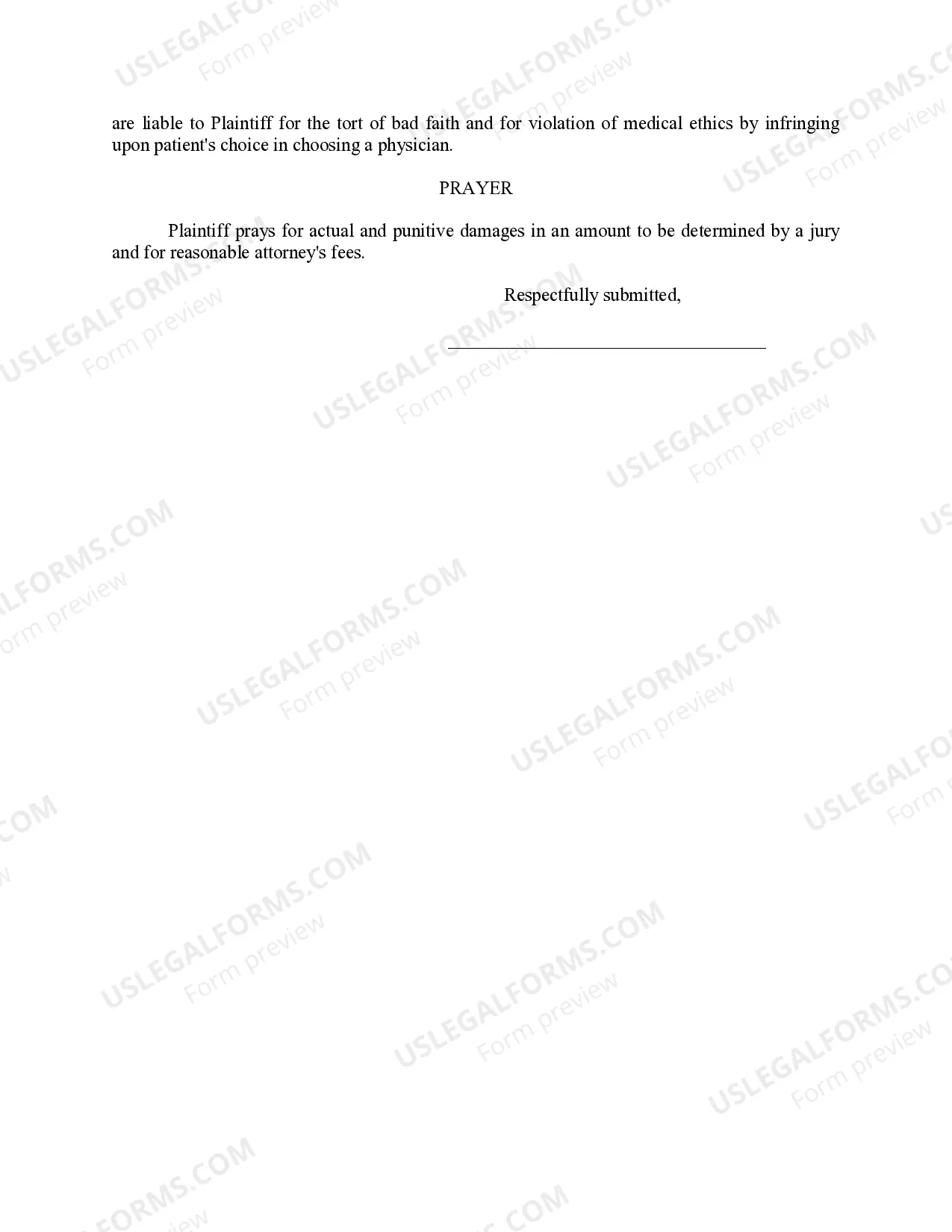




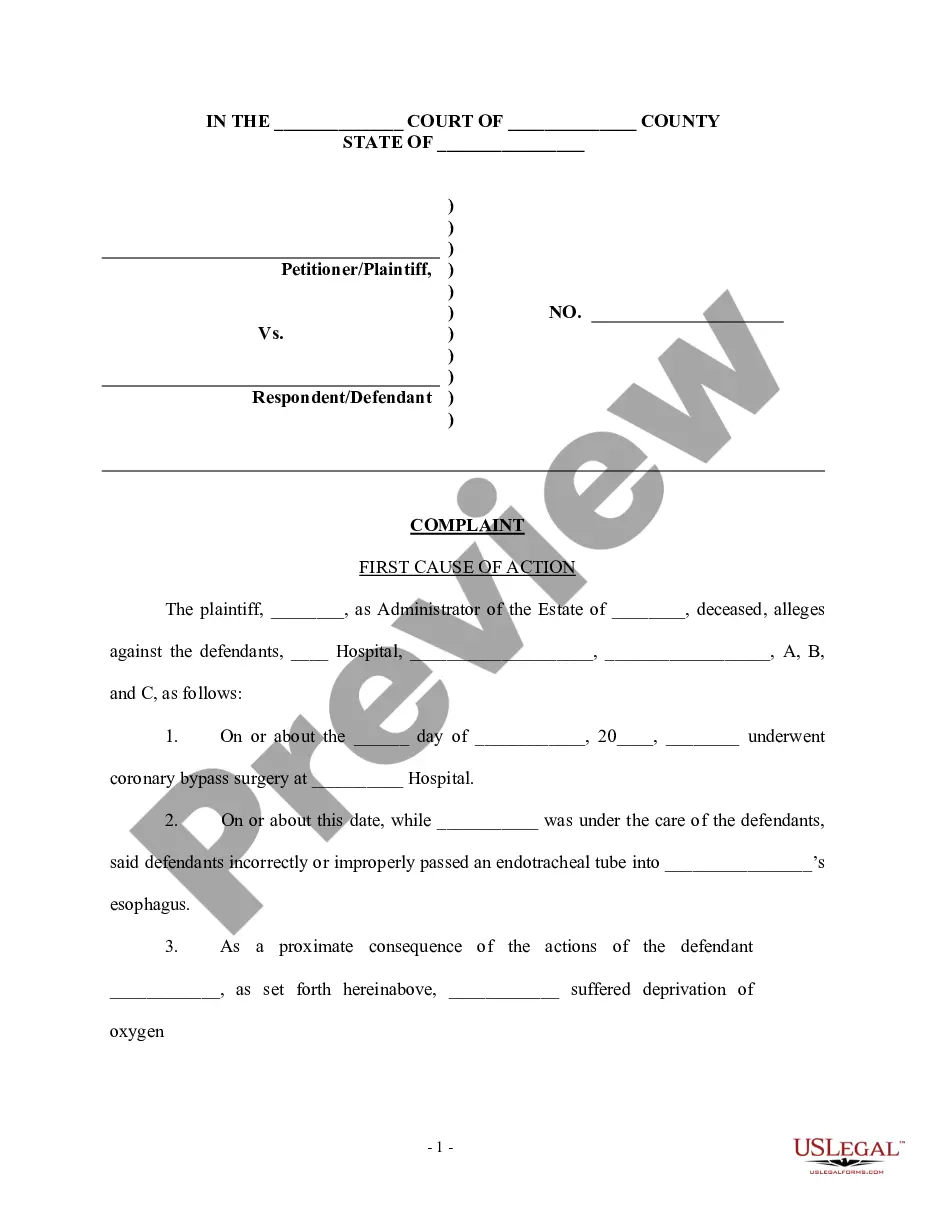
Get your form ready online
Our built-in tools help you complete, sign, share, and store your documents in one place.
Make edits, fill in missing information, and update formatting in US Legal Forms—just like you would in MS Word.
Download a copy, print it, send it by email, or mail it via USPS—whatever works best for your next step.
Sign and collect signatures with our SignNow integration. Send to multiple recipients, set reminders, and more. Go Premium to unlock E-Sign.
If this form requires notarization, complete it online through a secure video call—no need to meet a notary in person or wait for an appointment.
We protect your documents and personal data by following strict security and privacy standards.

Make edits, fill in missing information, and update formatting in US Legal Forms—just like you would in MS Word.

Download a copy, print it, send it by email, or mail it via USPS—whatever works best for your next step.

Sign and collect signatures with our SignNow integration. Send to multiple recipients, set reminders, and more. Go Premium to unlock E-Sign.

If this form requires notarization, complete it online through a secure video call—no need to meet a notary in person or wait for an appointment.

We protect your documents and personal data by following strict security and privacy standards.
Looking for another form?





Form popularity
FAQ
Any party may demand a trial by jury on any issue triable of right by a jury by serving upon the other parties a demand therefor at any time after the commencement of the action and not later than fourteen days after the service of the last pleading directed to such issue.
Conclusion: Going to small claims court may be worth it for $500, but it will determine how you weigh your costs versus benefits. At a minimum, it is worth it to send a demand letter.
Any party may demand a trial by jury of any issue triable of right by a jury by (1) serving upon the other parties a demand therefor in writing at any time after the commencement of the action and not later than 10 days after the service of the last pleading directed to such issue, and (2) filing the demand as required ...
Claims related to injuries must hence be filed within 2 years since the occurrence of the injury. Property Damage: For issues concerning damages to property, the limitation period is either 2 years for personal property or 4 years for real property.
This Note explores the dual jury system in which each defendant in a joint trial has his or her own jury to decide guilt or innocence.
Basic information about Small Claims is available on the Small Claims automated phone line at 946-5700. You may also access small claim information and forms through the Clerk of Courts Internet address at urtclerk. There is also an interactive small claim form that may be filled out on the computer.
Don't lose your temper, try to bully, or refuse to listen to the opinions of other jurors. Don't mark or write on exhibits or otherwise change or injure them.
Upon approval of the court, the following persons may be excused from jury service: members of cloistered religious organizations. a person whose mental or physical condition renders them incapable of performing jury service. a person whose spouse or near relative has recently died or is seriously ill.
Just answer the questions truthfully to the extent that they ask. No need to elaborate, just answer their questions. If you don't want to provide an answer, say ``no comment'' unless a judge instructs you otherwise. You are legally obligated to answer any question the judge instructs you to answer.