Sample Jury Trial Demand Withdrawal In Minnesota
Description





Get your form ready online
Our built-in tools help you complete, sign, share, and store your documents in one place.
Make edits, fill in missing information, and update formatting in US Legal Forms—just like you would in MS Word.
Download a copy, print it, send it by email, or mail it via USPS—whatever works best for your next step.
Sign and collect signatures with our SignNow integration. Send to multiple recipients, set reminders, and more. Go Premium to unlock E-Sign.
If this form requires notarization, complete it online through a secure video call—no need to meet a notary in person or wait for an appointment.
We protect your documents and personal data by following strict security and privacy standards.

Make edits, fill in missing information, and update formatting in US Legal Forms—just like you would in MS Word.

Download a copy, print it, send it by email, or mail it via USPS—whatever works best for your next step.

Sign and collect signatures with our SignNow integration. Send to multiple recipients, set reminders, and more. Go Premium to unlock E-Sign.

If this form requires notarization, complete it online through a secure video call—no need to meet a notary in person or wait for an appointment.

We protect your documents and personal data by following strict security and privacy standards.
Looking for another form?

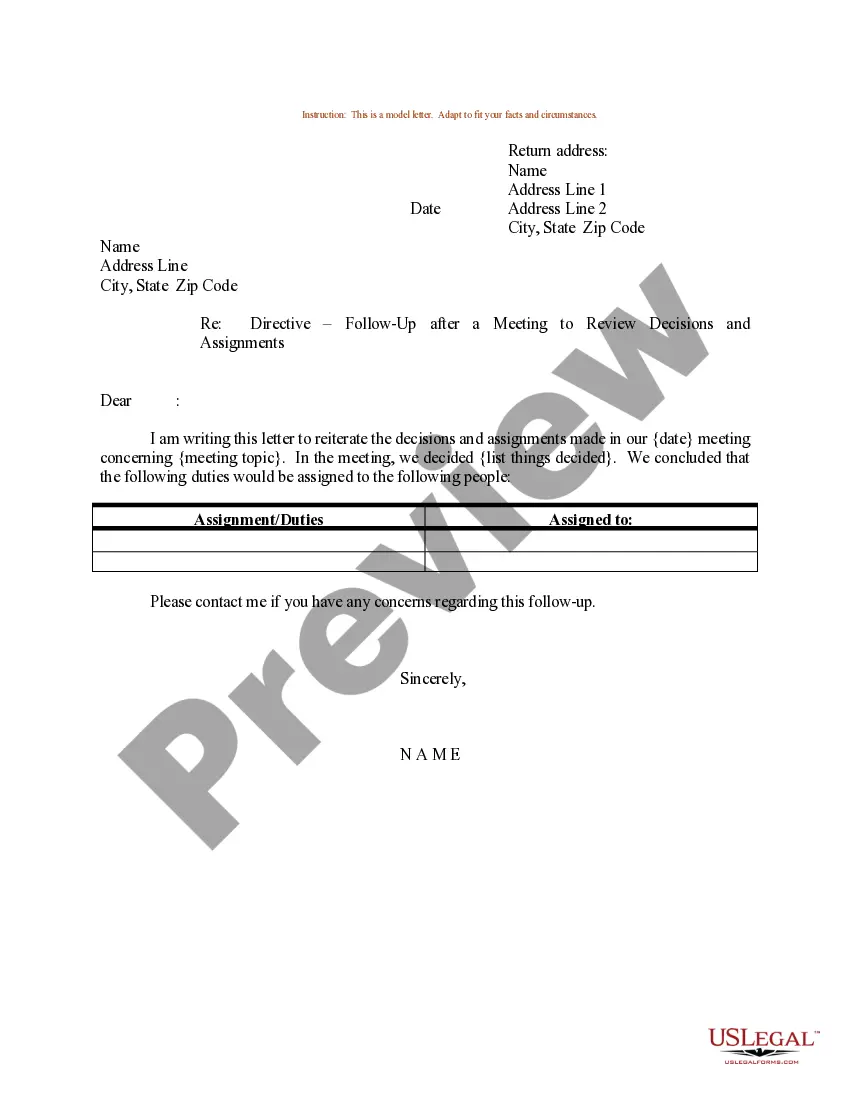



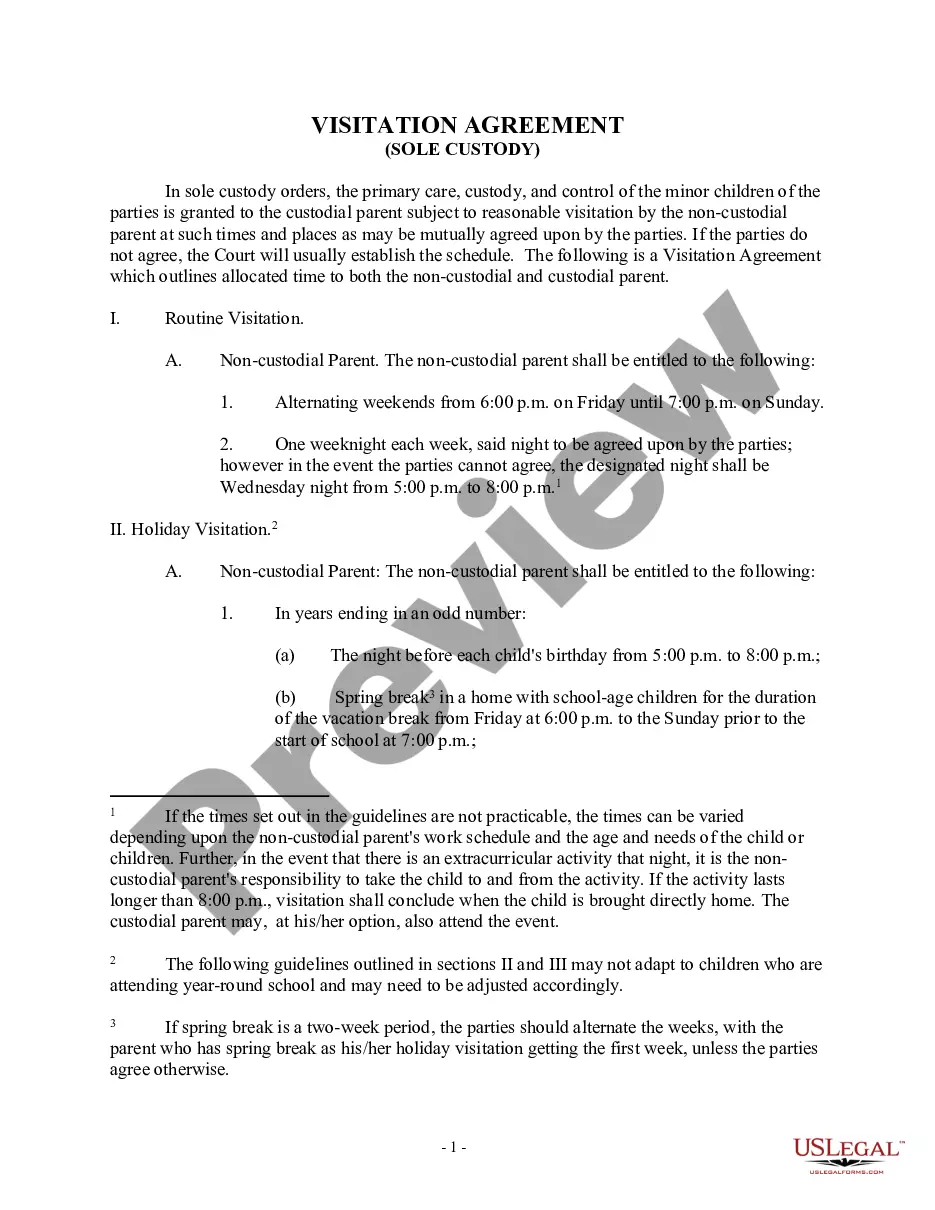

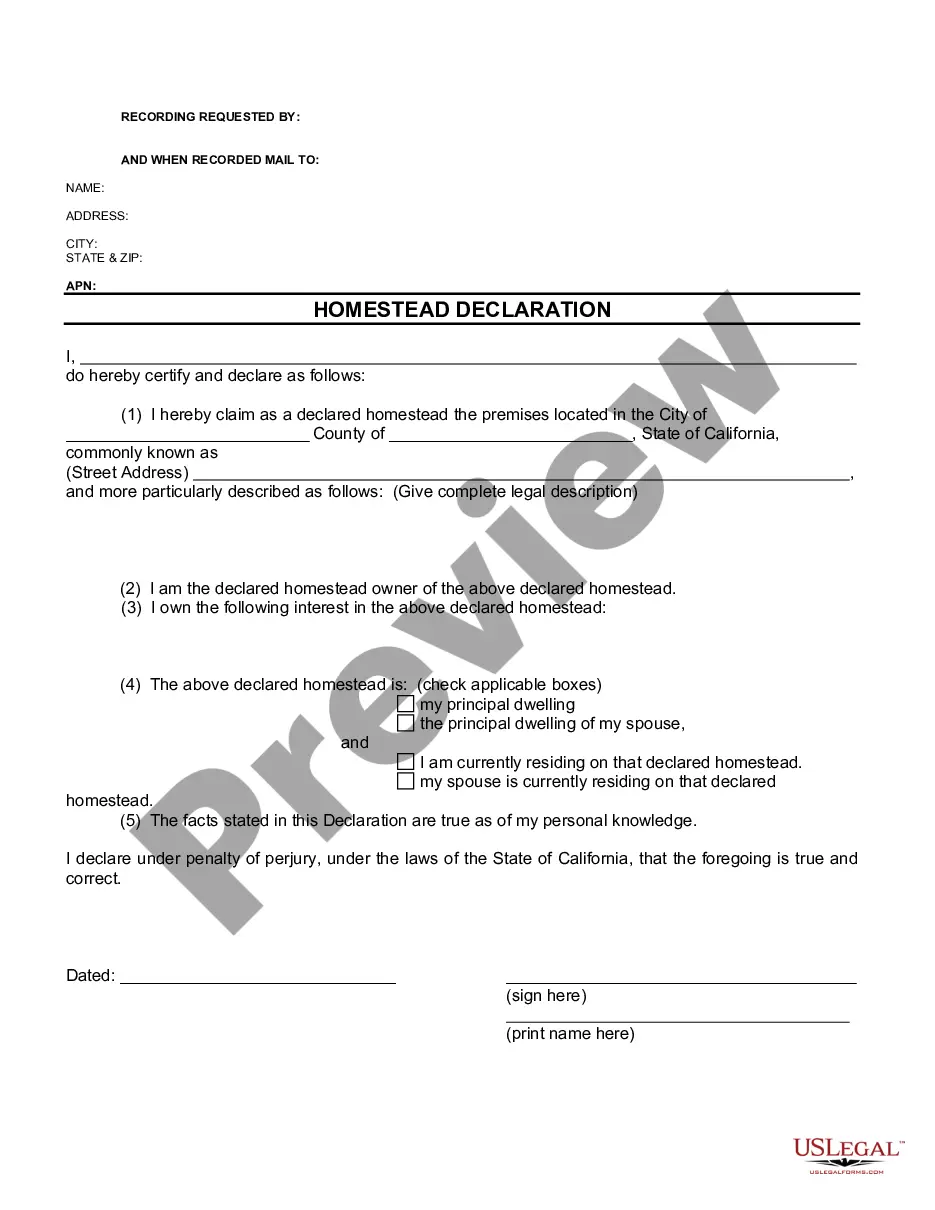
Form popularity
FAQ
At a defendant's arraignment, if they enter a "not guilty" plea, there will be several pretrial trial proceedings designed to resolve the case. If a plea bargain is not reached, then the case will proceed to trial.
Rule 69. In aid of the judgment or execution, the judgment creditor, or successor in interest when that interest appears of record, may obtain discovery from any person, including the judgment debtor, in the manner provided by these rules.
Any party may demand a trial by jury of any issue triable of right by a jury by (1) serving upon the other parties a demand therefor in writing at any time after the commencement of the action and not later than 10 days after the service of the last pleading directed to such issue, and (2) filing the demand as required ...
Any party may demand a trial by jury of any issue triable of right by a jury by (1) serving upon the other parties a demand therefor in writing at any time after the commencement of the action and not later than 10 days after the service of the last pleading directed to such issue, and (2) filing the demand as required ...
JURIES CAN BE SYMPATHETIC Unlike an impartial judge, the panel of individuals on your jury could be swayed by emotion and personal experience. This may work in your favor. If you have been overcharged for the crime in question or are a sympathetic defendant, some jurors may be more likely to back you.
Don't lose your temper, try to bully, or refuse to listen to the opinions of other jurors. Don't mark or write on exhibits or otherwise change or injure them.
To postpone your service, you must do one of the following before your summons date: Call the Jury Office at (612) 540-7436; Send your request in writing; or. When you complete the online Jury Questionnaire, you may request to postpone your service online at that time.
Rule 15. A party may amend a pleading once as a matter of course at any time before a responsive pleading is served or, if the pleading is one to which no responsive pleading is permitted and the action has not been placed upon the trial calendar, the party may so amend it at any time within 21 days after it is served.
“A jury has a power of lenity and can bring in a not guilty verdict in the teeth of the facts.” In its full form, we call the power: jury nullification. It's the power of the jury to veto unjust laws. Juries have had this power since the beginning of the United States.
Rule 20, competency evaluations occur in criminal cases when there is a belief that a defendant may not be competent to proceed with the case or was not responsible at the time of the alleged offense because of mental illness or developmental disability.