Patent Infringement In India In Queens
Description

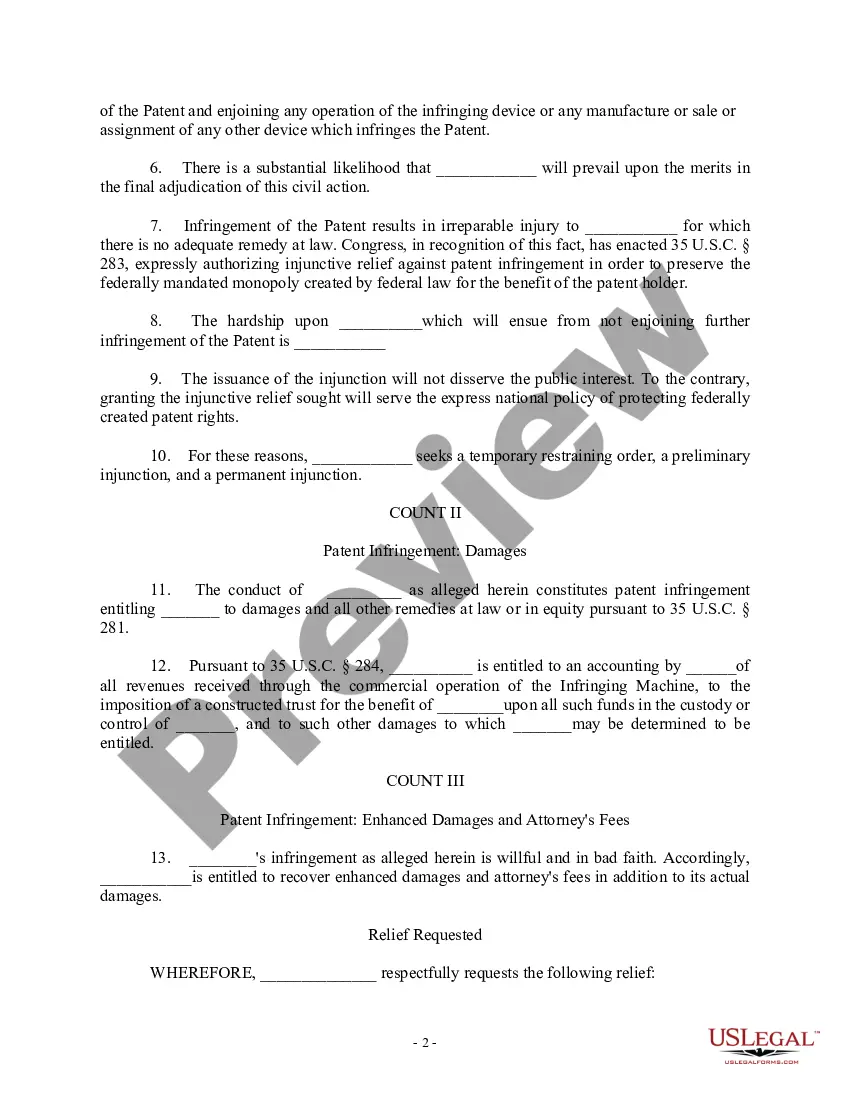
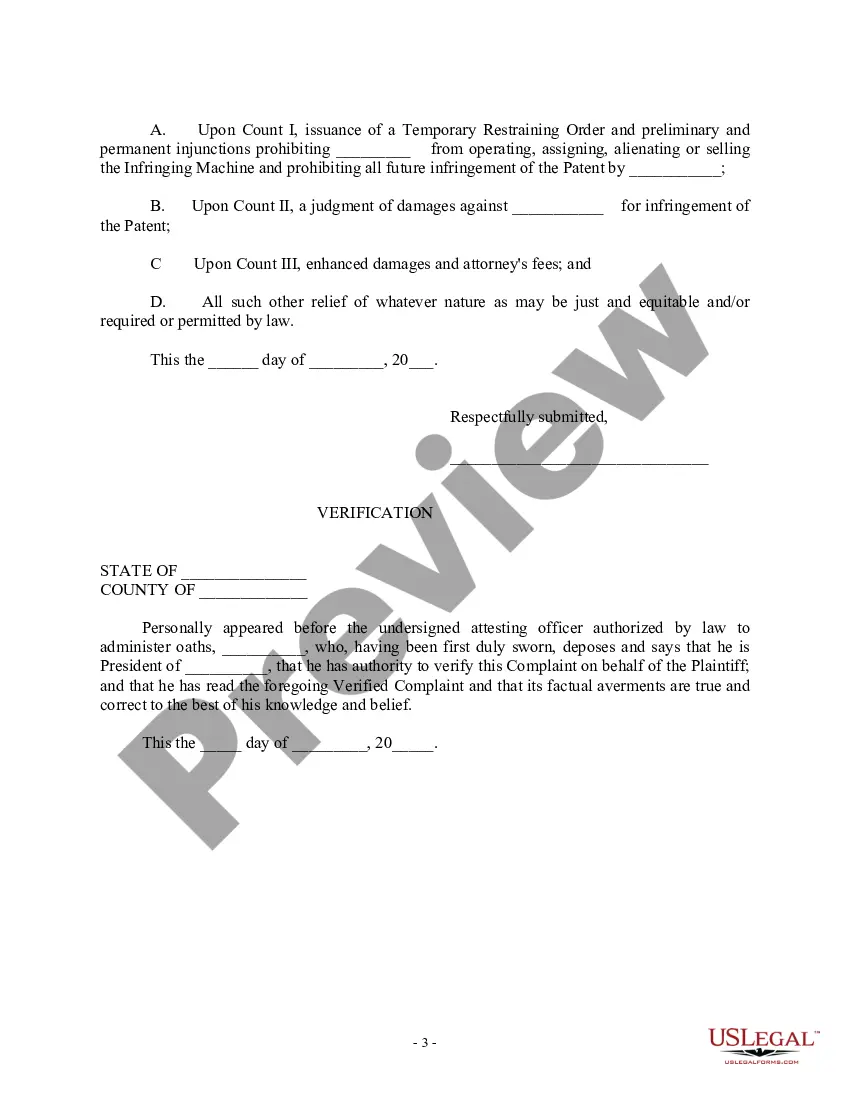
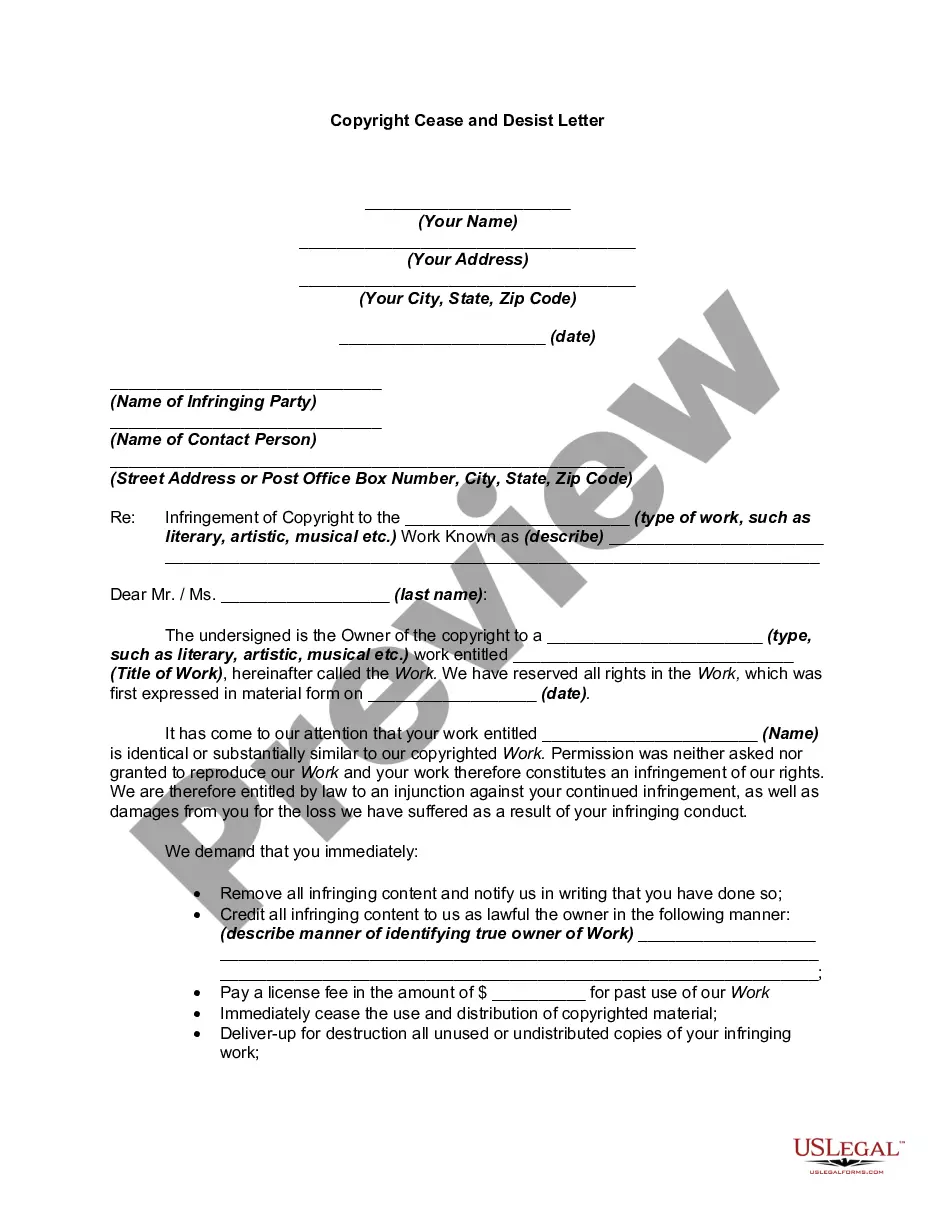
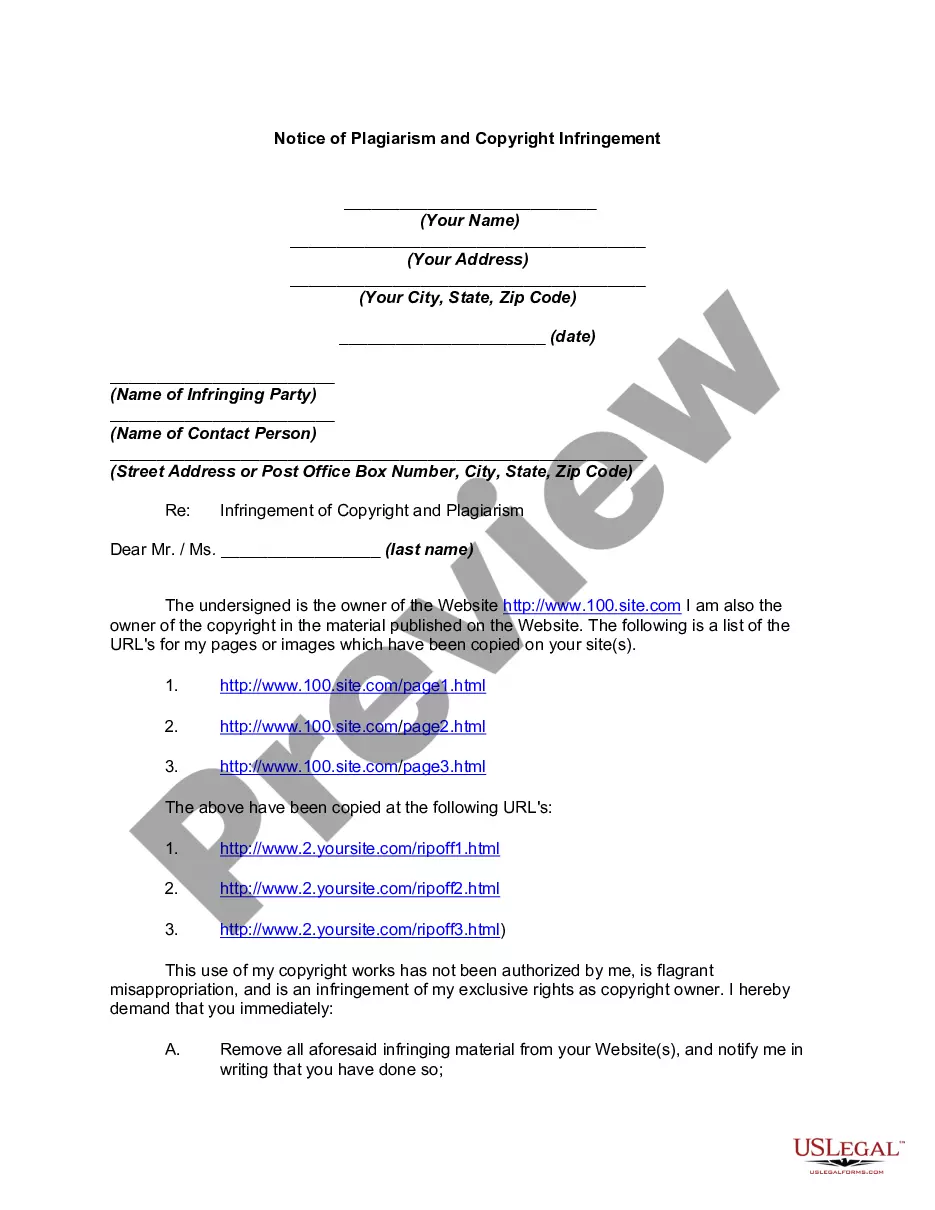
Get your form ready online
Our built-in tools help you complete, sign, share, and store your documents in one place.
Make edits, fill in missing information, and update formatting in US Legal Forms—just like you would in MS Word.
Download a copy, print it, send it by email, or mail it via USPS—whatever works best for your next step.
Sign and collect signatures with our SignNow integration. Send to multiple recipients, set reminders, and more. Go Premium to unlock E-Sign.
If this form requires notarization, complete it online through a secure video call—no need to meet a notary in person or wait for an appointment.
We protect your documents and personal data by following strict security and privacy standards.

Make edits, fill in missing information, and update formatting in US Legal Forms—just like you would in MS Word.

Download a copy, print it, send it by email, or mail it via USPS—whatever works best for your next step.

Sign and collect signatures with our SignNow integration. Send to multiple recipients, set reminders, and more. Go Premium to unlock E-Sign.

If this form requires notarization, complete it online through a secure video call—no need to meet a notary in person or wait for an appointment.

We protect your documents and personal data by following strict security and privacy standards.
Looking for another form?

Form popularity
FAQ
Reason 1: Patent Provides Legal Protection A patent provides legal rights to the patentee for a limited period by the Government of India. It excludes others from making, using, or importing the patented product or process without the consent of the patent's owner.
Here is the procedure on how to apply for patent in India: STEP 1: Invention Disclosure. STEP 2: Patentability Search. STEP 3: Filing an Application for a Patent. STEP 4: Patent Drafting. STEP 5: Filing the Patent Application. STEP 6: Request for Examination. STEP 7: Responding to Objections (if any) ... STEP 8: Grant of Patent.
If a copyright owner wants to initiate criminal proceedings, they can either file FIR under Section 154 of the Cr. P.C. or file an application under Section 156(3) of the Cr. P.C. The offences under this act are bailable as per the decision of Delhi High Court in State Govt. of NCT of Delhi vs.
The remedies to patent owners are based on certain rights granted under Section 48 of the Patents Act subject to certain exceptions. The Act also offers remedies on the infringement of these rights. The remedies include temporary injunction, permanent injunction, damages or account of profits.
Utility patent application: may be filed by anyone who invents or discovers any new and useful process, machine, manufacture, or composition of matter, or any new and useful improvement thereof.
So, let's get started. Step 1: Idea incubation phase. Step 2: Patentability search (optional step) ... Step 3: Patent drafting/writing. Step 4: Filing patent application. Step 5: Publication of application. Step 6: Request for examination (RFE) ... Step 7: Response to objections. Step 8: Grant of patent.
In India, the process of patent infringement involves filing an infringement suit in court, presenting evidence of infringement, and attending hearings to argue the case. The court assesses the evidence, including expert testimony, and delivers a judgement based on the merits of the case.
Patent Act of 1970 does not describe about the infringement activities. It only specifies the rights provided to the patent holder. Any violation of these rights is called as infringement. Unauthorized using, manufacturing, selling, and importing the invention before the expiry of the patent is said to be infringement.
Polaroid took Kodak to court in 1976, accusing it of infringing on 12 patents relating to instant photography. The pioneering instant camera and film company, now defunct, sought $12 billion in damages, a staggering sum even by today's standards.
For instance Company A has a patent for a print now company B produced a machine which produces patented print. This kind of infringement is contributory infringement because the company contributes to indirect infringement by manufacturing such processes or products which will produce patented products.