Copyright Infringement For Music
Description
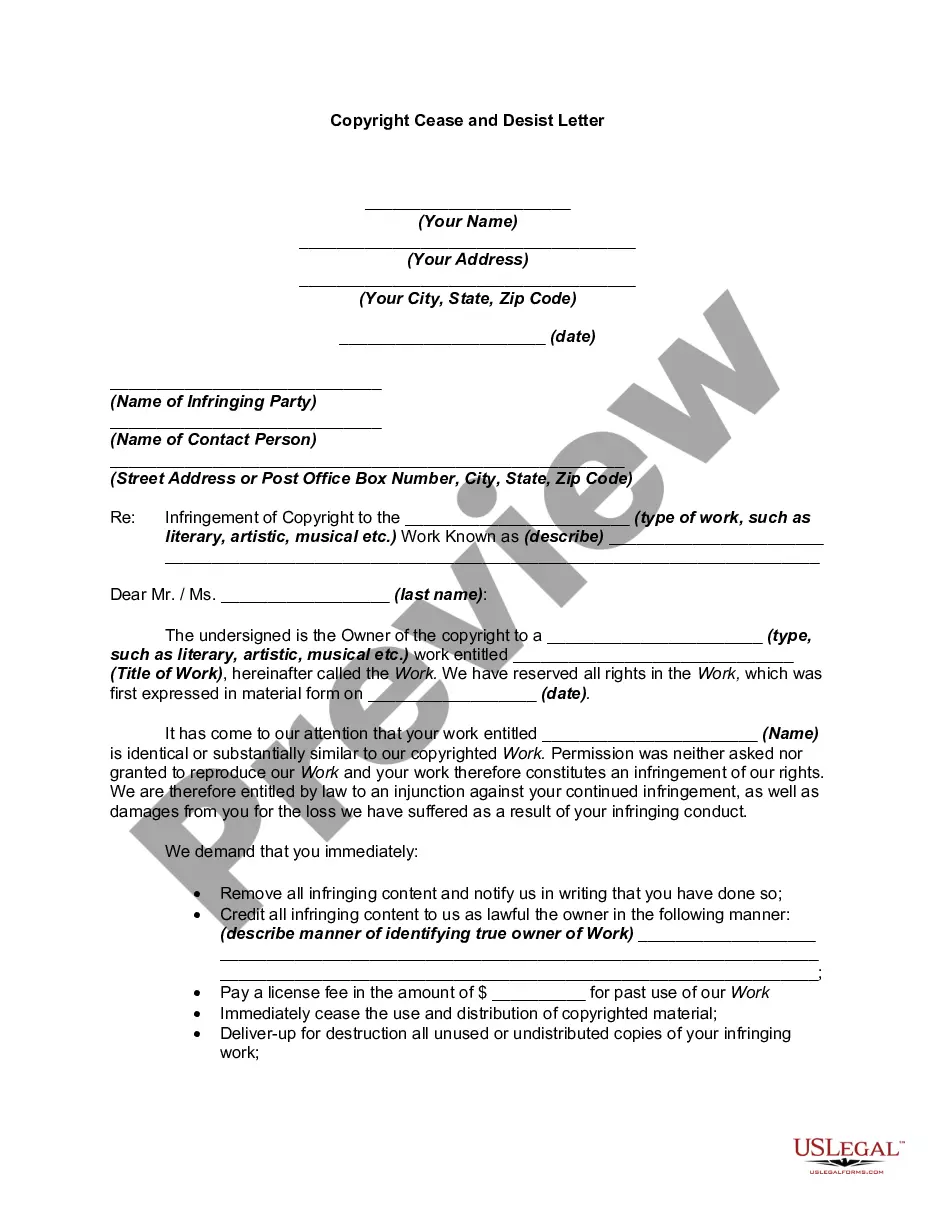
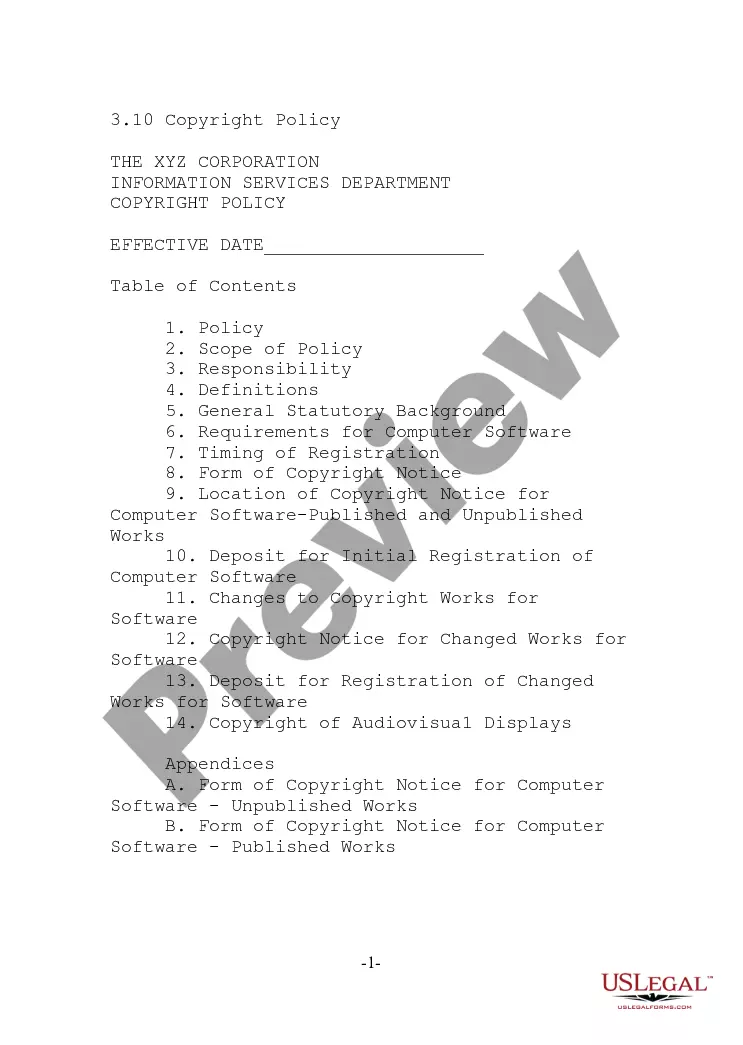
Get your form ready online
Our built-in tools help you complete, sign, share, and store your documents in one place.
Make edits, fill in missing information, and update formatting in US Legal Forms—just like you would in MS Word.
Download a copy, print it, send it by email, or mail it via USPS—whatever works best for your next step.
Sign and collect signatures with our SignNow integration. Send to multiple recipients, set reminders, and more. Go Premium to unlock E-Sign.
If this form requires notarization, complete it online through a secure video call—no need to meet a notary in person or wait for an appointment.
We protect your documents and personal data by following strict security and privacy standards.

Make edits, fill in missing information, and update formatting in US Legal Forms—just like you would in MS Word.

Download a copy, print it, send it by email, or mail it via USPS—whatever works best for your next step.

Sign and collect signatures with our SignNow integration. Send to multiple recipients, set reminders, and more. Go Premium to unlock E-Sign.

If this form requires notarization, complete it online through a secure video call—no need to meet a notary in person or wait for an appointment.

We protect your documents and personal data by following strict security and privacy standards.
Looking for another form?










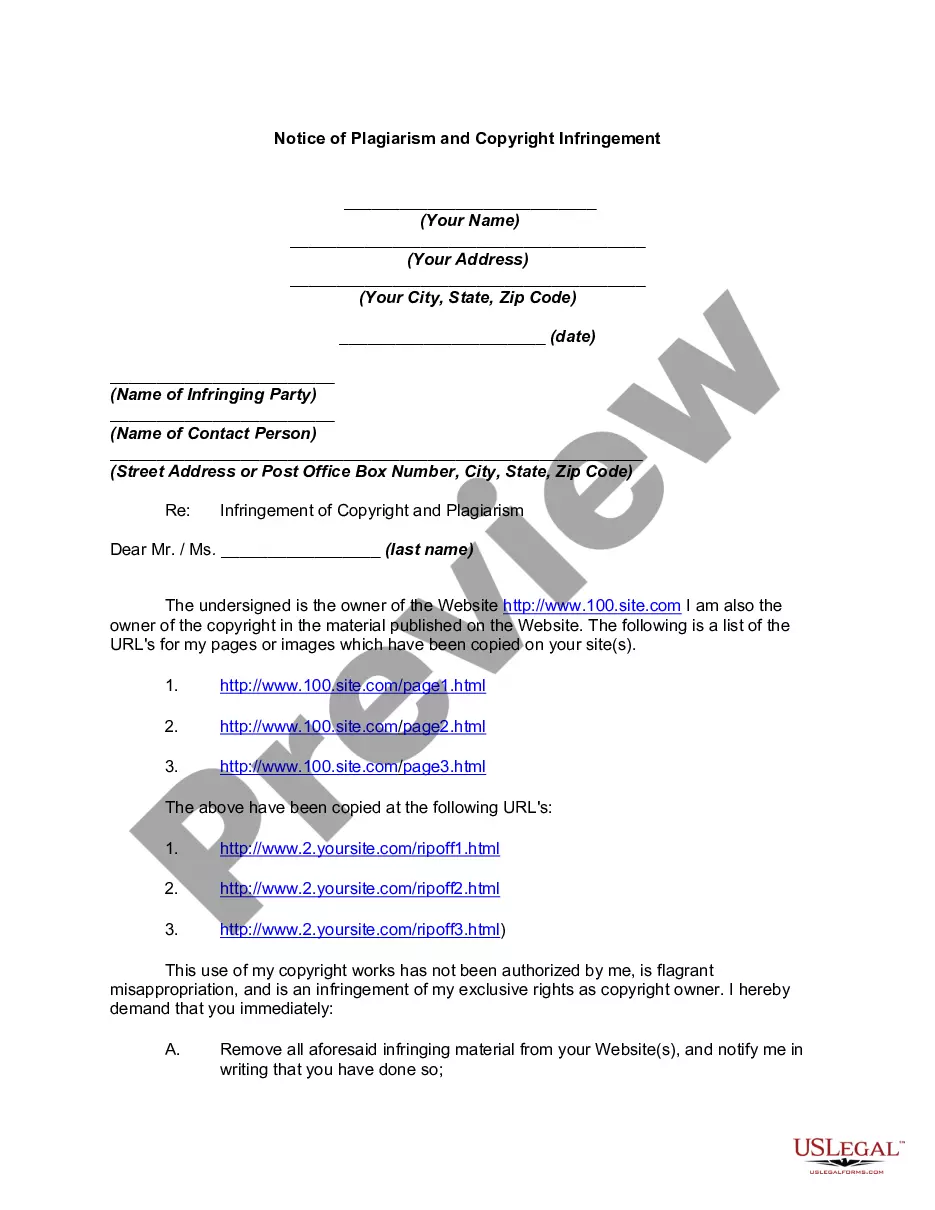
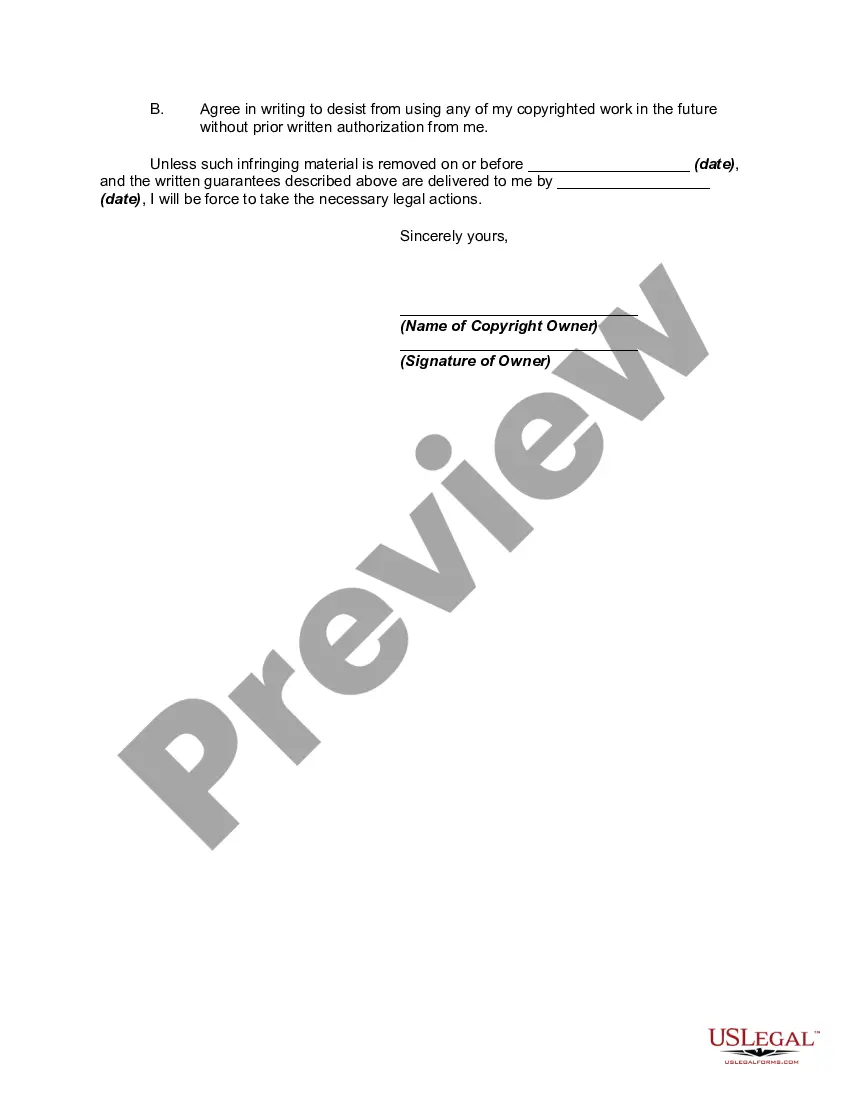
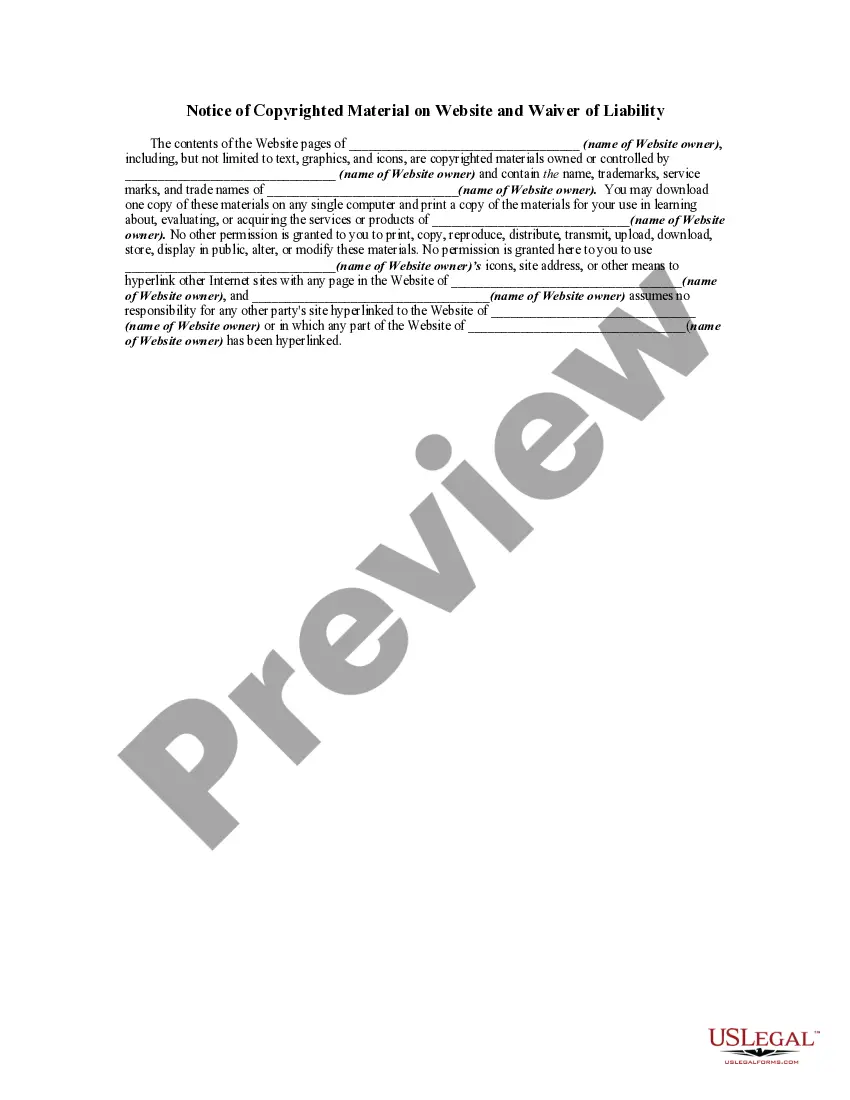
How to fill out Notice Of Plagiarism And Copyright Infringement?
When you need to complete Copyright Infringement For Music that adheres to your local state's laws, there can be several alternatives to choose from.
There's no necessity to review every form to ensure it meets all the legal requirements if you are a US Legal Forms member.
It is a dependable resource that can assist you in acquiring a reusable and current template on any subject.
Review the suggested page and verify it for alignment with your specifications.
- US Legal Forms is the most extensive online directory with a collection of over 85,000 ready-to-use documents for business and personal legal matters.
- All templates are confirmed to comply with each state's regulations.
- Thus, when downloading Copyright Infringement For Music from our platform, you can trust that you hold a valid and current document.
- Obtaining the necessary sample from our platform is extremely straightforward.
- If you already possess an account, simply Log In to the system, verify your subscription is valid, and save the selected file.
- In the future, you can access the My documents section in your account and maintain access to the Copyright Infringement For Music at any time.
- If it's your first time using our library, please follow the instructions below.
Form popularity
FAQ
Yes, you can report someone for copyright infringement if you hold the rights to the music being misused. Use the contact information of the platform hosting the infringing content to file a complaint. Platforms typically require you to submit a DMCA takedown notice, which outlines your claim against the copyright infringement for music.
To report music copyright infringement, gather necessary information about the infringement, such as links and your ownership details. Fill out a DMCA notice and submit it to the platform where the infringement occurs. Platforms often have specific guidelines for reporting music copyright infringement, so following their instructions is vital for a successful claim.
You can report copyrighted music by contacting the service hosting the material, such as YouTube or Spotify. They usually have a dedicated section for copyright complaints, allowing you to provide details about the infringement. Specify the song and provide proof of your ownership to facilitate the process of addressing the copyright infringement for music.
To get a song taken down for copyright infringement for music, you must file a Digital Millennium Copyright Act (DMCA) takedown notice. This notice should clearly describe the copyrighted material, provide your contact information, and state that you believe the song is being used without your permission. Additionally, submitting this notice to the platform hosting the infringing content will prompt them to review and potentially remove it.
In a caption, you can mention that the music is either original content or licensed for your use. You might say something like, ‘Music used with permission from Artist/Label’ to clearly denote rights. This acknowledgment helps prevent issues related to copyright infringement for music and shows your commitment to ethical practices.
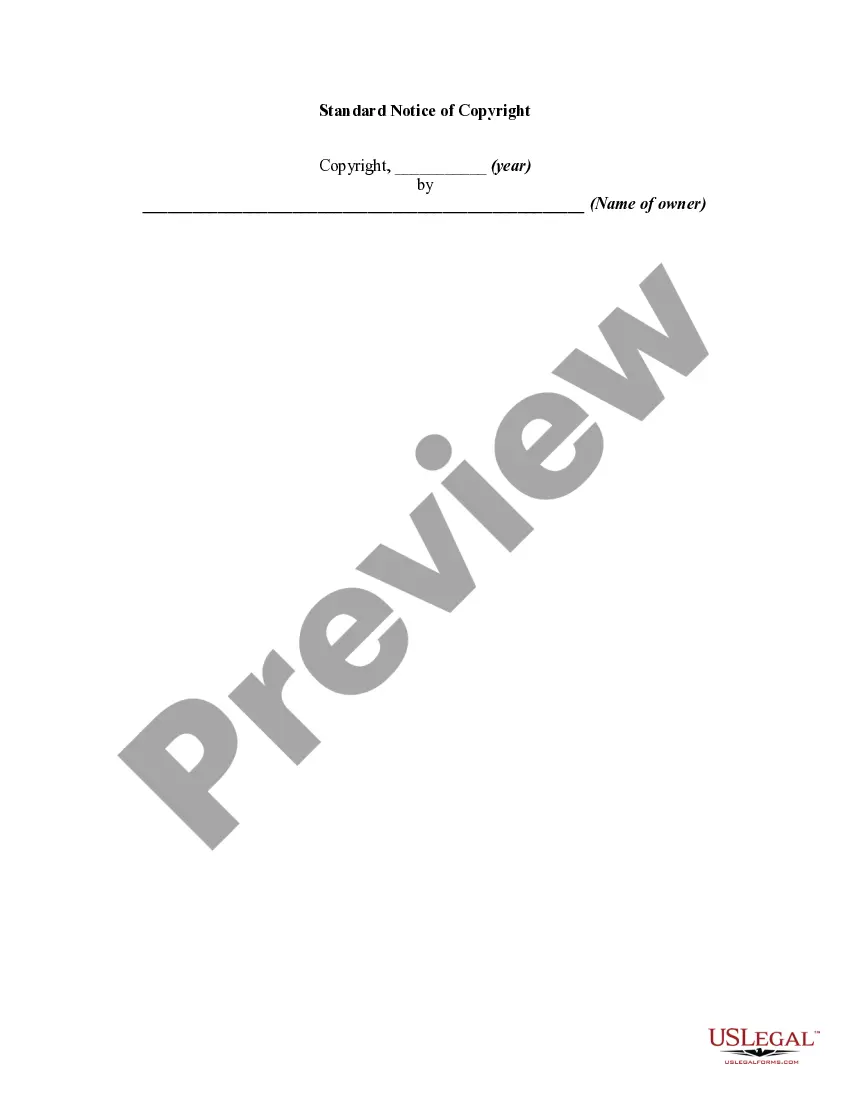
An example of a copyright statement might include ‘© Year Copyright Holder. All rights reserved.’ This clearly signifies the ownership of the work and warns against unauthorized use. Using such a statement is vital in protecting your rights, especially regarding copyright infringement for music.
To avoid copyright infringement, it's crucial to obtain permission from the copyright owner before using their work. If your music is inspired by existing pieces, consider providing credit and linking to the original work. This respect for intellectual property helps ensure you stay clear of copyright infringement for music.
To write a copyright disclaimer for music, start by identifying the copyright holder's name and the date of publication. Clearly state that all rights are reserved, and unauthorized use is prohibited. Including this disclaimer is essential to protect against copyright infringement for music, reinforcing your respect for original content.
An example of a disclaimer for music might state that the music featured is either original or properly licensed. You should clarify that all rights to the music belong to the original creators. This helps protect you from copyright infringement for music while acknowledging the efforts of the artists involved.
To write a disclaimer example, focus on clarity and directness. Start by stating that the information provided is for educational purposes only, and it should not replace professional advice. Additionally, mention that the use of your content must comply with copyright laws to avoid copyright infringement for music.
