Patent Withdrawn In Bronx
Description

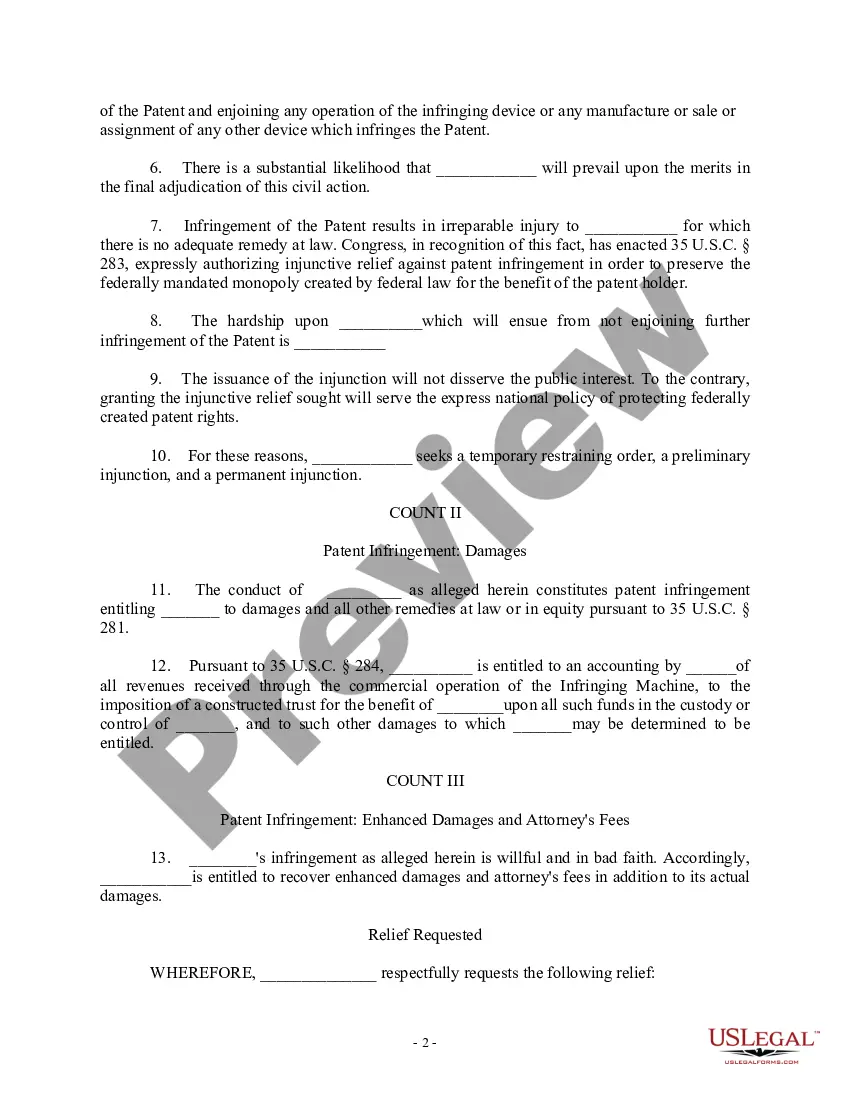
Get your form ready online
Our built-in tools help you complete, sign, share, and store your documents in one place.
Make edits, fill in missing information, and update formatting in US Legal Forms—just like you would in MS Word.
Download a copy, print it, send it by email, or mail it via USPS—whatever works best for your next step.
Sign and collect signatures with our SignNow integration. Send to multiple recipients, set reminders, and more. Go Premium to unlock E-Sign.
If this form requires notarization, complete it online through a secure video call—no need to meet a notary in person or wait for an appointment.
We protect your documents and personal data by following strict security and privacy standards.

Make edits, fill in missing information, and update formatting in US Legal Forms—just like you would in MS Word.

Download a copy, print it, send it by email, or mail it via USPS—whatever works best for your next step.

Sign and collect signatures with our SignNow integration. Send to multiple recipients, set reminders, and more. Go Premium to unlock E-Sign.

If this form requires notarization, complete it online through a secure video call—no need to meet a notary in person or wait for an appointment.

We protect your documents and personal data by following strict security and privacy standards.
Looking for another form?



Form popularity
FAQ
Requirements for filing a provisional application: A detailed written description of the invention including drawings. Title of the invention. Name(s) of all inventors. Inventor(s) residence(s) Name and registration number of attorney or agent and docket number (if applicable) Correspondence address.
The five primary requirements for patentability are: (1) patentable subject matter; (2) utility; (3) novelty; (4) non-obviousness; and (5) enablement. Like trademarks, patents are territorial, meaning they are enforceable in a specific geographic area.
Format of a Patent Application The Specification. The Title. The Description. The Claims. The Drawings. The Abstract. Sample Specifications. Minimum Requirements for a Filing Date.
The Process of Patent Withdrawal If the request meets the necessary criteria, the patent will be officially withdrawn, and the applicant will lose any rights associated with the patent. It is important to note that the withdrawal of a patent application does not necessarily mean the end of the inventor's journey.
The outcome of patent revocation is a potential invalidation of the patent, either in part or in its entirety. The outcome of patent cancellation is the removal of the patent from the official registration records, rendering it null and void.
The five primary requirements for patentability are: (1) patentable subject matter; (2) utility; (3) novelty; (4) non-obviousness; and (5) enablement. Like trademarks, patents are territorial, meaning they are enforceable in a specific geographic area.
File a Petition – Submit a challenge to the Patent Trial and Appeal Board (PTAB). Evidence Submission – Present evidence, including prior art, to support invalidation. Proceedings – Engage in proceedings, including hearings and responses. Decision – The PTAB issues a decision on patent validity.
Cancel Someone's Patent Through a Request for Reexamination Search for inventions that existed before the patent you want to get rid of. Show to the Patent Office the inventions they missed. The Patent Office decides whether they will reexamine the patent. Respond to any arguments from the patent owner.
Cancel Someone's Patent Through a Request for Reexamination Search for inventions that existed before the patent you want to get rid of. Show to the Patent Office the inventions they missed. The Patent Office decides whether they will reexamine the patent. Respond to any arguments from the patent owner.
