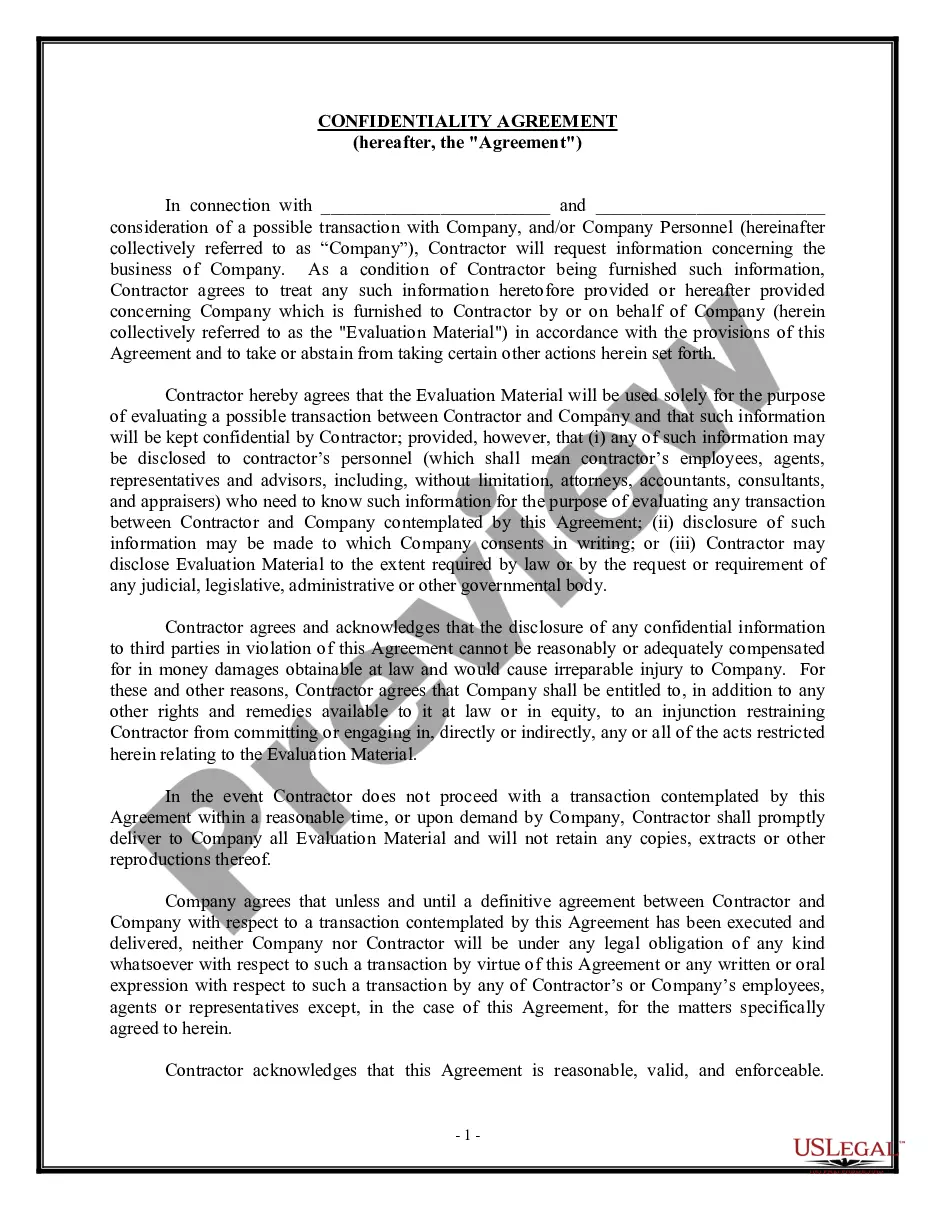
14th Amendment Agreement With Debt Ceiling In Hennepin
Description






Get your form ready online
Our built-in tools help you complete, sign, share, and store your documents in one place.
Make edits, fill in missing information, and update formatting in US Legal Forms—just like you would in MS Word.
Download a copy, print it, send it by email, or mail it via USPS—whatever works best for your next step.
Sign and collect signatures with our SignNow integration. Send to multiple recipients, set reminders, and more. Go Premium to unlock E-Sign.
If this form requires notarization, complete it online through a secure video call—no need to meet a notary in person or wait for an appointment.
We protect your documents and personal data by following strict security and privacy standards.

Make edits, fill in missing information, and update formatting in US Legal Forms—just like you would in MS Word.

Download a copy, print it, send it by email, or mail it via USPS—whatever works best for your next step.

Sign and collect signatures with our SignNow integration. Send to multiple recipients, set reminders, and more. Go Premium to unlock E-Sign.

If this form requires notarization, complete it online through a secure video call—no need to meet a notary in person or wait for an appointment.

We protect your documents and personal data by following strict security and privacy standards.
Looking for another form?


Form popularity
FAQ
At 331 (Stevens, J., dissenting) ( A competent individual's decision to refuse life-sustaining medical procedures is an aspect of liberty protected by the Due Process Clause of the Fourteenth Amendment. ).
14th Amendment - Citizenship Rights, Equal Protection, Apportionment, Civil War Debt | Constitution Center.
All adults with decision-making capacity (i.e. able to make decisions for themselves) have the right to accept or decline medical treatment—even if decisions may result in a poor outcome, including death.
A mentally competent adult has the legal right to refuse medical treatment even if causes them serious illness or death.
The core of these requirements is notice and a hearing before an impartial tribunal. Due process may also require an opportunity for confrontation and cross-examination, and for discovery; that a decision be made based on the record, and that a party be allowed to be represented by counsel.
No State shall make or enforce any law which shall abridge the privileges or immunities of citizens of the United States; nor shall any State deprive any person of life, liberty, or property, without due process of law; nor deny to any person within its jurisdiction the equal protection of the laws.
For example, in December 2021, Congress raised the debt ceiling from $28.9 trillion to $31.4 trillion, allowing borrowing to proceed until the total government borrowing reached this new limit (which finally happened on January 19, 2023).
Congress has always acted when called upon to raise the debt limit. Since 1960, Congress has acted 78 separate times to permanently raise, temporarily extend, or revise the definition of the debt limit – 49 times under Republican presidents and 29 times under Democratic presidents.
Congress has always acted when called upon to raise the debt limit. Since 1960, Congress has acted 78 separate times to permanently raise, temporarily extend, or revise the definition of the debt limit – 49 times under Republican presidents and 29 times under Democratic presidents.
The amendment's first section includes the Citizenship Clause, Privileges or Immunities Clause, Due Process Clause, and Equal Protection Clause.