Event Plan Agreements With Other Countries In Kings
Description

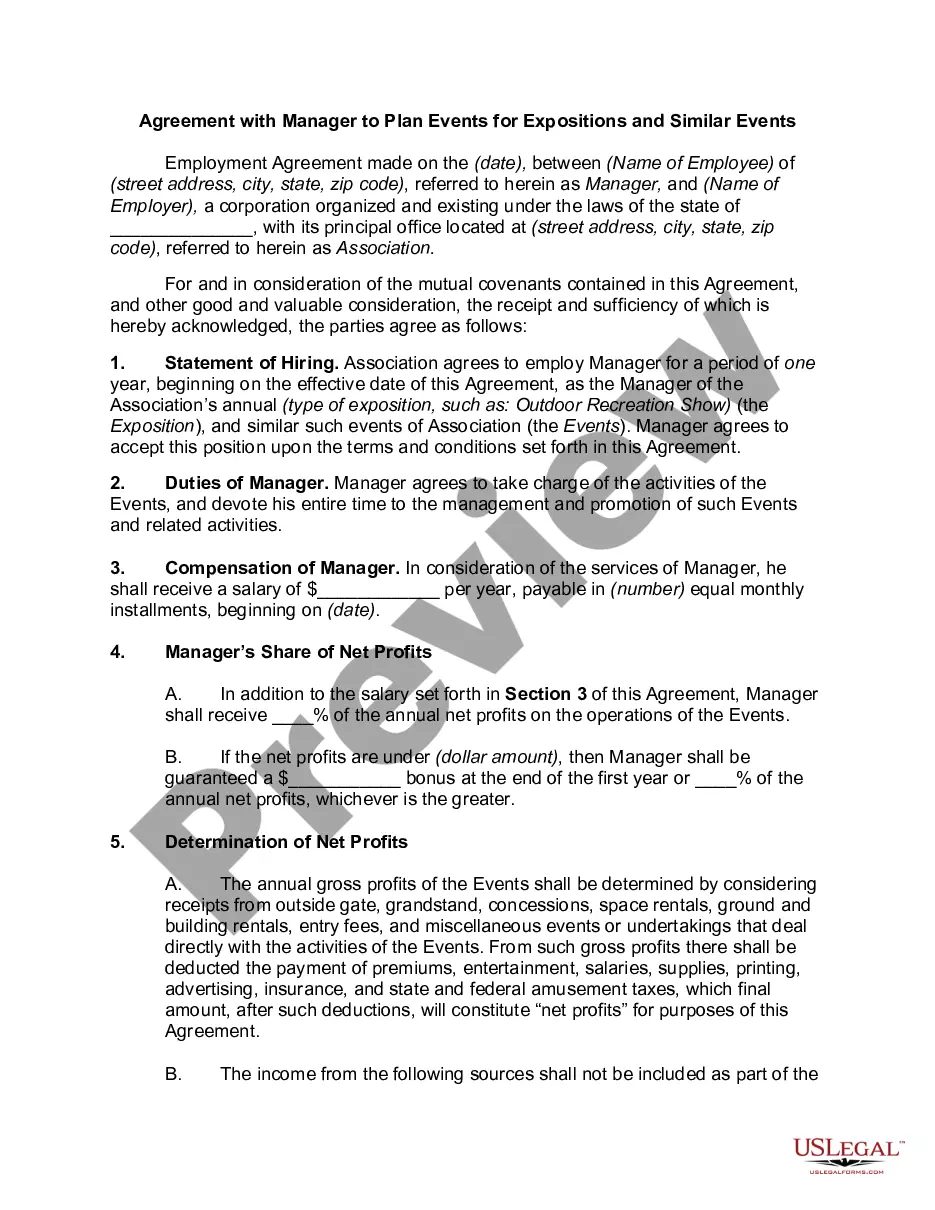
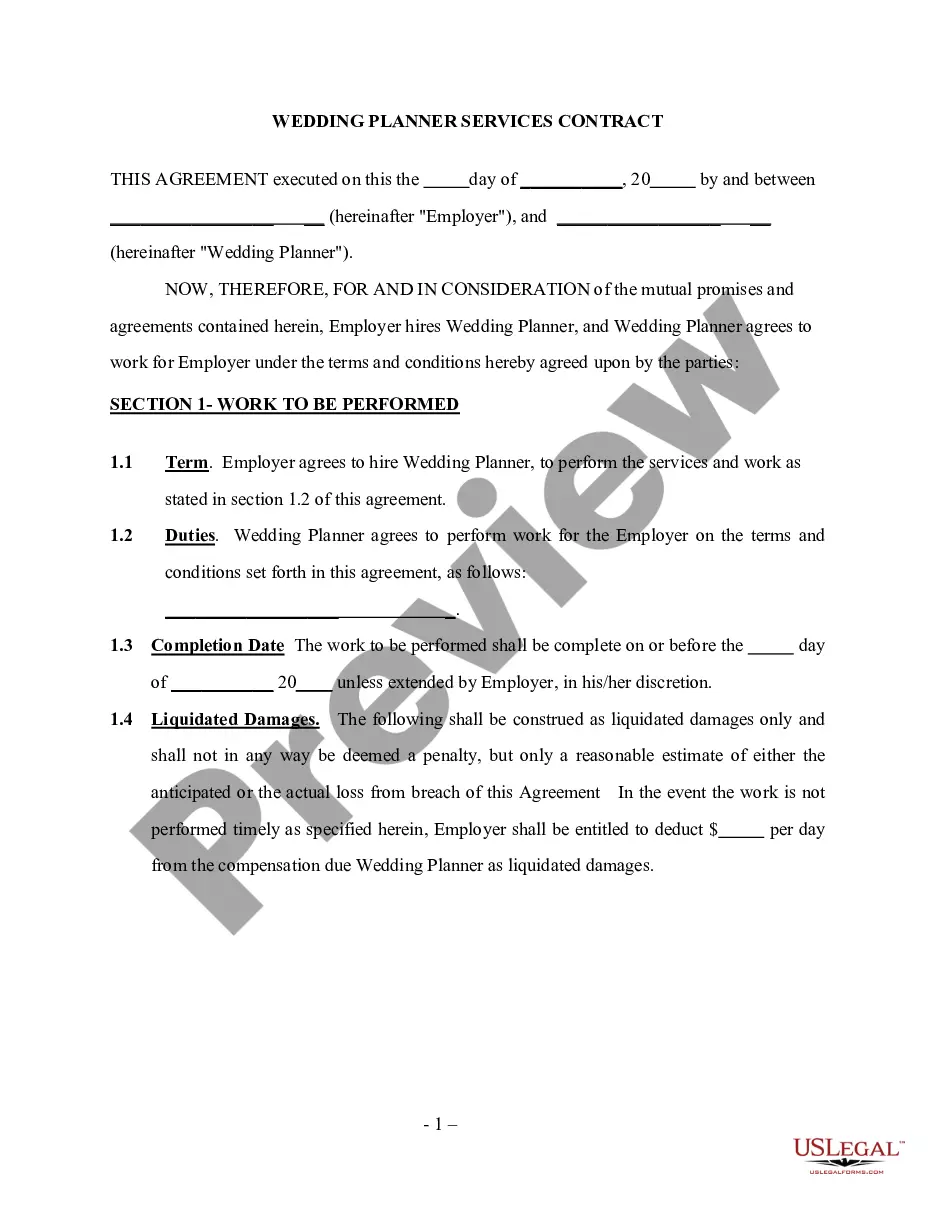
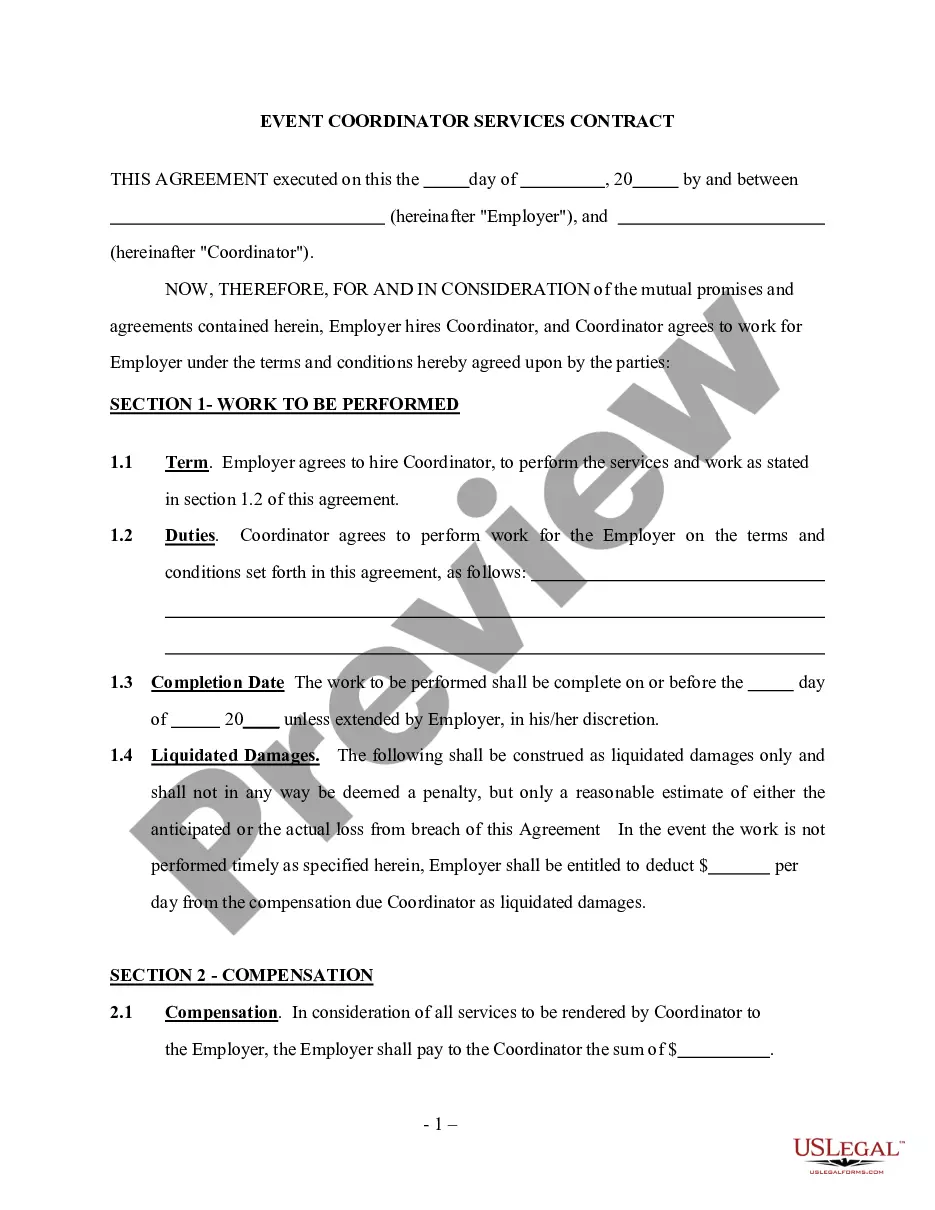
Get your form ready online
Our built-in tools help you complete, sign, share, and store your documents in one place.
Make edits, fill in missing information, and update formatting in US Legal Forms—just like you would in MS Word.
Download a copy, print it, send it by email, or mail it via USPS—whatever works best for your next step.
Sign and collect signatures with our SignNow integration. Send to multiple recipients, set reminders, and more. Go Premium to unlock E-Sign.
If this form requires notarization, complete it online through a secure video call—no need to meet a notary in person or wait for an appointment.
We protect your documents and personal data by following strict security and privacy standards.

Make edits, fill in missing information, and update formatting in US Legal Forms—just like you would in MS Word.

Download a copy, print it, send it by email, or mail it via USPS—whatever works best for your next step.

Sign and collect signatures with our SignNow integration. Send to multiple recipients, set reminders, and more. Go Premium to unlock E-Sign.

If this form requires notarization, complete it online through a secure video call—no need to meet a notary in person or wait for an appointment.

We protect your documents and personal data by following strict security and privacy standards.
Looking for another form?









Form popularity
FAQ
Foreign policy is how a country uses different strategies to guide its relationships with other countries and international organizations. This means that foreign policy is made up of different global issues, relationships with other countries, and even domestic politics.
Foreign policy – The collection of strategies a country uses to guide its relationships with other countries.
Bilateralism is the conduct of political, economic, or cultural relations between two sovereign states.
Foreign policy, general objectives that guide the activities and relationships of one state in its interactions with other states.
Diplomacy: The U.S. Department of State at Work. The U.S. Department of State manages America's relationships with foreign governments, international organizations, and the people of other countries. The management of all of these relationships is called diplomacy.
Under international law, a treaty is any legally binding agreement between states (countries). A treaty can be called a Convention, a Protocol, a Pact, an , etc.; it is the content of the agreement, not its name, which makes it a treaty.
Under international law, a treaty is any legally binding agreement between states (countries). A treaty can be called a Convention, a Protocol, a Pact, an , etc.; it is the content of the agreement, not its name, which makes it a treaty.
Importance of the 5 C's in Modern Event Planning In this dynamic environment, the 5 C's of event planning, Concept, Context, Content, Coordination, and Communication, serve as essential guideposts for creating successful events, whether virtual, hybrid, or in-person.
It is important to create a comprehensive event checklist that covers all the logistical aspects of hosting an event. Research and choose a suitable venue based on event size, location, and budget. Create a detailed budget that covers all event expenses, including venue rental, catering, decor, and marketing/promotion.
An event checklist is a document that outlines all the tasks and activities that need to be completed before, during, and after an event. It is a crucial tool for event planning experts as it ensures that all aspects of the event are covered, from the venue and vendors to the guest list and decorations.
