Declaratory Judgment Sample Without Action In Orange
Description

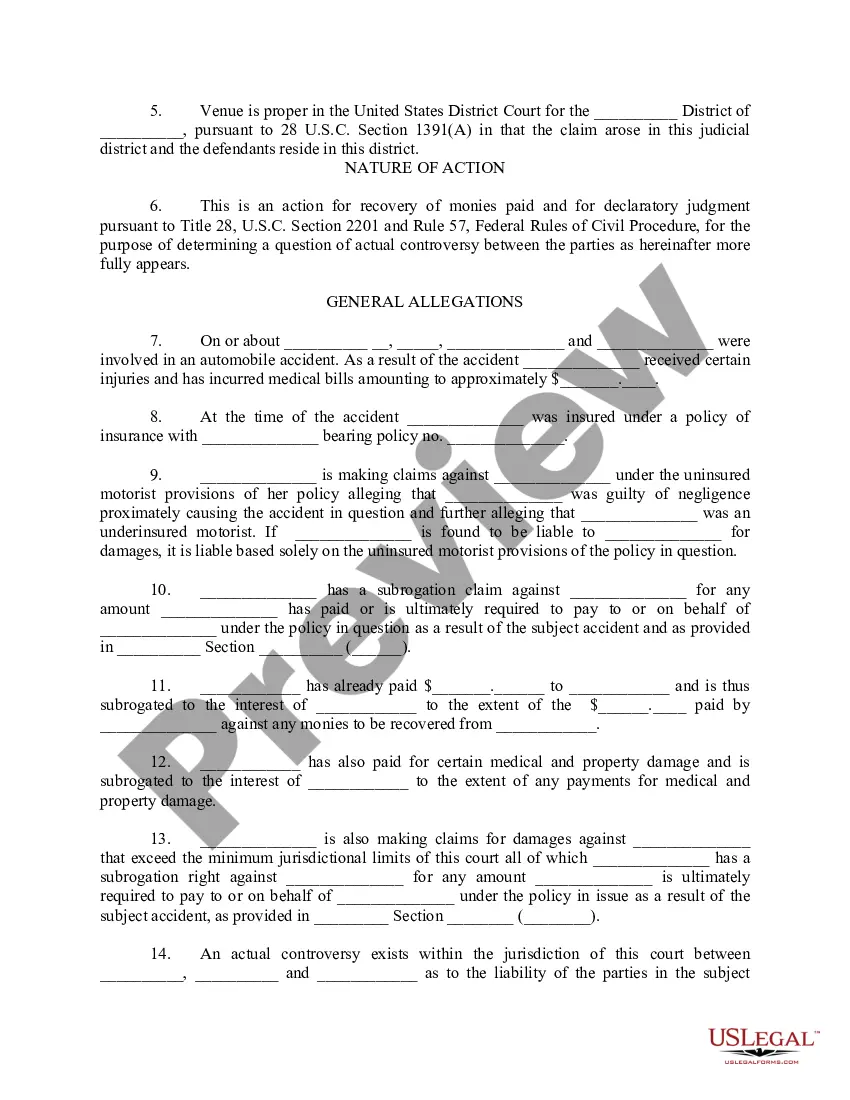
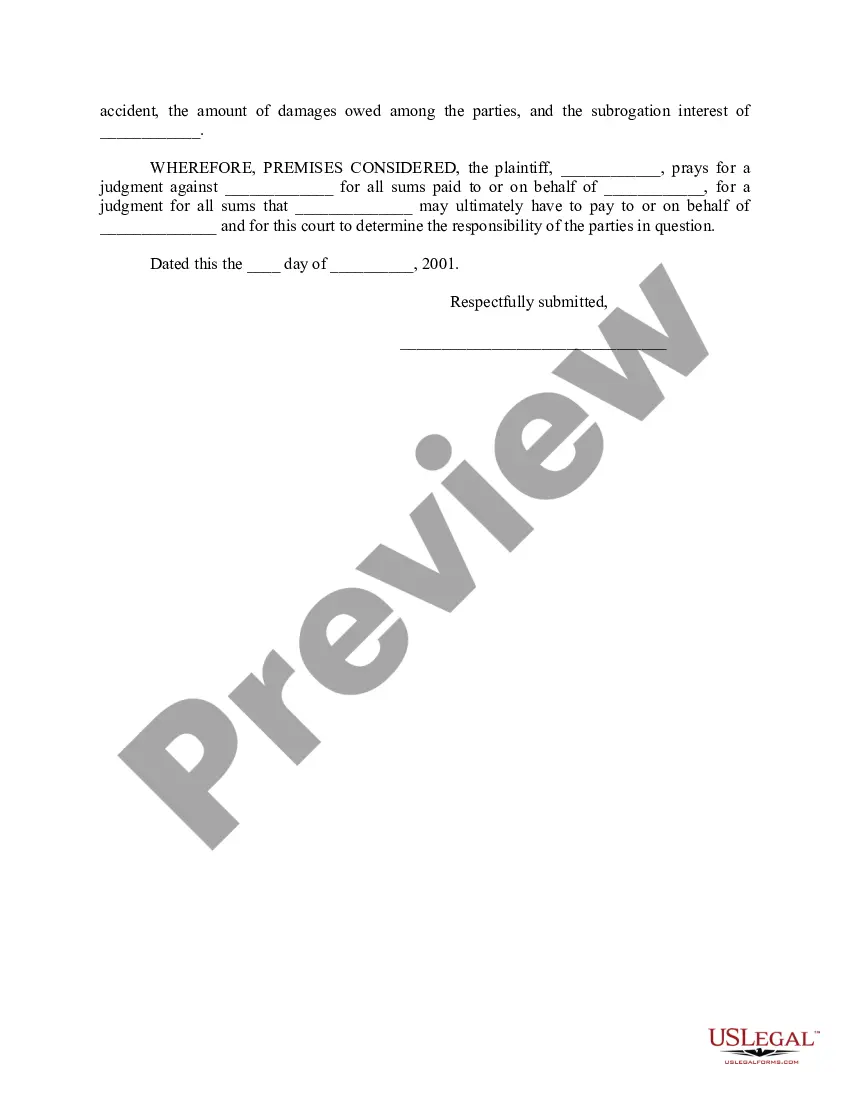



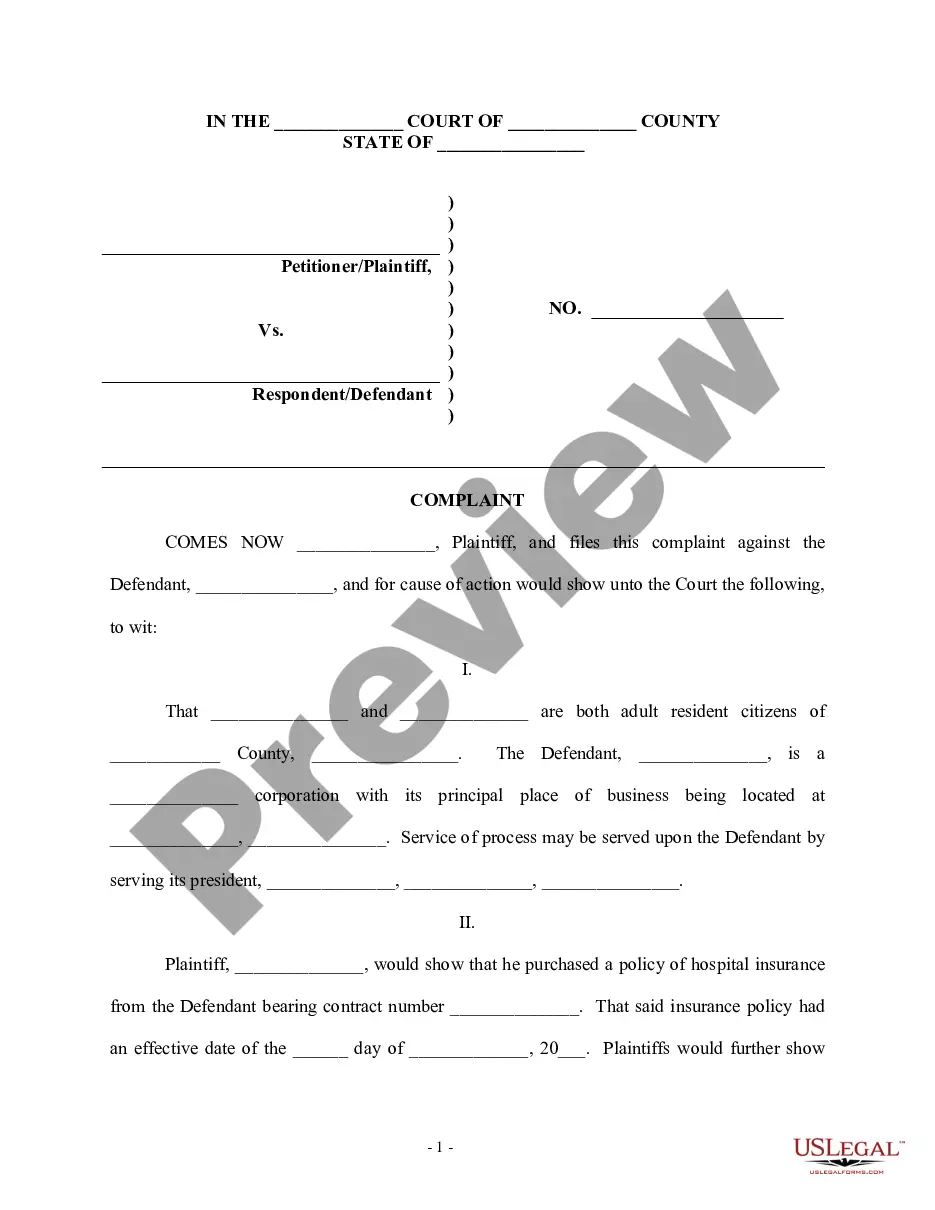
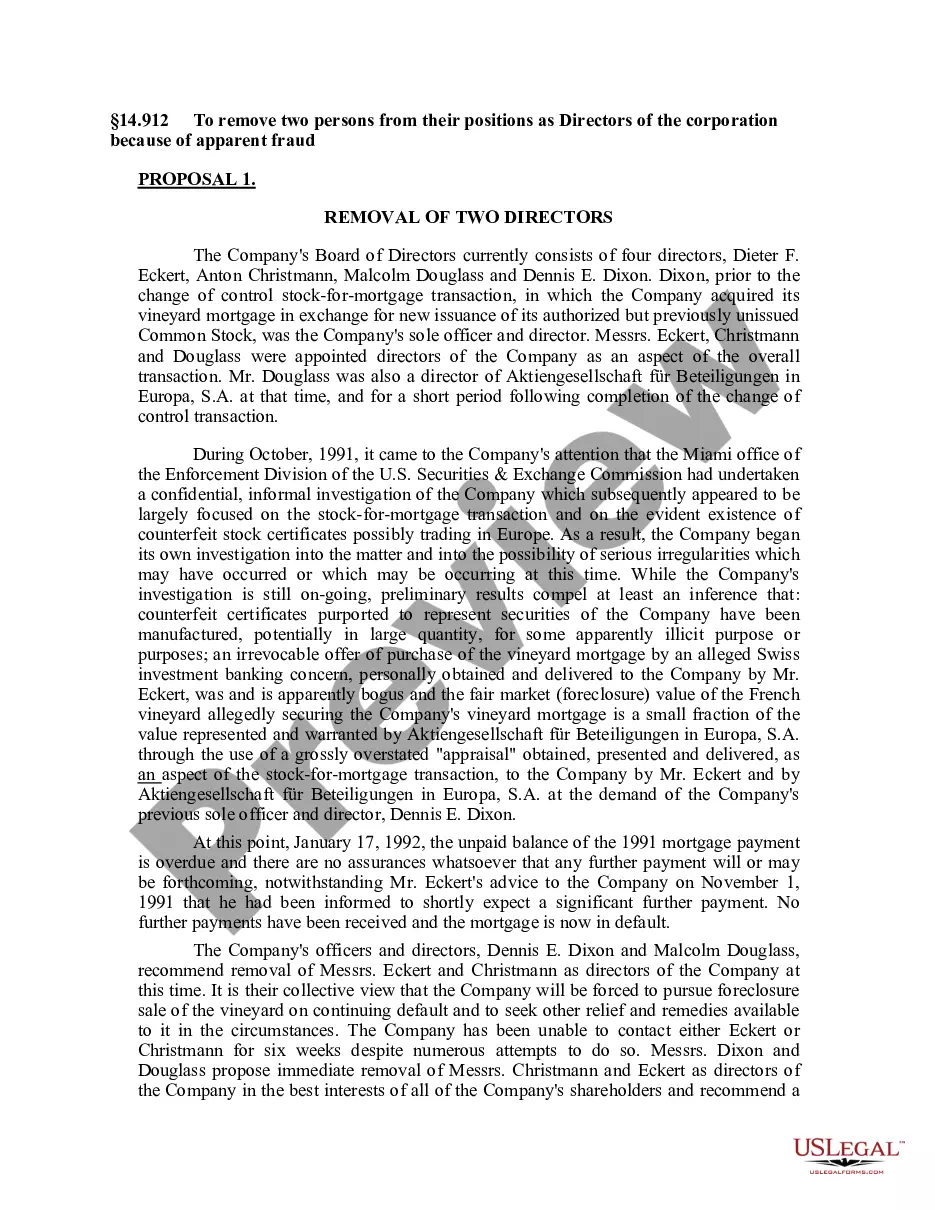
Get your form ready online
Our built-in tools help you complete, sign, share, and store your documents in one place.
Make edits, fill in missing information, and update formatting in US Legal Forms—just like you would in MS Word.
Download a copy, print it, send it by email, or mail it via USPS—whatever works best for your next step.
Sign and collect signatures with our SignNow integration. Send to multiple recipients, set reminders, and more. Go Premium to unlock E-Sign.
If this form requires notarization, complete it online through a secure video call—no need to meet a notary in person or wait for an appointment.
We protect your documents and personal data by following strict security and privacy standards.

Make edits, fill in missing information, and update formatting in US Legal Forms—just like you would in MS Word.

Download a copy, print it, send it by email, or mail it via USPS—whatever works best for your next step.

Sign and collect signatures with our SignNow integration. Send to multiple recipients, set reminders, and more. Go Premium to unlock E-Sign.

If this form requires notarization, complete it online through a secure video call—no need to meet a notary in person or wait for an appointment.

We protect your documents and personal data by following strict security and privacy standards.
Looking for another form?




Form popularity
FAQ
§ 2201, which allows federal courts to issue declaratory judgments in the case of “actual controversy.” This statutory requirement in turn stems from the fact that Article III of the U.S. Constitution only provides for the judiciary to adjudicate “cases” and “controversies.” This requirement prevents the judiciary from ...
While denominated "causes of action" in the complaint, declaratory and injunctive relief are remedies, not causes of action.
N. a true legal dispute which leads to a genuine lawsuit rather than merely a "cooked up" legal action filed to get a court to give the equivalent of an advisory opinion.
For an actual controversy to be found, the plaintiff cannot be merely seeking advice from the court, but instead must show that the controversy between parties is substantial, immediate, and real and that the parties have adverse legal interests.
Generally, declaratory judgement actions for non-infringement of intellectual property are brought in cases that one party is threatened to infringe the patent right of another party although not yet filed a lawsuit, or that one of the parties concerned seriously worry about the infringement of the patent right, or ...
The declaratory judgment is generally considered a statutory remedy and not an equitable remedy in the United States, and is thus not subject to equitable requirements, though there are analogies that can be found in the remedies granted by courts of equity.
The benefit of a declaratory judgment is that it prevents lawsuits that are likely to be unsuccessful, which saves the courts, and ultimately taxpayers, resources and time. A policyholder that receives an unfavorable declaratory judgment is unlikely to file a lawsuit, as the suit is much more likely to be dismissed.
Example of Declaratory Judgment For example, a policyholder believes that their denied claim is unjust. As a result, they inform the insurer that they are considering a lawsuit to recover losses. The insurer seeks a declaratory judgment to clarify its rights and obligations with hopes of preventing the lawsuit.
A declaratory judgment is typically requested when a party is threatened with a lawsuit but the lawsuit has not yet been filed; or when a party or parties believe that their rights under law and/or contract might conflict; or as part of a counterclaim to prevent further lawsuits from the same plaintiff (for example, ...
