Declaratory Judgment Form Texas Withdraw In Maryland
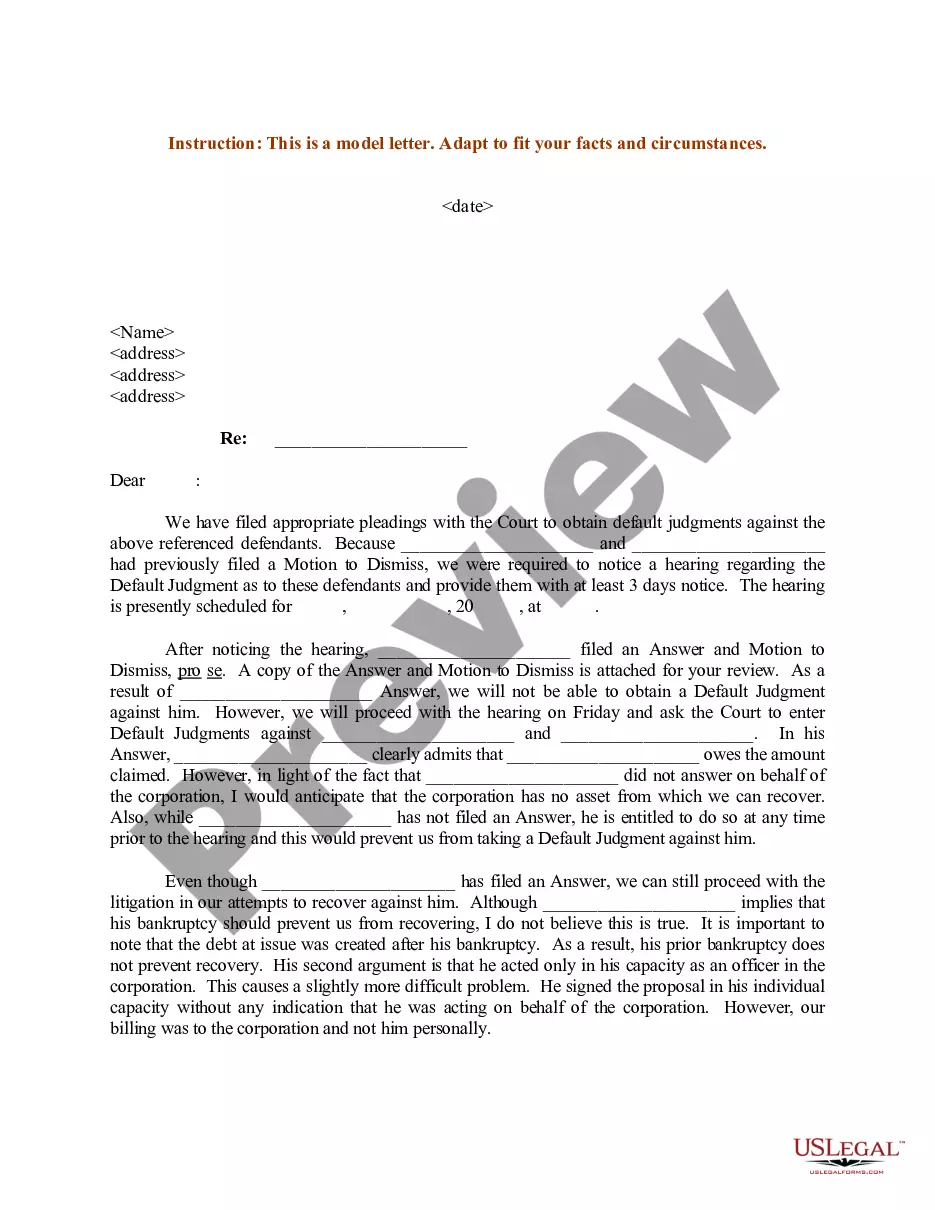
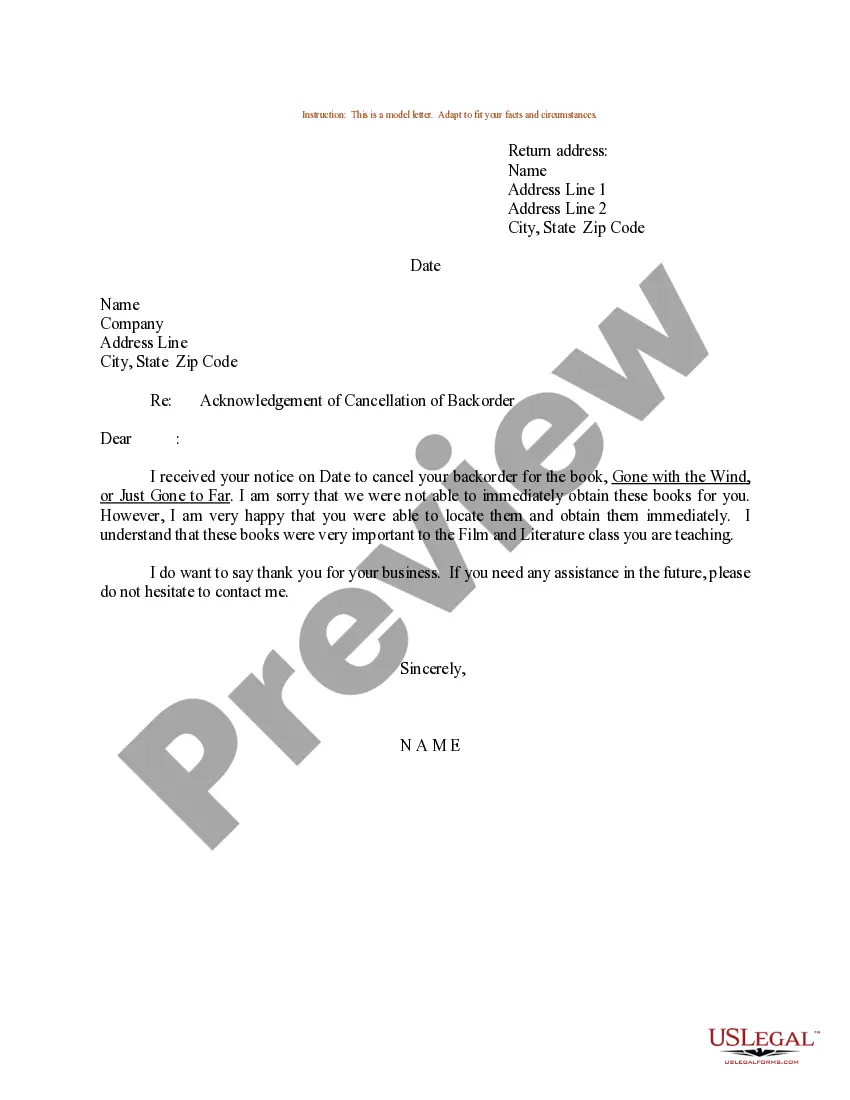
Description




Get your form ready online
Our built-in tools help you complete, sign, share, and store your documents in one place.
Make edits, fill in missing information, and update formatting in US Legal Forms—just like you would in MS Word.
Download a copy, print it, send it by email, or mail it via USPS—whatever works best for your next step.
Sign and collect signatures with our SignNow integration. Send to multiple recipients, set reminders, and more. Go Premium to unlock E-Sign.
If this form requires notarization, complete it online through a secure video call—no need to meet a notary in person or wait for an appointment.
We protect your documents and personal data by following strict security and privacy standards.

Make edits, fill in missing information, and update formatting in US Legal Forms—just like you would in MS Word.

Download a copy, print it, send it by email, or mail it via USPS—whatever works best for your next step.

Sign and collect signatures with our SignNow integration. Send to multiple recipients, set reminders, and more. Go Premium to unlock E-Sign.

If this form requires notarization, complete it online through a secure video call—no need to meet a notary in person or wait for an appointment.

We protect your documents and personal data by following strict security and privacy standards.
Looking for another form?








Form popularity
FAQ
In District Court, after the court enters a judgment on affidavit, the defendant has 30 days to file a Motion to Vacate a Judgment. The 30 days starts when the judgment is entered, not when the defendant gets notice of the judgment. In the motion, you must explain why the judgment should be changed.
To start an appeal in a District Court case, the party that chooses to appeal (the "appellant") must file a Notice of Appeal, Form DC-CV-037 (Civil Appeal/Request For Transcript), within 30 days of the entry of judgment.
You can file a motion to revise or vacate (cancel) the judgment in writing within 30 days after the date of the judgment. This motion is usually filed to correct clerical errors, or to vacate a judgment if you believe that you were not served with the court papers or were not notified of the court date.
§3–303. (v) commit the crime in connection with a burglary in the first, second, or third degree. (b) A person may not violate subsection (a) of this section while also violating § 3–503(a)(2) of this title involving a victim who is a child under the age of 16 years.
The following defenses may be made by motion to dismiss filed before the answer, if an answer is required: (1) lack of jurisdiction over the subject matter, (2) failure to state a claim upon which relief can be granted, (3) failure to join a party under Rule 2-211, (4) discharge in bankruptcy, and (5) governmental ...
The statute of limitations for breach of contract and the declaratory judgment is generally four years from the date of the accident. The Personal Injury Trial Law protection claim statute of limitations is often defined by an insurance contract.
You have 15 days from the day you were served to file the Notice of Intention to Defend. You have 60 days if you were served outside the state of Maryland.
Rule 4-214 - Defense Counsel (a) Appearance. Counsel retained or appointed to represent a defendant shall enter an appearance within five days after accepting employment, after appointment, or after the filing of the charging document in court, whichever occurs later.
Notice of Intention to Defend - This is a form located on the bottom of your summons. Complete the Notice of Intention to Defend if you dispute owing all or some of what the plaintiff claims. The completed form must be returned to the Maryland District Court location listed at the top of your summons.