Erisa Complaint Sample With Replacement In Los Angeles
Description
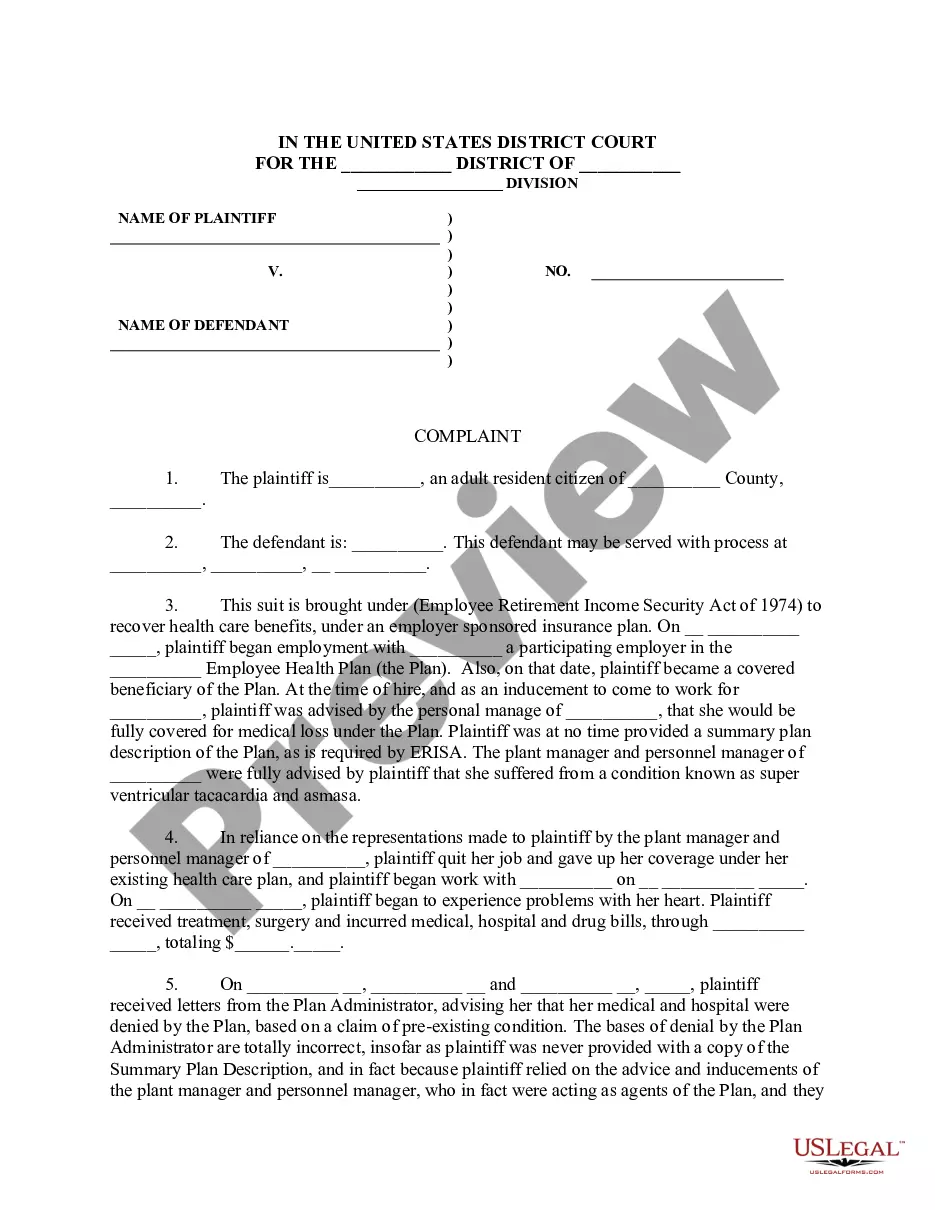
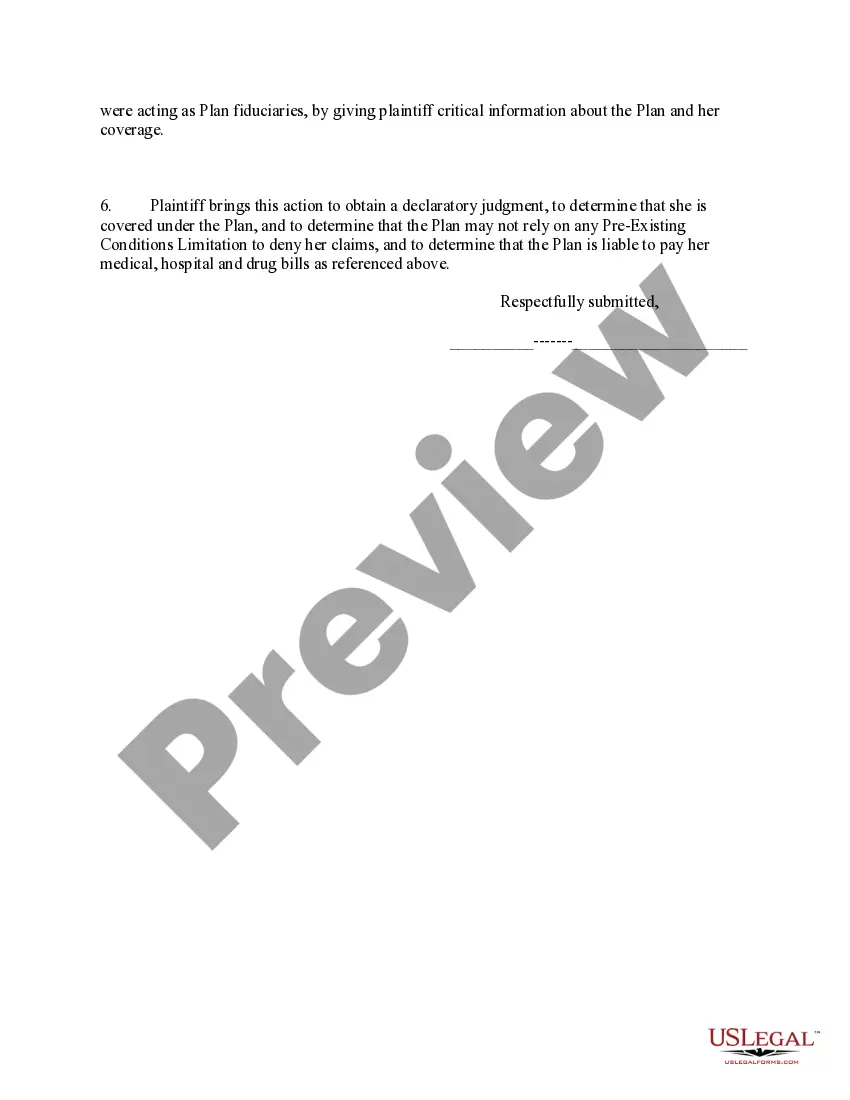
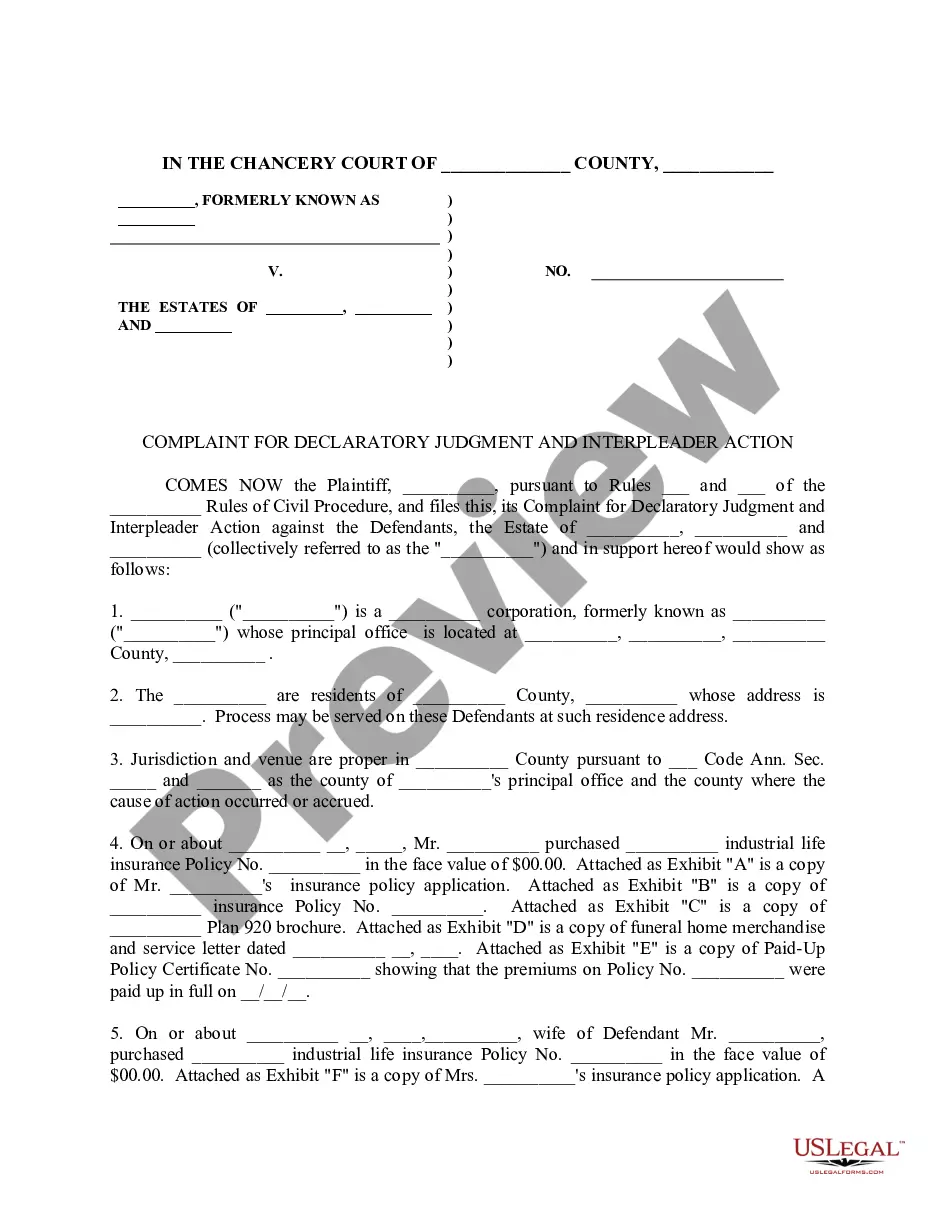
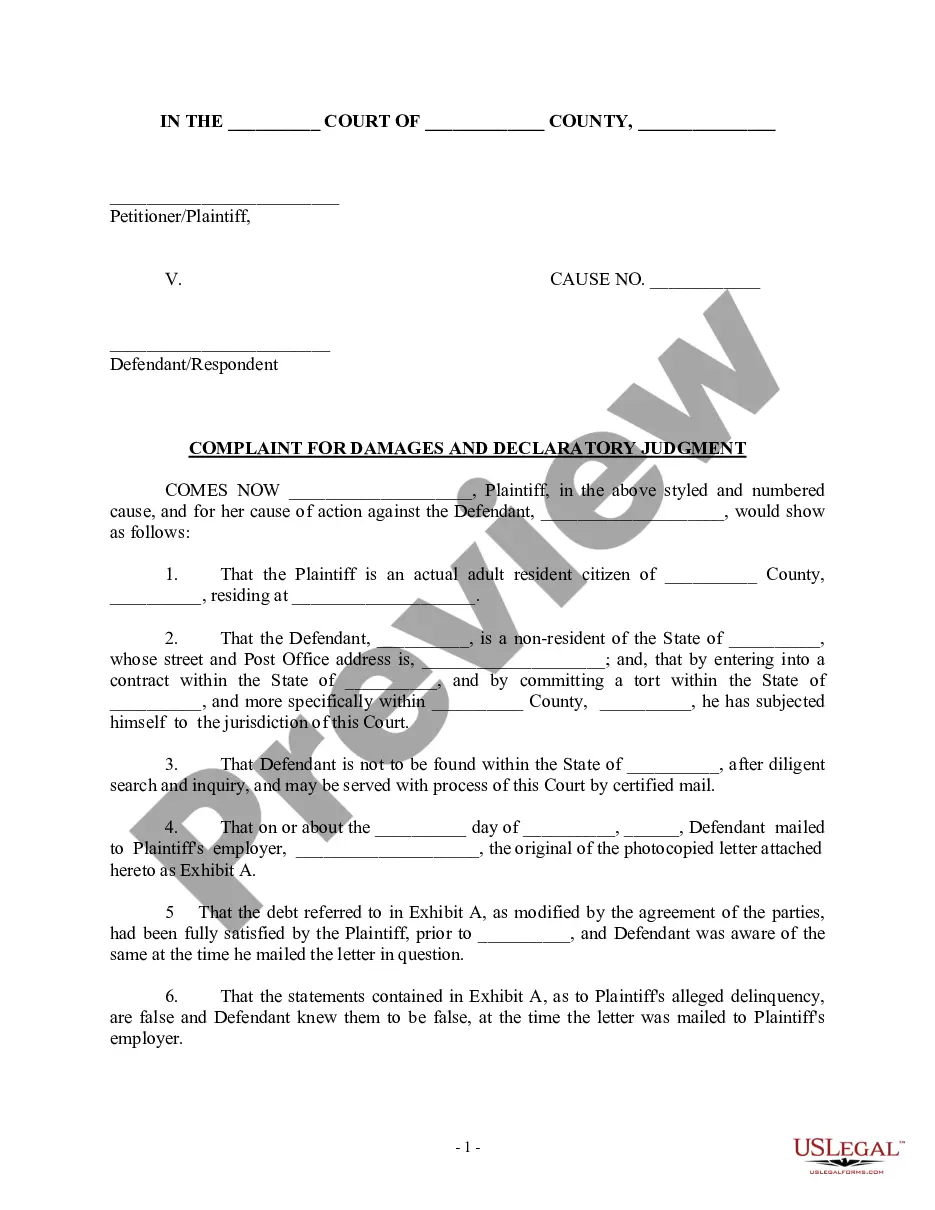
Get your form ready online
Our built-in tools help you complete, sign, share, and store your documents in one place.
Make edits, fill in missing information, and update formatting in US Legal Forms—just like you would in MS Word.
Download a copy, print it, send it by email, or mail it via USPS—whatever works best for your next step.
Sign and collect signatures with our SignNow integration. Send to multiple recipients, set reminders, and more. Go Premium to unlock E-Sign.
If this form requires notarization, complete it online through a secure video call—no need to meet a notary in person or wait for an appointment.
We protect your documents and personal data by following strict security and privacy standards.

Make edits, fill in missing information, and update formatting in US Legal Forms—just like you would in MS Word.

Download a copy, print it, send it by email, or mail it via USPS—whatever works best for your next step.

Sign and collect signatures with our SignNow integration. Send to multiple recipients, set reminders, and more. Go Premium to unlock E-Sign.

If this form requires notarization, complete it online through a secure video call—no need to meet a notary in person or wait for an appointment.

We protect your documents and personal data by following strict security and privacy standards.
Looking for another form?


Form popularity
FAQ
Filing an ERISA Claim: Step-by-Step Guide Step 1: Start with Solid Documentation. Step 2: Filing Your Claim and Submission Deadlines. Step 3: Appeals Process If Your Claim Is Denied. Step 4: Filing an ERISA Complaint in Federal Court.
Common ERISA violations include denying benefits improperly, breaching fiduciary duties, and interfering with employee rights under the plan.
The Employee Retirement Income Security Act of 1974 (ERISA) covers most voluntarily established private sector employee benefit plans. Private-sector employers are responsible for making sure their retirement plans comply with ERISA regulations.
The Employee Benefits Security Administration is an agency within the Department of Labor that administers and enforces the provisions of Title I of the Employee Retirement Income Security Act (ERISA). ERISA established fiduciary and other standards for employee benefit plans sponsored by private-sector employers.
The Employee Retirement Income Security Act of 1974 (ERISA) is a federal law that sets minimum standards for most voluntarily established retirement and health plans in private industry to provide protection for individuals in these plans.
ERISA Section 510, 29 U.S.C. § 1140, provides: It shall be unlawful for any person to discharge, fine, suspend, expel, discipline, or discriminate against a participant or beneficiary for exercising any right to which he is entitled under the provisions of an employee benefit plan, this title, section 3001 29 U.S.C.
The penalty under section 502(l) is equal to 20 percent of the applicable recovery amount. The Secretary of Labor has delegated most of the Secretary's penalties responsibilities under ERISA to EBSA. EBSA will send you a notice of the 502(l) civil penalty assessment in the form of a letter (Notice).
ERISA Section 502(a) contains a comprehensive civil enforcement mechanism under which plan participants, beneficiaries, and other specified parties (including the Department of Labor (DOL)) may bring suit and seek remedies permitted under ERISA.
§ 1132(a)) of ERISA lists multiple causes of action, there are four primary causes of action brought by most ERISA plaintiffs: (1) claims for penalties under Section 502(a)(1)(A) and Section 502(c) when statutorily mandated information is not provided; (2) claims under Section 502(a)(1)(B) for benefits due under a plan ...
