Verified Complaint New Jersey Foreclosure In Ohio
Description

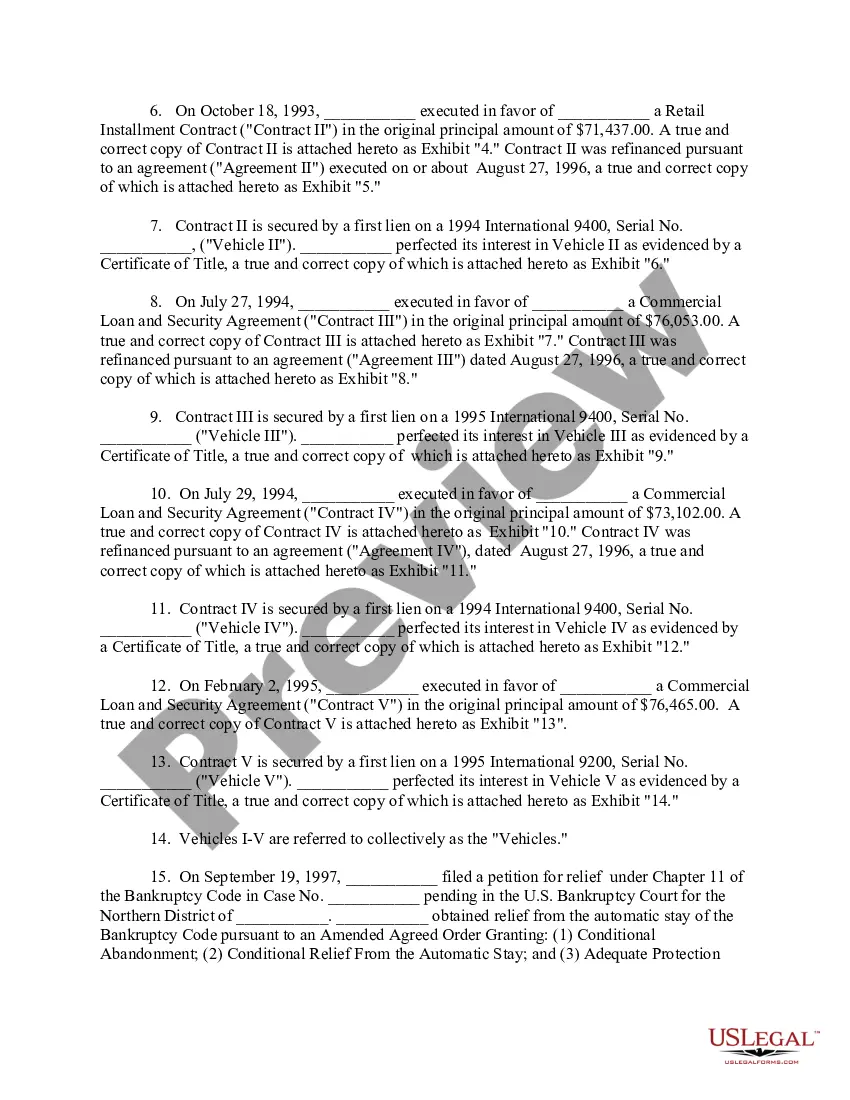
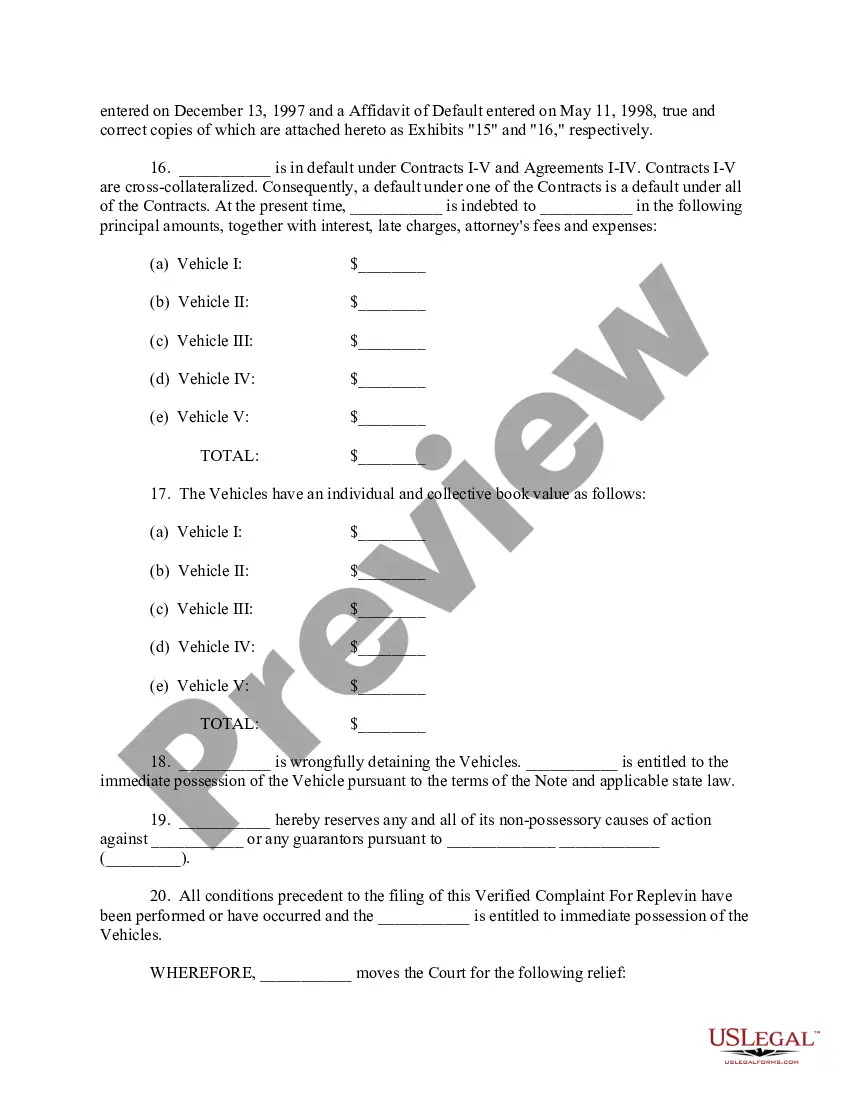
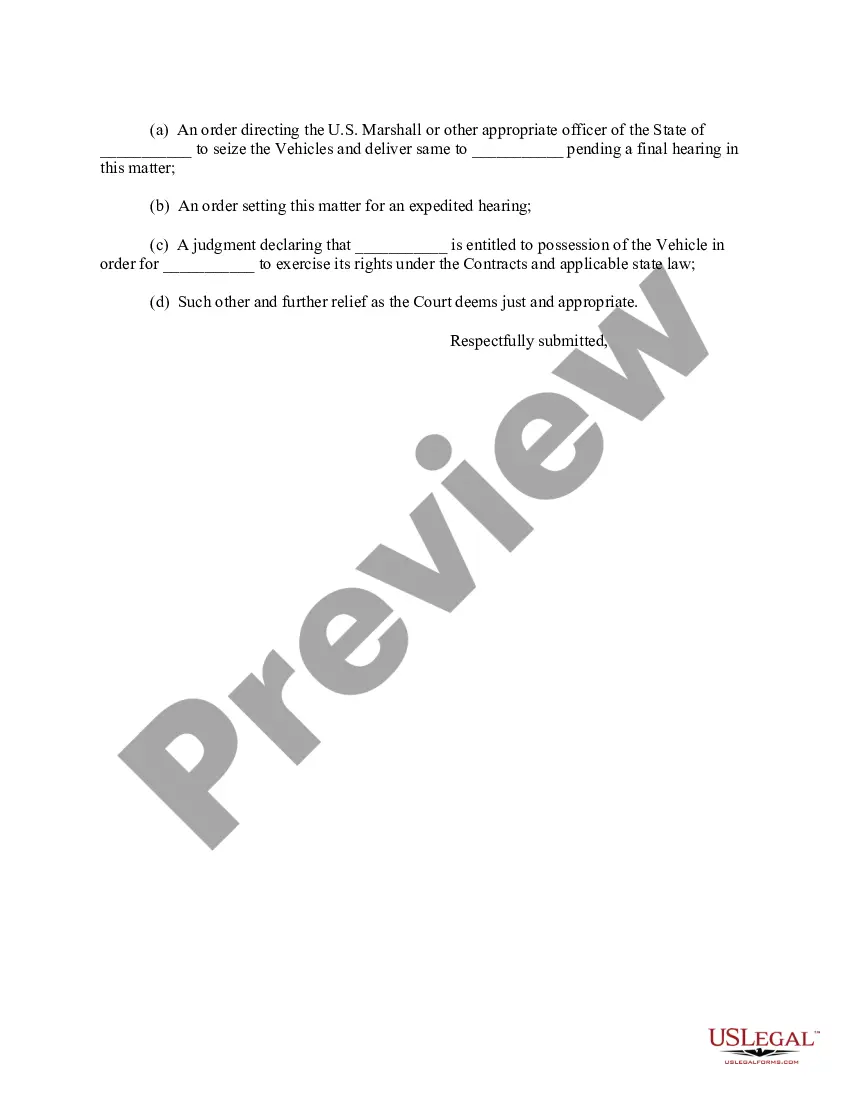
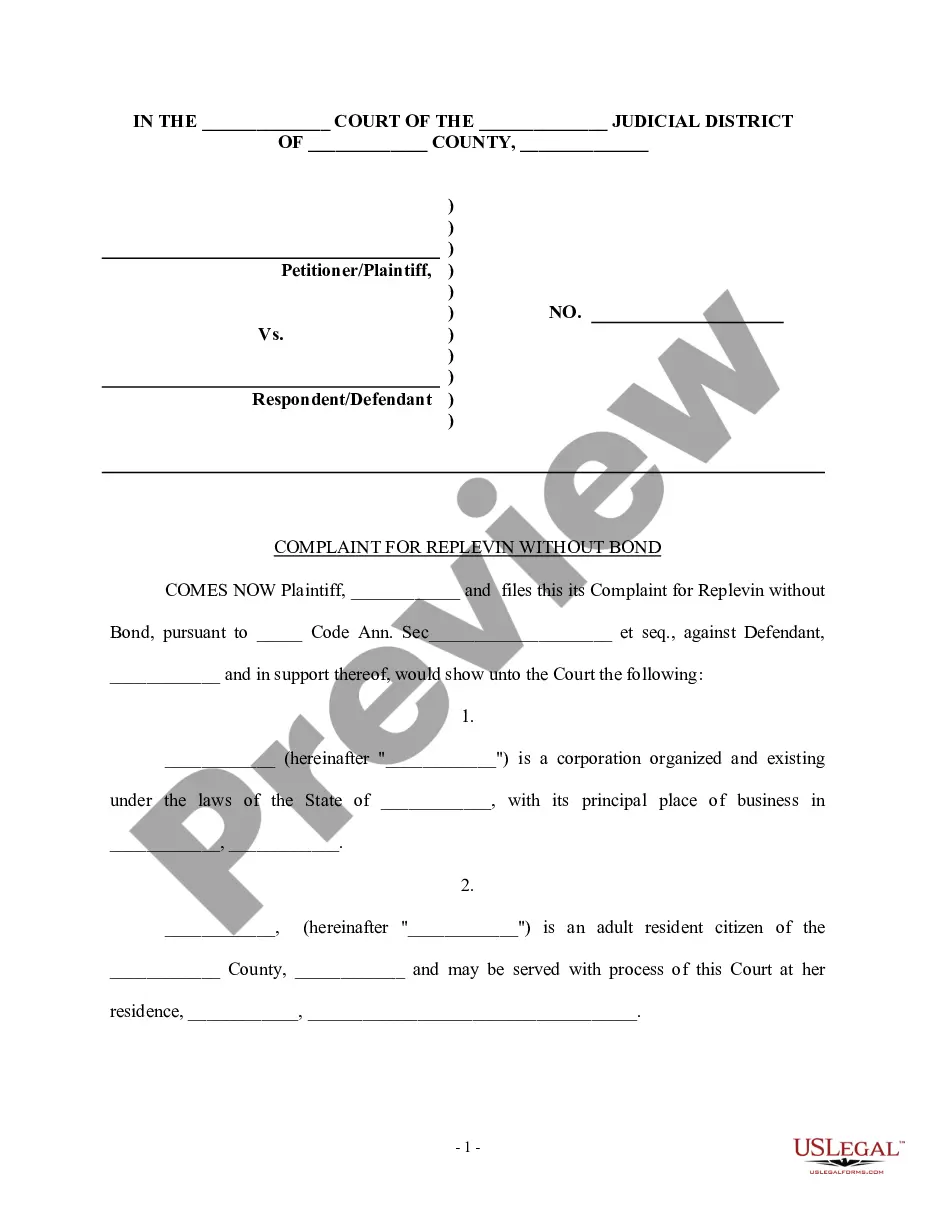

Get your form ready online
Our built-in tools help you complete, sign, share, and store your documents in one place.
Make edits, fill in missing information, and update formatting in US Legal Forms—just like you would in MS Word.
Download a copy, print it, send it by email, or mail it via USPS—whatever works best for your next step.
Sign and collect signatures with our SignNow integration. Send to multiple recipients, set reminders, and more. Go Premium to unlock E-Sign.
If this form requires notarization, complete it online through a secure video call—no need to meet a notary in person or wait for an appointment.
We protect your documents and personal data by following strict security and privacy standards.

Make edits, fill in missing information, and update formatting in US Legal Forms—just like you would in MS Word.

Download a copy, print it, send it by email, or mail it via USPS—whatever works best for your next step.

Sign and collect signatures with our SignNow integration. Send to multiple recipients, set reminders, and more. Go Premium to unlock E-Sign.

If this form requires notarization, complete it online through a secure video call—no need to meet a notary in person or wait for an appointment.

We protect your documents and personal data by following strict security and privacy standards.
Looking for another form?

Form popularity
FAQ
Verified Complaints are generally not required, except when ex parte relief is sought or when required by a statute or rule regarding a specific cause of action. N.J.R.
You must file your “Answer” to the complaint with the court in your county. Legal help can be found through the Ohio Legal Services Association, the Legal Aid Society of Columbus, or the Ohio State Bar Association. Submitting your “Answer” to the court slows down the foreclosure process.
If the answer is not verified, the allegations of the complaint are deemed admitted and the plaintiff can move for judgment on the pleadings or move to strike the answer and take judgment by default.
This may be by a sheriffs officer or a private process server. Delivery may also be made at the defendant's home to a member of the household at least 14 years of age. If personal service cannot be made, then the plaintiff has the option of serving the papers by regular and certified mail.
Unless a rule or statute specifically states otherwise, a pleading need not be verified or accompanied by an affidavit.
A verified complaint is an effective way to demand the Ohio Environmental Protection Agency (OEPA) to act on a problem. It is more formal than a general complaint and requires the OEPA to investigate and report on the results.
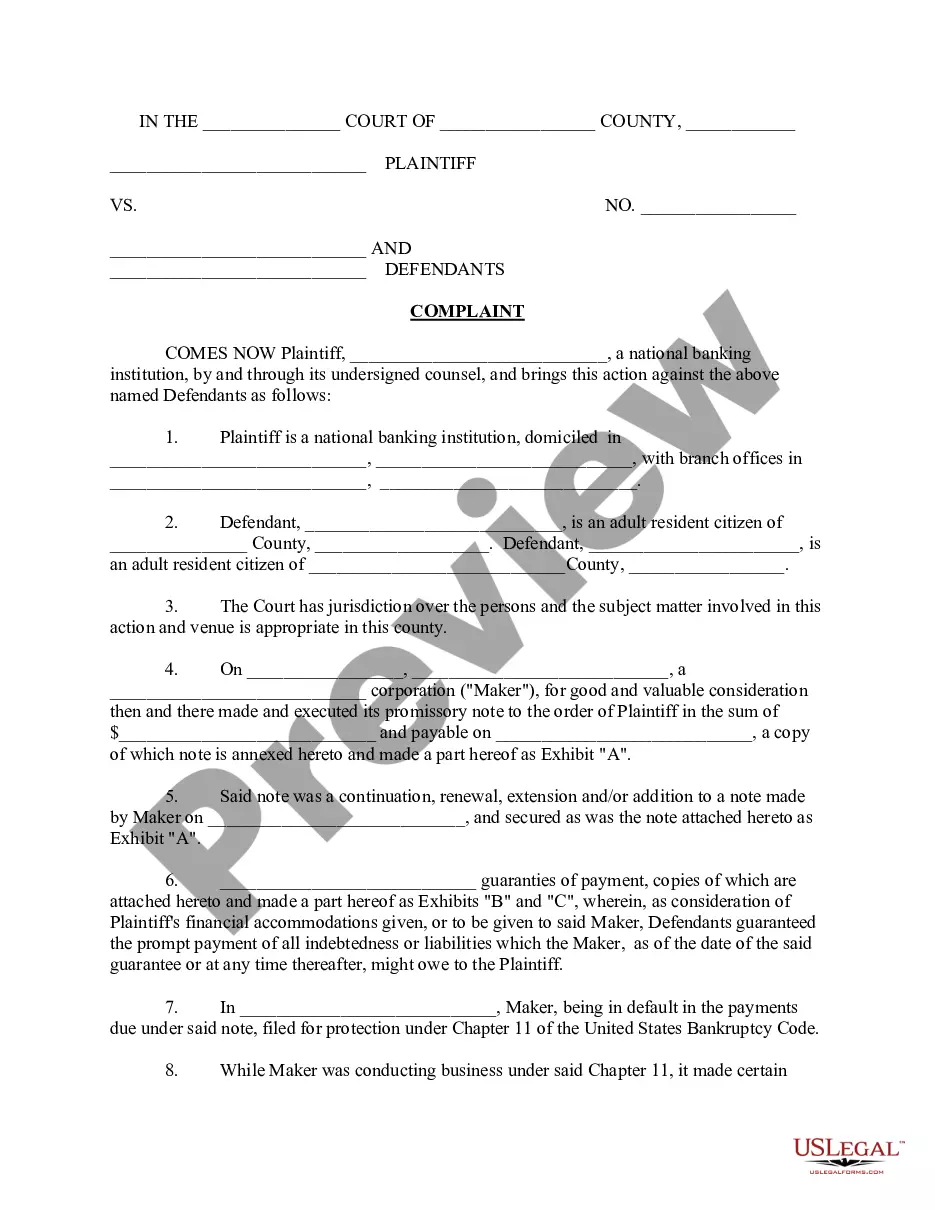
Definition. A verified complaint is a sworn document in which the plaintiff tells the court the facts of the case and states what relief is sought.
Here are some general tips on researching public foreclosure information in California: - The county recorder's office has public records on all property transactions, including deeds of trust, assignments, notices of default, and trustee sale deeds. These can help you determine foreclosure status and loan details.
Valid complaint means that there are valid grounds for the complaint, and if it is not satisfactorily resolved it could then become a complaint for the Ombudsman.
A complaint where the plaintiff (or, in limited cases, the plaintiff's counsel) swears to the allegations, demonstrating to a court that the plaintiff has investigated the charges against the defendant and found them to be of substance.